
Quick Overview
With the continuous upgrade of offline entertainment consumption, racing arcade machines have become one of the most attractive core attractions in arcades, shopping mall entertainment zones, and comprehensive entertainment centers. They not only deliver strong visual impact, but also effectively extend customer dwell time through immersive experiences, thereby increasing overall revenue.
From a procurement perspective, choosing a racing machine is not simply about purchasing equipment. It is a systematic decision based on venue suitability, target users, and return on investment (ROI). Common machine types include single-player racing machines, multiplayer racing machines, motion racing simulators, and VR racing machines. Each type differs significantly in cost structure, operational model, and profitability.
For investors, selecting the right combination of machines and working with a reliable supplier is often more important than simply minimizing purchase costs.
What is a Racing Arcade Machine?
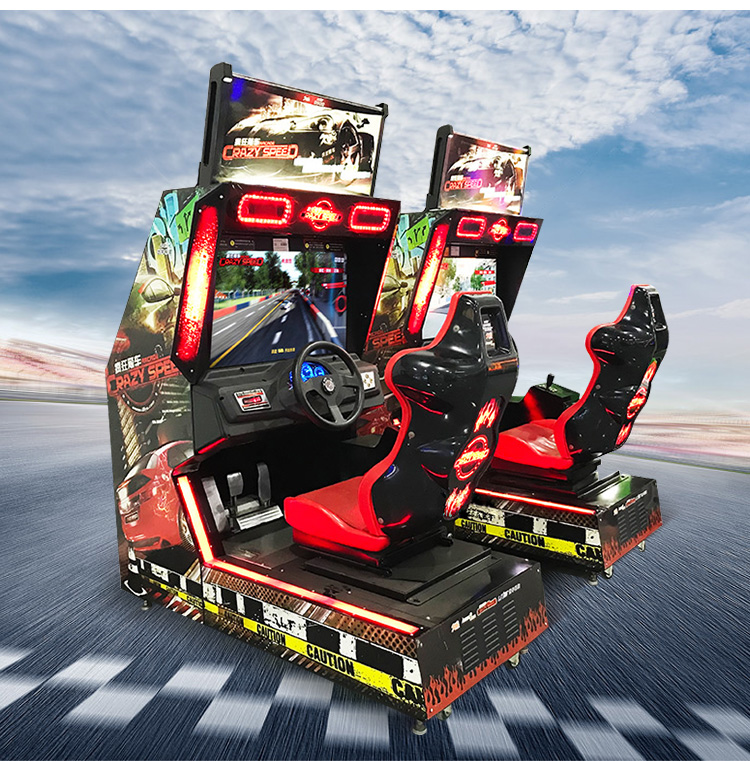
A racing arcade machine is an entertainment device that simulates real driving experiences through a steering wheel, pedals, and a large display system. During gameplay, players not only control the vehicle but also experience speed, turning, and even collision effects through visual and feedback systems. This “near-real” experience is what differentiates it from traditional video games.
In commercial environments, racing machines are often considered “traffic-driving equipment.” Compared to other entertainment machines, they are more effective at capturing attention and encouraging users to engage. Once players start playing, the immersive experience often leads to longer dwell time and higher repeat consumption.
The long-term operational success of racing machines depends on several key factors:
- Rich experience dimensions: Not just watching a screen, but actively “driving”
- Strong interactivity: Multiplayer modes significantly enhance engagement
- Low entry barrier: Easy to operate for all age groups
- High conversion potential: Easily converts viewers into paying customers
From a business perspective, racing machines are core equipment that combine both traffic attraction and revenue conversion.
Types of Racing Arcade Machines
Although there are many variations in the market, racing machines can generally be categorized into four main types from a commercial perspective. Each type corresponds to different investment strategies and operational approaches.
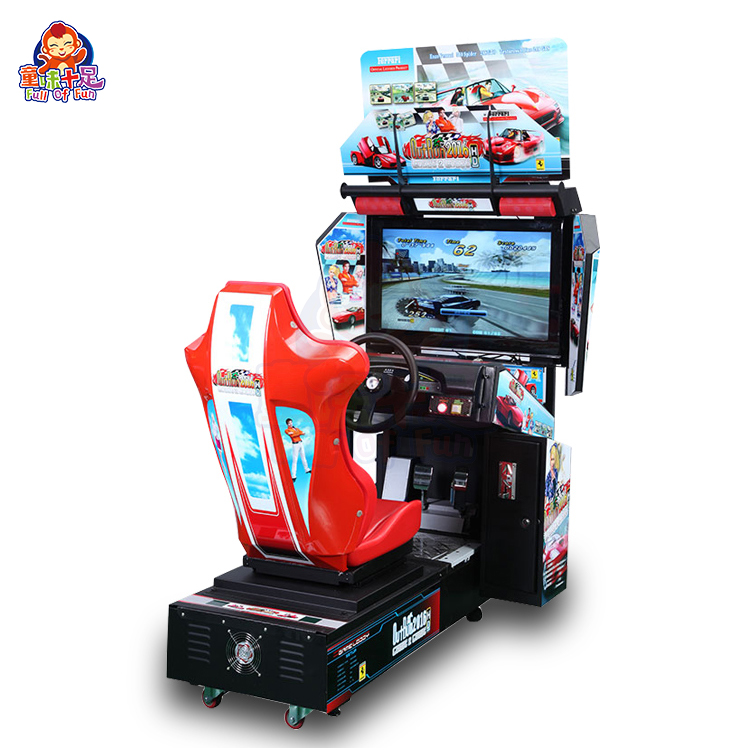
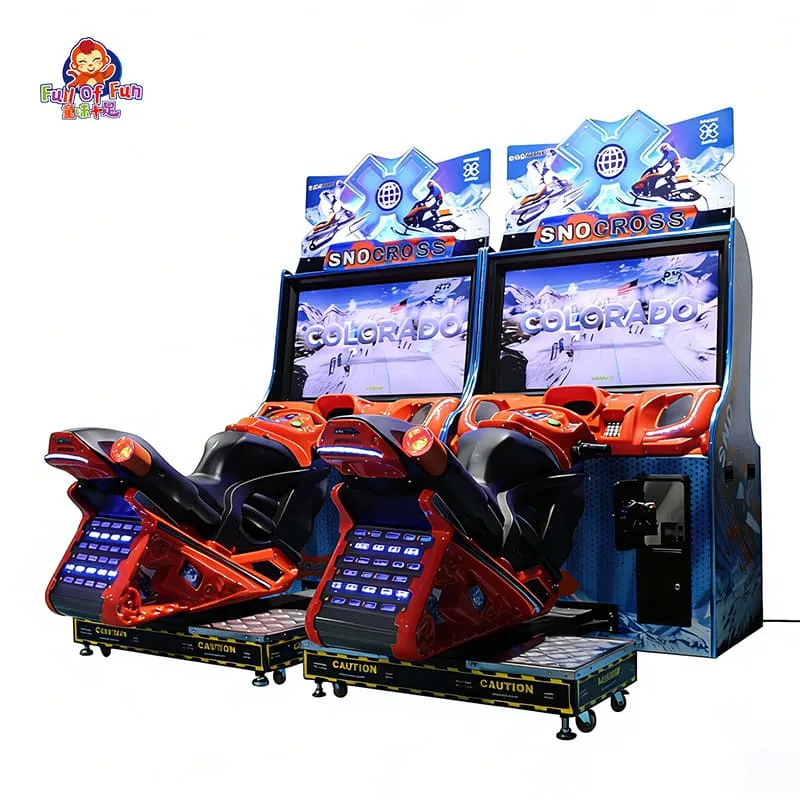
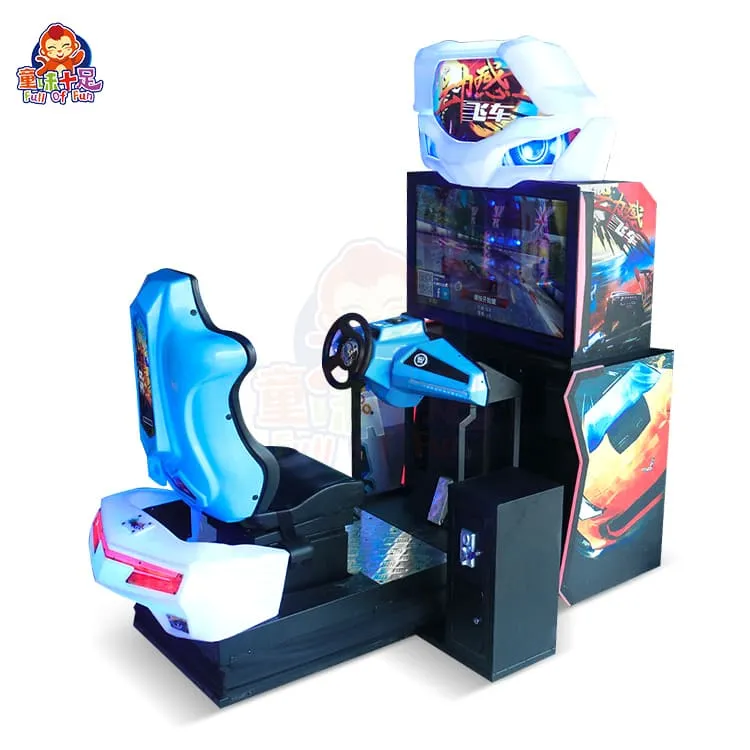
(1) Single-Player Racing Machine
Single-player racing machines are entry-level devices with a simple structure and small footprint. They are ideal for investors with limited budgets or those new to the industry. Due to their flexibility, they are also commonly used to fill smaller or corner spaces within a venue.
From an operational standpoint, their advantages lie in low risk and fast payback. However, they are relatively weaker in terms of attraction and interactivity, making them more suitable as supplementary equipment rather than core revenue drivers.
Typical Features:
- Lower initial investment, suitable for market testing
- Flexible placement, easy to scale
- Low maintenance and simple operation
.jpg)
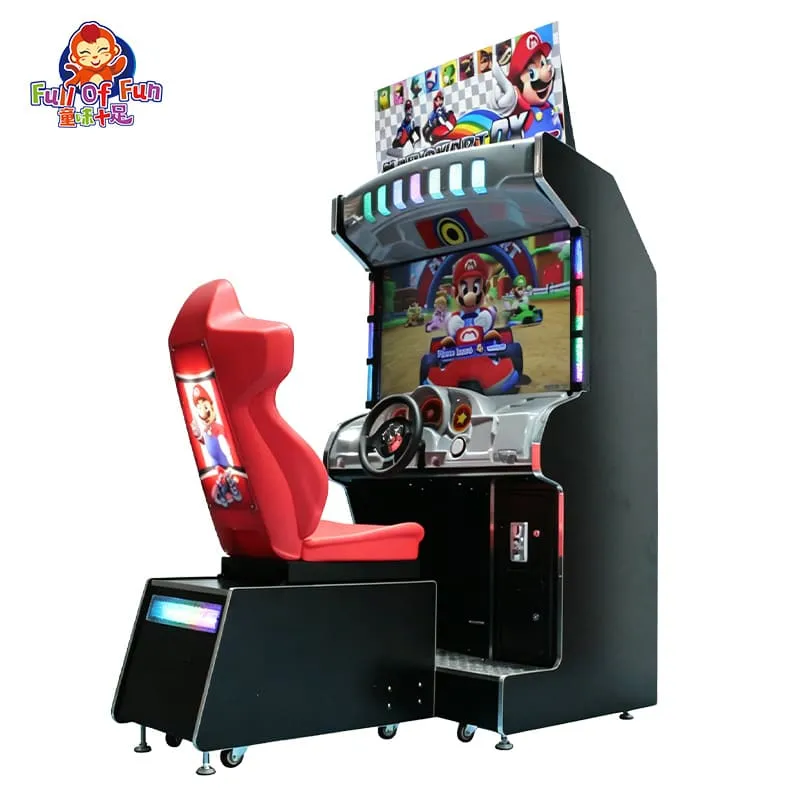
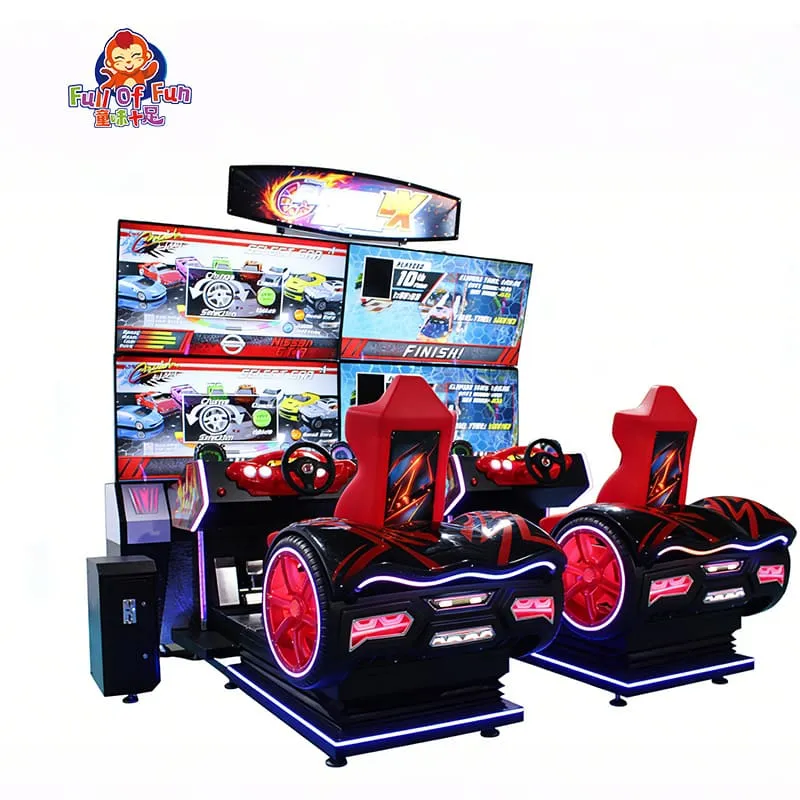
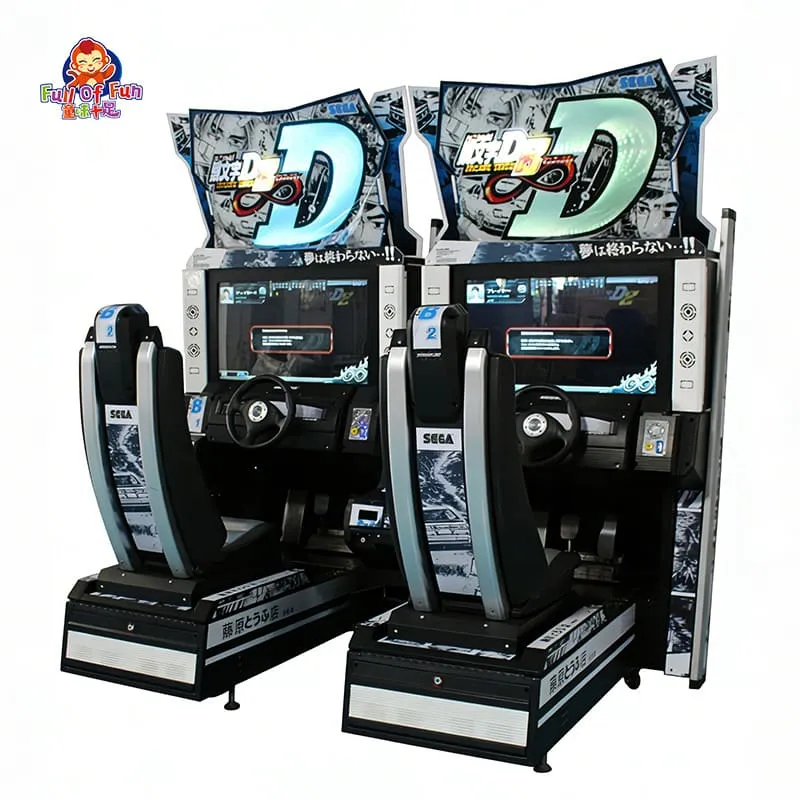
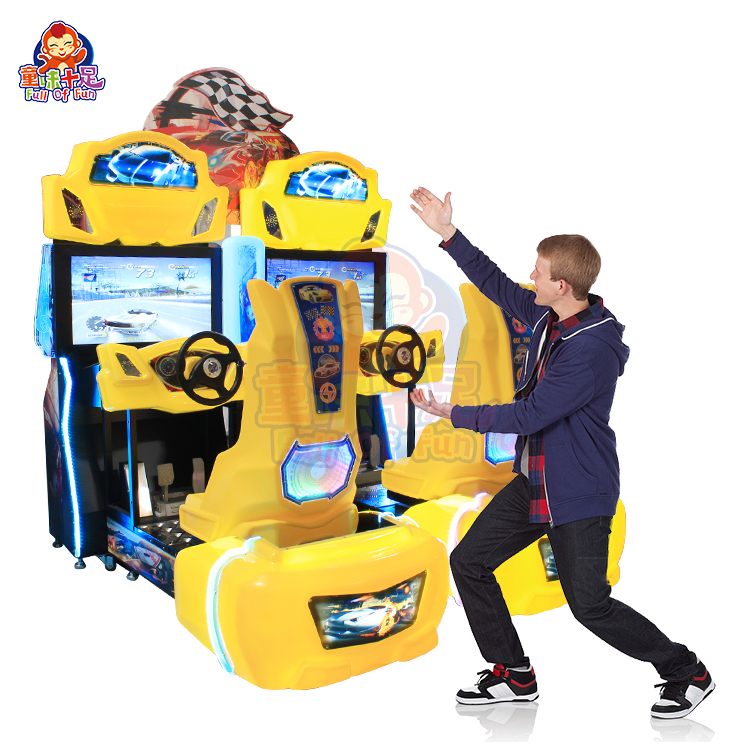
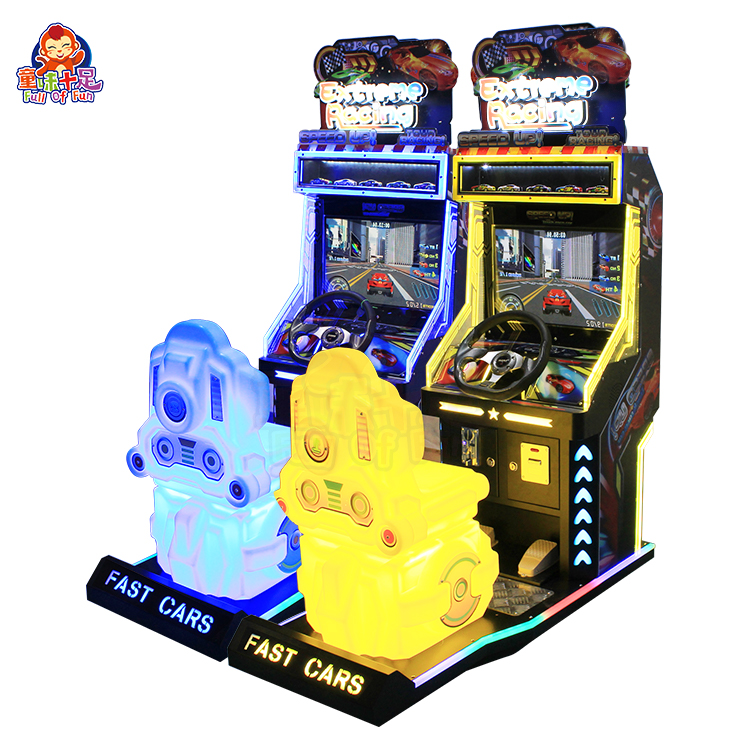
(2) Multiplayer Racing Machine
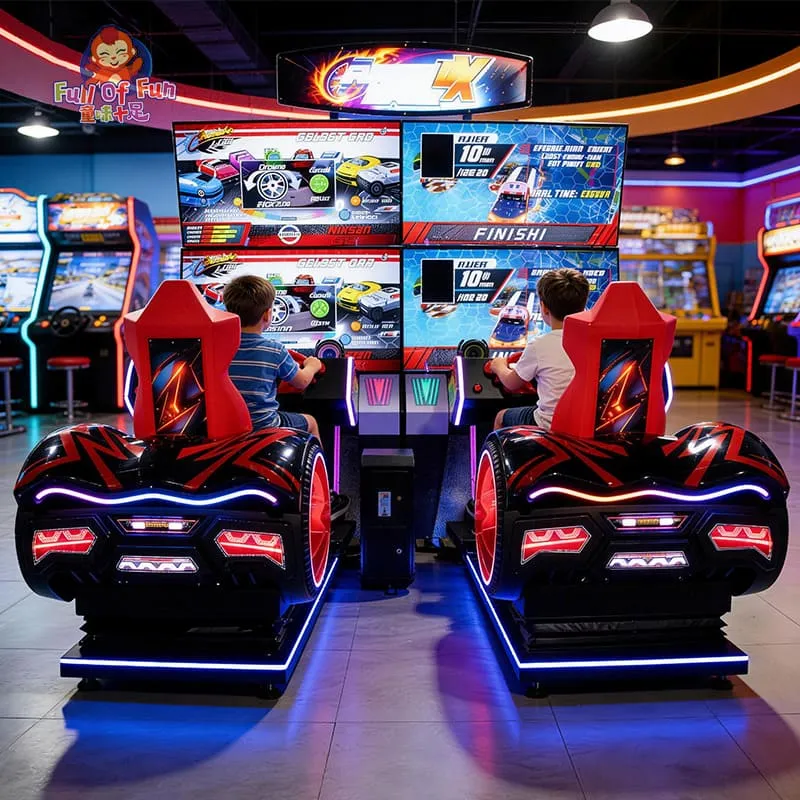
Compared to single-player units, multiplayer racing machines emphasize competitive gameplay. Players can compete in real-time, which significantly enhances engagement and entertainment value.
In actual operations, these machines tend to have higher utilization rates. Players are more likely to invite friends to join, creating additional traffic and increasing revenue potential.
Core Advantages:
- Strong interactivity, increases dwell time
- Encourages repeat play and group participation
- Stable revenue, often a core profit generator
For most medium to large venues, multiplayer racing machines are essential.
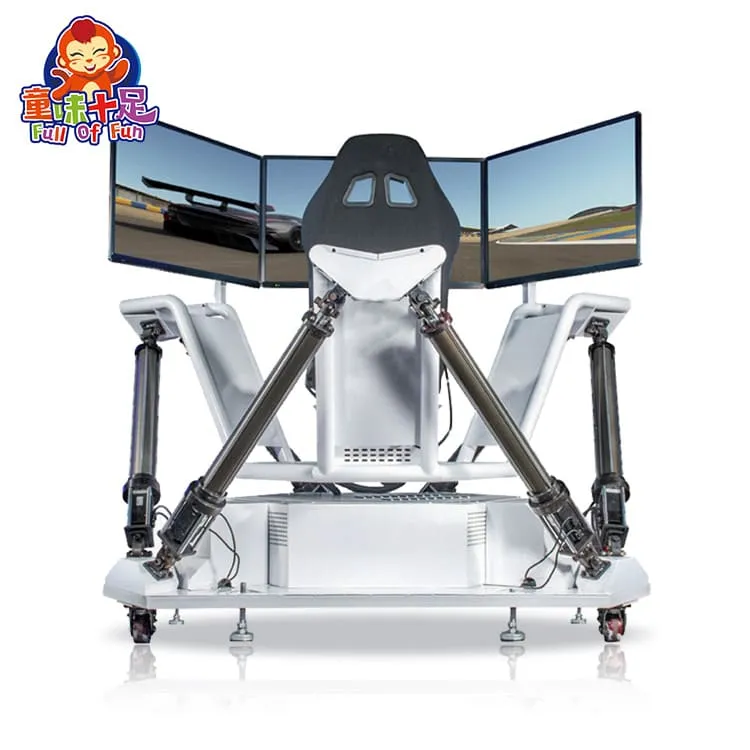
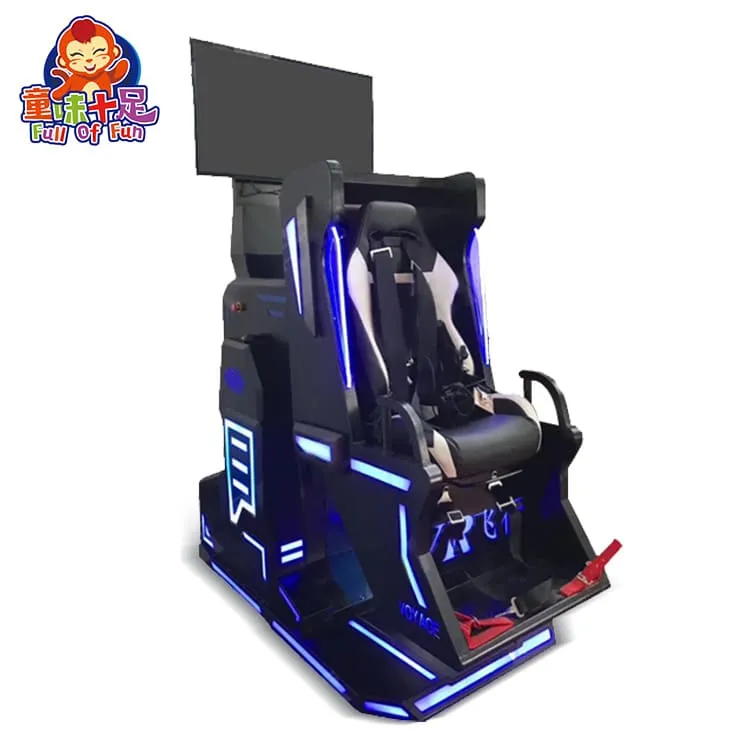
(3) Motion Racing Machine
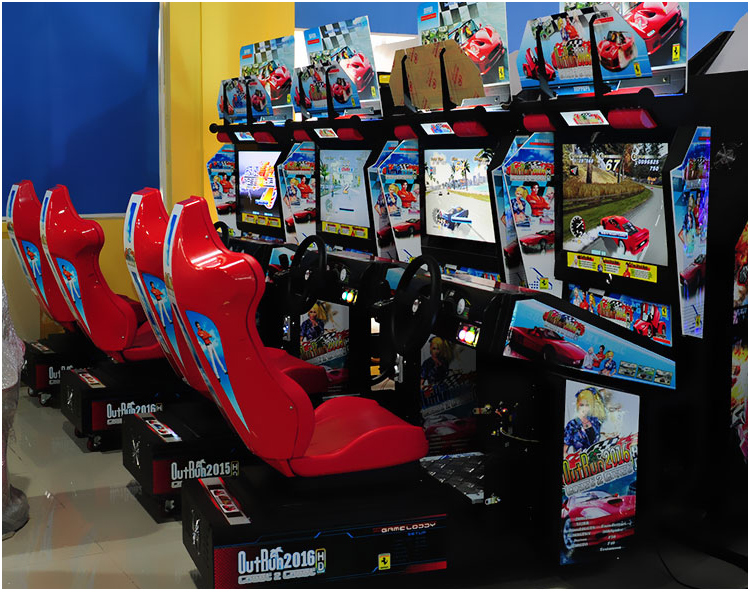
Motion racing machines are upgraded versions of traditional racing machines, featuring dynamic motion seats. The seat moves in sync with the game (forward/backward, left/right), greatly enhancing immersion.
This “physical involvement” creates a more realistic driving sensation, allowing operators to set higher pricing per play.
However, these machines require higher standards in terms of space, power supply, and maintenance, making them more suitable for experienced operators.
Key Features:
- Highly immersive and differentiated experience
- Higher price per play
- Ideal for premium entertainment zones
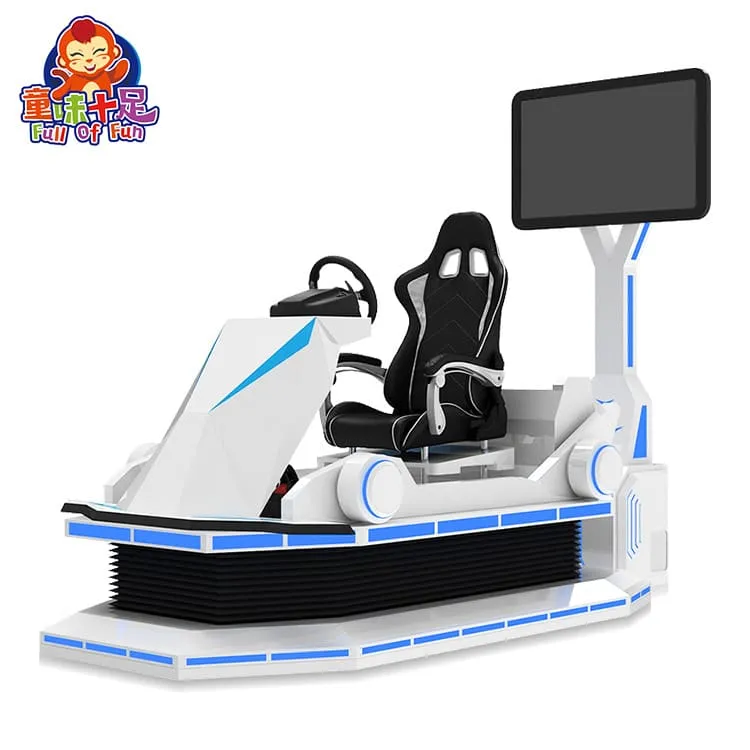
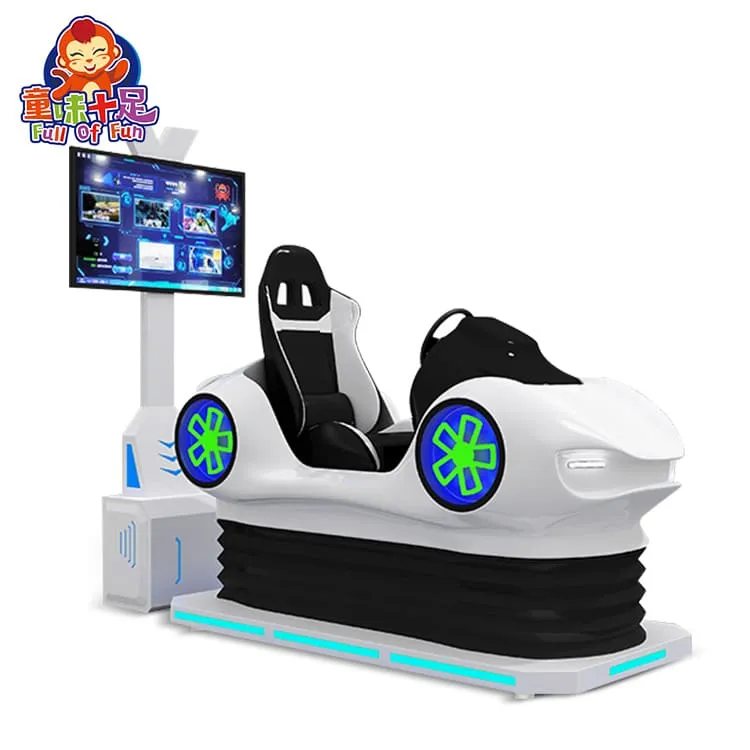
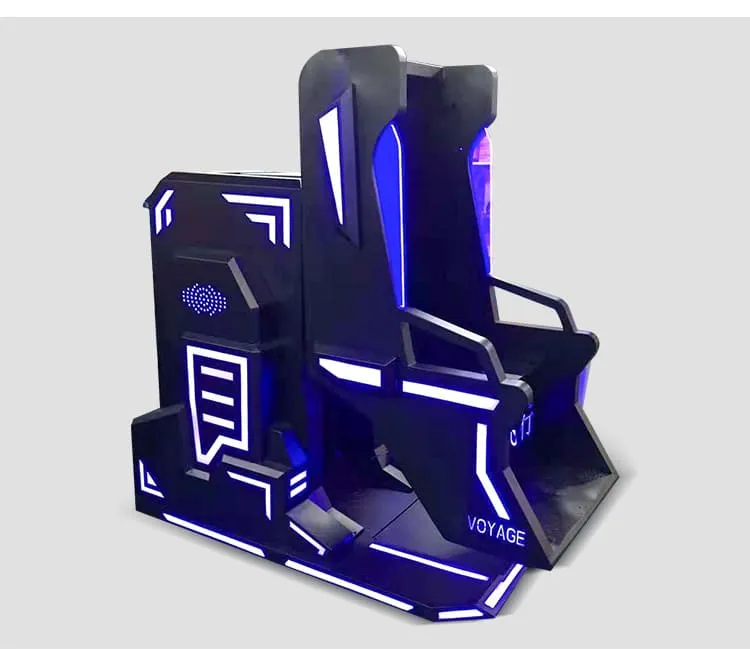
(4) VR Racing Machine
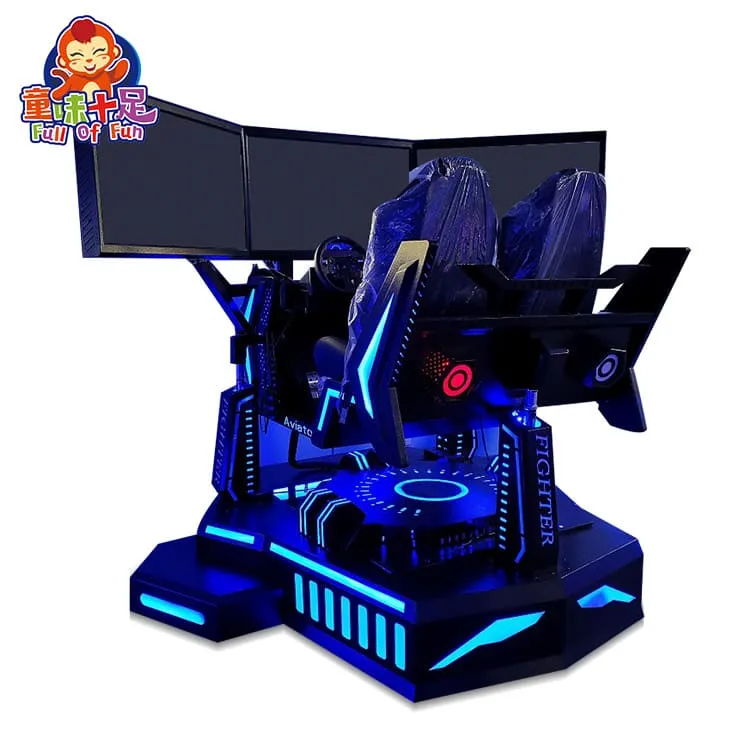
VR racing machines represent the cutting edge of racing entertainment technology. Through virtual reality systems, players are fully immersed in a digital racing environment, achieving both visual and spatial immersion.
These machines are highly effective at attracting new customers and are ideal for creating a “featured experience zone.” However, they also come with higher costs and operational complexity.
Advantages & Challenges:
Advantages:
- Strong technological appeal
- High differentiation, enhances brand positioning
Challenges:
- Higher equipment cost
- More demanding maintenance
- Requires stronger operational capabilities
Best suited for upgrading venue positioning, rather than relying solely on ROI.
How to Choose the Right Racing Machine?
In practice, many investors focus too much on price. However, the real determining factor of success is how well the equipment matches the venue and target audience.
Step 1: Decide Based on Your Venue
Your venue is the starting point for all decisions.
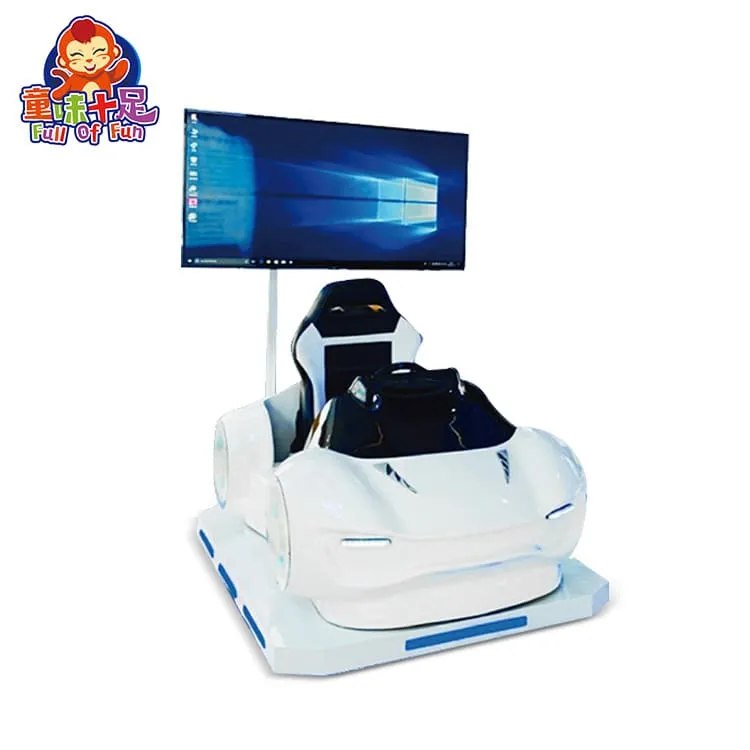
- Small venues: prioritize compact or single-player machines
- Medium arcades: focus on multiplayer machines
- High-end entertainment centers: introduce motion or VR machines
The larger and more premium the venue, the higher the demand for immersive experiences.
Step 2: Balance Budget and ROI
Budget is only the starting point. The key is return on investment.
Typical price ranges:
- Single-player: $1500 – $3000
- Multiplayer: $3000 – $8000
- Motion racing: $8000+
- VR racing: $10000+
Higher-priced machines do not necessarily mean higher risk. Machines with strong attraction and high replay value often generate faster returns.
Step 3: Match Your Target Users
Different user groups have different preferences:
- Children: simple gameplay and visual appeal
- Teenagers: competitive gameplay
- Adults: immersive experience
Machine selection is essentially about matching user demand.
Step 4: Evaluate ROI (Most Critical)
ROI is the core of any investment decision.
Key metrics include:
- Price per play (typically starting from $2, depending on location and machine type)
- Daily number of players
- Machine stability and uptime
In most commercial scenarios, racing machines are positioned as mid-to-high-end experience equipment, with pricing starting from $2 per play. Standard machines are typically priced at $2–$3, while motion and VR racing machines (usually the most expensive) can reach $3–$5 or higher.
Example:
If a machine is used by around 20 players per day:
- At $2/play → Daily revenue: $40 → Monthly revenue: ~$1,200
- At $3/play → Daily revenue: $60 → Monthly revenue: ~$1,800
This shows that pricing strategy and machine type directly impact revenue. With stable foot traffic, racing machines offer strong profitability. Typically, most machines achieve payback within 6–12 months, and in high-traffic locations, the ROI period can be even shorter.
Read more: Are Arcade Racing Games Profitable? A Complete 2026 ROI Analysis for Entertainment Venues
Step 5: Choose a Reliable Supplier
Equipment is a one-time purchase, but operations are long-term. Therefore, choosing the right supplier is critical.
A good supplier should be able to:
- Provide stable and reliable product quality
- Support OEM customization
- Offer continuous technical support and after-sales service
- Have solid export experience
A reliable supplier helps you avoid hidden costs in the long run.
Our Racing Machine Solutions
In our cooperation, we focus on helping clients build sustainable and profitable entertainment projects, rather than simply selling equipment.
At the product level, we offer a complete range of racing machines, including single-player, multiplayer, and motion systems. We also support customization of appearance and branding to help clients create distinctive venues.
At the solution level, we provide layout planning and machine combination recommendations based on your venue and target audience. We also assist in ROI analysis, allowing you to clearly understand profitability before investing.
For after-sales, we provide a 1-year warranty, 24/7 technical support, and remote maintenance services to ensure stable operation.
For overseas clients, we offer full support from shipping to installation, making it easy even for beginners to successfully launch their projects.
Our goal is not just to sell machines, but to help clients achieve long-term profitability.
FAQ
In practice, the most common concerns from clients revolve around investment, ROI, and maintenance.
Q1: Is it suitable for beginners?
Yes. It is recommended to start with single-player or multiplayer machines for lower risk.
Q2: How long is the ROI period?
Typically 6–12 months, depending on traffic and pricing strategy.
Q3: How much space is required?
Single: ~1.5㎡
Multiplayer: ~3㎡
Motion: ~4–6㎡
Q4: Is maintenance complicated?
No. It mainly involves hardware checks and basic software maintenance.
Q5: Can it be customized?
Yes. OEM customization is supported, including appearance, logo, and system interface.