
Quick Answer
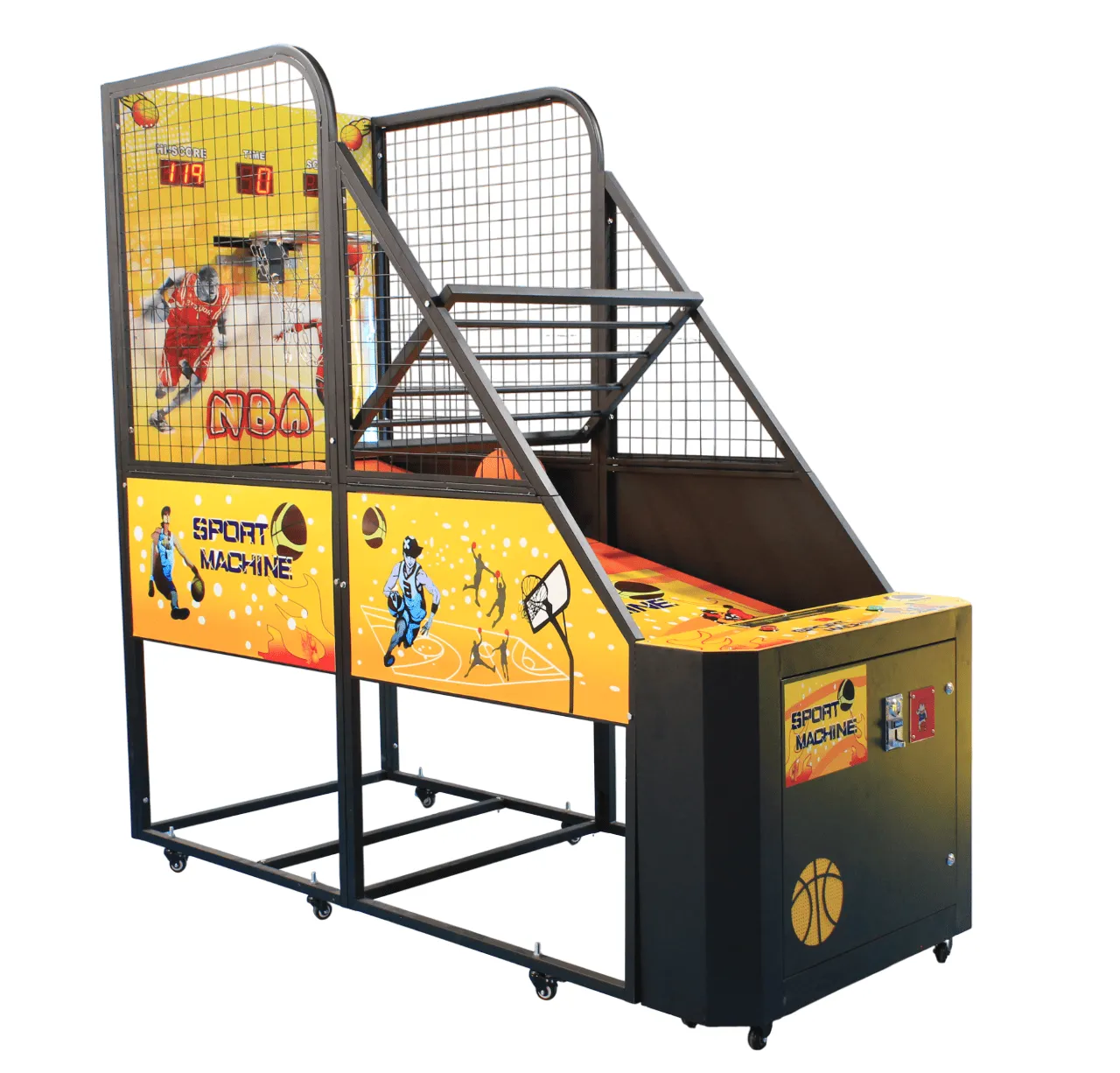
A commercial basketball arcade machine typically generates $15–$60 in average daily revenue, depending on foot traffic at the venue, per-game pricing ($1–$2), and where the machine is placed.
In high-traffic FEC (Family Entertainment Center) or bar settings, top-performing units can bring in $800–$2,000 per month, with a typical payback period of 2–15 months. Whether the investment is worthwhile depends less on the machine itself and more on foot traffic, maintenance costs, and operational management.
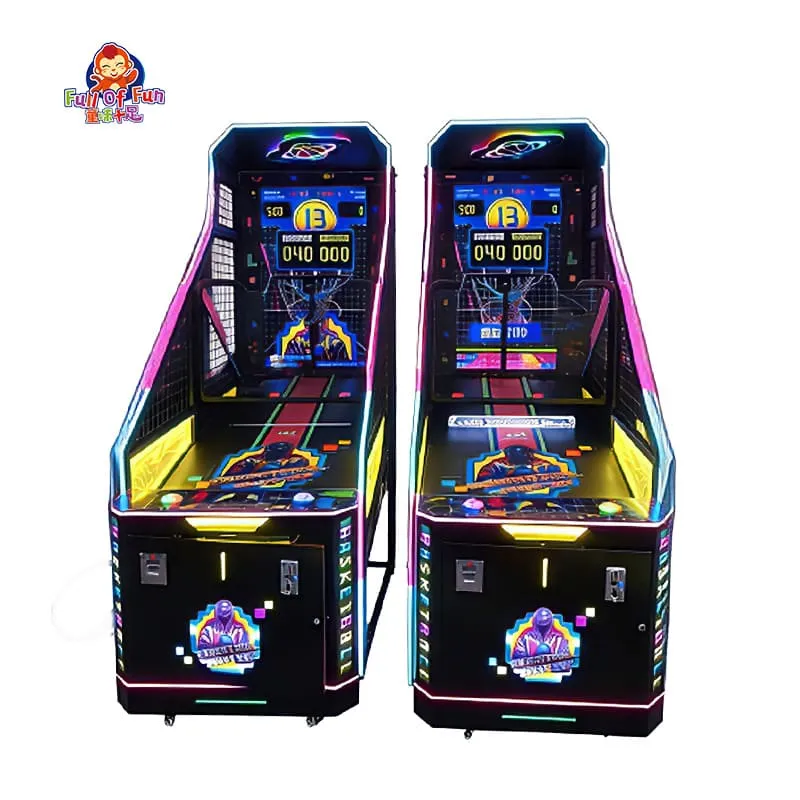
Basketball arcade machines are one of the investment categories most frequently considered by FEC operators, bar owners, and mall entertainment zone developers — moderate unit price, simple gameplay, and a high repeat-play rate.
But before placing an order, most buyers care about just one question: Can this machine actually pay for itself? This article provides an actionable analysis framework across four dimensions: revenue composition, cost structure, payback period, and venue-type differences.
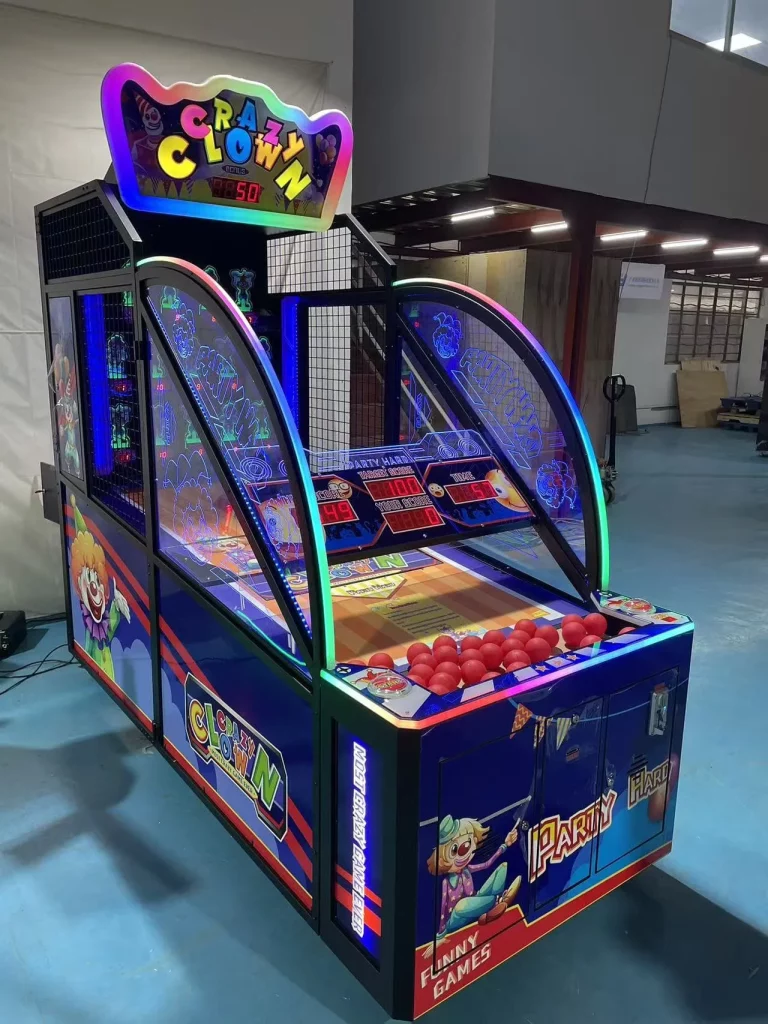
1. How Much Can a Basketball Machine Earn Per Day?
Daily revenue for a basketball machine is determined by three variables: average daily plays × price per game − share of free games.
Using a standard two-player competitive basketball machine as an example:
| Venue | Avg. Daily Plays | Price per Game | Avg. Daily Gross Revenue | Payback Period (based on $4,000 machine cost) |
|---|---|---|---|---|
| Mall entertainment zone (high foot traffic) | 40–80 plays | $1–2 | $40–160 | ~2.2–2.6 months |
| FEC (Family Entertainment Center) | 30–60 plays | $1.5–2 | $45–120 | ~2.7–3.1 months |
| Barcade (arcade bar) | 20–40 plays | $1–1.5 | $20–60 | ~5.5–6.4 months |
| Standalone shop/corner placement | 10–25 plays | $1 | $10–25 | ~12.6–14.7 months |
Calculation method: These figures use the midpoint of each scenario’s average daily gross revenue range, converted into monthly gross revenue assuming 26 operating days per month. After deducting operating costs such as prorated rent and routine maintenance, net revenue is assumed to be roughly 60%–70% of gross revenue. The payback period range is then obtained by dividing the $4,000 equipment cost by the monthly net revenue range.
It should be noted that the figures above are estimated reference ranges based on common industry patterns; actual performance can vary significantly due to regional spending levels, the number of competing venues, and holiday fluctuations. Revenue during peak season (summer vacation, holidays) is typically 30%–50% higher than in the off-season, which also speeds up the payback period accordingly.
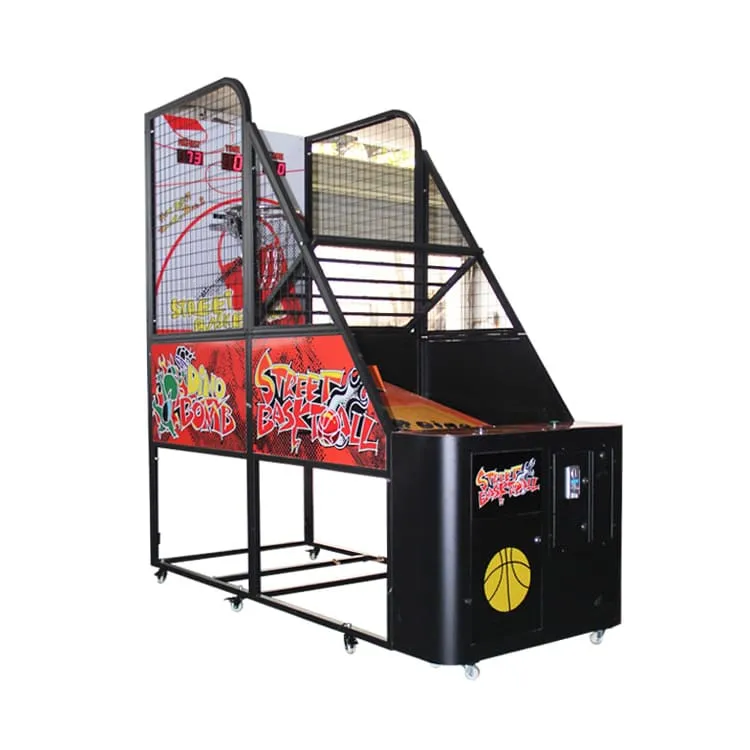
2. What Factors Affect a Basketball Machine’s Revenue?
1. Venue Foot Traffic and Target Customer Base
Foot traffic is the most direct variable, but how well the venue matches its target customer base matters just as much — venues aimed at teenagers and families typically see higher conversion rates for basketball machines than bar venues aimed purely at adults.
2. Equipment Placement
Entrances, main walkway sides, and queuing areas are prime locations. Machines placed in corners or blind spots often see utilization rates more than 40% lower than those in prime spots.
3. Pricing Strategy
Higher pricing is not always better. Most operators find that the $1.5–2 range strikes the balance between “high-frequency spending” and “per-play profit”; pricing too high significantly reduces the repeat-play rate.
4. Machine Type and Feature Configuration
The type and feature configuration of a basketball machine directly affects player experience and frequency of use, which in turn affects equipment revenue.
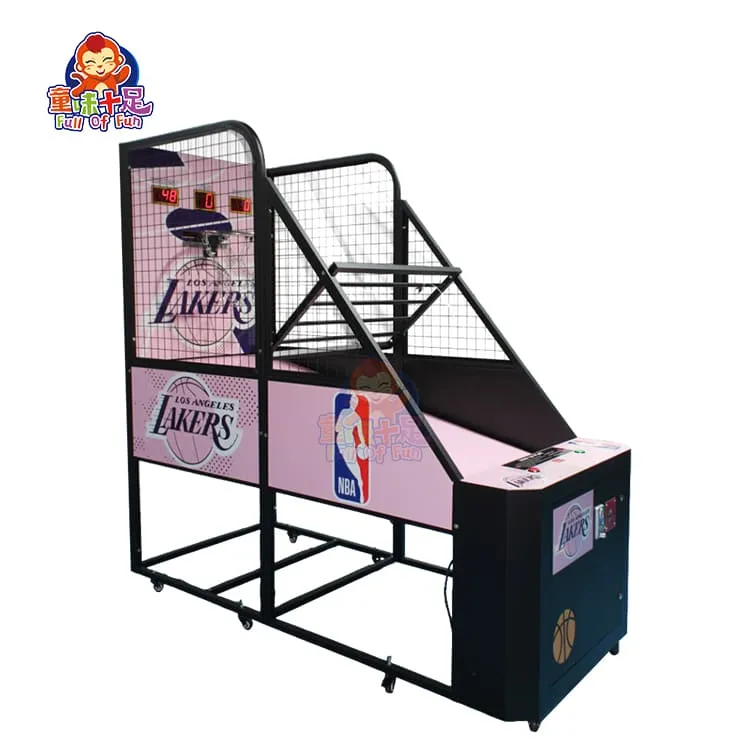
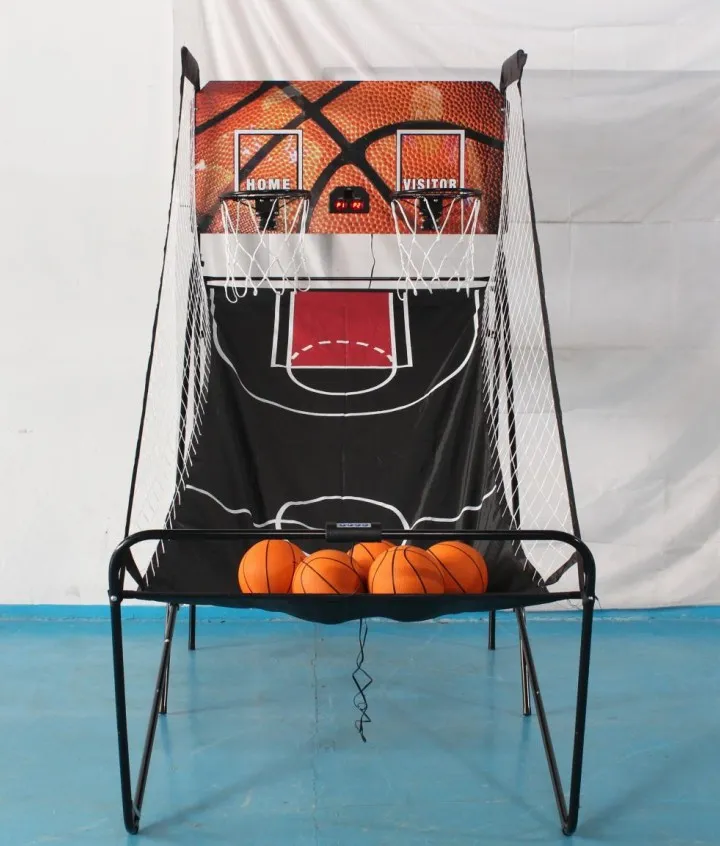
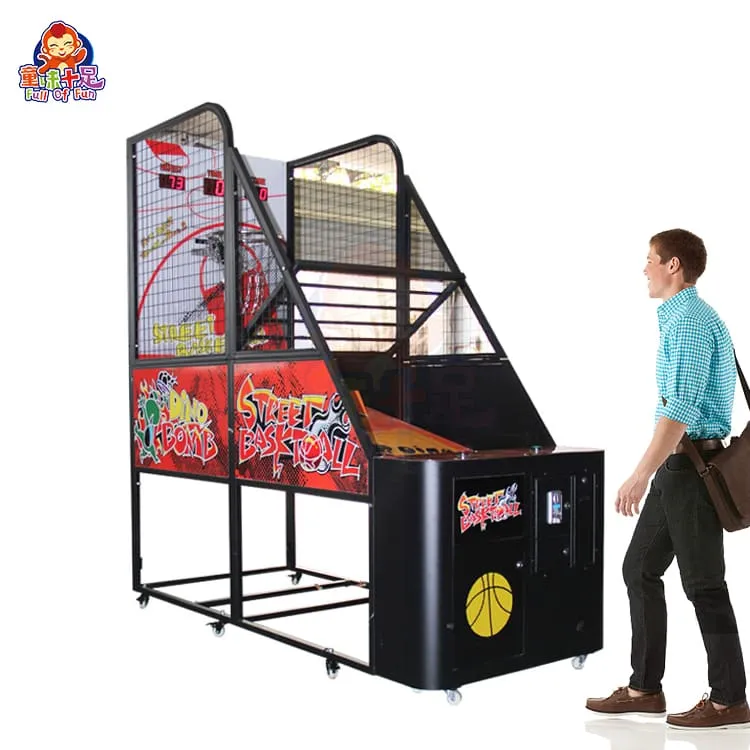
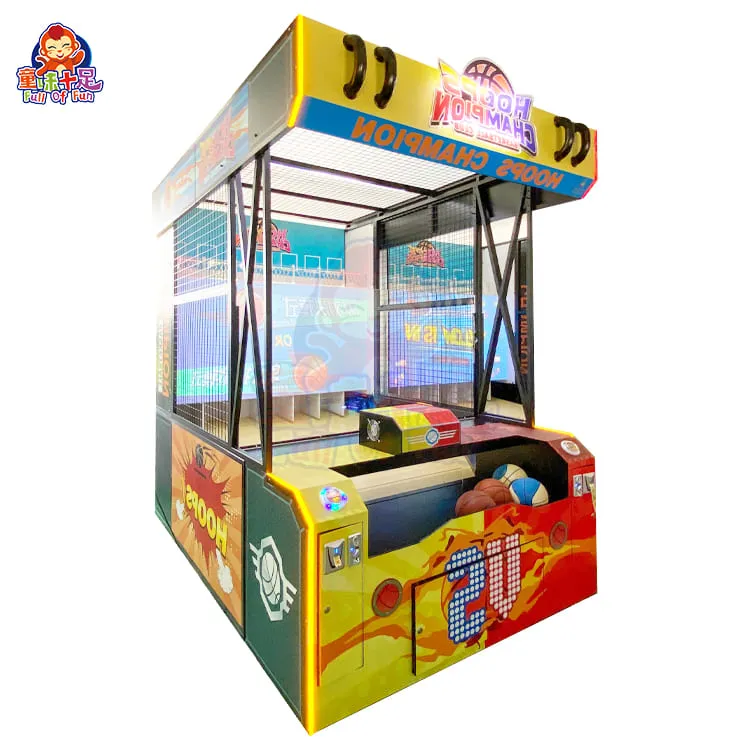
Basic basketball machines suit venues with limited budgets or smaller spaces, while two-player models and multi-function networked models offer stronger interactivity and competitive experiences that attract more repeat play.
5. Equipment Age and Maintenance Condition
Poor backboard rebound, scoring system malfunctions, and missing lighting/sound effects directly drive players away. The “playability experience” of the equipment is itself part of the revenue.
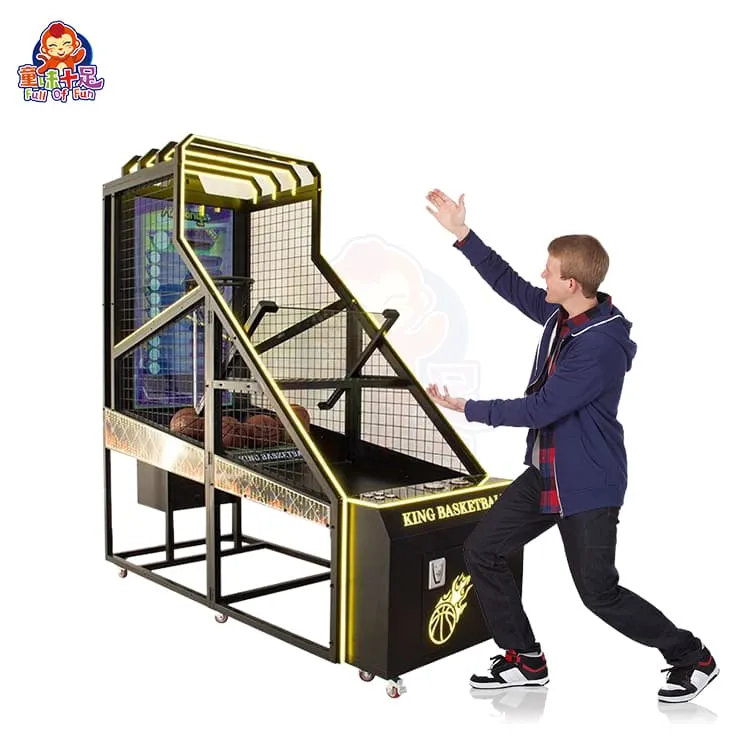
7. Seasonality and Holiday Fluctuations
During peak family travel periods such as summer and winter school holidays, and the Christmas/New Year season, both foot traffic and willingness to spend rise noticeably, whereas weekday daytime and back-to-school periods are traditionally slow seasons. Operators who stock up in advance, adjust staffing schedules, and plan promotions ahead of the peak season can amplify seasonal gains rather than passively absorb off-season fluctuations.
8. Density and Differentiation of Competing Equipment
If multiple basketball machines of the same type are placed at the same venue, or if there are multiple substitutable entertainment options nearby, usage of a single machine will be diluted. Conversely, if the basketball machine is one of the few “competitive head-to-head” game options at the venue, its scarcity will drive higher repeat-play intent.
9. Weather and External Environment (for FECs/Malls)
In regions and seasons where outdoor activity is uncomfortable (rainy season, extreme heat, or extreme cold), indoor FECs and mall entertainment zones tend to see a small surge in foot traffic, and basketball machines, as an indoor playable option, benefit indirectly as well.
10. Overall Venue Atmosphere, Lighting, and Sound Environment
A basketball machine rarely exists in isolation — the overall atmosphere of its surroundings (background music, lighting design, the combined effect with other arcade machines) affects how long customers linger and their willingness to spend. Venues with a strong atmosphere typically see higher per-machine revenue than venues with dim lighting and a cluttered layout.
11. Staff Guidance and Recommendations
Whether front-desk staff actively guide customers to try the machine, explain the scoring rules, or organize impromptu mini-competitions also affects usage rates — especially for first-time users, where simple guidance can significantly reduce the drop-off caused by “not knowing how to play.”
12. Membership Systems and Repeat-Visit Incentives
Venues that use membership points, multi-play cards, or stored-value cards tend to see more stable repeat-play frequency, because customers actively return to use up purchased plays or accumulate points, rather than relying solely on chance foot traffic.
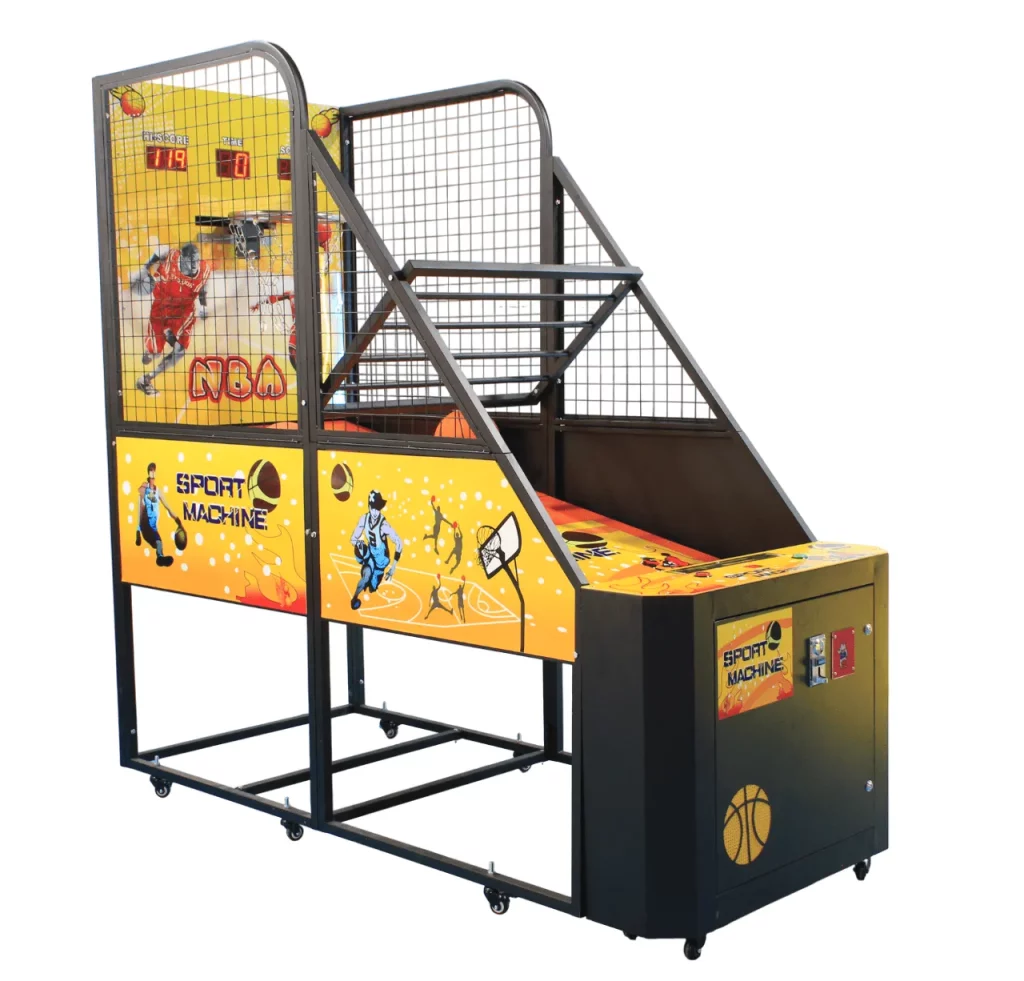
3. How Does Basketball Machine Revenue Differ Across Venue Types?
| Venue Type | Revenue Level | Main Drivers | Payback Period (based on $4,000 machine cost) |
|---|---|---|---|
| Large FEC (Family Entertainment Center) | High | Concentrated family traffic, package-ticket spending | ~2.4–2.9 months |
| Mall entertainment zone | Medium-high | High foot traffic, mostly impulse spending | ~2.2–2.6 months |
| Barcade / arcade bar | Medium | Linked to alcohol sales, adult nighttime spending | ~5.5–6.4 months |
| Bowling alley / skating rink attached area | Medium-low | Limited foot traffic but long dwell time | ~8.8–10.3 months |
| Independent small venue | Low | Lacks a foot-traffic base, relies on repeat regulars | ~12.6–14.7 months |
Note: These payback periods assume an equipment cost of $4,000, using the median of the average daily gross revenue for each venue type, with monthly net revenue calculated as 60%–70% of gross revenue.
This price point is close to the range between the “deluxe large-screen model” mentioned earlier ($1,600–2,600) and the “premium custom model” (about $5,700), so the actual payback speed will be slower than for the standard entry-level model ($550–1,000) — but in exchange, operators typically get stronger visual appeal, richer game modes, and a longer equipment lifespan, which is why many operators are willing to pay more for mid-to-high-end models. If your actual purchase price differs, you can simply replace “$4,000” with your own real quote and recalculate the numbers in the table above.
One notable phenomenon: in Barcade settings, basketball machines are often not a standalone profit unit, but part of a combined “traffic driver + alcohol sales booster” strategy. Many bar operators report that after introducing competitive arcade games like basketball machines, customer dwell time and alcohol spending both increase to some degree — which is why more and more bars are willing to pay for equipment with a “lower direct return rate.”

🏢 How Does Basketball Machine Revenue Differ Across Venues?
Venue selection is the “first law” that determines whether game equipment thrives or fails. Below is a venue revenue comparison compiled by the Full of Fun operations team based on feedback from different retail locations worldwide:
1. Large Family Entertainment Centers (FEC) — Steady, High-Yield Cash Cows
In large FECs over 2,000 sq. m, basketball machines usually appear in an “array” format (4–8 units in a row). Since these are destination-style consumption venues, foot traffic is precisely targeted and dwell time is long.
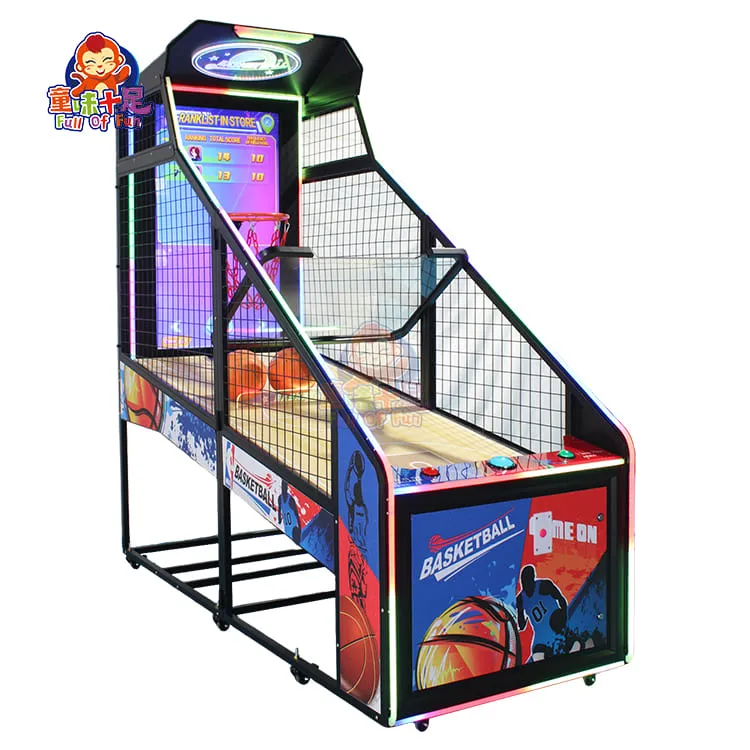
Success Case A (an FEC venue in Dallas, USA): In May 2025, this venue purchased 6 networked, tournament-capable commercial basketball machines from Full of Fun. They were placed in the transition zone between the dining area and the main arcade zone, and connected to the local ticket-redemption system.
Operating performance: Average monthly revenue per machine reached $2,450. During the Thanksgiving and Christmas season, the 6 machines together generated $1,800 in combined revenue on a single Saturday.
Investment outcome: Including shipping and tariffs, this batch of equipment fully recovered its hardware purchase cost within 4.2 months of operation.
2. Barcades and Traditional Pubs — A High-Spend Social Tool
Beyond having a drink, today’s young people crave social interaction with a light competitive edge. Basketball machines fit this social need perfectly.
Success Case B (a Barcade in London, UK): A retro-arcade-themed pub squeezed 2 non-ticket, pure-entertainment basketball machines next to a corner staircase, priced at £2.00 per game.
Operating performance: Although daytime activation was nearly zero, every Friday and Saturday after 9pm there were long queues for the machines. The two machines together generated a steady £3,200 in monthly cash flow.
Added value: The bar owner reported that after introducing a basketball machine challenge event, sales of craft beer and non-alcoholic cocktails in the venue rose by 18%, achieving a perfect synergy between the equipment and food & beverage sales.
4. What Are the Operating Costs of a Basketball Machine?
Many buyers only look at the equipment purchase price, while overlooking the full Total Cost of Ownership.
| Cost Category | Description | Reference Range |
|---|---|---|
| Equipment purchase cost | One-time expense, including shipping and installation | Varies significantly by model and import method |
| Prorated venue rent | Monthly cost allocated based on floor space | Depends on local commercial rent |
| Power consumption | Lighting, sound, scoring system | Low, generally negligible |
| Routine maintenance | Ball refills, cleaning, minor repairs | Small monthly expense |
| Major repairs / part replacement | Backboard, sensors, coin mechanism, etc. | One-time expense every 1–2 years |
| Networked system service fee (if applicable) | Some brands require a subscription for networked scoring | Depends on supplier policy |
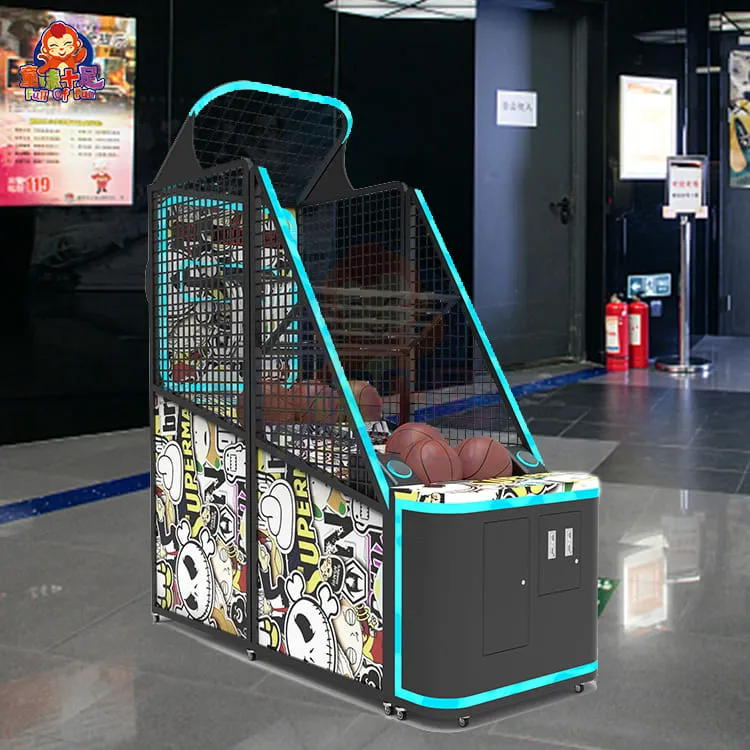
One often-underestimated cost is downtime loss. If a machine stays broken for a long time due to slow after-sales response, the loss isn’t just the repair cost — it’s the ongoing revenue the machine would have generated during that period. This is why factory-direct sales channels often emphasize “localized after-sales response speed” as a core selling point — differences in equipment quality ultimately show up in failure rate and downtime, not in a few hundred dollars of difference in purchase price.
5. How Long Does It Take to Recover the Investment in a Basketball Machine? (Real Industry Data Reference)
The logic for calculating the payback period is simple:
Payback period = total equipment investment ÷ average monthly net revenue
Combining public data from multiple industry sources, we can piece together a relatively complete, realistic reference range:
1. Equipment Purchase Cost (by Model Tier)
According to industry pricing guides, the purchase cost of basketball machines varies significantly by configuration:
| Model Tier | Price Range (USD) | Typical Use Case |
|---|---|---|
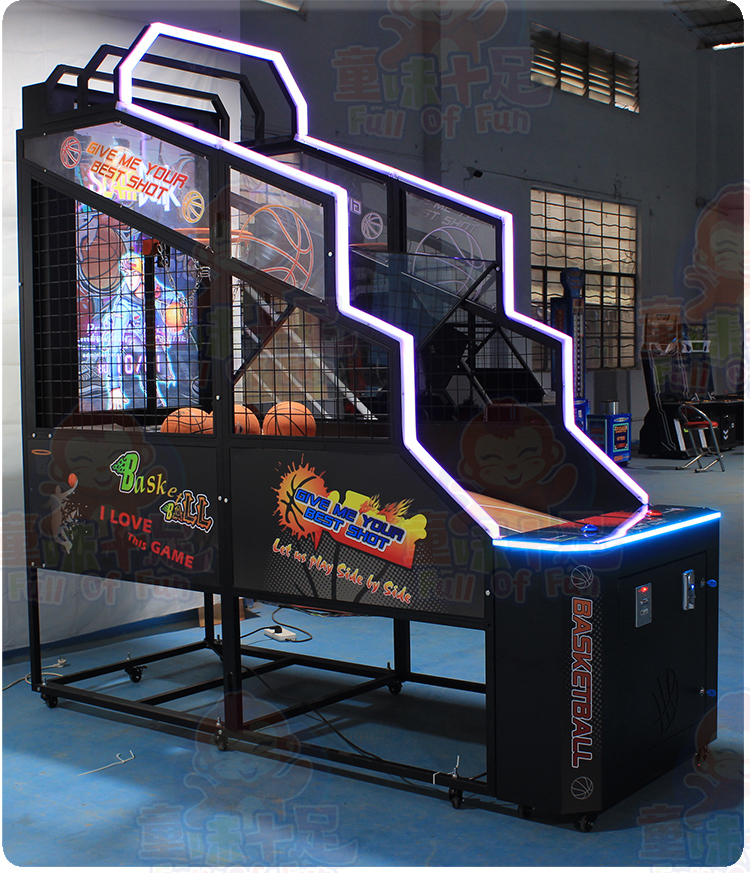
| Standard/entry-level (metal-frame structure, basic LED scoring) | $550–1,000 | Arcades, school activity rooms, small entertainment venues |
| Deluxe large-screen model (HD large screen, multiple game modes, upgraded lighting/sound) | $1,600–2,600 | Large mall entertainment zones, indoor amusement parks |
| Premium custom model (e.g., HOOPS/Connect 4-linked models) | ~$5,700 | High-end venues, differentiated long-term operations |
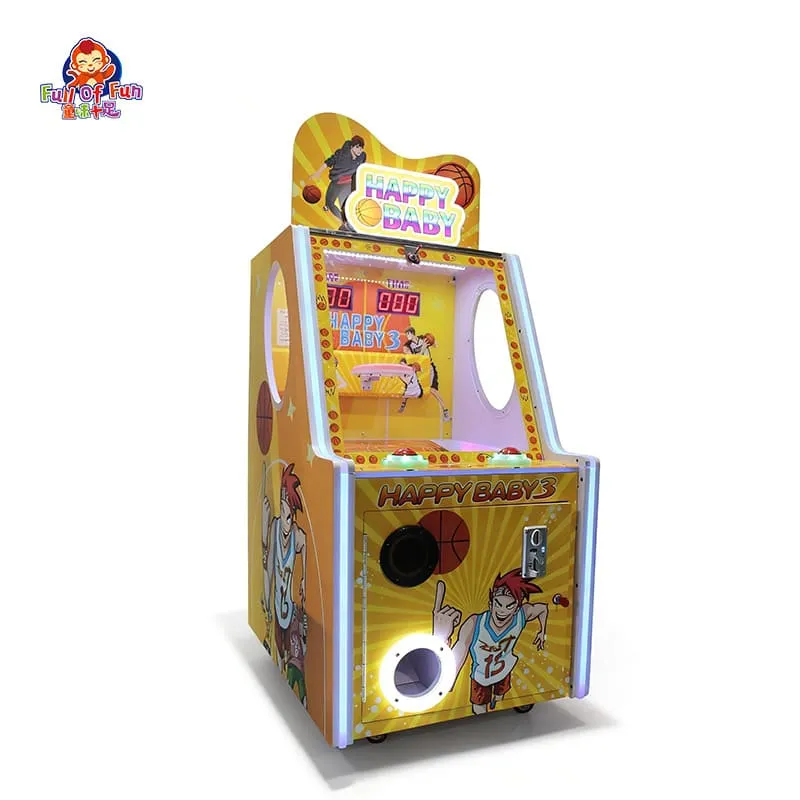
| Kids’ model | $500–1,000 | Children’s entertainment zones |
(Data source: our factory’s basketball machine pricing guide)
2. Weekly/Monthly Revenue Level (by Venue Traffic Tier)
Another industry analysis targeting FEC operators provides weekly revenue ranges broken down by foot-traffic tier: venues with medium foot traffic see approximately $200–500 in weekly revenue per machine, while high-traffic prime locations can reach $600–1,000 or more.
3. Combined Calculation Example
Take the combination of a “standard model (about $800) + medium-traffic venue (weekly revenue around $350 median)” as an example:
- Monthly gross revenue ≈ $350 × 4.3 weeks ≈ $1,500
- After deducting prorated rent, maintenance, and other operating costs, monthly net revenue is typically 60%–70% of gross revenue, or about $900–1,050
- Based on this, the standard model’s payback period could be as short as 1–2 months
If instead using a “deluxe large-screen model (about $2,000) + medium traffic” combination, with a similar net revenue level, the payback period would correspondingly extend to around 2–3 months.
However, it should be specially noted that:
Different industry sources do not fully agree on the overall payback period conclusion — some model pricing guides, based on the calculation above, arrive at an optimistic conclusion of “payback within a few months”;
while another industry analysis targeting FEC operators places the typical payback period for competitive arcade games like basketball machines at 8–18 months; and a more conservative, general arcade-industry guide places the industry-average payback period for equipment overall (not limited to basketball machines) at 12–24 months.
This discrepancy usually stems from differing accounting scopes: whether labor costs, venue rent, equipment maintenance, and seasonal fluctuations have been deducted is the core reason for the huge gap between conclusions of “a few months” and “over a year.” A key variable mentioned across multiple sources is spare-parts supply speed — operators who can obtain wear-and-tear parts like sensors and LED boards within 48 hours tend to have a noticeably shorter actual payback period than those who rely on waiting for parts from overseas; for the same model, the payback period can differ by nearly double between the two supply-chain conditions (e.g., 8 months vs. 14 months).
Practical advice: Rather than applying any single source’s “standard payback period,” it’s better to use this article’s formula with your own venue’s actual equipment purchase price + measured weekly revenue data (tracked over 4–8 weeks after launch, recommended) to arrive at a payback period that truly applies to your venue — this is far more useful than an industry average.
6. How to Increase Basketball Machine Revenue
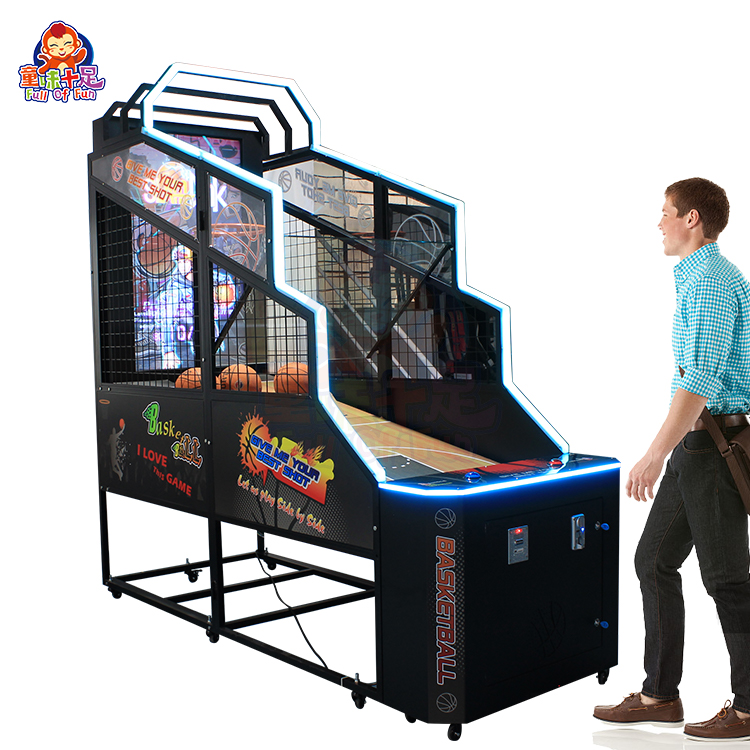
- Optimize placement: Regularly evaluate usage data for each machine, and move underperforming machines to areas with more concentrated foot traffic.
- Introduce networked leaderboards and events: Regularly hold small tournaments or “weekly champion” events, which can significantly boost repeat play and word-of-mouth.
- Combo/package ticket strategy: Include the basketball machine in an “all-you-can-play” package to raise overall spend per customer rather than focusing on single-machine revenue.
- Data-driven pricing tests: Test different pricing on a small scale to see its effect on play frequency, and find the optimal price point for your local venue.
- Maintain playability: Regularly check backboard sensitivity, sound, and lighting to avoid losing repeat customers due to a declining experience.
- Tie in venue-themed marketing: For example, seasonal decorations and holiday-themed events can drive short-term traffic spikes.
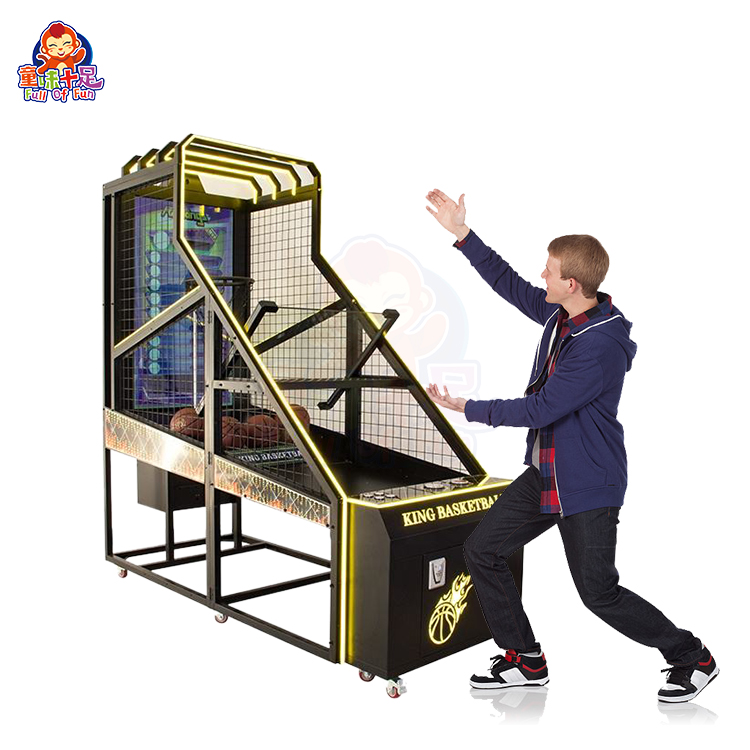
7. Is a Basketball Machine Worth Investing In?
Overall, whether a basketball machine is worth investing in depends on whether three preconditions are met:
- Does the venue have a stable foot-traffic base (whether natural traffic or the venue’s own built-in customer base)?
- Is there the ability to maintain the equipment’s long-term playability (i.e., after-sales response and maintenance system)?
- Do the pricing and package strategy match the target customer base?
If all three are satisfied, basketball machines generally fall into the category of a low-to-medium risk, medium-return-period entertainment equipment investment — particularly suitable for FECs and mall entertainment zones that already have stable foot traffic. For independent small venues with a weak foot-traffic base and limited maintenance capability, it’s advisable to run a small-scale pilot to validate the data before deciding whether to expand the investment.
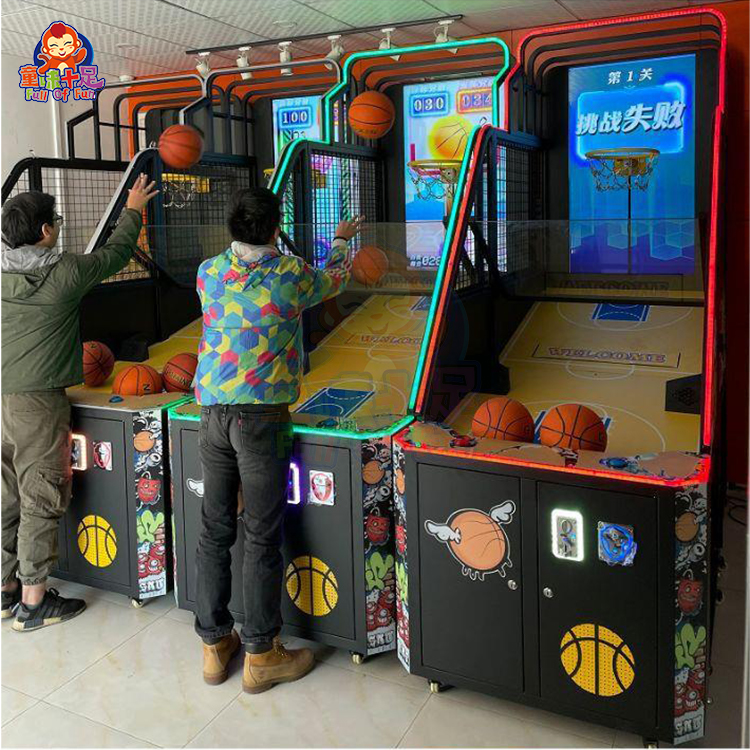
Frequently Asked Questions (FAQ)
1. How much does a basketball machine typically cost to purchase?
Prices for commercial basketball machines on the market vary widely, mainly influenced by size, whether it has networked scoring, materials, and import channel. It’s recommended to request detailed quotes from multiple suppliers and compare warranty terms, rather than looking at price alone.
2. What is the typical payback period for a basketball machine?
At venues with stable foot traffic, the common payback period is between 2–6 months; venues with weaker foot traffic may need 15 months or more. This should be calculated based on your own venue’s data.
3. What routine maintenance does a basketball machine require?
This mainly includes ball refills and cleaning, checking the sensors and scoring system, regular testing of the coin/QR-code payment system, and calibrating backboard sensitivity.
4. What should be considered when importing a basketball machine?
Pay attention to voltage compatibility, customs clearance procedures, spare-parts supply lead time, and whether the supplier offers localized after-sales support — all of these directly affect the equipment’s long-term availability.
5. What types of venues are suitable for a basketball machine?
FECs, mall entertainment zones, bowling alleys, Barcades, and other venues with stable or periodic foot traffic are generally suitable; low-traffic settings such as pure office-building lobbies should be evaluated carefully.
6. Is a low-priced basketball machine worth buying?
Using purchase price alone as the decision criterion carries risk. High failure rates and slow after-sales response lead to higher hidden costs (downtime loss, repair expenses); it’s recommended to evaluate the total cost of ownership comprehensively rather than just the initial purchase price.
Conclusion
A basketball machine’s profitability isn’t determined by the equipment alone — it’s the combined result of “venue foot traffic × pricing strategy × operational management × equipment reliability.” Before making a purchasing decision, operators should first clarify their venue’s foot-traffic base and target customer group, then use the framework above to calculate their own payback period, rather than directly applying industry-average figures.
The data ranges in this article are estimated references based on common industry patterns and do not constitute a specific investment commitment. Actual performance should be based on your own venue’s operating data.