
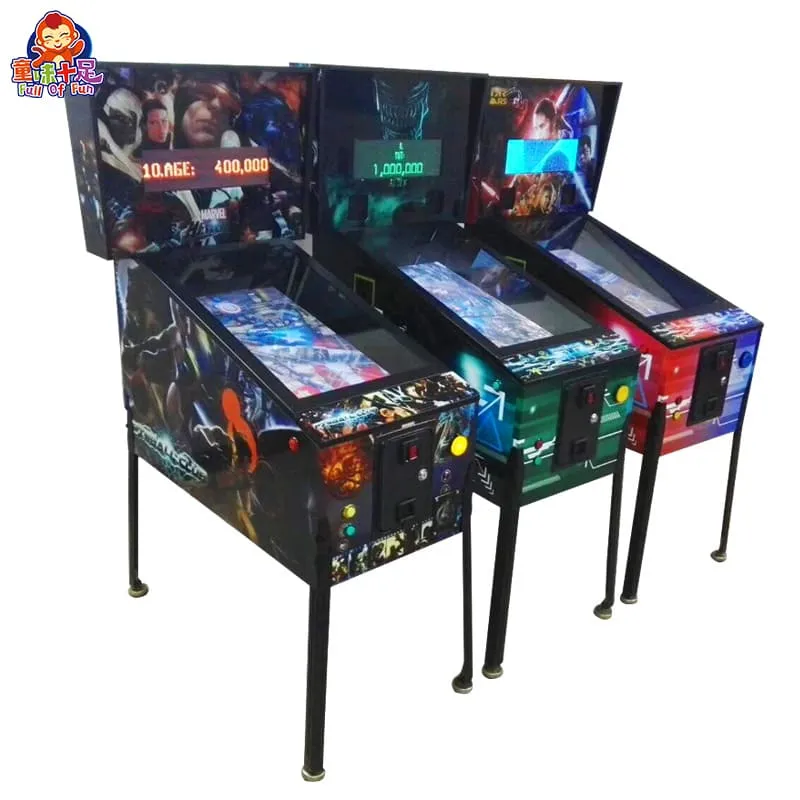

① Quick Answer
The core steps to starting a paper pull tab business are: first, confirm local gaming regulations and operating qualifications; then, choose a business model such as “retail, distribution, custom production, or Pull Tab Machines operation.” Next, purchase pull tabs or reliable pull tab vending equipment that comply with local regulatory requirements, establish a comprehensive inventory, sales, and financial management system, and set up standardized operational management processes.
Because the prize structure and payout scheme of each batch of pull tabs can be predetermined, operators can accurately evaluate the gross profit margin and expected earnings before sales begin.
② Quick Overview of Core Steps
- Step 1: Confirm local pull tab operating qualifications (in most regions, they are regulated as gaming products).
- Step 2: Determine your business model (Retail / Distribution / Custom Production / Pull Tab Machines Operation).
- Step 3: Select a pull tab supplier, and determine the ticket design, prize settings, and payout structure based on your target customers and budget.
- Step 4: Calculate fixed gross profit and real net profit margins.
- Step 5: Arrange sales channels and in-store displays, or deploy Pull Tab Machines for multi-location operations.
- Step 6: Establish mechanisms for sales recording and compliance audit tracking.
③ What is a Paper Pull Tab?
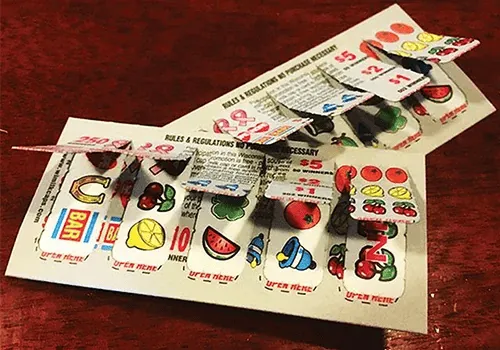
Paper pull tabs (also known as break-opens, instant tickets, or tear-offs) are a long-standing paper-based gaming/entertainment product. They are widely used in the United States and other regions at Barcades, Family Entertainment Centers (FECs), Veterans of Foreign Wars (VFW) posts, church fundraising events, and various entertainment venues.
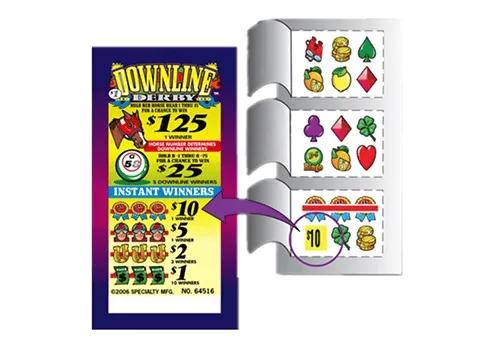
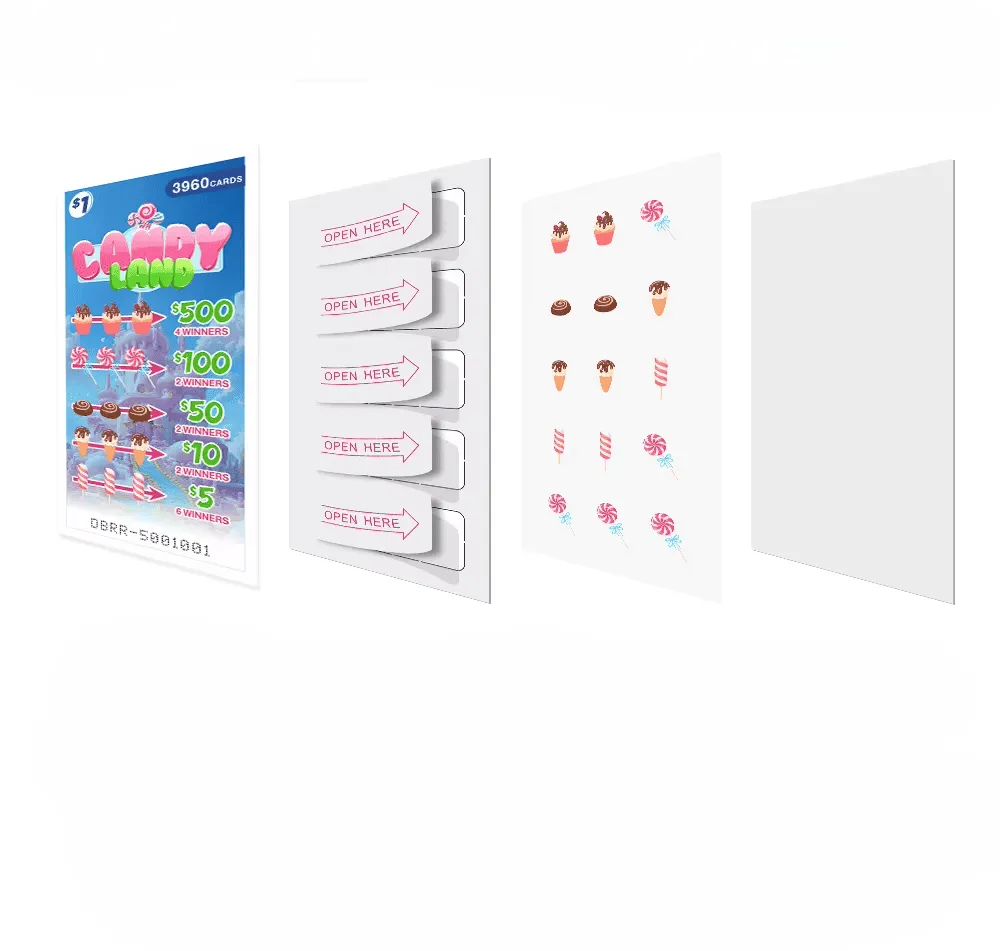
A typical pull tab usually consists of three parts:
- Serial No. Side (Non-pull side): Printed with a serial number, used for inventory management and result verification. It does not display patterns to the public.
- Pull Tab Side: The side that consumers actually “pull open.” Each ticket has several small perforated windows that can be peeled back.
- Instant Winning Reference Card (Flare Card): Posted at the point of sale or display rack, allowing consumers to check icon combinations in advance to determine if they have won.
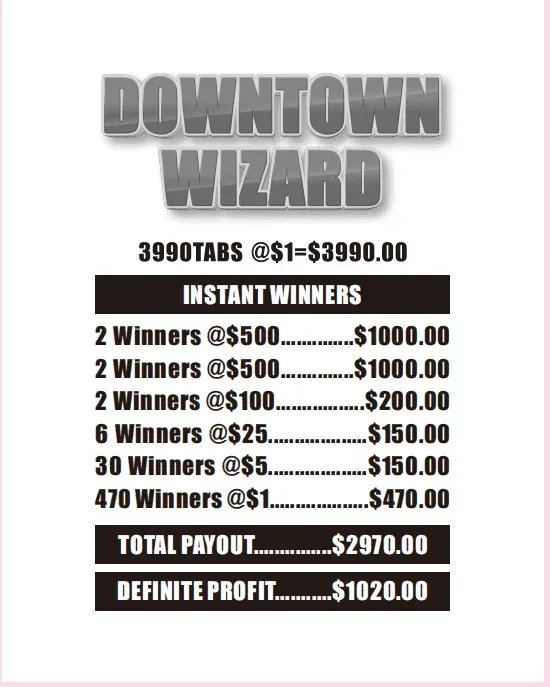
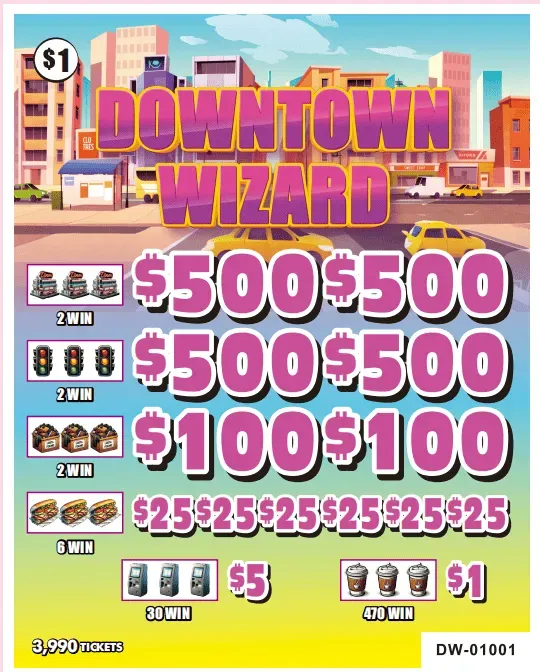
Take our sample ticket as an example: its specifications are 48×96mm, with a total of 3,990 tickets comprising one full box (Deal). It features multiple prize tiers such as $500, $100, $25, $5, and $1. It pairs winning icons (like buses, traffic lights, shops, arcade machines, coffee cups, beer mugs) with non-winning icons (like the Eiffel Tower, gas pumps, sandwiches). Winning or losing is determined by the icon combinations—this is the most classic logic of pull tabs.
④ How Pull Tabs Make Money (Profit Model)
The core business model of pull tabs lies in the “fixed payout structure of the entire deal.” Using the sample data as an example:
| Item | Value |
|---|---|
| Total Tickets | 3,990 tickets |
| Unit Price | $1 / ticket |
| Total Sales | $3,990 |
| $500 Winners (2 persons) | $1,000 |
| $100 Winners (2 persons) | $200 |
| $25 Winners (6 persons) | $150 |
| $5 Winners (30 persons) | $150 |
| $1 Winners (470 persons) | $470 |
| Total Payout | $2,970 |
| Fixed Gross Profit | $1,020 |
This means that as long as a full deal of tickets is completely sold out, the operator’s gross profit is locked in advance and can be precisely calculated (in this example, it’s about 25.6% of total sales). This “deterministic profit” is the greatest commercial appeal of pull tabs compared to volatile revenue products like slot machines or sports betting—making it especially suitable for small venues that require stable cash flow.
Phase Summary: The profitability logic of pull tabs does not rely on probability or luck, but on achieving deterministic gross profit through the “pre-locked payout structure of a full deal.” The next question is—who is actually running this business, and how is it implemented?
⑤ Who is in this Business (Typical Operating Scenarios)
- FECs (Family Entertainment Centers): Used as a low-cost, incremental revenue project alongside redemption machines and claw machines.
- Barcades / Bars: Pull tabs are often linked with drinking consumption. There are many industry cases where “adding pull tabs drove up beverage sales.”
- Veterans Associations & Charities: In many U.S. states, pull tabs are a legally permitted fundraising method for charitable organizations.
- Convenience Stores & Gas Stations (in certain areas): As a supplement to their gaming retail product lines.
- Upstream Supply Chain: Amusement equipment/gaming supply factories (such as ticket printing plants) supplying distributors and venues directly with custom-themed tickets.
- Machine Route Operators: Using Pull Tab Machines as carriers to deploy in multiple venues, collaborating with venues on a revenue-sharing model. They earn scaled profits through the number of locations and restocking efficiency. This is the primary format for the pull tab business evolving toward “asset-light franchising.”
⑥ Specific Steps to Start This Business
Step 1: Confirm Local Regulations
This is the most critical and easily overlooked step. Pull tabs are defined as gaming/lottery products in most countries and regions, and regulatory intensity varies widely:
– In the U.S., the legality and operating qualifications for pull tabs are legislated individually by each state or even county. Many states require operators to be licensed non-profit organizations (e.g., Veterans associations, churches), prohibiting individuals or standard commercial entities from direct sales; however, some states allow licensed retail venues (bars, gas stations) to operate legally.
– Some countries and regions equate them to lotteries or gambling tools, requiring specific licenses to be applied for, or banning them entirely.
It is highly recommended to consult local gaming regulatory agencies or professional lawyers before starting the business to clarify: who is eligible to sell, what licenses are needed, whether there are caps on single ticket denominations and overall payout ratios, and tax declaration requirements. This article only introduces industry common sense from a product and operations perspective and does not constitute legal advice.
Step 2: Determine Business Positioning
– Retail/Operational Type: Venues purchase pull tabs themselves to sell to customers, earning the fixed gross profit margin.
– Distribution Type: Sourcing from factories and wholesaling to multiple venue clients, earning the wholesale-retail price difference.
– Custom Production Type: Partnering directly with printing factories to design exclusive themed tickets (e.g., combining own brand, holiday themes) for a differentiated approach.
– Machine Route Type: Purchasing Pull Tab Machines to deploy in multiple locations in a revenue-sharing model. Suitable for operators aiming for scale and light labor (see “Pull Tab Machines” section below for details).
Step 3: Select Suppliers and Ticket Designs
When choosing pull tabs, you need to focus on:
– Theme and Pattern Design: Does the theme resonate with the target consumer group (e.g., urban life, retro arcade, festivals)?
– Ticket Size and Tickets per Deal: Common sizes are 48×96mm, with a deal containing anywhere from 3,000 to 6,000 tickets, directly impacting the cost per deal.
– Payout Schedule: Including prize tier settings, winning probabilities, and overall gross margin. This is the core financial metric for evaluating if a ticket “sells well.”
– Authentication and Serial Number Management: Ensure every deal has a unique serial number to facilitate compliance audits and anti-counterfeiting.
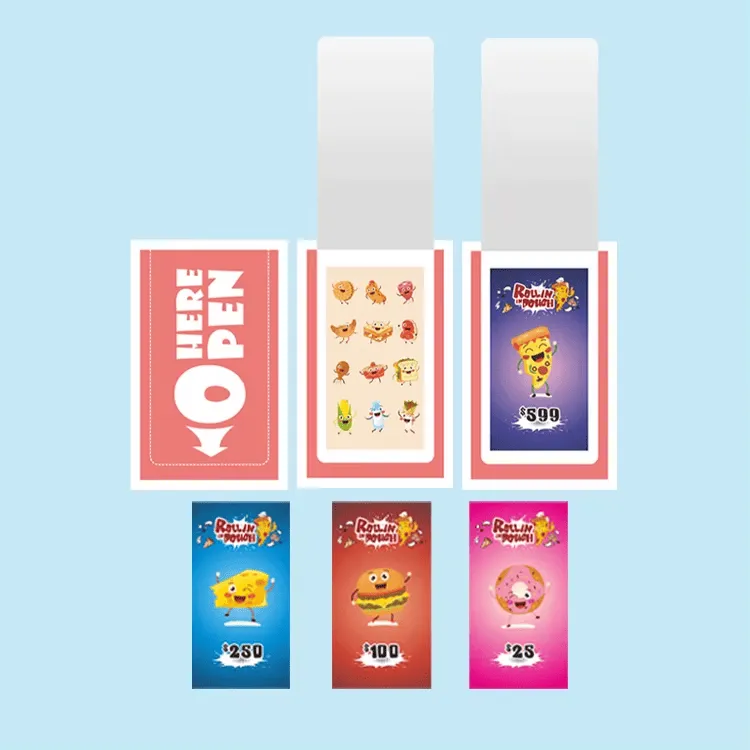
– Display Materials: Such as sample promo cards and instant winning reference cards (Flare cards), used for store display and to help consumers pre-judge their odds of winning.
Step 4: Calculate the Financial Model
Referencing the profit table structure above, build a profit estimation table for every ticket type you plan to purchase: Total Tickets × Unit Price = Total Sales; subtract the total payout for all prize tiers = Fixed Gross Profit. Then, factor in venue rent, labor, shipping costs, etc., to calculate the true net profit margin, avoiding being misled by just the gross margin.
Step 5: Channels and Display
Pull tabs are usually placed near the checkout counter or bar area, accompanied by display racks and reference cards to increase impulse buying. They can be cross-merchandised with other entertainment equipment (claw machines, jukeboxes, basketball machines, etc.) to form an “entertainment consumption matrix” and boost overall floor space efficiency (revenue per square foot). Regularly rotate themed tickets to keep customers engaged and encourage repeat purchases.
Step 6: Operations and Compliance Tracking
Retain sales records and serial number cancellation logs for every deal to handle regulatory spot checks. Regularly verify if the actual payout matches the theoretical payout to prevent internal fraud or deal shrinkage. Establish an inventory management system to avoid expired or moisture-damaged tickets from affecting sales.
⑦ How to Scale: Pull Tab Machines
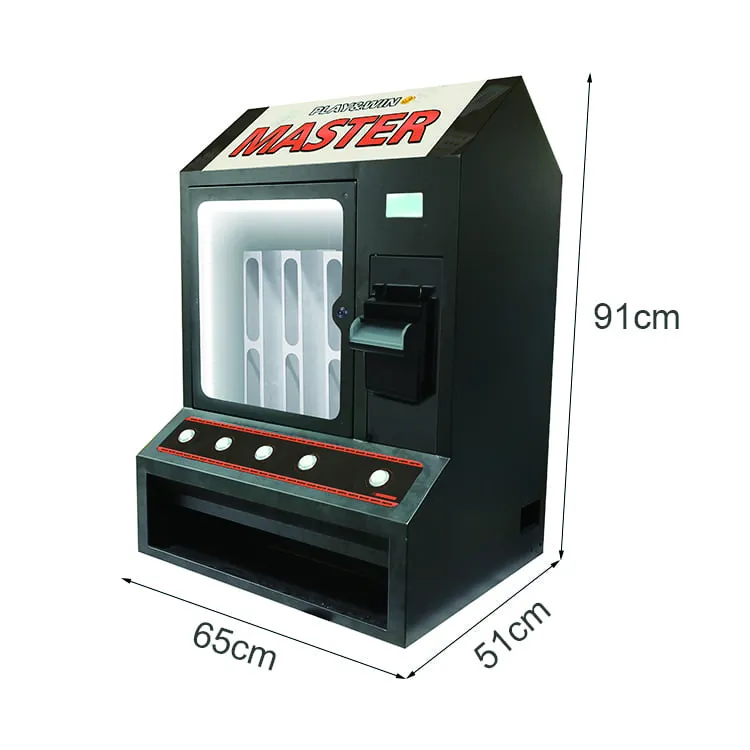
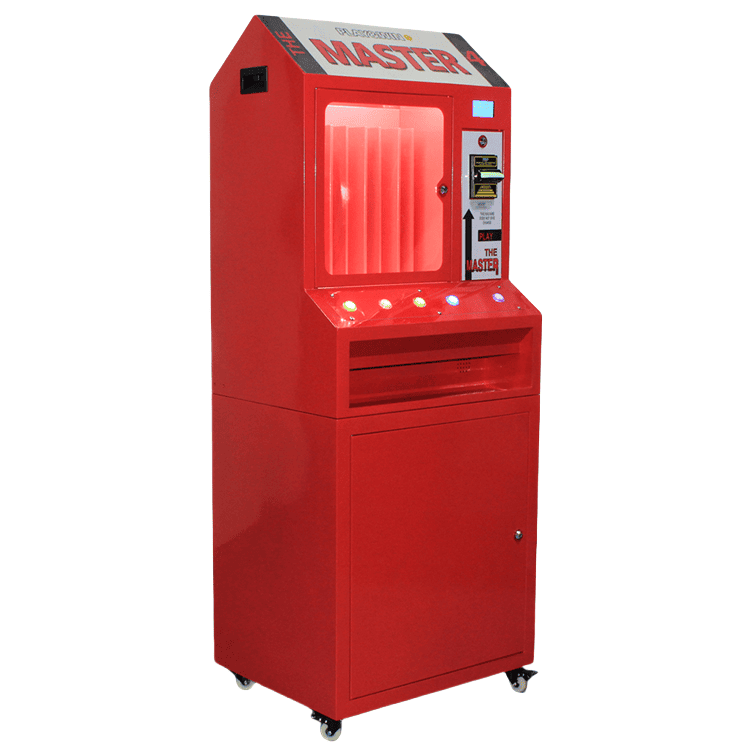
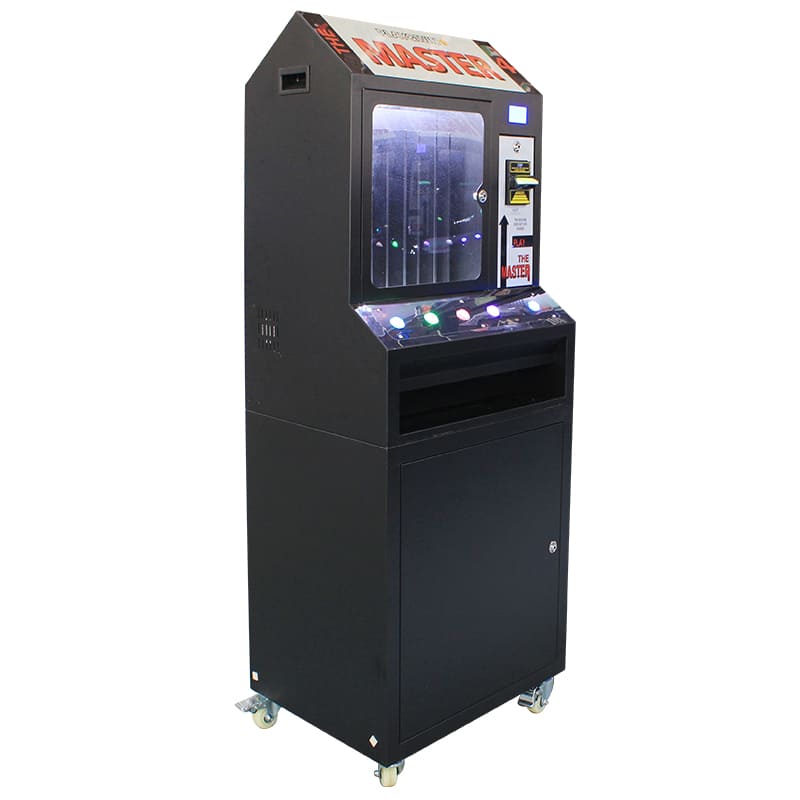
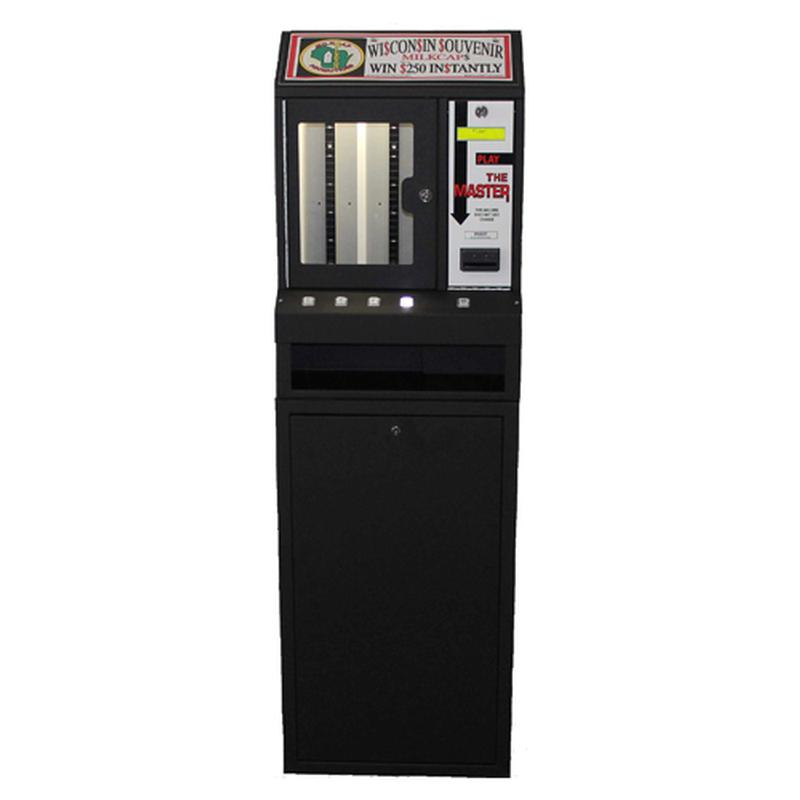
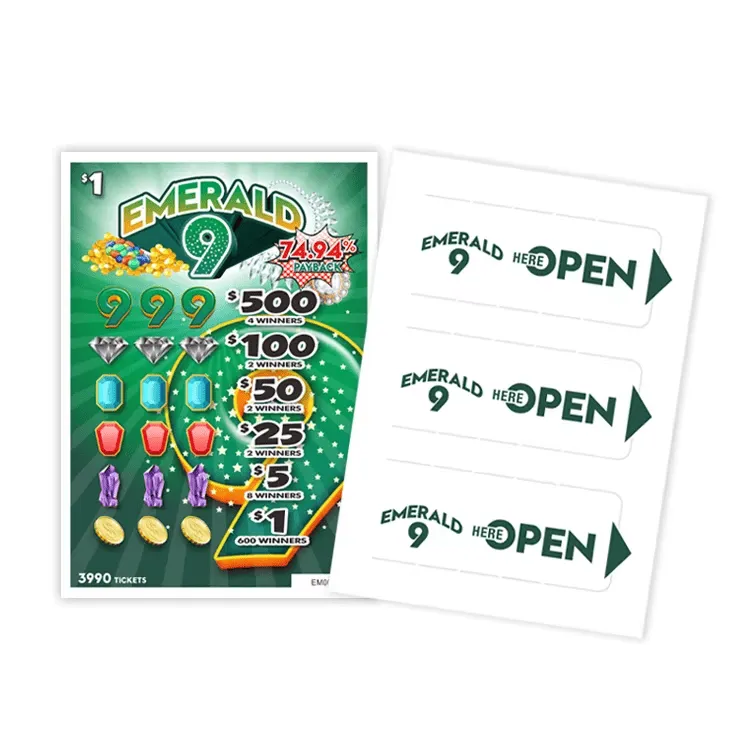
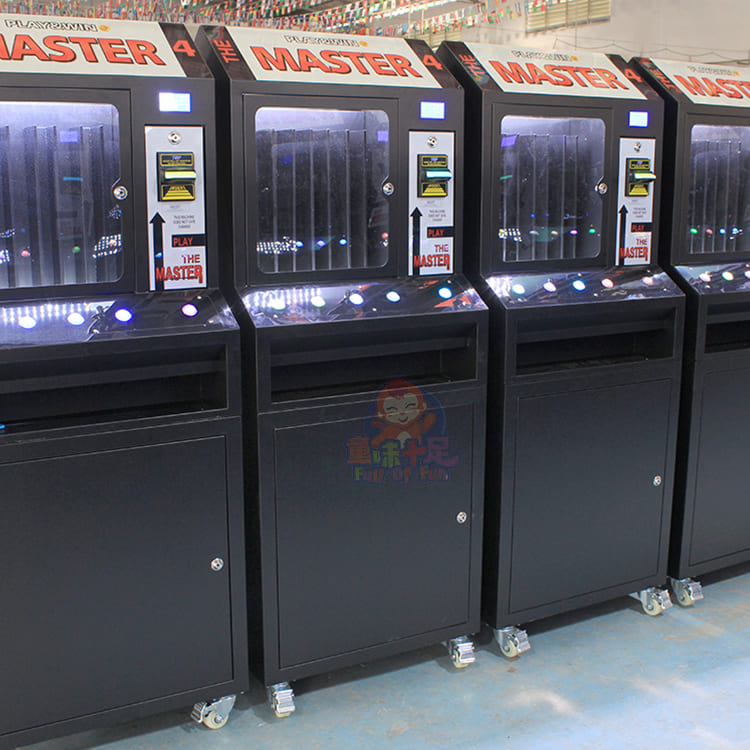
Beyond manually selling pull tabs at a bar/checkout counter, there is a format more suited for scalable expansion in the industry—Pull Tab Machines / Pull Tab Dispensers. This is specialized equipment similar to a vending machine. Entire deals of pull tabs are loaded into the machine, and after a consumer inserts coins or swipes a card, the machine automatically dispenses a ticket. There is no need for a clerk to be on duty or to manually break open deals for sales.
The commercial value of these devices is mainly reflected in:
- Route Business (Multi-location Deployment): Operators can act like “route operators” for coin-operated claw machines or jukeboxes, deploying multiple dispensers to various bars, convenience stores, gas stations, FECs, etc., to form a “ticket machine route.” No dedicated staff is needed at each location, drastically reducing labor costs.
- Venue Revenue-Sharing Model: The machines are owned by the equipment operator, while the venue provides the space and foot traffic. Both parties split profits based on a percentage of sales or margins—a classic “asset-light, wide-distribution” strategy.
- Traceable Sales Data: Most dispensers have built-in counters or networking modules that can record the number of dispensed tickets, remaining tickets, and inserted coins remotely or locally. This makes it convenient for operators to verify revenue, schedule restocking and deal replacements, and meet regulatory auditing requirements.
- Anti-Cheating and Serial Number Management: The machine’s fixed dispensing sequence, combined with the ticket deal’s own serial number system, effectively minimizes issues like unauthorized opening, ticket hoarding, and fraud that can occur in manual sales.
- Restocking Efficiency: One machine can hold multiple deals of different themes and denominations (e.g., loading $1 and $2 ticket deals simultaneously). Operations staff only need to conduct periodic inspection tours for restocking to maintain multiple locations running simultaneously.
For operators wanting to scale the pull tab business, “Auto-Dispensers + Multi-Location Deployment” is the crucial step upgrading from single-store retail to a “ticket route operator.” Its logic is highly similar to the traditional coin-op arcade or claw machine route business: single-location profit may not be massive, but the advantage lies in having numerous locations, stable floor space efficiency, and low marginal management costs.
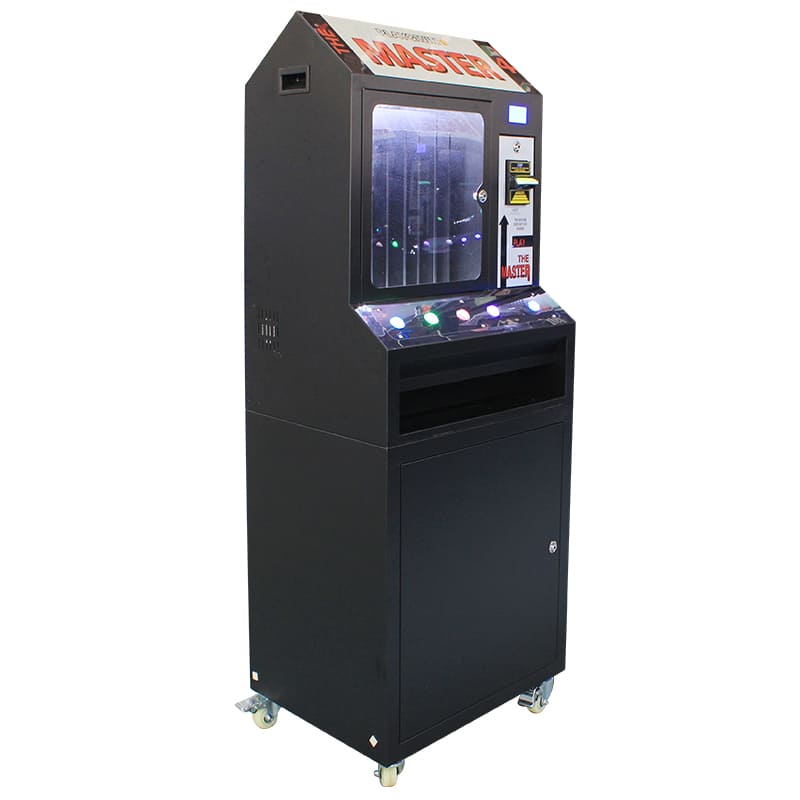
When purchasing or deploying pull tab machines, extra confirmation is needed on:
- Equipment and Ticket Compatibility: Ensure the dimensions of tickets produced by different manufacturers (like the 48×96mm example in this article) fit the machine’s slots.
- Additional Equipment Operating Licenses: Some regions regulate “coin-operated/automated gaming equipment” more strictly than manual sales, requiring separate equipment operating licenses or machine inspection procedures.
- Revenue-Sharing Agreements and Venue Contracts: Clearly define terms with the venue regarding revenue-split percentages, restocking cycles, and maintenance responsibilities to prevent future disputes.
- Networking/Data Features: Prioritize machine models that support remote data transmission for easy unified management and financial reconciliation across multiple locations. Especially when the number of deployed spots exceeds 10, the cost of manual inspections will rise significantly; network management capabilities will directly dictate the scalability of the route business.
⑧ Common Risk Warnings
- Compliance Risk: Selling pull tabs without a permit may constitute illegal gaming in certain regions. Be sure to confirm your qualifications first.
- Supplier Risk: Choosing low-price suppliers lacking quality guarantees or proper compliance documents can lead to ticket quality issues or even legal disputes.
- Cash Management Risk: Pull tabs involve frequent cash transactions, requiring a clear income and expenditure tracking system.

⑨ Summary
The paper pull tab business is a traditional entertainment product venture with a “clear structure and predictable profits.” Its core competitiveness lies in the deterministic gross profit generated by a fixed payout structure. However, due to its gaming nature, compliance qualifications are the first hurdle to entering this business, followed by the competition in ticket design, supply chain selection, and store operations. For potential operators or distributors looking to enter the market, it is advisable to complete legal due diligence first, and then use the financial calculation methods provided in this article to evaluate the return on investment for specific tickets. If the goal is scalable expansion, the multi-location deployment capabilities provided by automatic pull tab machines are the core leverage to upgrade this business from “single-store retail” to “route-based operation,” making it worthy of focused evaluation as a medium-to-long-term development direction.
⑩ Full Text Key Points Recap
| Stage | Key Action | Purpose |
|---|---|---|
| Compliance | Confirm local gaming/pull tab operating qualifications | Avoid illegal operation risks |
| Positioning | Choose retail / distribution / custom production / machine routes | Clarify your business model |
| Product Selection | Verify payout structure, ticket dimensions, and serial number management | Ensure measurable profits and anti-counterfeit compliance |
| Finance | Use the formula: “Total Sales – Total Payouts = Fixed Gross Profit” for estimations | Lock in deterministic profits in advance |
| Expansion | Deploy automatic pull tab machines for multi-location presence | Upgrade from single-store retail to route-based operation |
| Operations | Retain sales records and periodically verify payouts | Handle audits and prevent fraud |