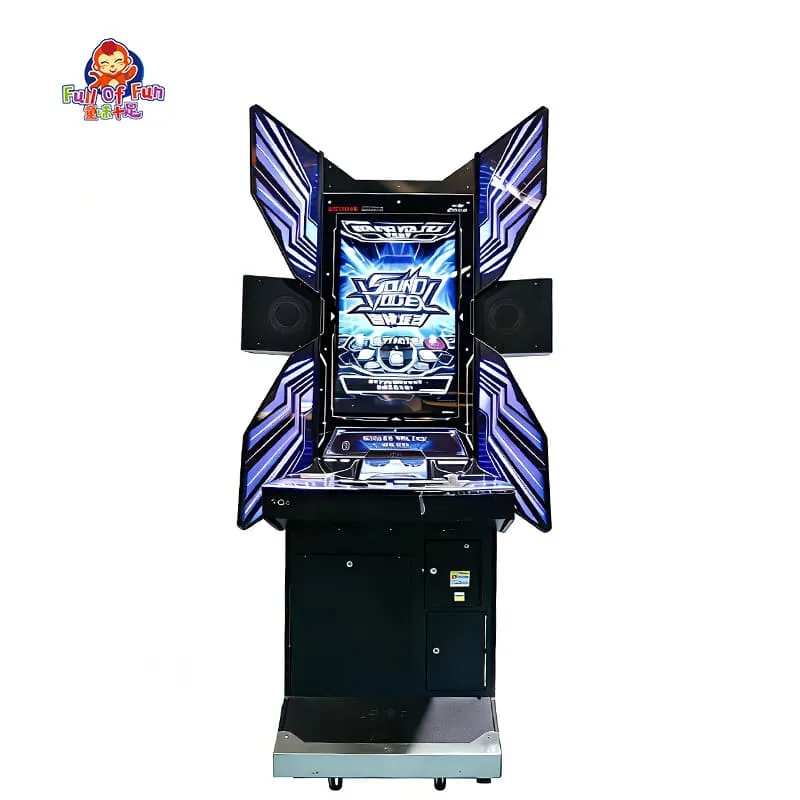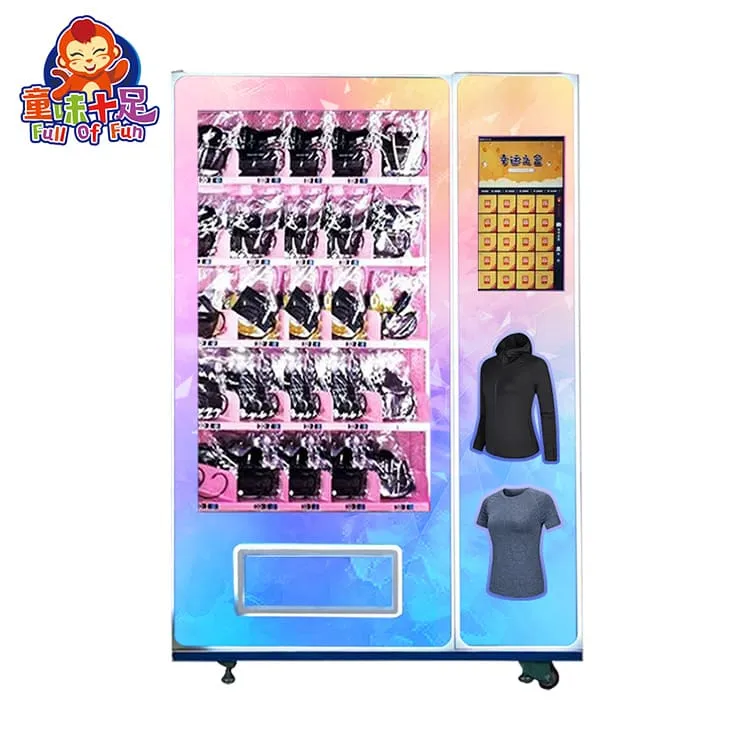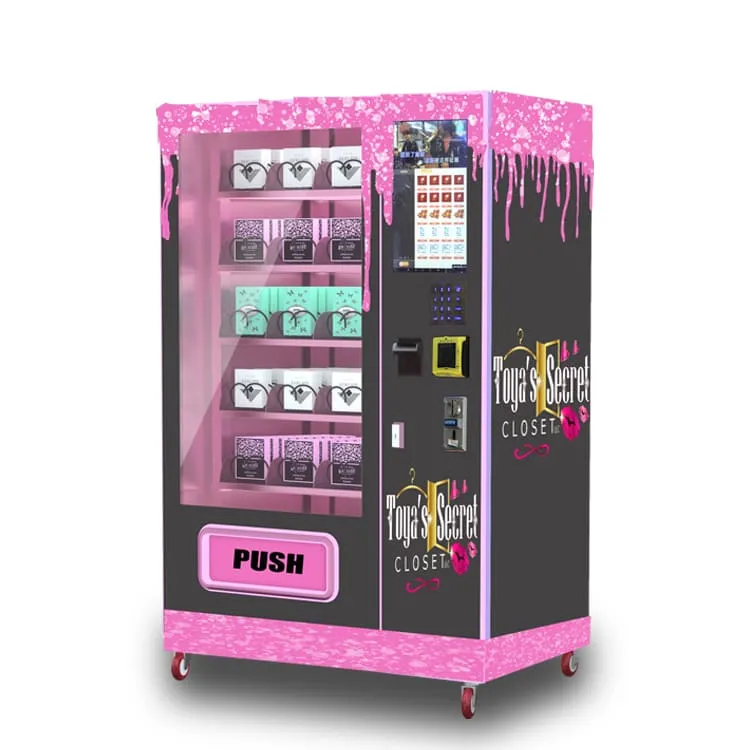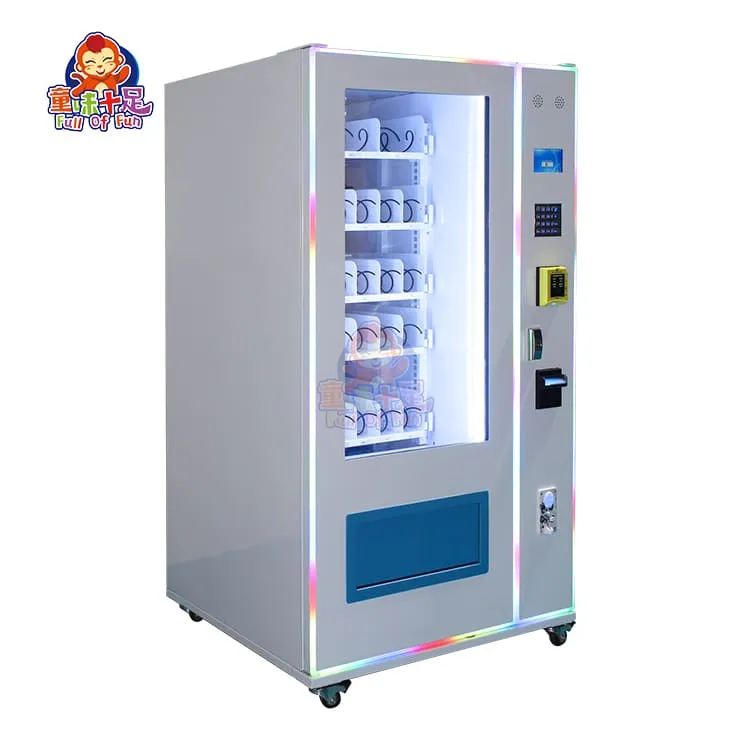

Vending machines represent the quintessential “low-barrier, scalable” entrepreneurial project. This comprehensive guide systematically details the practical operational steps required to launch, manage, and scale a successful vending operation. Backed by real-world case studies and concrete financial data, this article provides the actionable blueprint you need to make informed, highly profitable business decisions.
Quick Summary & Market Snapshot
$3,000 – $10,000 per machine (depending on new vs. used condition)
Location and foot traffic density (minimum 500+ daily target audience)
Cashless integrations (NFC, QR, Credit Card) are non-negotiable for modern profitability
3.5 to 14 months depending on procurement strategy and venue quality

1. Essential Market Research Before Starting
Before investing a single dollar into hardware, you must execute rigorous local market due diligence to validate your regional profit model assumptions and understand whether vending machines can actually make money
- Existing Market & Competition: Audit your target perimeter. Note the total number of existing vending machines, identify the dominant operators, and analyze their machine models and product mixes.
- Consumer Scenarios & Habits: Analyze local demographic payment preferences (cash vs. mobile/cashless). Determine your primary target audience matrix: office workers, students, hospital patients, or residential tenants.
- Segmented Opportunities: Actively seek service gaps. Target high-potential, underserved locations such as newly constructed apartment complexes, independent mid-rise office structures, community centers, and local gyms.
- Regulations & Permits: Verify regional legal frameworks. Determine whether your local municipality mandates dedicated food business permits, hygiene licenses, or specific commercial placement approvals.
- Profit Model Projections: Build a conservative 3-to-6-month revenue forecast based on estimated foot traffic, average product pricing, and gross profit margins to ensure a reasonable payback timeline.

2. Site Selection: The Golden Rules of Foot Traffic
In the vending business, location dictates 90% of your sales volume. High foot traffic density is the ultimate multiplier for operational profitability.
Venue Priority Hierarchy
| Priority Tier | Venue Type | Minimum Foot Traffic Target | Rationale |
|---|---|---|---|
| Tier 1 (Prime) | Office Building Lobbies | 500+ active occupants | High daily repeat usage, predictable schedule |
| Tier 2 (High) | Apartment Lobbies / Hospitals | Constant rotation | 24/7 access, captive audience in waiting areas |
| Tier 3 (Moderate) | Factories / Schools | Institutional shifts | High volume during structured breaks |
| Tier 4 (Low) | Parking Lots / Transit Stations | High transit, low dwell time | Impulse buys only; vulnerable to weather/vandalism |
⚠ Critical Warning: Avoid micro-venues. Locations with a captive population of fewer than 30–50 people are fundamentally unsustainable and will not cover fixed operating costs.
B2B Negotiation & Property Pitching
Property owners are generally more concerned with the overall “value-add” to their space than standard revenue-sharing percentages.
- The Value Proposition: Pitch the machine as a free amenity that enhances property attractiveness, improves tenant retention, and provides convenience services at zero cost to management.
- Commission Strategy: Aim for zero-commission or low-fixed-fee leases. Reserve percentage-based revenue sharing exclusively for elite, high-traffic prime locations.
- Professionalism Checklist: Dress in business attire, carry professional company brochures, and present clear on-site placement layouts to maximize your contract success rate.
3. Obtaining Operating Licenses and Permits
To safeguard your operation against sudden fines or equipment removal orders, secure all regulatory compliance documentation before deploying your hardware.
- Standard Required Documents: Business registration/license, food business permit (essential for ambient, refrigerated, or heated food and beverages), tax registration, and location-specific placement authorizations.
- Proactive Action Step: Visit or call your local market supervision or commerce department to explicitly verify zoning and food safety rules for automated retail units in your target sector.
4. Machine Procurement: New vs. Used & Payment Systems
Selecting the right hardware architecture balances upfront capital expenditures against long-term maintenance costs and technological capabilities.
Hardware Options Matrix
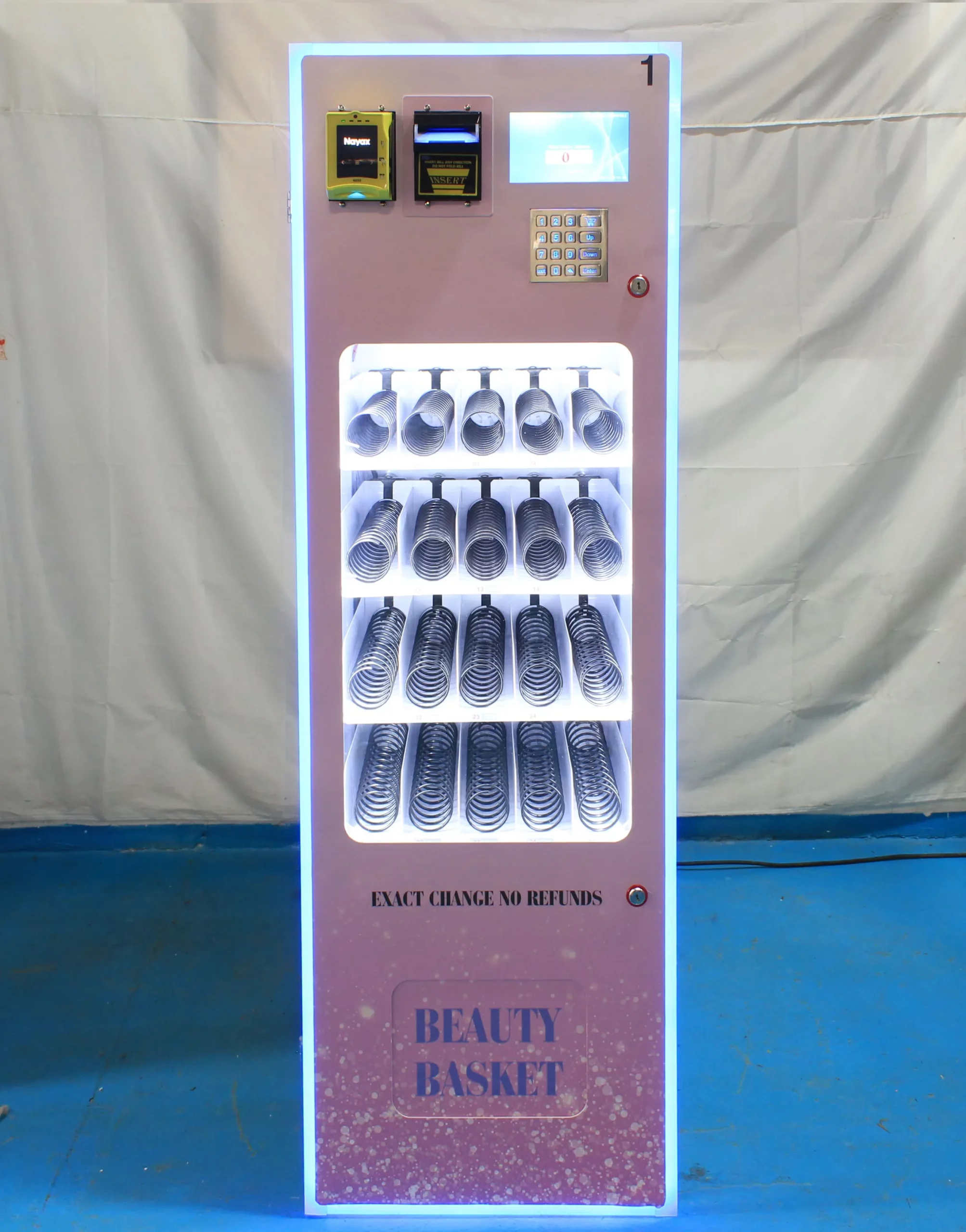
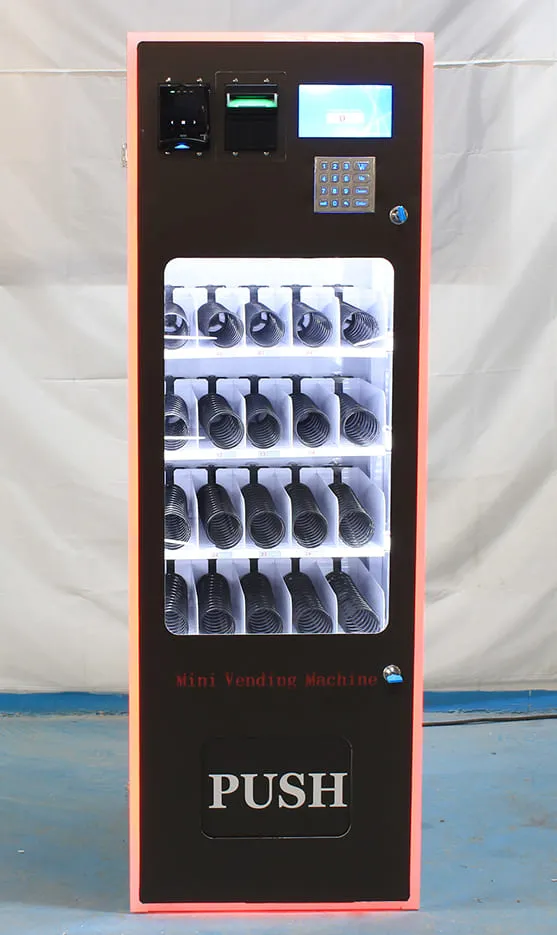
- Snack Machines: Ambient configurations utilizing spiral or conveyor drop mechanisms.
- Beverage Machines: Specifically built for cans, bottles, and cartons with robust internal refrigeration units.
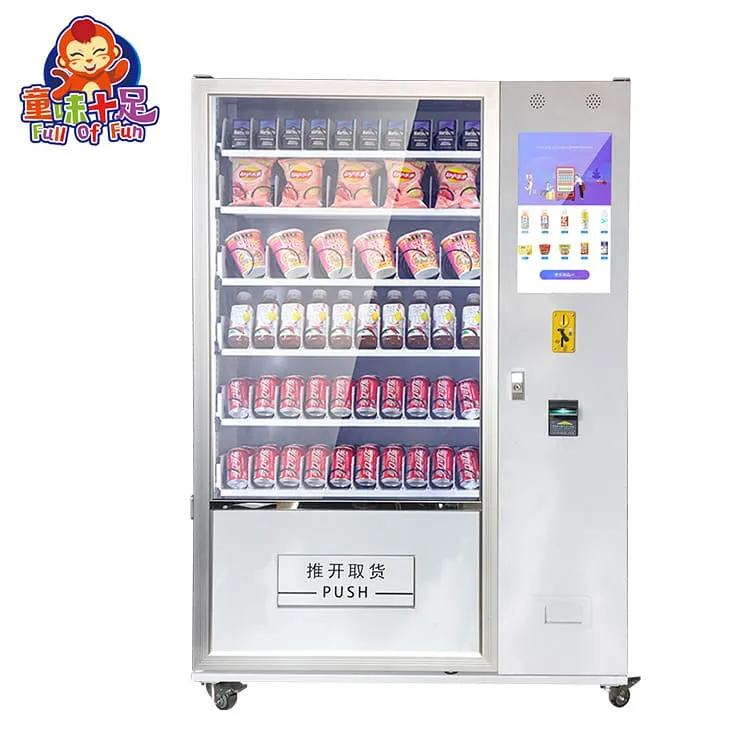
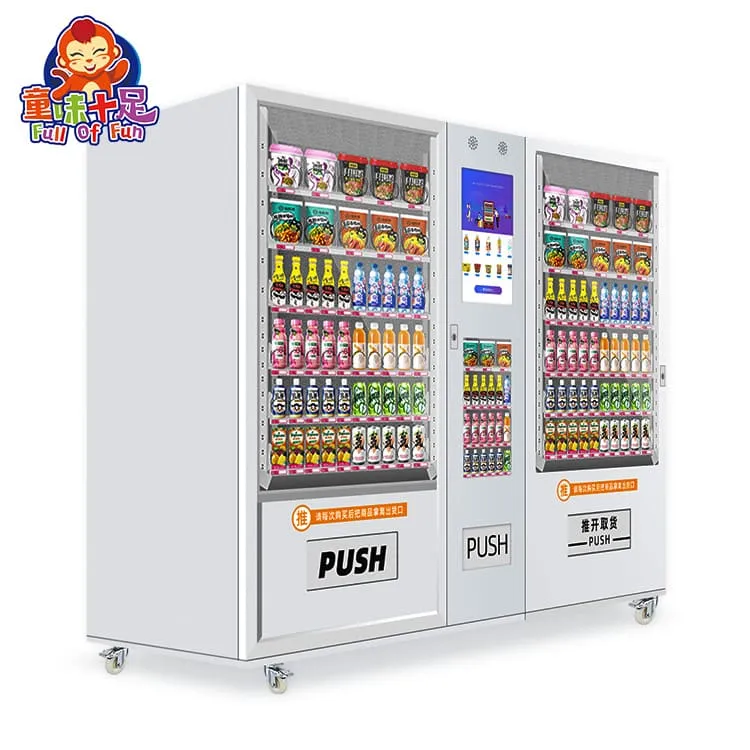
- Combo Machines: Dual-zone systems accommodating snacks on top and chilled beverages on the bottom. Ideal for standard offices.
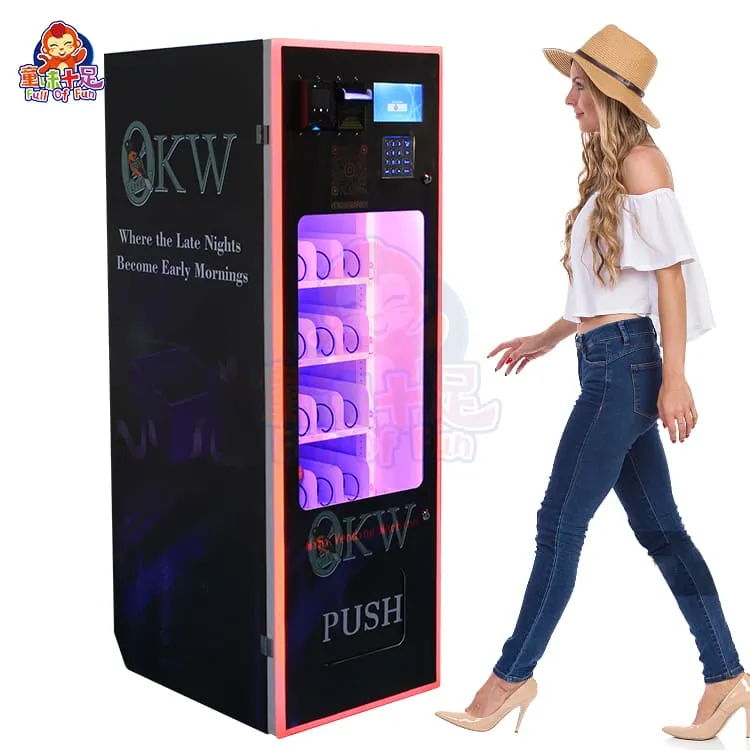
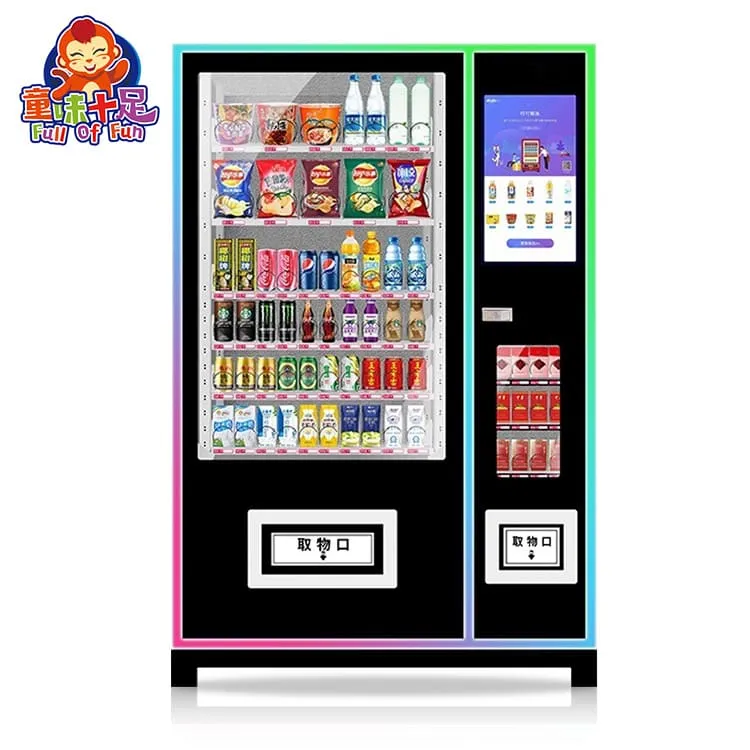
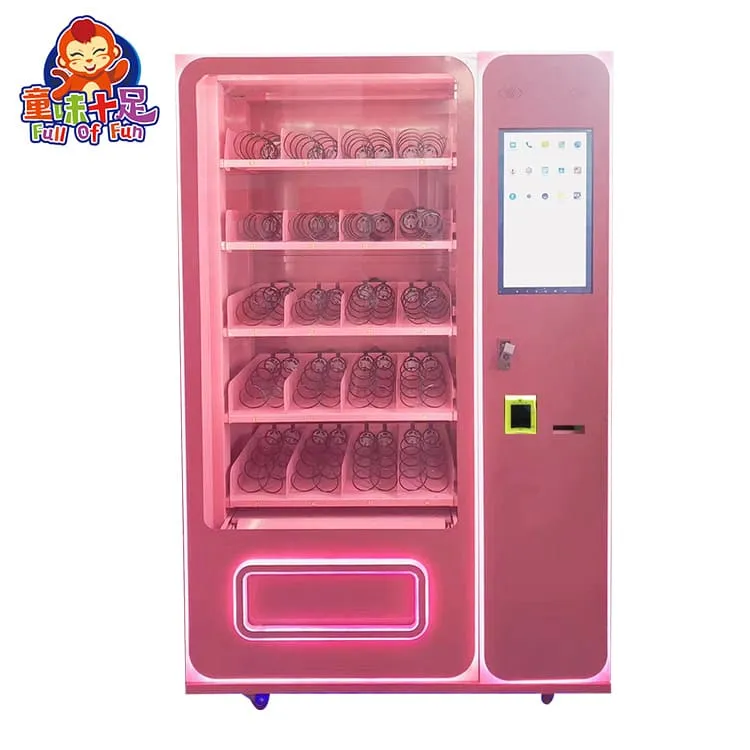
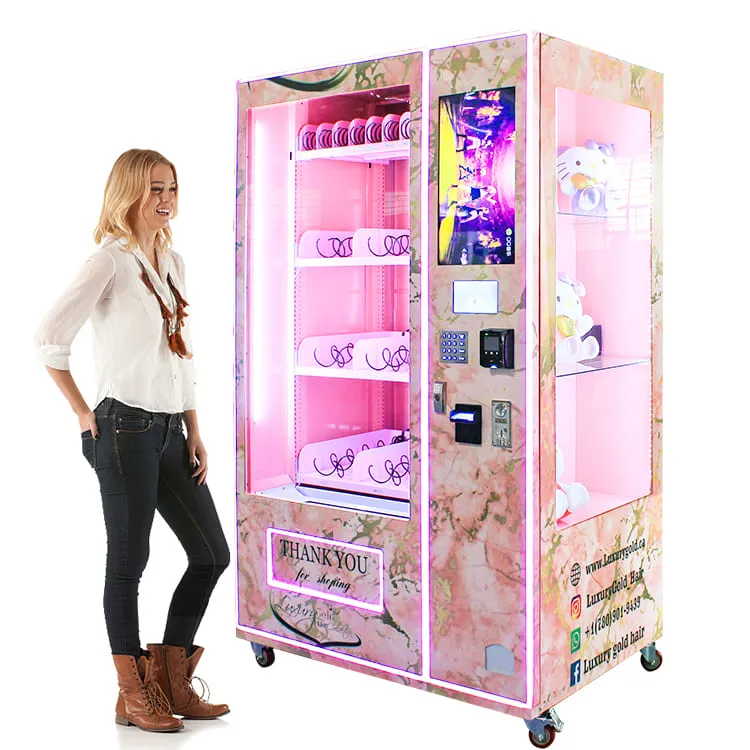
- Smart Touchscreen Machines: Premium interactive units supporting dynamic pricing and advertising displays.
Financial & Operational Comparison: New vs. Used
Used Machines: $3,000+
Pros: Low entry barrier
Cons: Unknown wear, high repair risk, lack of warranty
New Machines: $5,000+
Pros: High reliability, factory warranty, advanced smart cloud backend, remote monitoring
The Cashless Infrastructure Reality
Integrating a robust cashless payment system (Credit Card swipe, QR codes, Apple Pay/NFC) is mandatory to match modern consumer habits. However, pay strict attention to the processing cost structure:
- Fixed Monthly Fees: POS card reader terminals frequently charge a fixed monthly service fee that can outpace per-transaction percentages on low-volume units.
- Supplier Lock-in: Confirm whether your hardware supplier allows you to switch payment gateway providers or forces you to use their proprietary network. Always clarify settlement turnaround times before signing.
5. Startup Capital Breakdown and Budgeting
A clear financial runway prevents cash flow bottlenecks during your initial deployment phase.
Initial Investment Line Items
- Hardware Acquisition: $3,000 to $10,000 per machine based on age, configuration, and integrated features.
- Initial Inventory Float: 2 to 4 weeks of product supply tailored to local site preferences.
- Logistics & Installation: Professional transport, rigging, and secure on-site anchoring.
- Payment Terminal Activation: Upfront card reader setup fees and initial gateway merchant deposits.
- Operational Reserves: First month’s property fees, connectivity costs, and optional commercial liability insurance.
Operational Recommendation: Avoid over-leveraging early. Start with exactly one machine to test local demand metrics, refine your product mix, and master the logistics before deploying larger capital structures (such as a multi-unit $50,000 rollout).
6. Restocking, Maintenance, and Remote Operations
Efficient route management and asset uptime protect your profit margins from being eroded by fuel costs and travel time.
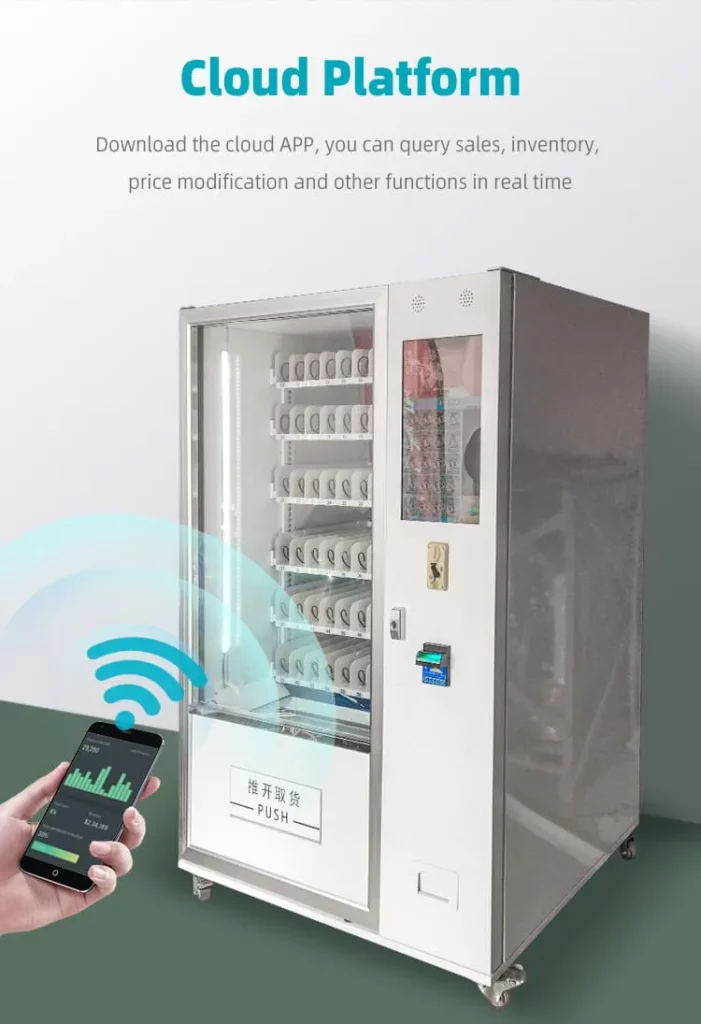
- Data-Driven Restocking: Rely on automated remote monitoring systems. Prioritize machines equipped with cloud-based backend inventory tracking to eliminate wasted check-in visits. Standard schedules average 1–2 trips per week, scaling up for high-velocity locations.
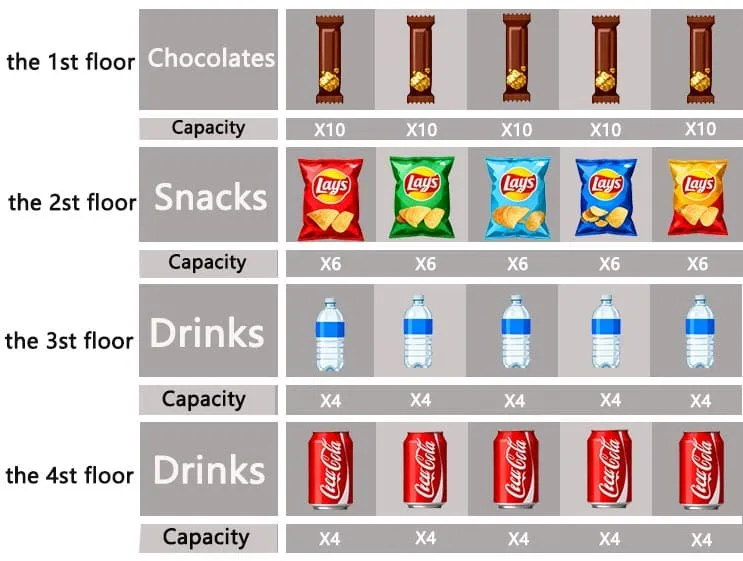
- Inventory Curation: Audit surrounding convenience stores. Mirror their best-selling product categories, sizes, and pricing tiers to de-risk your initial stock allocation.
- Preventative Maintenance: Clean touchscreens and bill acceptors regularly, test payment processing stability, and verify cold-chain refrigeration seals. Respond instantly to errors to prevent damaging venue relationships.
- Loss & Shrinkage Control: Factor historical refund requests, mechanical jams, and vandalism risks directly into your product pricing matrices.
7. Venue Acquisition and Active Negotiation
Securing premium locations requires a direct, proactive outbound sales framework.
- Direct Outreach: In-person visits and structured phone pitches executed by the founder yield significantly higher conversion rates than outsourced telemarketing or digital cold-mailing.
- Contractual Pitfalls to Avoid: Be highly skeptical of individuals selling “established, profitable vending routes.” Many of these listings feature low-performing locations, hostile property managers, or failing equipment that the current operator is desperate to offload.
8. Marketing, Promotion, and B2B Lead Acquisition
Scaling a vending empire requires building a systematic inbound pipeline for new venue opportunities.
- Digital Presence: Build a clean, conversion-focused B2B website. Optimize local SEO and claim your Google My Business listing using location-centric search terms (e.g., “Vending services for offices in [City Name]”).
- Offline Networking: Attend regional business expos, join local chambers of commerce, and pitch directly to property developers and commercial facility managers.
- Reputation As Leverage: Deliver flawless uptime and consistent restocking. A stellar local reputation is your most potent tool for winning multi-location regional contracts.
9. Real-World Case Studies: Practical Field Insights
Case Study 1: Scaling Slowly From One Machine (The Solopreneur Approach)
- The Thesis: This model proves that vending is an exceptional bootstrapped side hustle. The operator started with a single combo unit deployed in a high-density office building (500+ employees) to validate the business model on weekends.
- Procurement Strategy: Operating on a strict budget, the founder sourced a verified used machine. They compared multiple platforms, audited the manufacturing year, and explicitly negotiated parts warranties for the payment modules and drop motors prior to purchase.
- Execution & Scaling: By copying proven local beverage/snack configurations and managing cash flow tightly (accounting for all POS terminal fixed monthly fees and property shares), the initial unit stabilized rapidly. Rather than pulling out profits, 100% of the unit’s net cash flow was reinvested to acquire machine number two.
- Key Lesson: Avoid the “Airbnb Mini-Vending” trap. Micro-vending inside short-term rentals fails due to low foot traffic and high vacancy rates. True profitability demands consistent institutional foot traffic.
Case Study 2: The Pitfalls of Buying Old Routes & A Successful Turnaround
- The Failure Lesson: The operator initially purchased an existing route listed for sale, only to find a broken operational system. The route consisted of low-traffic “dead zones” (venues with fewer than 50 people) where travel expenses and fuel completely wiped out gross margins.
- The Pivot Strategy: The owner stopped outsourcing sales calls, dressed professionally, and began visiting high-potential commercial properties in person with clean company portfolios. They successfully countered competition from massive national operations (like Canteen) by highlighting their superior, hyper-responsive local service quality.
- The Turnaround Result: By removing machines from low-performing areas and focusing on high-value contracts—including securing emergency logistics delivery contracts during hurricane season—the operator grew a failing route into a highly profitable operation generating over $400 per week in initial baseline revenue.
- Key Lesson: Never blindly trust a seller’s route data. Learn machine mechanics, anti-theft reinforcement techniques, and precise pricing formulas yourself before expanding your route.
Case Study 3: The Cross-Border Procurement Model (Rapid Canadian Expansion)
- The Market Opportunity: A market analysis in Canada revealed that local distributors were pricing new machines at a premium ($6,500 – $9,000 CAD), while affordable used alternatives rarely supported modern cashless payment architecture.
- The Supply Chain Innovation: The entrepreneur bypassed domestic middlemen and imported new, cashless-enabled smart machines directly from overseas factories, driving per-unit hardware costs down to approximately $3,500 CAD (inclusive of door-to-door freight).
- Rapid Deployment Strategy: Two weeks before the freight cleared customs, the founder visited local target venues with professional marketing brochures. Out of 6 locations pitched on day one, all 6 accepted the service because it offered premium, modern cashless convenience at zero cost to the property.
- Financial Metrics:
- Technical Prep: The founder spent 2 days configuring local SIM cards, backend cloud software, and coin acceptors.
- First Month Net Profit: $1,100 USD total.
- Unit Velocity: 20 items sold per day per machine, yielding $30 – $50 USD daily profit per unit.
- Payback Period: A remarkably short 3.5 to 4 months per machine.
- Scale Projections: Moving through a simple loop (Import → Deploy → Restock → Reinvest), the operator quickly expanded. Based on these metrics, scaling to a 10-machine network within 12 months maps out to a projected net return of approximately $12,500 USD per month.
- Key Lesson: Supply chain arbitrage coupled with aggressive personal B2B sales can trigger explosive growth. Factor in a 40–65 day shipping/production lead time when mapping out your expansion capital.
Key Takeaways: The Operational Commonalities
1. Location Trumps Hardware
A cutting-edge smart machine in a dead location will fail; an older machine in a prime 500+ person office lobby will consistently generate cash.
2. Test and Validate
Start with a single pilot unit. Perfect your logistical routes, software configurations, and local product preferences before deploying capital for a wider rollout.
3. Account for Fixed Costs
Ensure your financial models explicitly incorporate property revenue splits, monthly POS processing network subscriptions, and inventory shrinkage metrics.
4. Own the Relationship
Do not outsource your venue pitching. Property managers form partnerships with operators who demonstrate face-to-face professionalism, responsiveness, and operational transparency.
Premium Vending Solutions: Partnering with Full of Fun
If you want to duplicate the high-margin success of the cross-border procurement model, finding a world-class manufacturing partner is critical. Full of Fun is a leading global direct-to-factory supplier specializing in the research, development, production, and export of high-performance automated retail systems.
Why Leading Operators Partner With Us:
- Massive Manufacturing Scale: Operating a state-of-the-art 5,000 square meter facility equipped with 4 automated production lines, yielding an annual output of over 10,000+ units to support both single-unit startups and national fleet rollouts.
- Versatile, Field-Proven Product Catalog: We engineer a comprehensive lineup of snack units, beverage machines, dual-zone combo configurations, heated/refrigerated setups, and interactive touchscreen smart units.
- Global Payment Compatibility: Our systems seamlessly integrate international payment hardware, fully supporting credit card swiping, localized QR scanning, NFC (Apple Pay/Google Pay), and advanced coin/bill validators.
- Unrivaled Global Footprint: Proudly exporting to over 150 countries—including the USA, Canada, Australia, and throughout Europe—trusted by independent entrepreneurs, shopping malls, educational institutions, and corporate campuses worldwide.
- 30% to 50% Cost Savings: By purchasing direct from our factory floor and eliminating domestic distributor markups, you preserve your capital runway and dramatically compress your machine payback period.
- Enterprise-Grade Lifecycle Support: Every Full of Fun machine comes backed by a comprehensive 1-Year Full Machine Warranty, 24/7 lifetime technical support, step-by-step payment gateway configuration training, and remote cloud backend diagnostics.
Ready to Launch Your Vending Business?
Contact us now to get your exclusive machine configuration plan, ROI projection, and direct factory quotation.