
How much profit can a vending machine generate? There is no single answer. Operators who secure prime, high-traffic locations like airports, universities, major hospitals, or transit stations can easily generate thousands of dollars in monthly revenue per machine. Conversely, placing a machine in a slow office corridor or a quiet residential spot might yield only a few hundred dollars a month.
To give you a realistic breakdown of the vending business, this guide analyzes the operational profit structure through real-world data, venue comparisons, case studies, and sourcing strategies.
Quick Answer: Average Vending Revenue Overview (2026)
- Prime Locations (Airports, Hospitals, Universities):
Monthly Revenue: $2,000 – $5,000+ | Monthly Gross Profit: $700 – $2,000+ - Average Locations (Mid-sized Offices, Apartments):
Monthly Revenue: $750 – $1,200 | Monthly Gross Profit: $260 – $420 - Poor Locations (Low Foot Traffic, High Competition):
Monthly Revenue: $200 – $400 | Monthly Gross Profit: $60 – $120
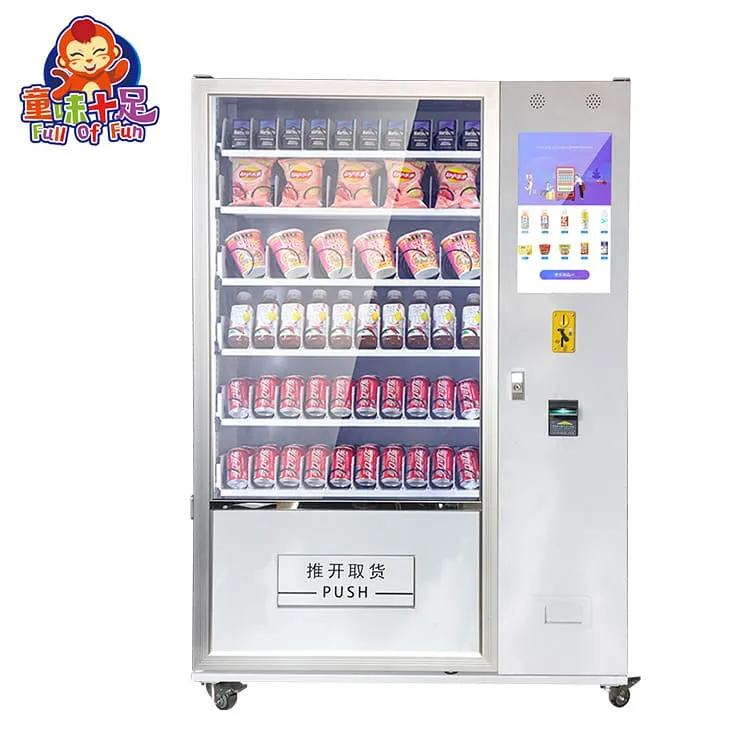
1. Average Monthly Revenue by Venue Type
Foot traffic and customer demographics dictate a machine’s earning potential. Below is a performance breakdown across different environments:
| Venue Tier | Typical Locations | Daily Traffic Density | Core Product Categories | Expected Monthly Revenue (USD) | Average Gross Margin |
|---|---|---|---|---|---|
| High-Tier | Airports, Train Stations, Major Hospitals, Universities, Large Factories | Extremely High (24/7 flow) | Energy drinks, bottled water, instant snacks | $2,000 – $5,000+ | 35% – 45% |
| Mid-Tier | Offices (50-200 employees), Apartment Lobbies, Libraries, Co-working Spaces | Moderate (Spikes during daytime) | Coffee, sodas, chips, energy bars | $750 – $1,200 | 30% – 40% |
| Low-Tier | Small workshops, remote residential corners, offices with stocked breakrooms | Low (No regular customer base) | Basic water, low-cost traditional snacks | $200 – $400 | 25% – 30% |
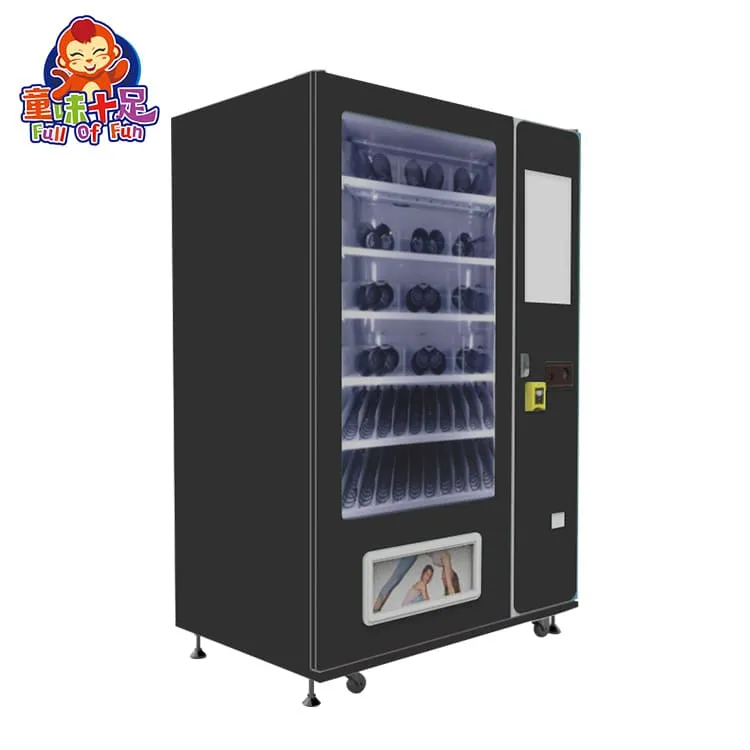
2. 5 Core Factors That Determine Vending Profits
- 1. Foot Traffic Density
Traffic volume is the ultimate foundation of sales. High-traffic venues like universities or hospitals not only offer a massive customer base but also capture captive audiences during late-night hours or shift changes. - 2. Demographic Consumption Habits
Product alignment is critical. Office workers generally opt for premium coffee, sparkling water, and low-calorie snacks. On the other hand, gym-goers heavily favor high-margin energy drinks (e.g., Red Bull, Monster) and protein bars, driving up the average ticket size. - 3. Product Mix Optimization
- Beverages: High volume, rapid turnover, and stable margins.
- Snacks: Higher individual profit margins, but slightly lower purchase frequency compared to drinks.
- The Golden Ratio: 70% cold beverages (sodas, water, energy drinks) + 30% popular snacks (chips, chocolates, grab-and-go bars).
- 4. Machine Capacity & Cooling Efficiency
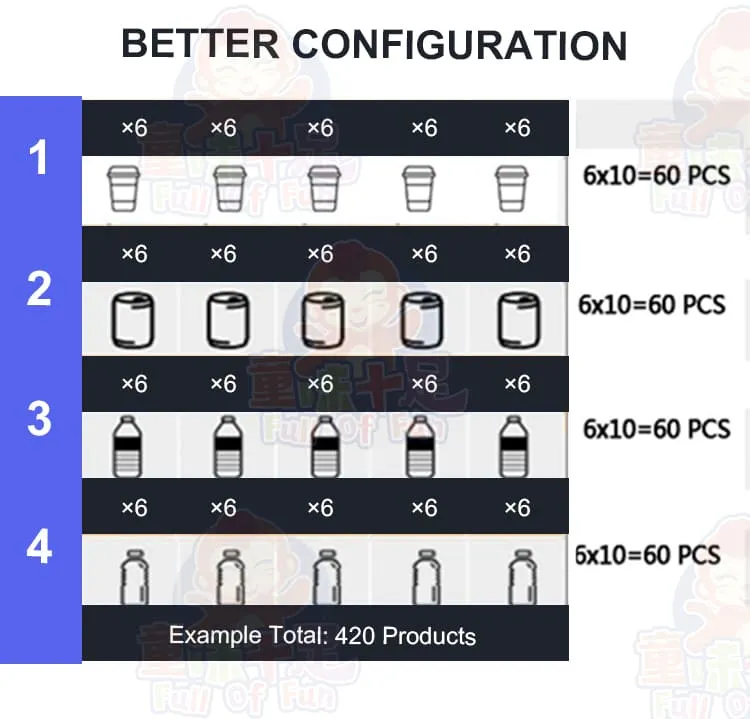
Large-capacity machines minimize restocking trips, lowering logistics costs. Furthermore, a robust, reliable cooling system is essential for capturing explosive cold-drink sales during summer surges. - 5. Operational Efficiency
Utilizing a digital backend to track real-time inventory prevents stockouts of best-sellers. Keeping the machine clean, well-lit, and swapping out slow-moving inventory directly improves customer retention.
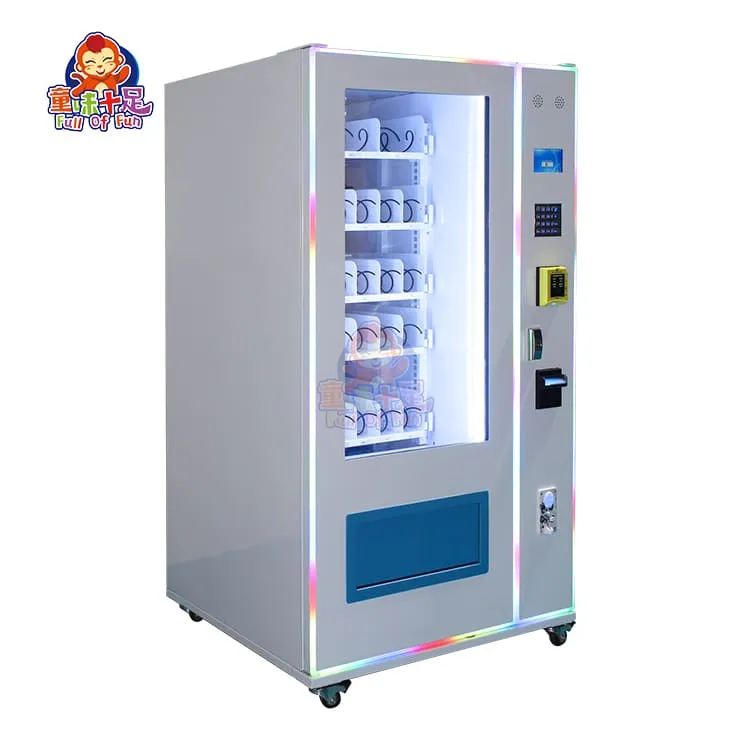
3. Real Operator Case Studies (Field Data)
To look past the averages, let’s examine two successful field deployments alongside a critical failure lesson.
Case Study 1: Office Placement (40–60 Employees) – Steady Income
Behavior: Employees consistently purchase beverages and snacks during work hours, with sharp sales spikes during the afternoon “energy slump” (2:00 PM – 4:00 PM).
Daily Sales: 15–25 bottles of drinks and 5–10 packs of snacks (20–35 total transactions per day).
Financial Breakdown:
| Metric | Value / Calculation |
|---|---|
| Average Item Price | $1.50 – $2.00 |
| Daily Sales | $25 – $40 |
| Monthly Revenue | $750 – $1,200 (approx. €700 – €1,100) |
| Gross Profit Margin | 35% |
| Monthly Gross Profit | $260 – $420 |
Case Study 2: High-Traffic Fitness Center – High-Margin Surge
Behavior: Gym members require hydration and recovery nutrition on the spot. They rarely bring heavy drinks from home and are willing to pay a premium for convenience.
Daily Sales: Premium energy drinks ($3.00 – $4.00) and protein bars ($2.50) make up over 60% of total volume.
Financial Breakdown: With 60–80 items sold daily, monthly revenue stabilizes between $3,500 and $4,500. Because functional inventory yields high markups, the gross margin reaches 42%, netting over $1,500 in monthly profit from a single machine.
The Failure Lesson: Low-Traffic Residential Corner (Product Mismatch)
Background: An operator placed a premium combo machine at the entrance of a quiet, 30-unit apartment building, stocking it with expensive imported energy drinks.
Result: Residents preferred buying bulk groceries from nearby discount supermarkets or simply drinking tap water at home. Daily sales hovered below 3 items. Monthly revenue languished at $120. Dead inventory losses due to expiration dates left the machine operating at a net loss after electricity bills.
Key Takeaway: No matter how advanced the machine is, it cannot overcome a lack of target audience research and a mismatched inventory strategy.
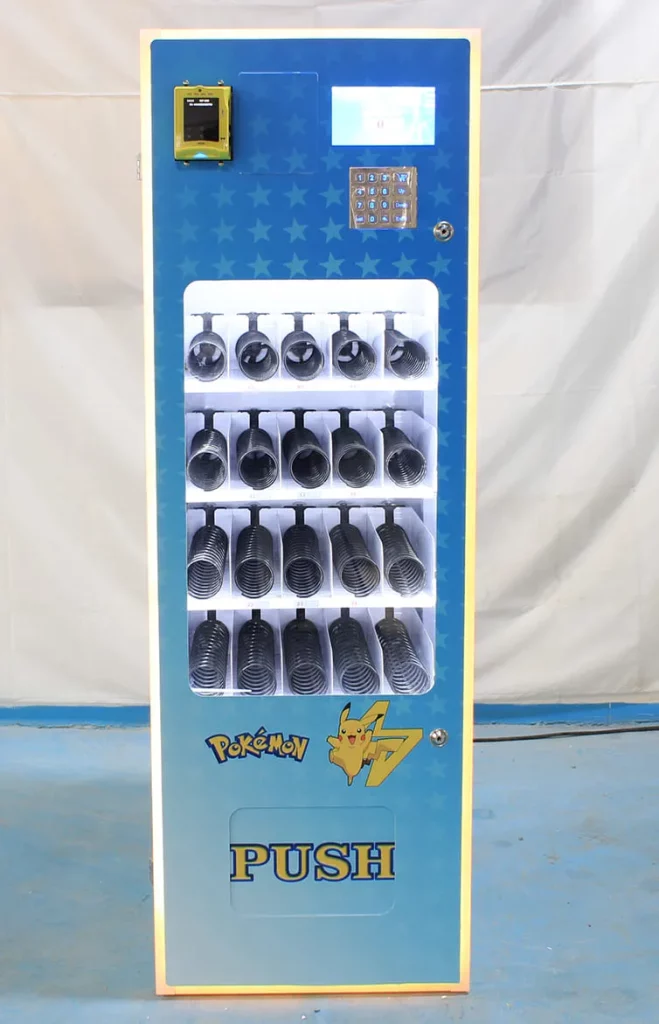
4. Vending Machine ROI Calculator
Below is a realistic financial projection based on a standard, well-placed mid-to-high tier smart vending machine:
| Financial Indicator | Standard Target (Per Machine / Month) |
|---|---|
| Total Monthly Revenue | $1,500 |
| Cost of Goods Sold (COGS ~65%) | $975 |
| Electricity & Location Commissions (~10%) | $150 |
| Net Monthly Profit | $375 |
| New Smart Combo Machine Cost | $2,500 – $3,500 |
| Estimated Payback Period | 7 – 10 Months |
5. Sourcing Equipment for the Best ROI
Choosing how you source your hardware heavily impacts your initial capital expenditure and determines how quickly the machine pays for itself.
Factory Direct:
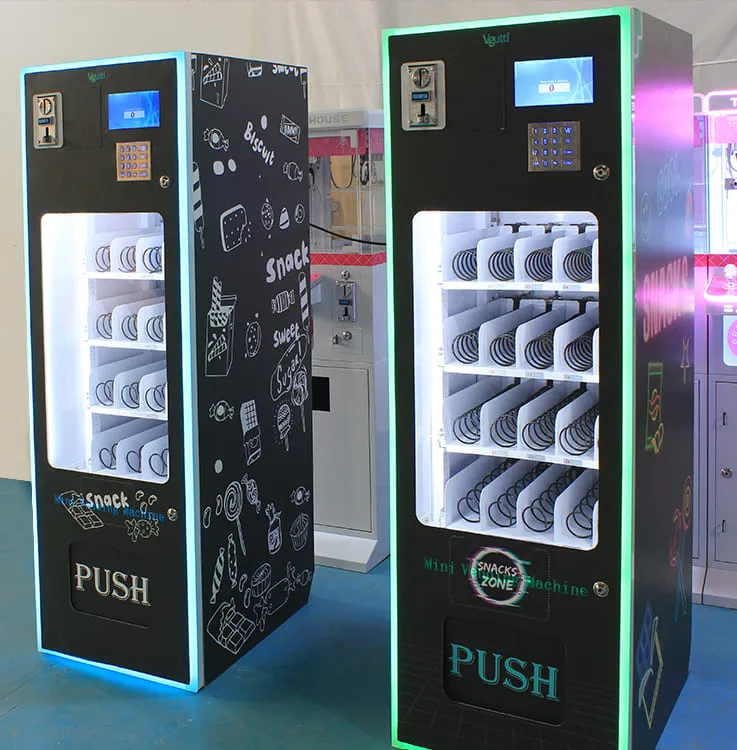
- Pros: Eliminates middleman markups, offering the lowest upfront cost per unit. It allows direct hardware/software customization (such as localized mobile wallet integration or custom branding) and includes a full 1-year factory warranty alongside direct technical assistance.
- Best For: Operators scaling up a route who require long-term hardware reliability and solid margins.
Local Distributors:
- Pros: Immediate local stock, shorter shipping times, and occasional local installation services.
- Cons: Prices generally carry a 15% to 30% wholesale markup.
Used Equipment:
- Pros: Lowest initial purchase price.
- Cons: No warranty protection. Older cooling compressors consume significantly more power, and unexpected downtime from mechanical wear causes immediate revenue loss.
6. Frequently Asked Questions (FAQ)
Q1: What are the most profitable items to sell in a vending machine?
Cold beverages—specifically energy drinks, chilled sodas, and bottled water—generate the highest volume and most reliable cash flow. For snacks, small packaged nuts and chocolate bars offer excellent profit margins per unit.
Q2: How do location commissions or rent work?
Operators generally use two structures: a fixed monthly rent (ideal for proven, high-volume locations) or a percentage-of-revenue split (typically 5% to 15%). Revenue sharing is highly recommended for beginners to mitigate risk.
Q3: How many vending machines can one person manage?
Thanks to modern telemetry and remote management backends, you do not need to visit machines daily. By tracking inventory levels and stock warnings from your smartphone, a single operator can easily run a route of 10–15 machines as a side business.
Conclusion: Launch Your Automated Retail Business
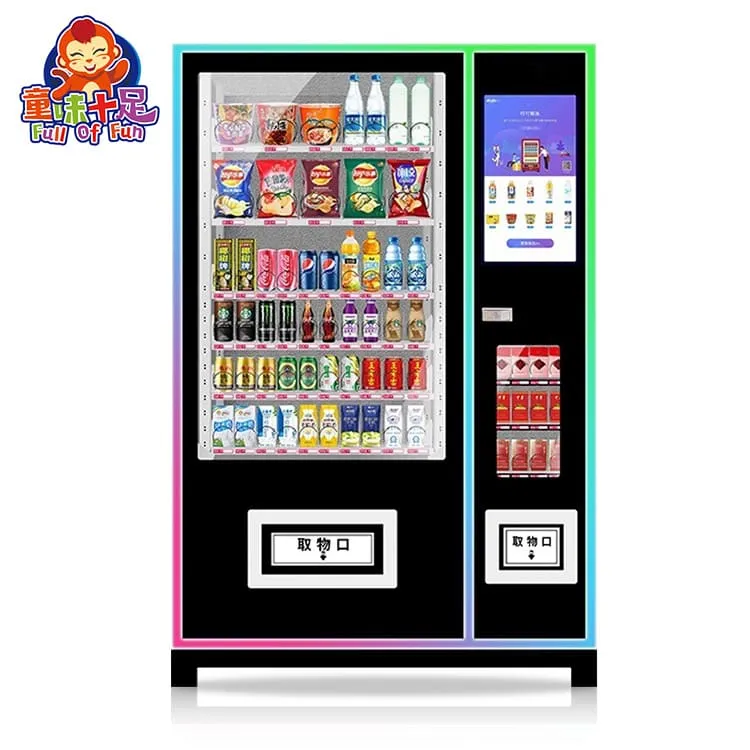
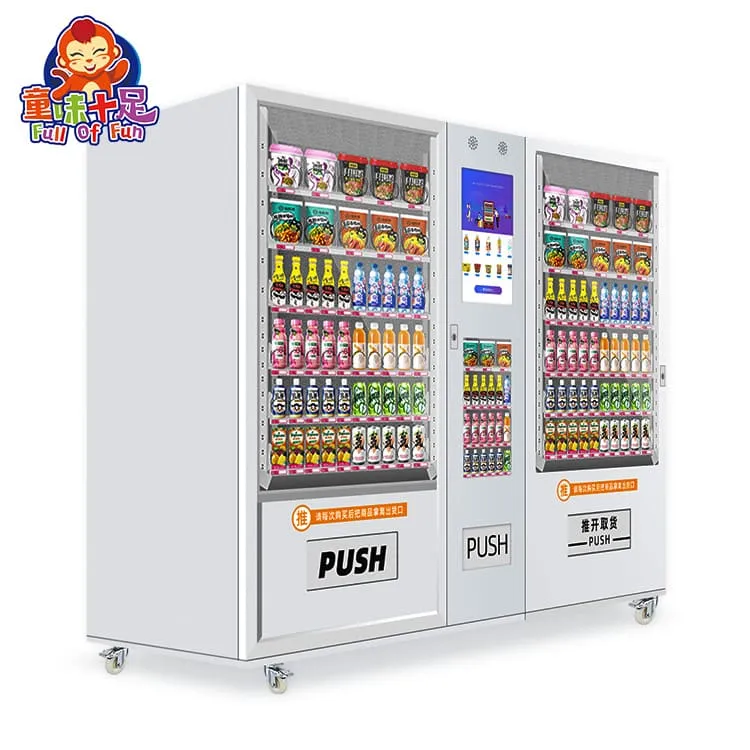
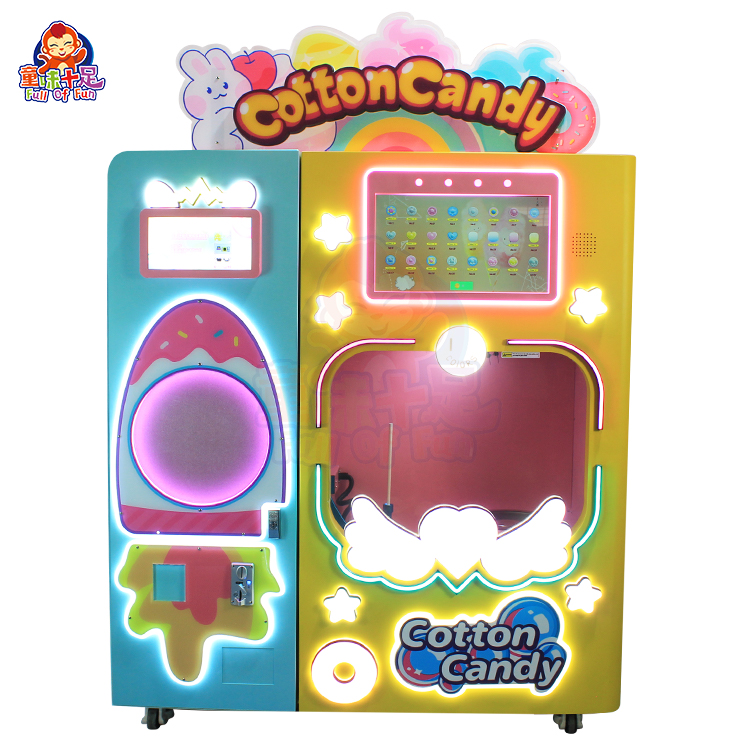
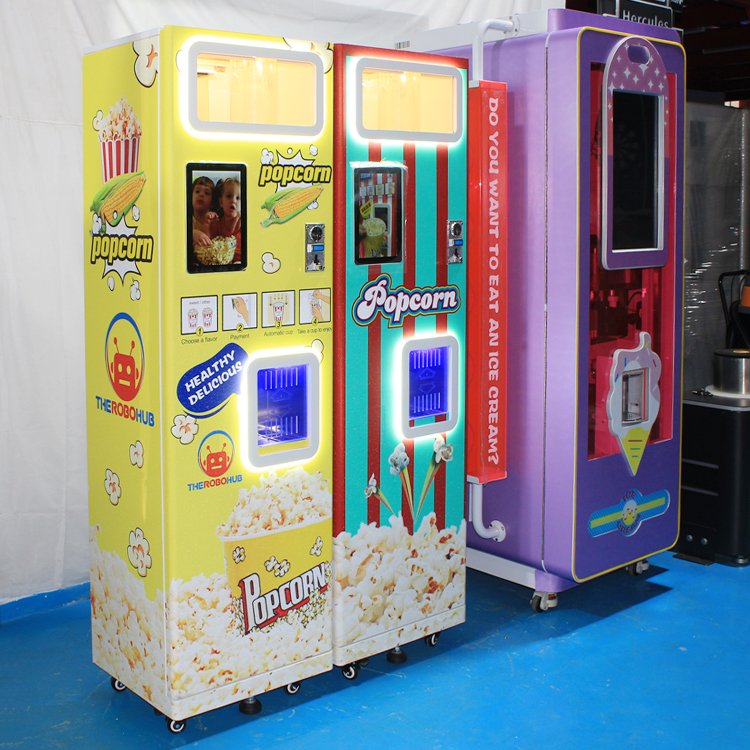
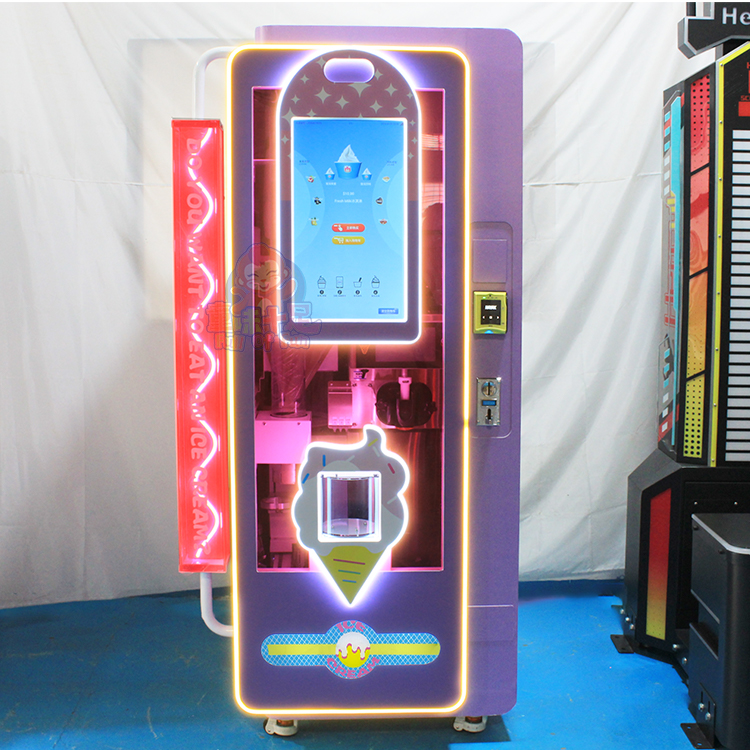
Once you understand the profit drivers and site dynamics, the next step is choosing reliable hardware. We specialize in manufacturing a comprehensive lineup of smart vending solutions, including dedicated beverage machines, snack setups, and highly adaptable combo models.
Every unit leaves our factory equipped with remote telemetry dashboards, real-time inventory alerts, mainstream mobile payment support, and energy-efficient climate control systems. Built for intuitive operation, our machines support both independent startups and large-scale deployments. Backed by a 1-year warranty and 24/7 technical support, we are here to help you select the most profitable configuration for your budget and target market.