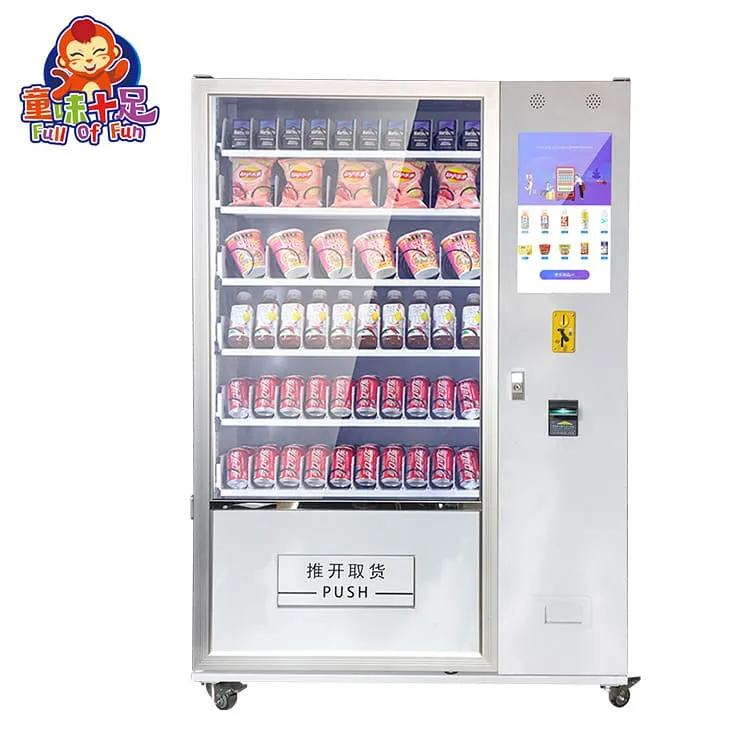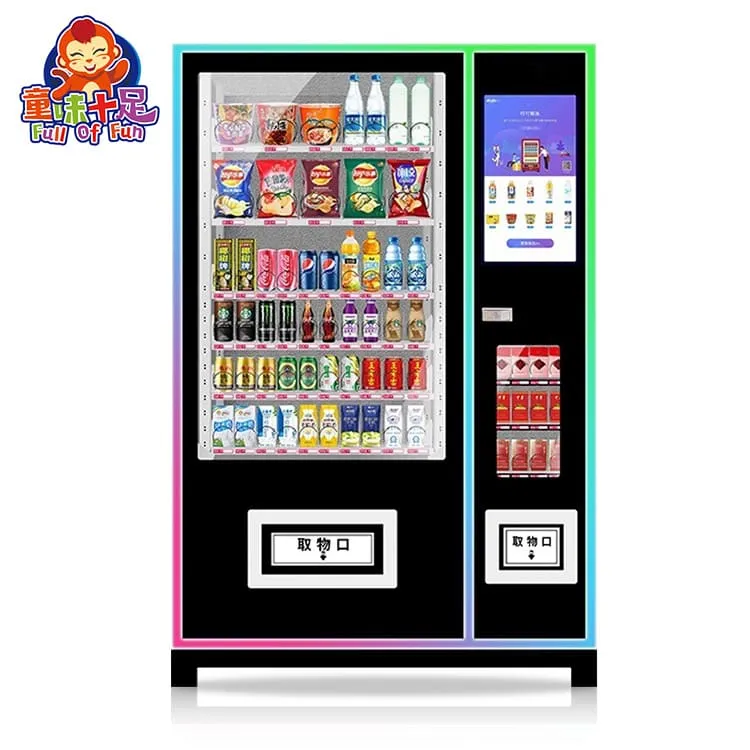
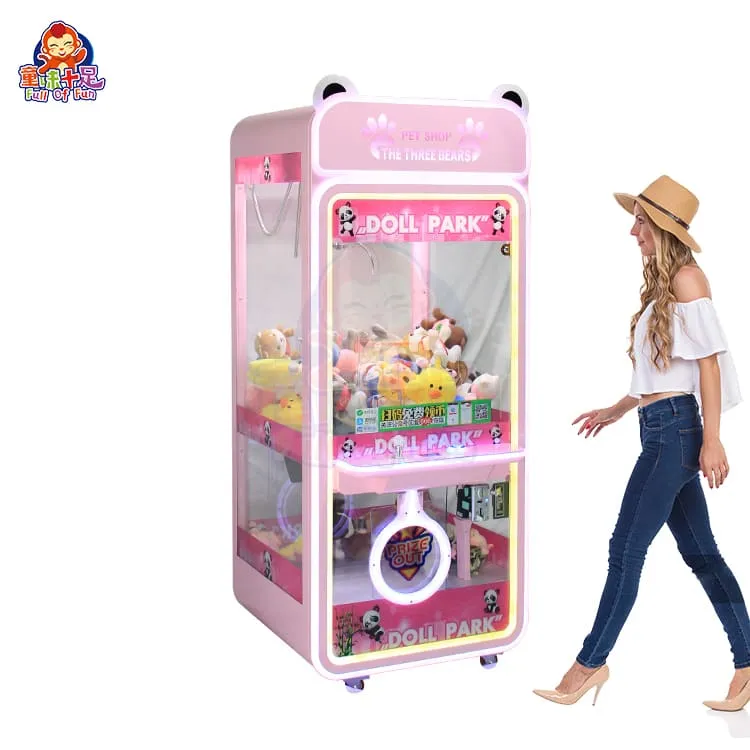
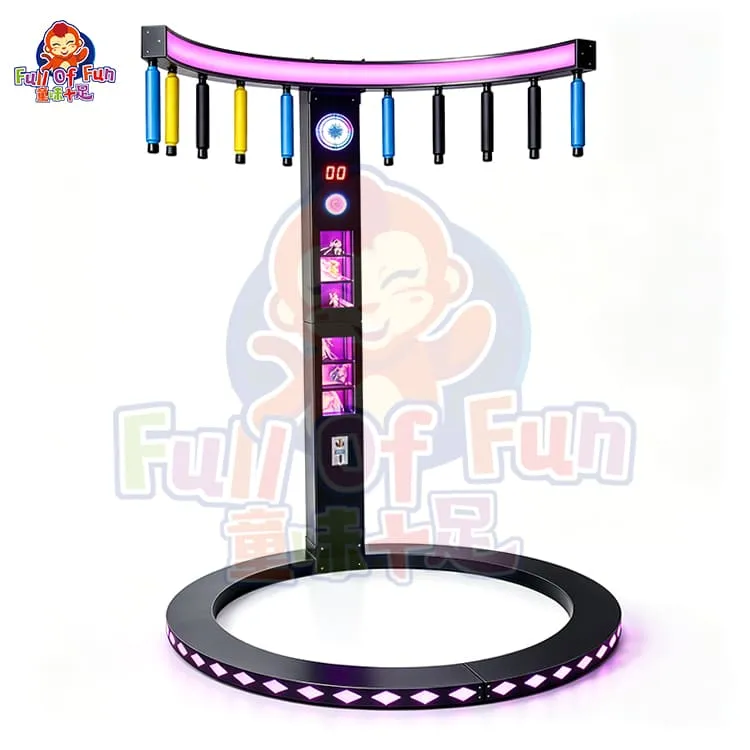

Vending machines are still a business with strong potential in 2026, but it is no longer a project where you can simply “place one machine and make money.”
Under high-quality locations, a single machine usually generates $200–$650 in monthly net profit, with industry gross margins generally at 40%–60%. If product selection and supply chain are well optimized, some niche categories can even remain stable at over 70%. The payback period is mostly concentrated in 10–18 months, but the premise is that the operational strategy is correct.
Simply put, the essence of this business is not selling machines, but building a low-cost, replicable offline retail network.
Why Can Vending Machines Still Make Money?
Many people think vending machines are outdated, but in fact, the opposite is true. With the popularity of mobile payments, unmanned retail, and intelligent management systems, this industry is actually upgrading.
Its core advantages lie in three points:
- Light cost structure: almost no labor cost
- Stable cash flow: high-frequency, small-ticket consumption
- Strong scalability: one model can be quickly replicated
At the same time, the market is still growing. The global smart vending machine market currently maintains an annual growth rate of about 12%, especially in “closed scenarios” such as hospitals, schools, and office buildings, where demand remains very stable.
But it should be noted:
👉 The industry is profitable, but not everyone can make money.
Core Profitability Analysis of Vending Machines: Full Category Comparison (Table Summary)
According to data statistics, different types of vending machines show significant differences in profitability:
| Machine Type | Average Gross Margin | Restocking Frequency | Profit Contribution |
|---|---|---|---|
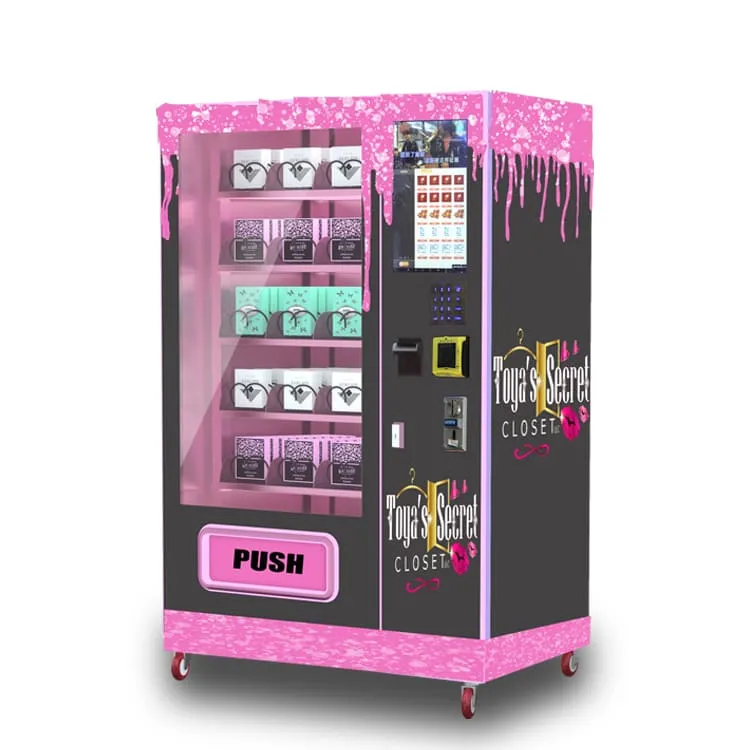
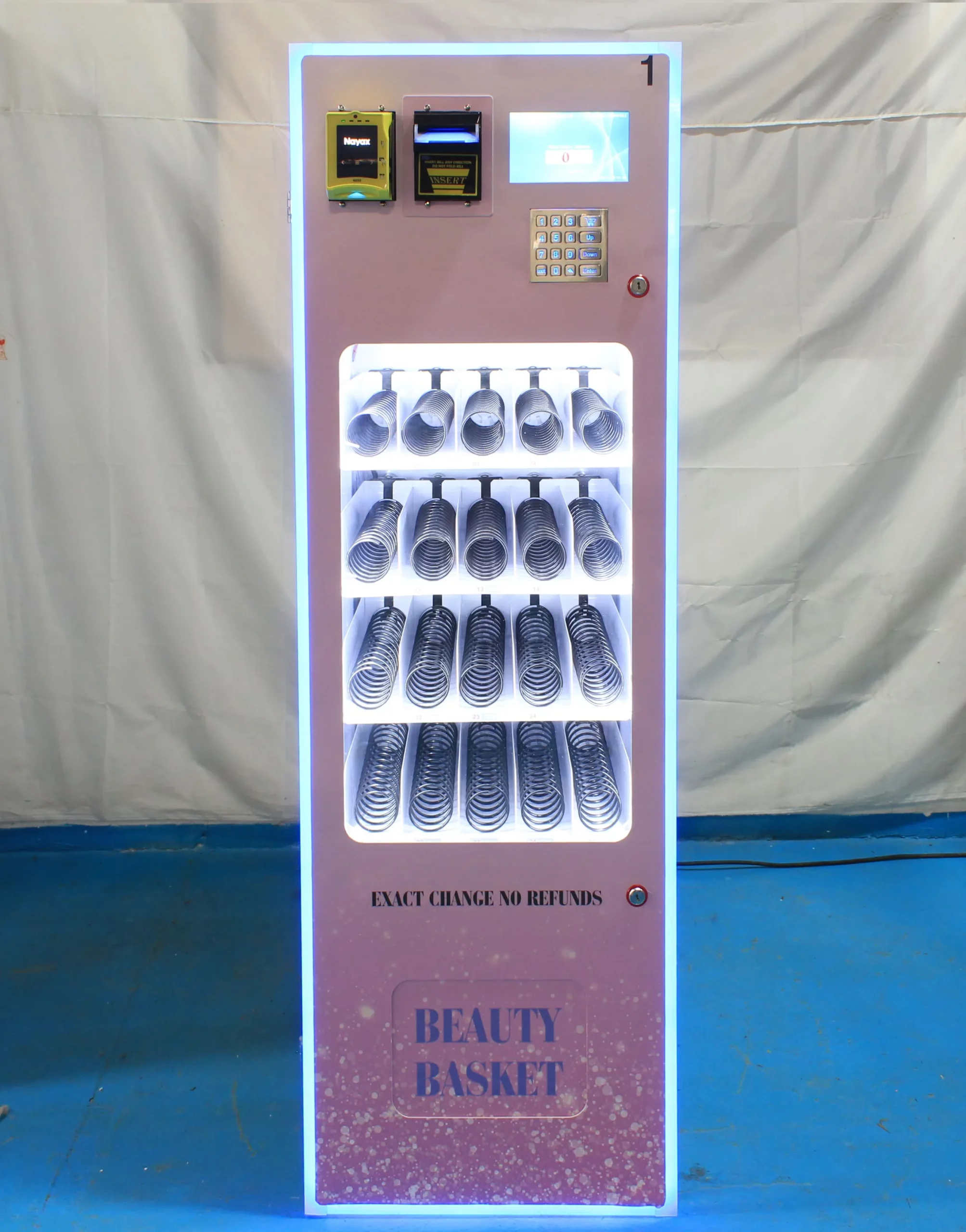
| Beauty & Cosmetics Vending Machine | 60%–75% | 1–2 times/month | High-premium vertical field |
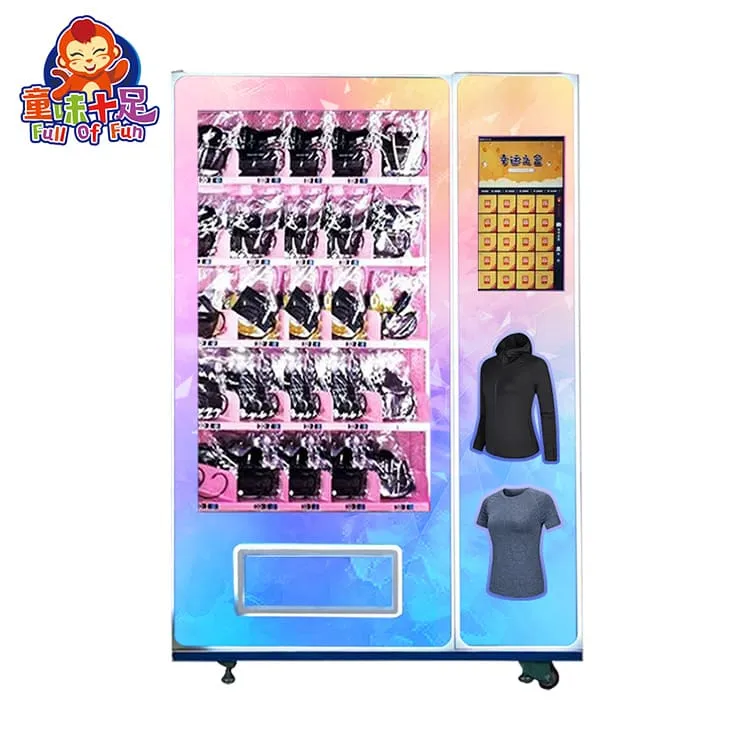
| Traditional Snack/Beverage Vending Machine | 40%–50% | 1–2 times/week | Stable cash flow |
| Fresh Food/Prepared Meal Vending Machine | 35%–45% | Daily | High ticket but high loss |
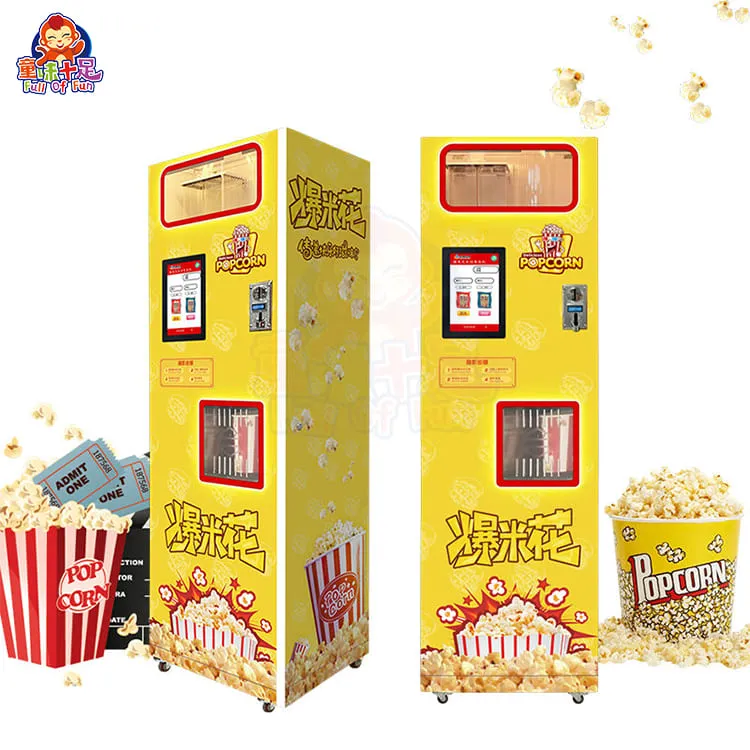
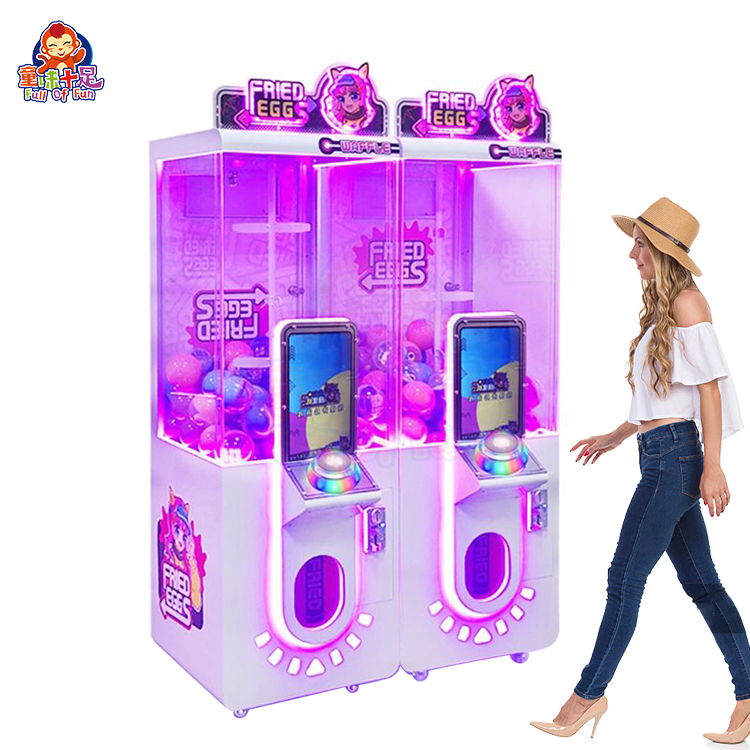
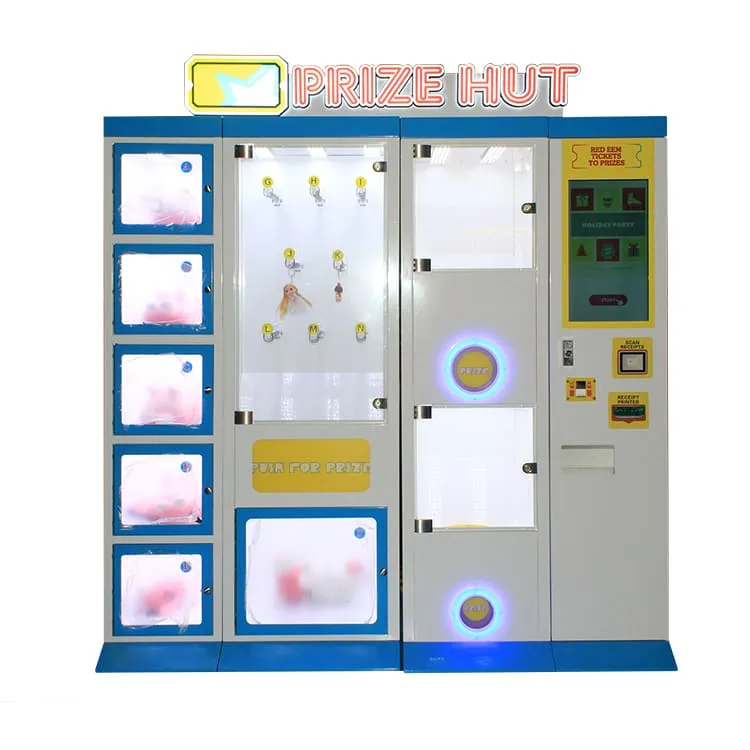
| Trend Toys/Blind Box Vending Machine | 55%–70% | Irregular | Strong impulse consumption |
Factory First Perspective: The Overlooked Profit Key in Vending Machines
Many beginners’ first reaction is always “how much does this machine cost,” but what truly determines whether you can make money is not the price, but the stability of the equipment.
As an engineer with 15 years of experience in the vending machine manufacturing industry, I have seen too many clients choose low-cost equipment at the beginning to reduce costs, only to continuously “lose money invisibly” in later operations, even affecting the long-term revenue of the entire location.
A typical case is that a client used low-end machines to sell glass bottled drinks and fragile snacks. Due to unstable equipment structure, the jam rate once reached as high as 8%. This means:
- Out of every 100 transactions, 8 fail directly
- Not only losing that sale, but also reducing user trust
- In the long run, it significantly affects repurchase rate
Later, after replacing with equipment equipped with elevator systems and infrared detection, the overall operation improved significantly:
- Jam rate reduced to below 1%
- Restocking efficiency increased by about 30%
- Overall gross margin improved accordingly
From this change, a key logic can be seen:
👉 Every failed delivery is a definite loss, and it will continuously accumulate.
Therefore, in the vending machine business, equipment should not only be viewed as a “procurement cost,” but should be understood as a core variable that affects long-term revenue stability and profitability.
5 Core Factors Affecting Vending Machine ROI
To achieve high conversion, you must understand the following selection logic:
Location
Determines base traffic and is the “ceiling” among all variables. Closed high-frequency scenarios such as hospitals, schools, and factory rest areas have much higher priority than ordinary commercial districts.
Product Mix
Not simply selling products, but structural design. High-margin products (coffee, cosmetics) are responsible for profit, while high-turnover products (drinking water, snacks) ensure cash flow.
Operating Costs (OpEx)
Including site fees, electricity, and payment processing fees. These may seem low, but will continuously erode profits over time.
Technology
Through remote systems or AI-based restocking prediction, stockouts and unsold inventory can be reduced, thereby lowering losses and improving efficiency.
Durability
Stable equipment means less downtime, and “downtime = no revenue,” which is a hidden cost many people overlook.
Why Do Some People Make Money While Others Lose in the Vending Machine Business?
In the same vending machine business, some people can achieve stable profits with dozens of machines, while others lose money even with one. The fundamental difference usually lies not in the industry, but in the operating model.
It can be summarized into three basic points:
- Location resources: Good locations are often not easily obtained in the open market, but require long-term accumulation, connections, or negotiation ability. Once the location is wrong, it is difficult to reverse later.
- Data mindset: Profitable operators continuously analyze data and adjust structure, such as eliminating slow-moving products and adding high-margin items, rather than mechanically “restock and sell.”
- Long-term perspective: This is not a short-term high-profit business, but one that requires time to build a network and gradually expand profits.
But if it only stops at these three points, it is still not enough. The real gap is often in execution details:
- Equipment selection ability: Those who understand prioritize stability and delivery structure rather than simply comparing price, avoiding the problem of “jam = continuous loss.”
- Product mix capability: A well-designed structure includes both high-margin and high-turnover products, ensuring both profit and cash flow.
- Operational efficiency management: Including restocking route planning, inventory turnover control, and whether to use remote management systems—all directly impact actual profit.
- Cost control awareness: Negotiation of site fees, supply chain sourcing, and payment fee optimization—these details create significant differences over time.
So you will notice a very realistic phenomenon:
👉 Some people start making money with 5 machines, while others are still losing money with 20 machines.
The fundamental reason is not scale, but whether the model works.
Further speaking, those who truly make money usually have a complete closed loop:
- Able to secure suitable locations (front-end)
- Able to optimize product structure (mid-end)
- Able to control costs and efficiency (back-end)
Therefore, the conclusion is clear:
👉 Those who make big money are not those with more machines, but those with the right model; not those who expand fast, but those who operate steadily.
How to Calculate the Potential Profit of a Vending Machine Business?
The biggest problem for many people is: they invest money without calculating clearly.
In fact, the calculation logic is very simple and can be done in four steps:
Step 1: Calculate revenue
Daily sales × average order value
Example: 50 orders × $2 = $100
Step 2: Calculate gross profit
$100 × 60% = $60
Step 3: Deduct costs
After subtracting site fees, electricity, and losses, about $40–$45 remains
Step 4: Calculate payback period
Machine cost ÷ monthly profit
If one machine costs $3000 and generates about $1000 net profit per month, it can pay back in about 3 months. But in reality, most cases fall within 10–18 months, which is more reasonable.
The key is not the formula, but:
👉 Whether your sales estimation is realistic.
2026 Vending Machine Trends: Not “More,” but “Better”
If we summarize the vending machine industry over the past few years, there is a clear shift:
From early “competing in quantity and placement” to today’s “competing in refined operations.”
The previous logic was: more machines = higher revenue
But now the reality is: if the model is wrong, more machines = faster losses
Why has this change occurred? There are three fundamental reasons:
- High-quality locations are becoming increasingly scarce
- User demand is upgrading, no longer just “buying water and snacks”
- Competition is increasing, requiring differentiation and efficiency improvement
Under this background, future opportunities are becoming clearer.
First is vertical categories. Compared to traditional snack machines, niches like cosmetics, coffee, and trend toys are more likely to achieve high margins and differentiation. For example, coffee machines essentially sell an “instant consumption scenario,” rather than just beverages; cosmetics and toys rely more on impulse consumption and brand premium.
Second is the micro unmanned supermarket model. The profitability of a single machine is limited, but by combining multiple machines (snacks + drinks + coffee + fresh food), a “mini retail space” can be formed at one location, significantly increasing average order value and overall revenue. This model is becoming more common in office buildings, communities, and factory scenarios.
Going deeper is data-driven operation. Future profitable operators will not rely on intuition, but on backend data to make decisions, such as:
- Which products sell slowly and need to be replaced
- Which time periods have higher sales and need inventory adjustment
- Which locations need additional machines
This refined operation can significantly reduce losses and improve the output efficiency of each machine.
So this trend can be summarized in one sentence:
👉 Vending machines are upgrading from “selling products” to “building retail scenarios.”
Conclusion: Is the Vending Machine Business Still Worth It?
Back to the core question—Is the vending machine business still worth doing in 2026?
The answer is: Yes, but it is no longer suitable to “do casually.”
This industry still has the advantages of stable cash flow and scalability, but the barrier has changed. In the past, the barrier was “whether you have money to buy machines.” Now, it is “whether you have the ability to run a working model.”
If you just want to try it as a side business, you can start with 1–2 machines to test locations, product structure, and operational processes. At this stage, the focus is not making money, but “validating the model.”
But if your goal is long-term profitability or scaling, it is recommended to plan 5–10 machines as a small operational unit from the beginning. Only at this scale can you:
- Share restocking and operational costs
- Test different locations and product combinations
- Form a basic data feedback loop
Ultimately, you will find that the real core of this business is not the machines themselves, but whether you have built a replicable, optimizable, and scalable operational system.
In other words:
👉 A vending machine is not “buy one and make money,” but “run a model to make money.”
Get Your Customized Vending Machine Profit Plan
If you are considering entering the vending machine industry but are unsure whether your city is suitable, how to choose locations, or what type of equipment to use, making a more realistic profitability estimation before investing is far more valuable than blind trial and error.
We can create a customized profitability plan based on your actual situation (city, traffic type, budget), including location suggestions, product mix, expected payback period, and corresponding equipment recommendations—helping you calculate clearly and reduce risks before starting.
If you are interested in learning more, you can directly contact our consulting team. We will provide a more specific and actionable plan rather than general suggestions.
FAQ
Q1: How long does it take for a vending machine to break even?
In most cases, the payback period is between 10–18 months. With good locations and optimized product structure, some machines can pay back faster; otherwise, it may take longer.
Q2: Can beginners with no experience enter the vending machine industry?
Yes, but it is not recommended to invest at scale from the beginning. A better approach is to start with 1–2 machines to test the model and gradually expand.
Q3: Do vending machines need daily maintenance?
Not necessarily. It depends on traffic and sales volume.
Q4: How is location rent usually charged?
Two common models:
- Revenue share (10%–20%)
- Fixed rent ($50–$150/month)
Q5: How many machines can one person manage?
With system support, usually 30–50 machines.
Q6: What are the most common mistakes?
- Wrong location
- Unstable equipment
- Poor product mix
Q7: Is there still opportunity in 2026?
Yes, but the approach has changed. It is now more about refined operations and niche categories rather than simply placing more machines. Whoever can run the model successfully will have long-term profitability.