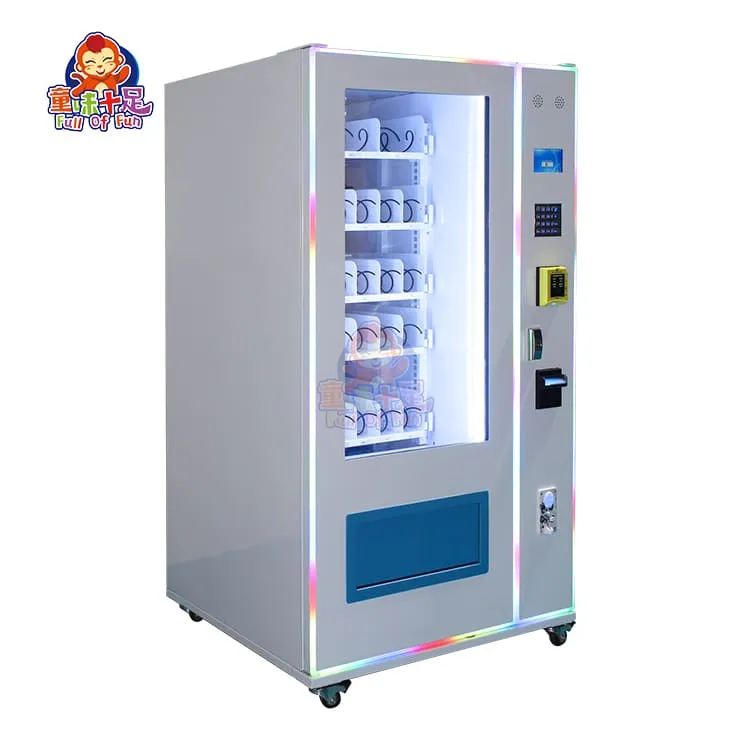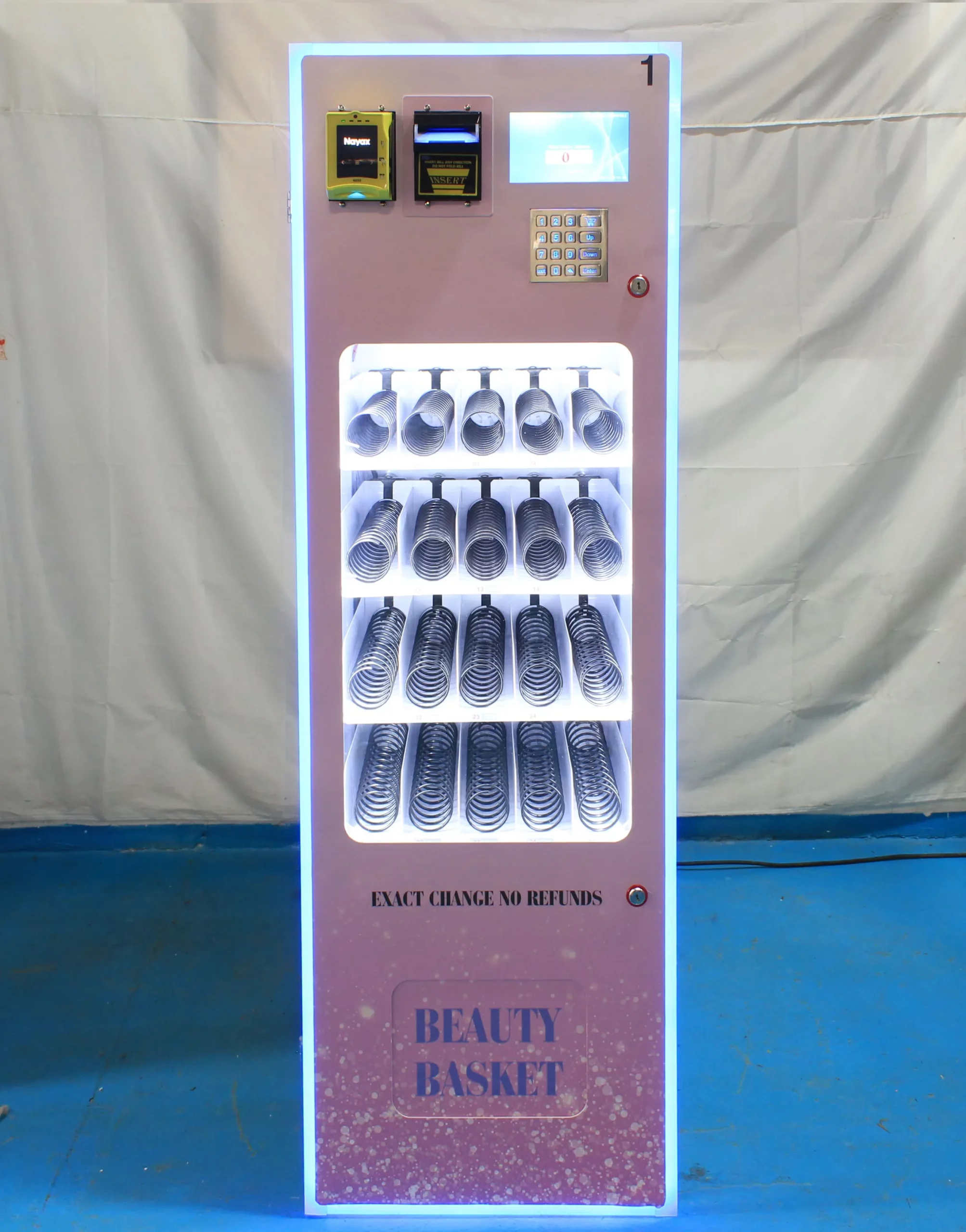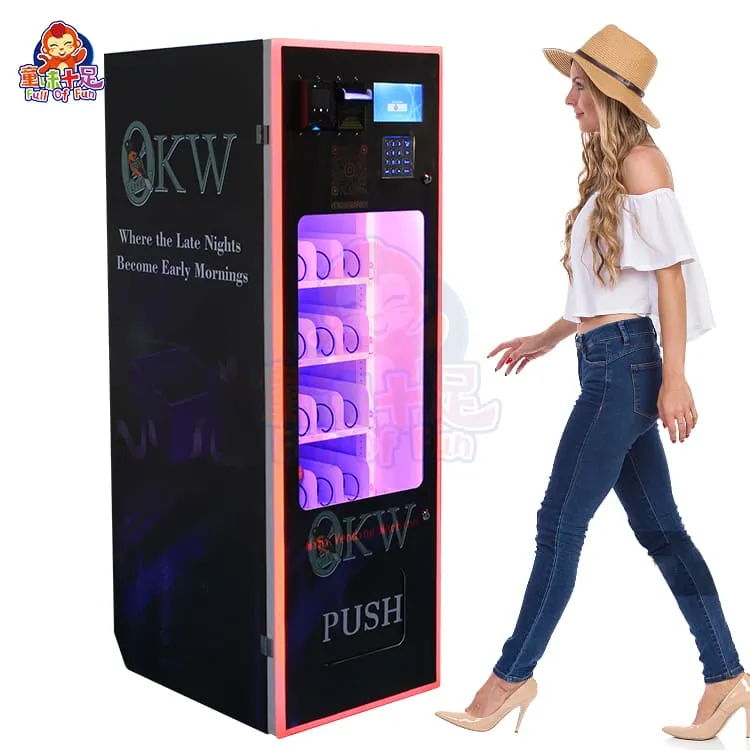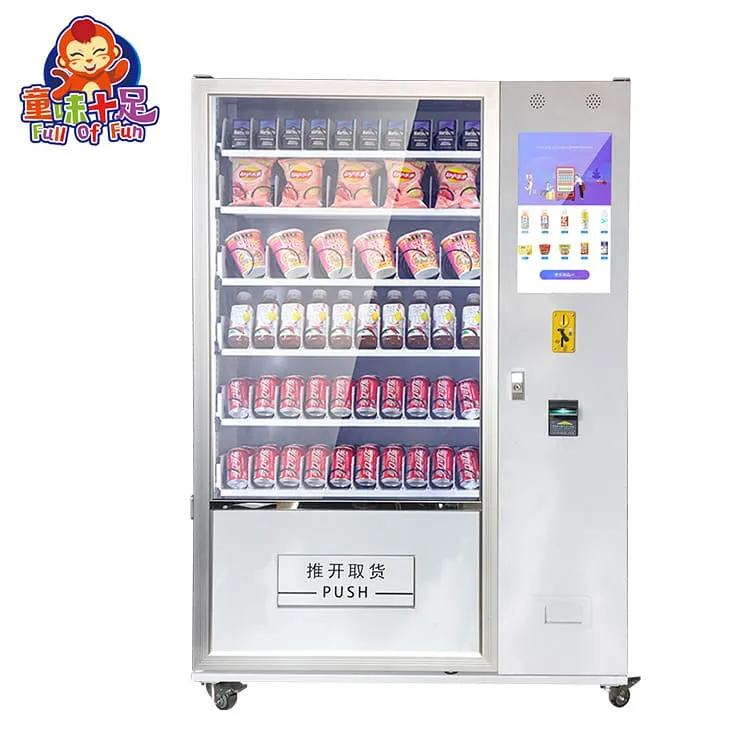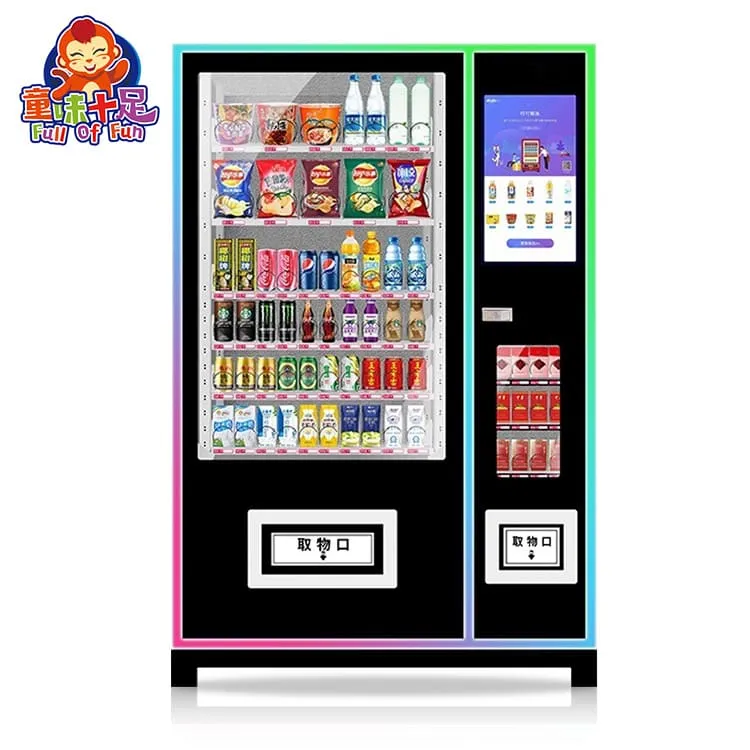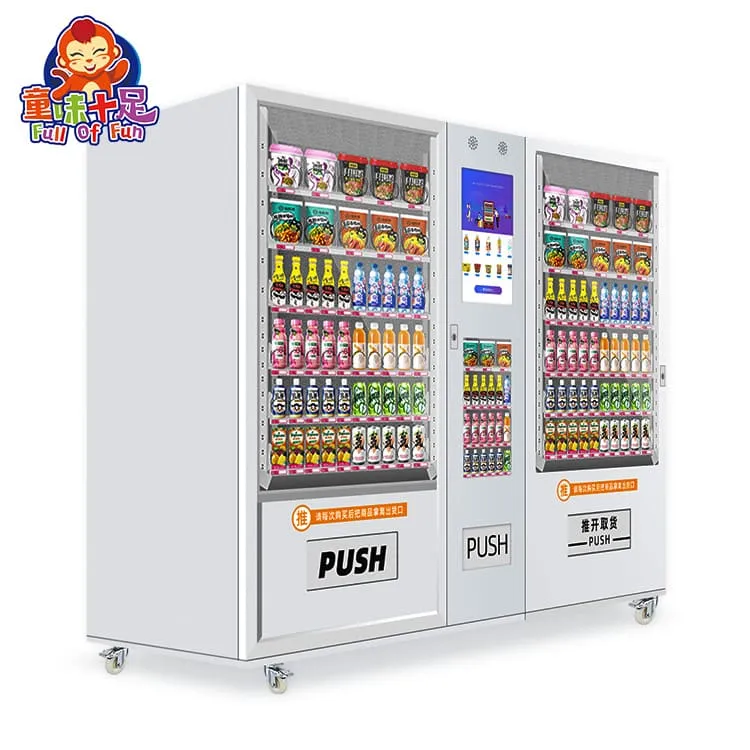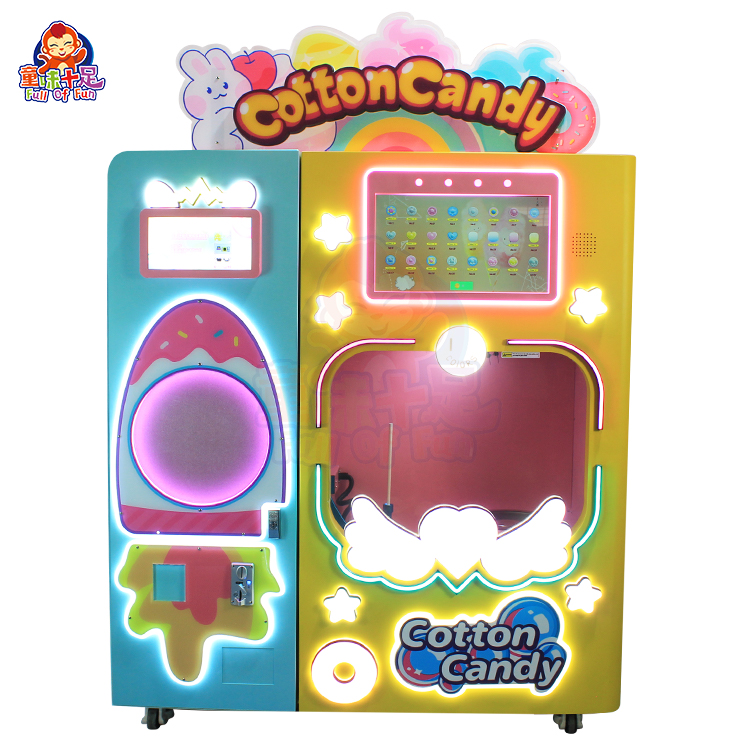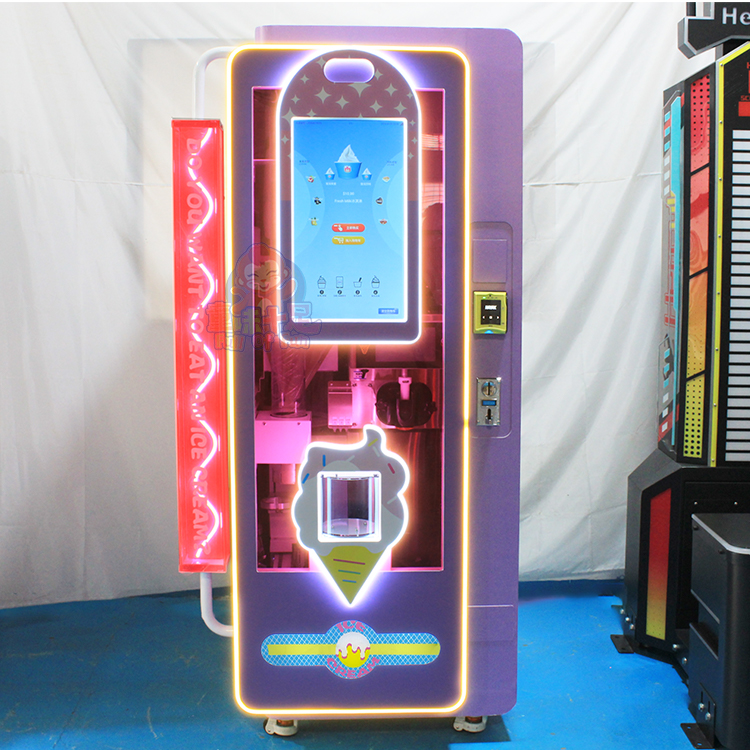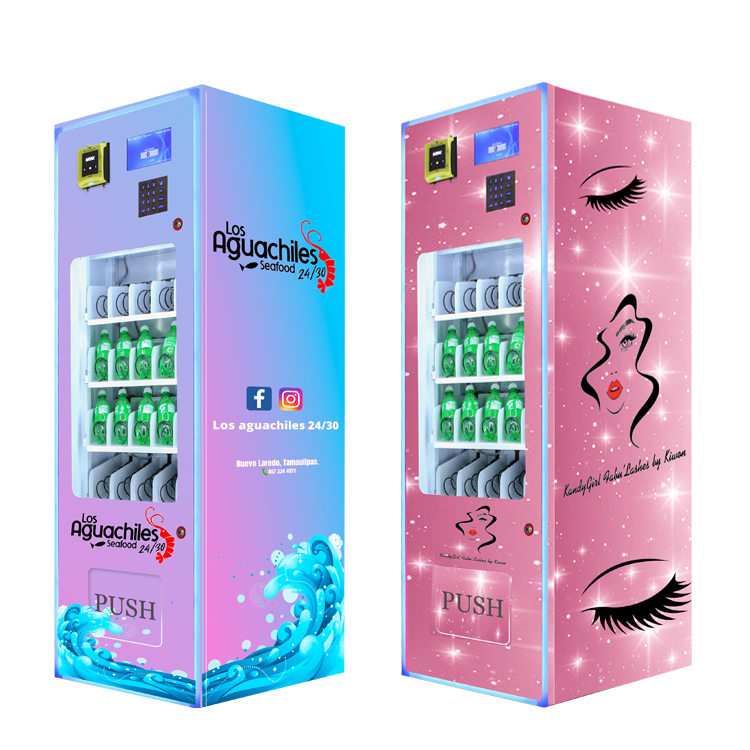
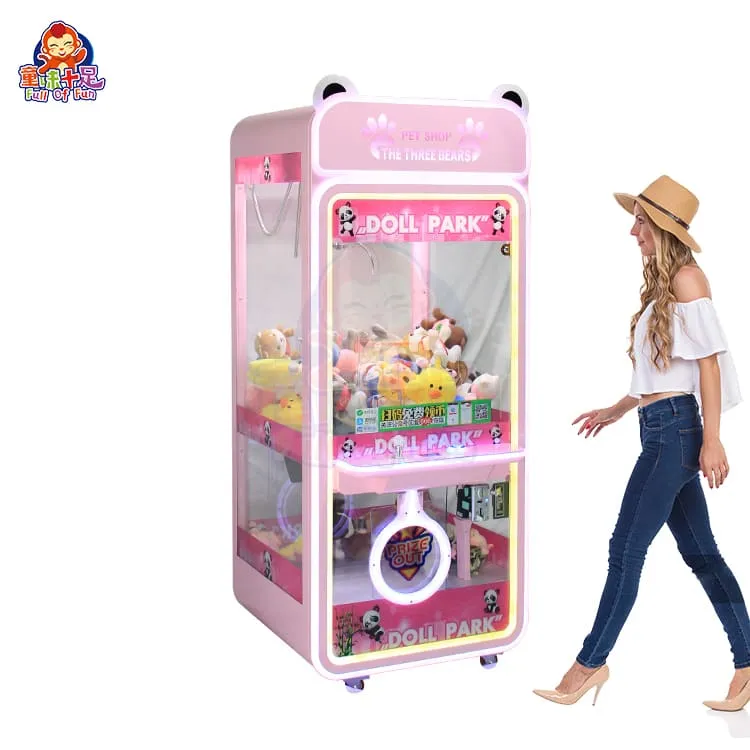

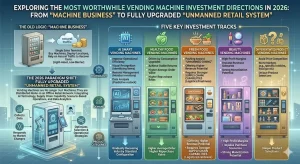
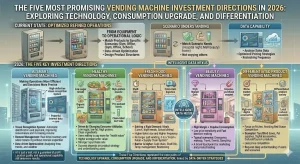
The most worthwhile vending machine investment directions in 2026 are mainly concentrated in five key tracks: AI smart vending machines, healthy food vending machines, fresh food vending machines, beauty vending machines, and differentiated product vending machines. Among them, AI vending machines improve operational efficiency through visual recognition, remote management, and data analysis, and are gradually becoming the industry’s standard configuration. Meanwhile, health-focused vending machines, driven by consumption upgrades, achieve stable returns through higher average order value and higher repurchase rates.
At the same time, fresh food vending machines are pushing the industry toward “unmanned dining,” offering higher revenue potential but requiring stronger supply chain capabilities. Beauty vending machines, with high profit margins and impulse purchase scenarios, have strong monetization potential. Differentiated product vending machines, on the other hand, avoid price competition through niche markets and unique product selections. Overall, these five directions build the core investment opportunities in the vending machine industry from the perspectives of technology, demand, and product categories.
From a “Machine Business” to a Fully Upgraded “Unmanned Retail System”
Over the past decade, vending machines were often seen as a “light-asset, low-barrier” business model: purchase equipment, deploy locations, and rely on natural traffic to recover costs. However, by 2026, this logic is being completely reshaped. Vending machines are no longer just single sales terminals; they are evolving into an “unmanned retail system” that integrates AI technology, supply chain capability, scenario-based operations, and data analytics.
In other words, today’s vending machines are no longer simply “machines,” but distributed nodes in an offline retail network. Each device continuously collects data, responds to market changes, and optimizes product selection and operational strategies through system feedback. If you still operate with the mindset of “buy machines, place them, and wait for profit,” you are likely to be eliminated in competition.
This article will systematically break down the most promising vending machine investment directions in 2026 from three perspectives: industry trends, core tracks, and profit logic.
Industry Changes: Vending Machines Are Becoming More “Professional”
One thing must be made clear:
The vending machine industry has not become easier — the barriers to entry are quietly increasing.
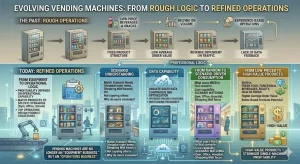
In the past, vending machines followed a very rough logic:
- Fixed product structure, mainly beverages and snacks
- Low average order value, relying on volume
- Revenue highly dependent on location traffic
- Lack of data feedback, operations based on experience
But now, this model is gradually being replaced. The new generation of vending machines is shifting toward refined operations, with three key changes.
1. From “Equipment Logic” to “Operational Logic”
In the old model, profitability depended on “deploying more machines”: the more machines and locations you had, the more money you made.
Today, this logic no longer works. What truly creates a gap is operational capability.
A typical change is that the same vending machine can generate several times more revenue depending on the operator. This gap mainly comes from three aspects:
- Product selection capability: Whether you can match products to specific scenarios (gym, office, school) directly determines conversion rate and average order value.
- Scenario understanding: Top operators design product structures based on why users consume in a specific location, rather than copying other locations.
- Data capability: By analyzing sales data, you can continuously optimize SKU combinations, pricing strategies, and restocking frequency.
Conclusion:
Vending machines are no longer an “equipment business,” but an “operations business.”
2. From “Random Consumption” to “Scenario-Driven Consumption”
In the past, vending machine purchases largely depended on “passing-by consumption,” which was highly random.
Now, consumption behavior is deeply shaped by scenarios.
Different scenarios create completely different demands:
- In gyms, users prefer high-protein foods and functional drinks
- In office buildings, lunch and coffee demand increases significantly
- In hospitals, nighttime essentials and basic goods are more popular
- In shopping malls, beauty products and emergency items trigger impulse purchases
This leads to a key shift:
What vending machines sell is no longer determined by “what you have,” but by “what users need in that scenario.”
Therefore, the core capability in the future is not sourcing, but scenario matching.
3. From “Low-Priced Products” to “High-Value Products”
Another obvious trend is the upgrade of product structure.
Traditional vending machines relied on low-priced products:
- Carbonated drinks
- Packaged snacks
- Ready-to-drink beverages
These products have clear disadvantages:
- Low average order value
- Limited profit margins
- High price competition
Now, more operators are shifting toward high-value products:
- Fresh food (salads, meals, lunch boxes)
- Functional beverages (sugar-free, energy drinks, protein drinks)
- Beauty and personal care products
- Health foods
This shift leads to a direct result:
Higher average order value = stronger single-machine profitability
More importantly, high-value products usually have:
- Stronger user loyalty
- Lower price sensitivity
- Better brand premium potential
This means vending machines are evolving from “low-end retail channels” to “high-efficiency retail terminals.”
The Five Most Promising Vending Machine Investment Directions in 2026
The key question is:
Which directions are truly worth investing in?
Instead of blindly deploying machines, choosing the right track is more important. These five directions represent the core paths of technology upgrade, consumption upgrade, and differentiation.
1. AI Smart Vending Machines: Industry Infrastructure
AI vending machines are no longer a novelty — they are becoming standard infrastructure.
Their core value is not “being more advanced,” but:
making operations more efficient and decisions more precise
A typical smart vending machine includes three key capabilities:
- Visual recognition system: Users can simply take items, and the system automatically identifies products and completes payment, improving convenience and increasing purchase volume.
- Remote management: Operators can monitor inventory, sales, and device status in real time without manual inspection.
- Data-driven optimization: Systems analyze time, sales trends, and even weather to optimize product selection.
Important note:
AI is just a tool, not a guarantee of profit. Location quality and operational capability still determine results.
2. Healthy Vending Machines: A Stable Model Driven by Consumption Upgrade
The growth of healthy vending machines comes from changing consumer attitudes. People now care more about:
- Low sugar, low fat
- High protein
- Clean ingredients
This leads to a key result:
Users are willing to pay more for “health value.”
Advantages:
- Higher average order value
- Stronger repurchase rate
But success depends on product strategy.
This track is not about machines, but about understanding users.
3. Fresh Food Vending Machines: From Snacks to “Unmanned Dining”
The most promising track may be:
fresh food vending machines
Because they solve a rigid demand — meals.
Key changes:
- Higher ticket size
- Higher frequency
- Clear usage scenarios
Examples: office lunch, hospital night meals, school dining
However, the barrier is higher:
- Cold chain logistics
- Shelf-life control
- Temperature management
- Restocking efficiency
This is no longer just vending — it is a “food + retail + supply chain system.”
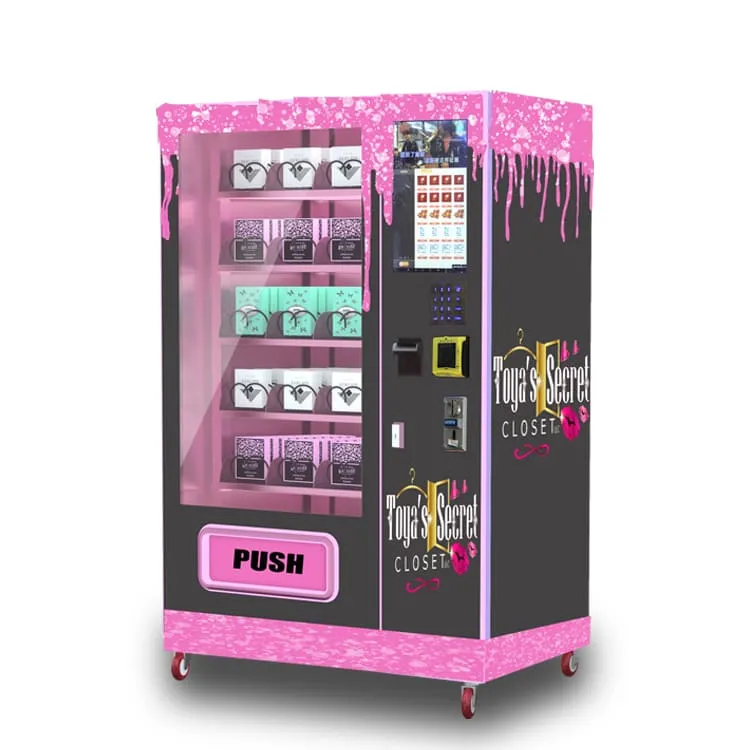
4. Beauty Vending Machines: High Margin + Impulse Consumption
Core advantages:
- High margins
- Fast decision-making
- Low price sensitivity
Typical scenarios:
- Emergency makeup needs
- Travel or events
- Sampling products
These machines are not just sales channels but also brand touchpoints for marketing and product testing.
5. Differentiated Product Vending Machines: Avoiding Red Ocean Competition
Instead of competing in saturated markets, focus on niches:
- Toys and blind boxes
- Pet supplies
- Digital accessories
- Cultural and tourism products
Advantages:
- Less price competition
- Stronger positioning
But requires deep understanding of users and scenarios.
Read More:Vending Machine Profits: Margins, ROI & Opportunities (2026)
Three Core Trends in 2026 (Underlying Logic)
1. Data Capability Determines the Ceiling
Future competition depends on:
- Data analysis
- Product optimization
- Efficiency improvement
2. Fresh Food Trend Is Irreversible
Vending machines are evolving into dining solutions.
Advantages:
- Higher ticket size
- Higher frequency
- Stable demand
But requires strong system capabilities:
- Cold chain
- Shelf-life management
- Temperature control
- Fast restocking
This is essentially a lightweight food supply chain system.
3. Location Becomes the Core Asset
Same machine, different locations = 3–10x revenue difference
High-value locations:
- Hospitals
- Schools
- Office buildings
- High-end communities
Core logic:
Location determines opportunity.
Conclusion: The Real Investment Is Capability, Not Machines
In 2026, vending machines are no longer about equipment, but operations.
Key directions:
- AI
- Health
- Fresh food
- High-margin categories
- Differentiation
But success depends on:
- Location selection
- Product selection
- Operations
- Data capability
Why Choose Our Vending Machines (Direct Supply from China Factory)
In an increasingly competitive market, choosing a vending machine is choosing your long-term operational infrastructure.
We provide not just machines, but a complete unmanned retail solution.
Our Advantages:
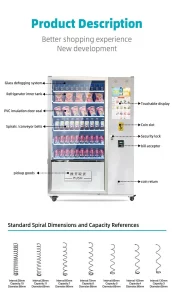
Powerful Cooling System — Fast Refrigeration & 24/7 Freshness
Ensures stable performance even in high-temperature environments, reducing product loss.
Large-Capacity Storage — Multi-Layer Display for Diverse Products
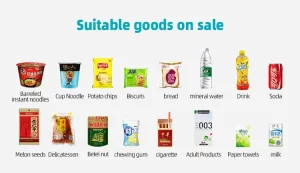
Supports multiple product categories and maximizes profitability.
Smart Temperature Control — Optional Dual Cooling/Heating Zones
Flexible configuration for drinks, meals, and hot food.
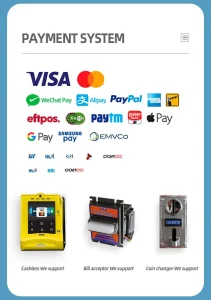
Multi-Payment System — Supports QR Code, Coin, Card & Cashless Options
Compatible with global payment habits.
Industrial-Grade Compressor — Energy-Saving & Ultra-Quiet Operation
Durable, efficient, and suitable for multiple environments.
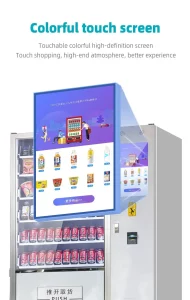
HD Touch Screen — Interactive Shopping & Dynamic Advertising Display
Enhances user experience and enables additional revenue.
Cloud Management Platform — Remote Control of Sales, Stock & Temperature
Improves efficiency and reduces labor costs.
Customizable Design — Logo, Lighting, Interface & Payment Options Available
Supports OEM/ODM customization.
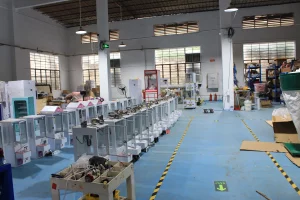
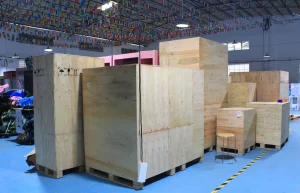
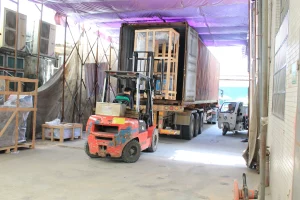
Why Choose a China Source Factory?
Compared to middlemen:
- Better pricing
- Quality control
- Stable delivery
- Flexible customization
- Long-term support
Summary
In 2026, vending machines are no longer just sales tools, but the core of your unmanned retail system.
Choosing a stable, efficient, and scalable vending machine is the foundation for long-term growth.
If you are looking for a reliable supplier, a China source factory is your best partner for entering and scaling in this market.