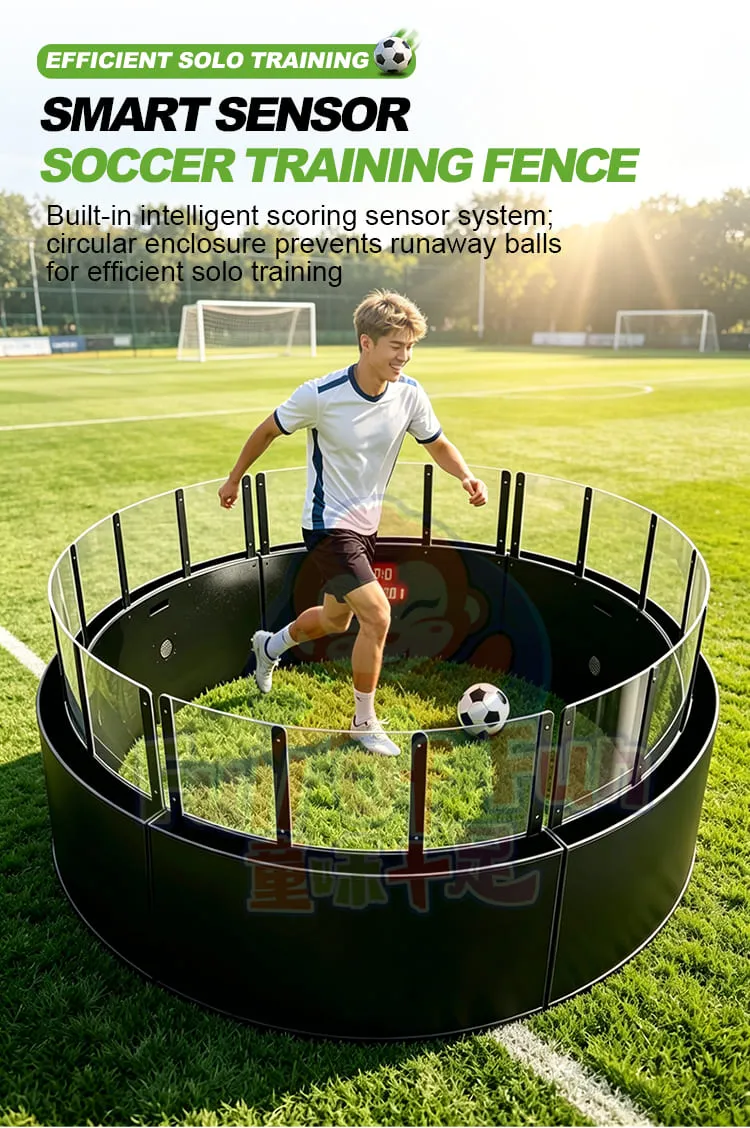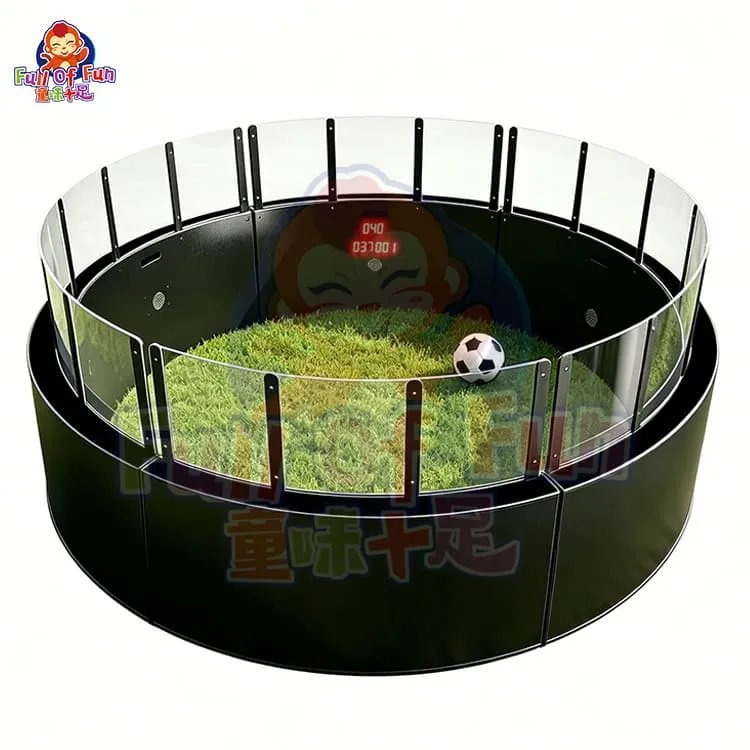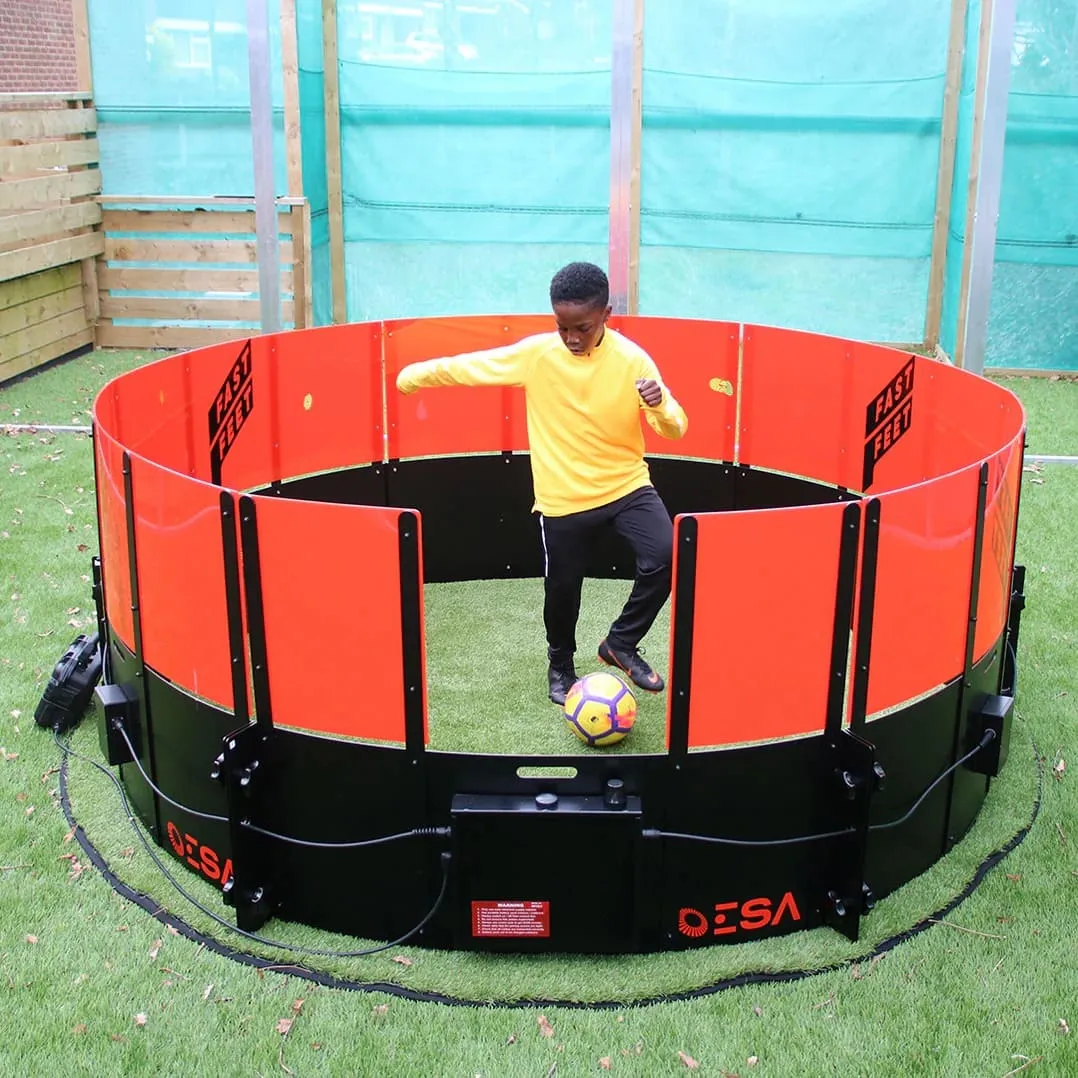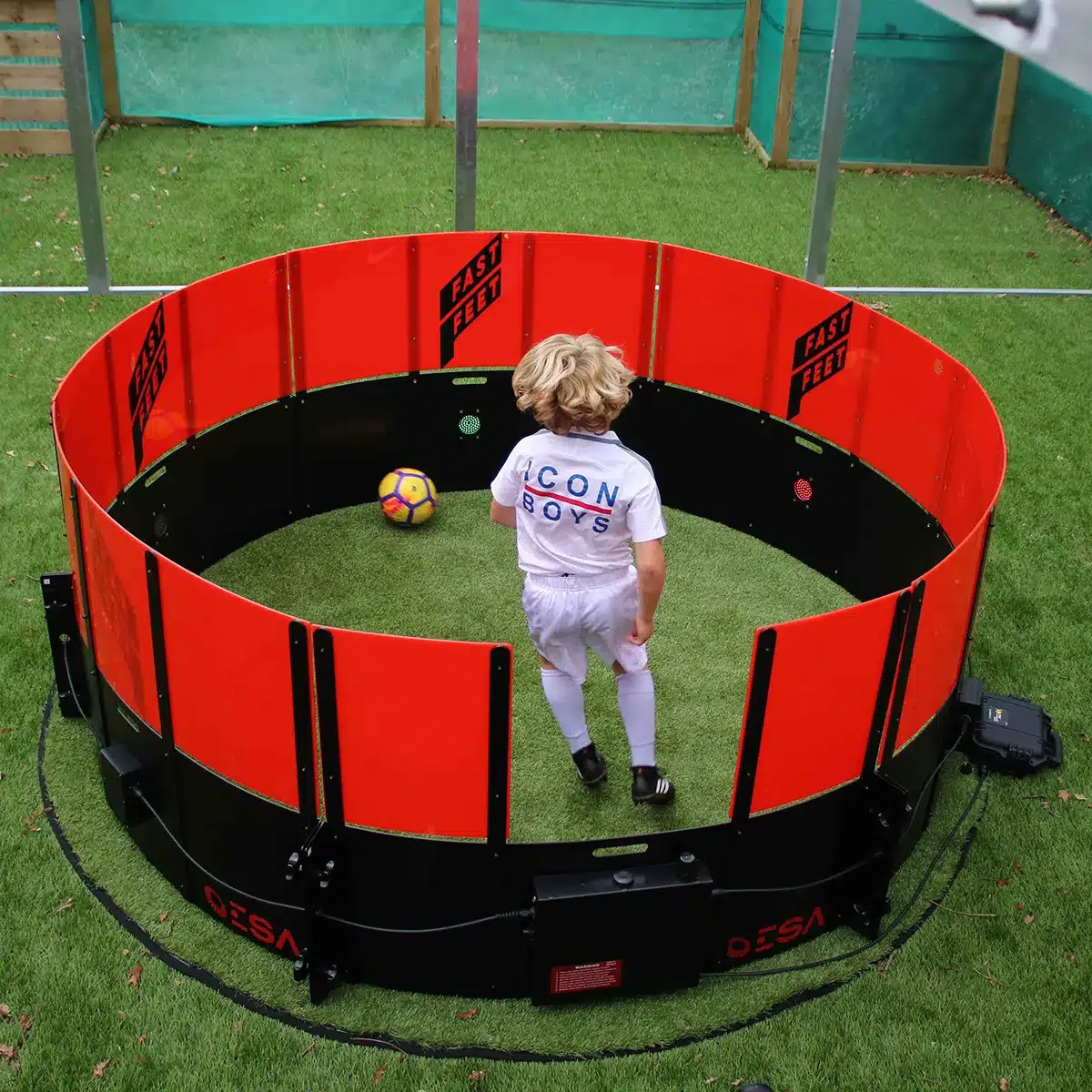
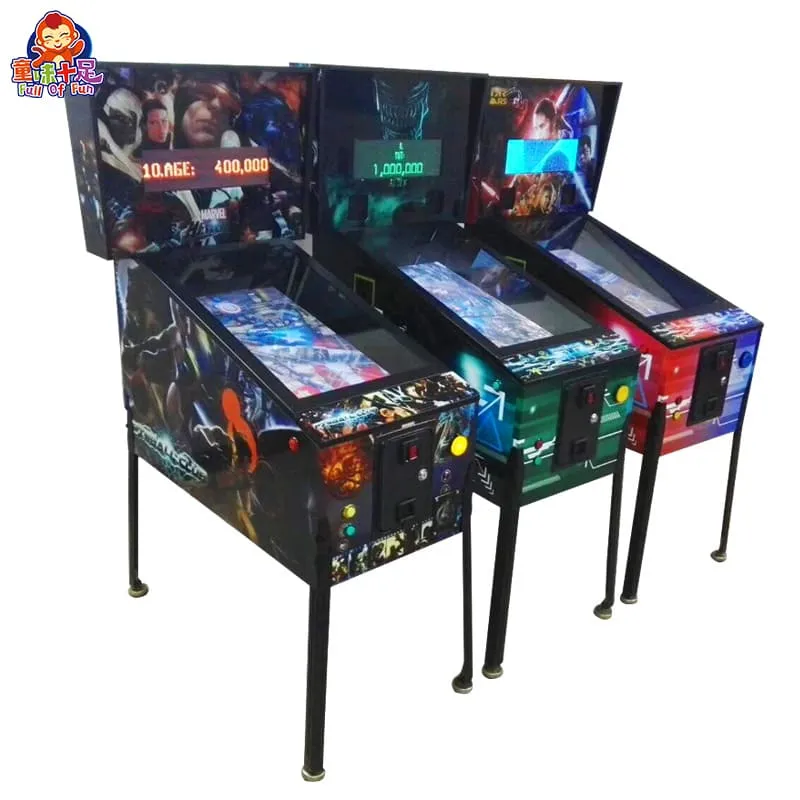

Here’s the short answer: a Fast Feet arcade machine earns its keep not from one coin drop, but from how long it holds a player and how many people it pulls in behind them. In a decent spot, plan for $30–$120 a day in direct play, with payback landing somewhere in 8–18 months . Those are planning ranges, not promises — where you land depends on placement far more than on the machine.
These figures come from 15 years of shipping arcade and active-gaming machines to operators in more than 100 countries. We’ve watched the exact same model print money in one venue and gather dust in another 40 miles up the road.
The biggest mistake buyers make? Treating an interactive football machine like “just another cabinet.” It isn’t. Fast Feet sells movement, and movement pulls a crowd in a way a seated screen never will. This guide covers how the game works, where to put it, a revenue model most suppliers skip, realistic cost and payback numbers, the mistakes that quietly kill your return, and what to confirm before you order.
Why the Fast Feet Arcade Machine Fits Active-Gaming Demand
Active gaming is becoming one of the most promising growth segments in the arcade industry, driven by increasing demand for interactive and immersive entertainment experiences. According to Grand View Research’s report on the global arcade game machines market, the market was valued at approximately USD 11.0 billion in 2025 and is projected to reach around USD 31.0 billion by 2033, growing at a CAGR of about 14.8%. While traditional redemption cabinets remain an important part of the market, the industry trend is shifting toward interactive machines that encourage players to stand up, move, and engage physically.
Why does that shift favor a Fast Feet unit? Because footwork gameplay does three things a screen game can’t:
- It draws a crowd. People stop to watch someone sprint through a light drill.
- It invites the rematch — the single most valuable behavior on any arcade floor.
- It films and photographs well, turning players into free promotion for your venue.
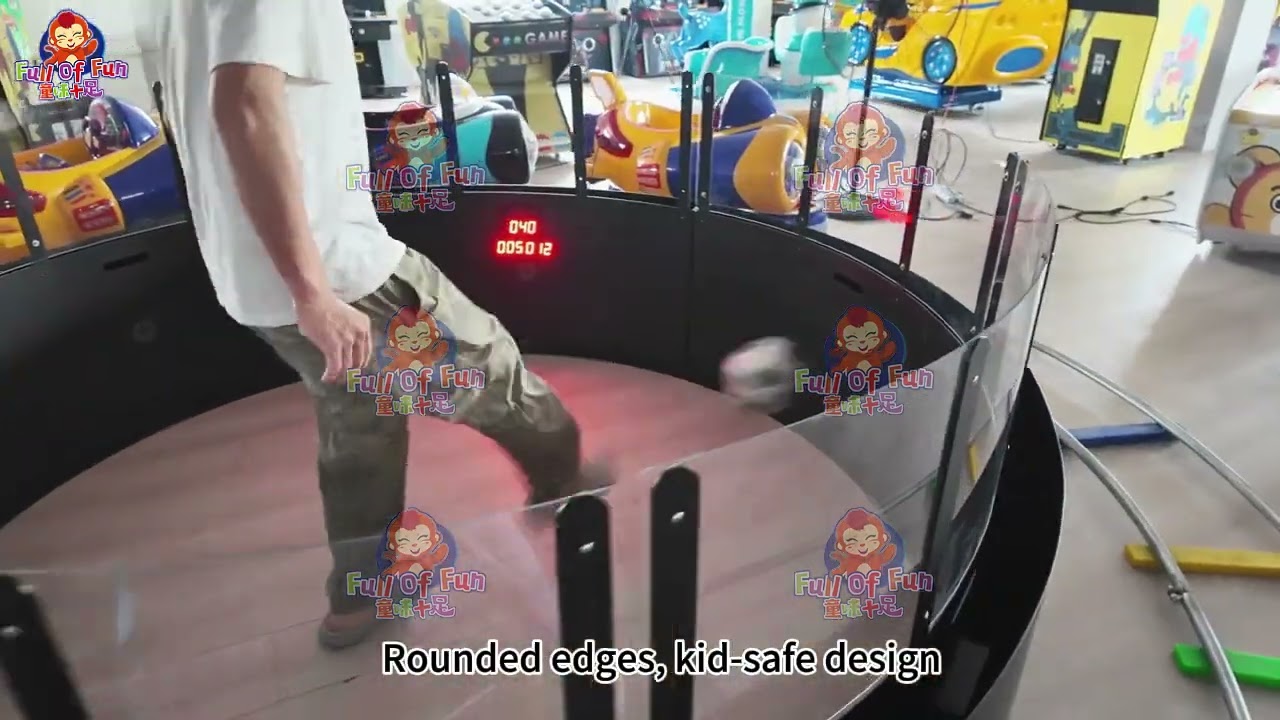
Fast Feet is accessible to two audiences at once: football fans who want to test their touch, and casual players who just want a quick physical challenge. That dual appeal matters, because the machine has to earn on a mixed floor, not a niche one.
One clarification worth making early: an FEC values this machine differently than a gym does. An entertainment venue wants paid plays and spectator pull. A training-focused gym or club wants engagement and repeat visits. Same machine, two different scorecards — which is exactly the placement question we tackle below.
How Icon Fast Feet Works for Players and Operators
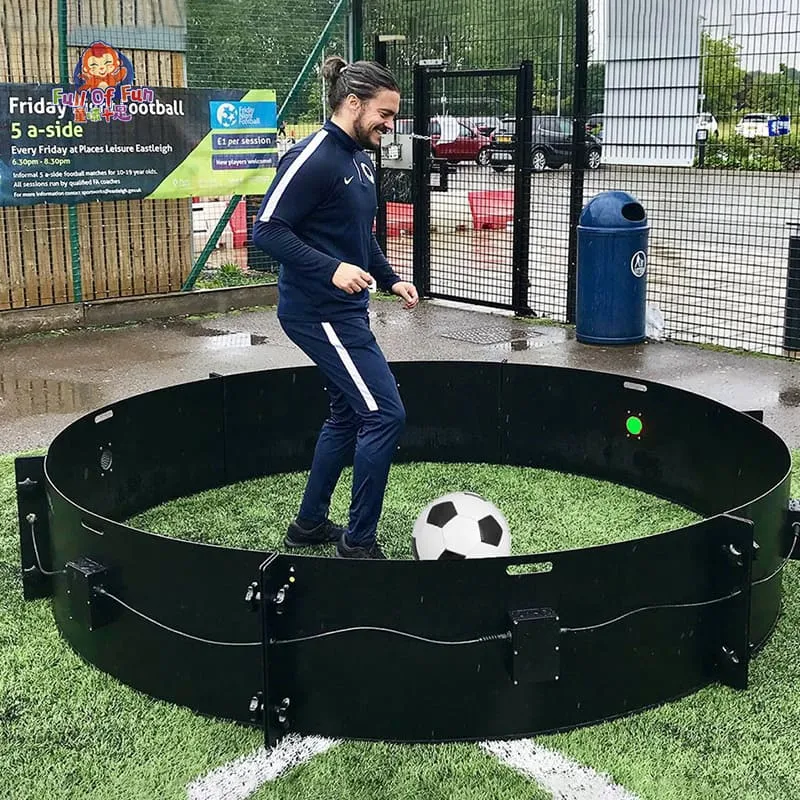
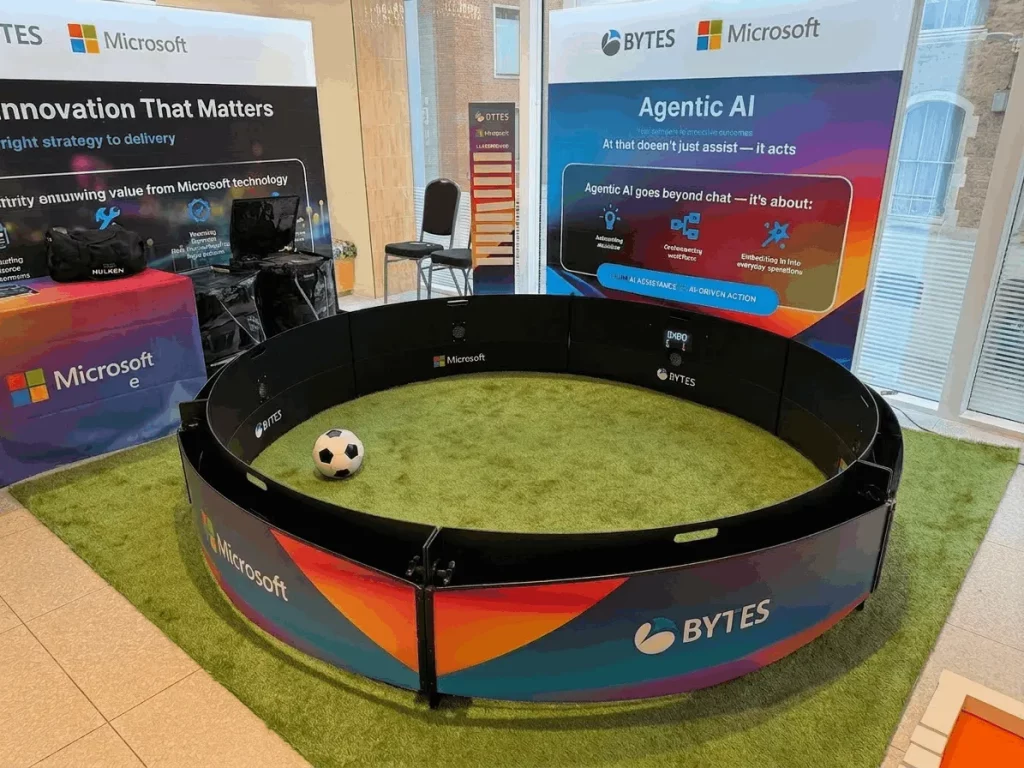
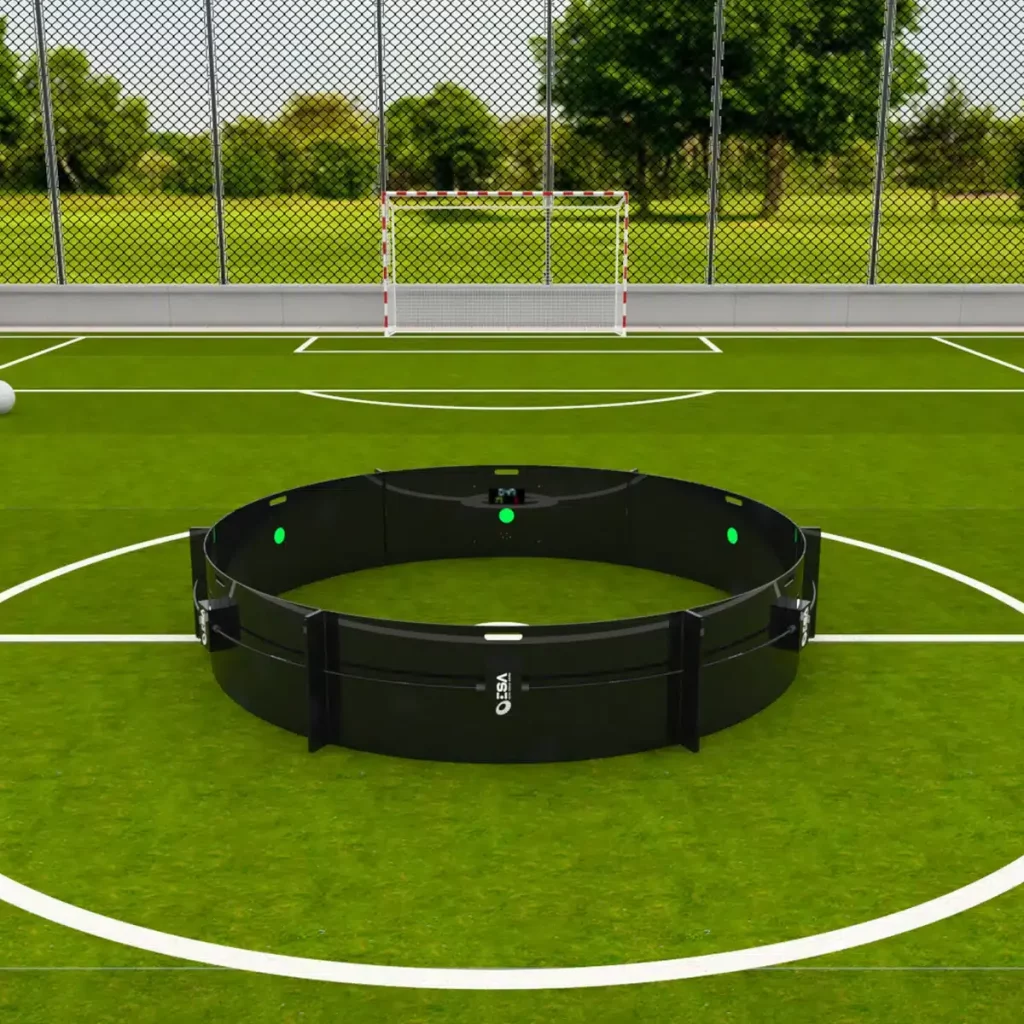
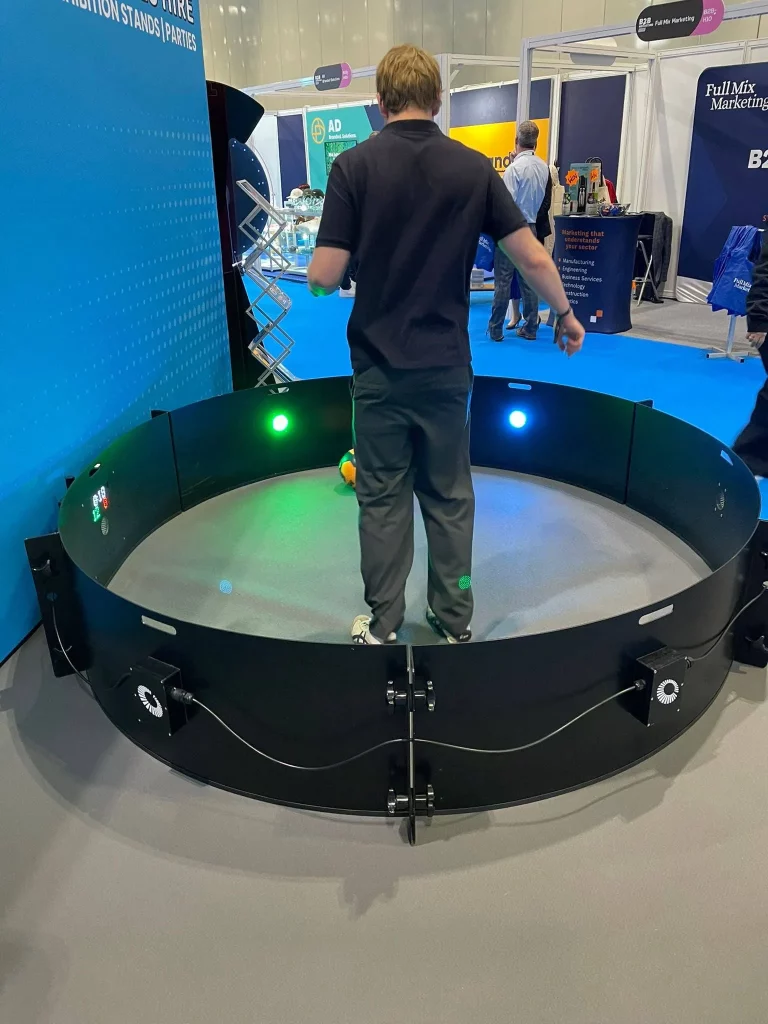
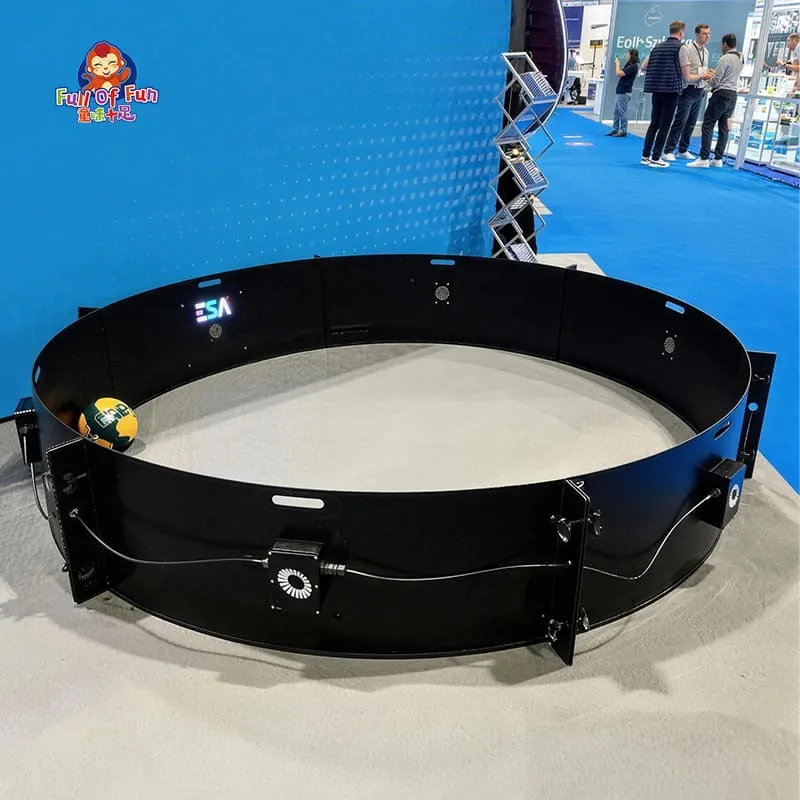
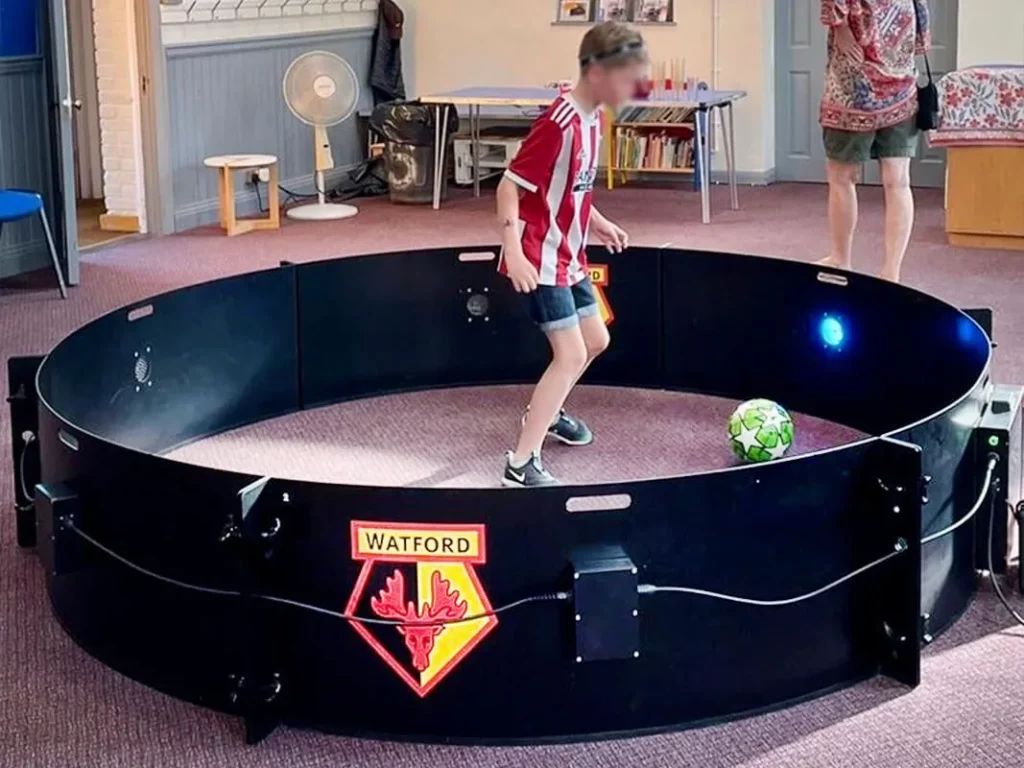
The game loop is simple, and that simplicity is the point. A ring of high-response LED target panels lights up in sequence, and the player has to pass, tap, or plant a foot on each target as it fires . Miss the timing and the score stalls. Hit the rhythm and it climbs fast.
For the player, it trains three things at once:
- Reaction speed — they respond to light, not to a memorized pattern.
- Close control — targets sit tight together, so touches have to be small and precise.
- Agility — the body reorients between each hit without losing balance.
For the operator, those same features translate straight into floor value:
- Short, self-explanatory sessions a first-timer understands in one round.
- Visible, physical movement that pulls spectators toward your floor.
- A natural “beat my score” loop that drives repeat plays.
- Football themes — touch, reaction, agility — that resonate across age groups.
Best-fit player groups are broad: kids, teens, football fans, friend groups, gym members, and academy participants. That breadth is what lets the machine work as a mainstream attraction rather than a specialist tool. One honest distinction, though — Fast Feet is an active-gaming attraction with a training flavor, not a replacement for a structured coaching program. Sell it as what it is, and it holds up.
The 3-Zone Placement Fit for Icon Fast Feet
Placement decides more of your revenue than the hardware ever will. To make that call structured instead of a guess, here’s the framework we use with buyers — the 3-Zone Placement Fit. Match your venue to a zone before you match it to a price.
| Placement zone | Primary goal | Best use case | Key success measure | Placement note |
|---|---|---|---|---|
| Revenue Floor | Paid-play income | FECs, arcades, amusement centres | Plays per day / daily take | Near high-traffic routes and visible play areas |
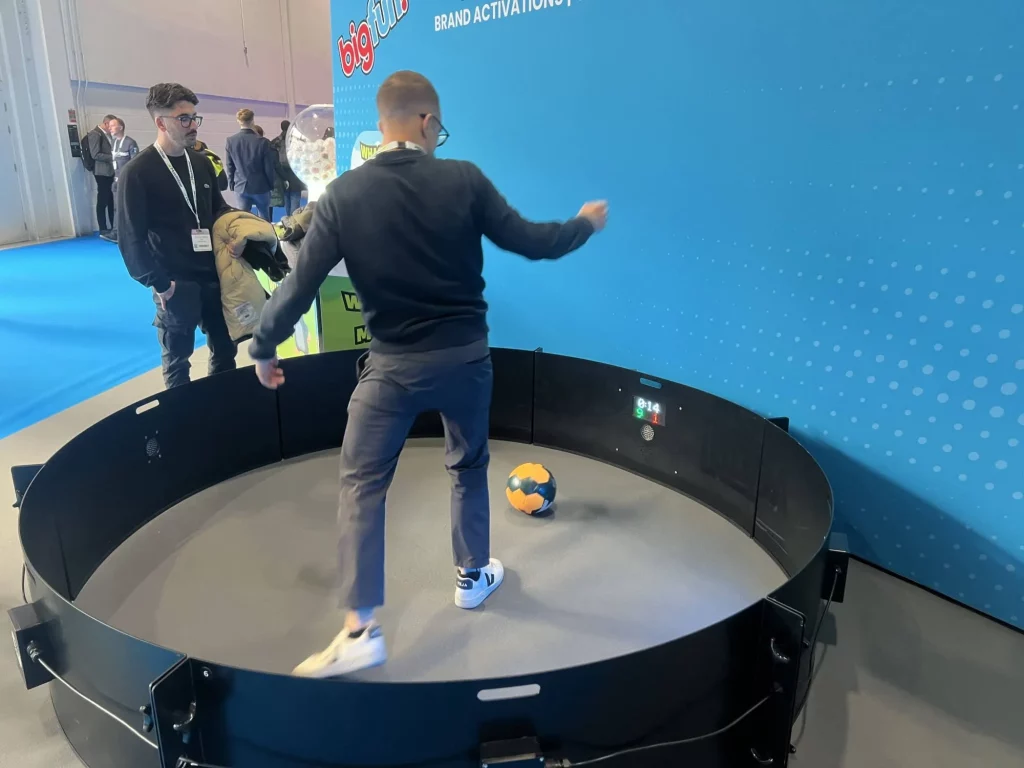
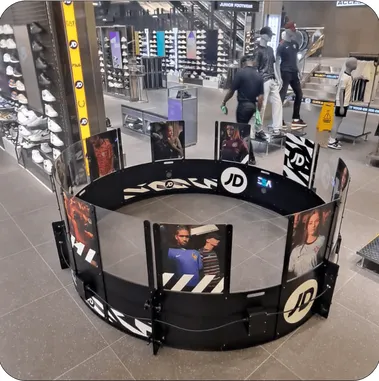
| Attraction Anchor | Footfall + dwell time | Malls, family venues, mixed leisure | Queues, engagement, social visibility | Open sightlines, room for players to move |
| Skill-Training | Member / player engagement | Gyms, academies, football clubs | Repeat usage, participation | Near training zones, reception, or challenge areas |
Ask yourself one question: is my priority direct coin-play, visitor attraction, or skill engagement? The answer picks your zone.
The classic error is buying for Revenue Floor economics and installing in a Skill-Training setting, then wondering why the coin box is light. A gym unit doesn’t earn on coin drop — it earns by making memberships stickier. Before you finalize a spot, confirm clearance, sightlines, power access, supervision needs, and local safety requirements.
Not sure which zone fits your space? Chat with us about your location before you commit to a payment model — it’s a five-minute conversation that saves a lot of guesswork.
The Active-Gaming Revenue Stack
Most cost guides stop at “insert coin.” That’s one layer of four. Here’s the model we walk operators through — the Active-Gaming Revenue Stack — because a Fast Feet unit earns on all four at once:
- Direct play revenue — the coins or card swipes per round. The obvious, machine-level layer.
- Repeat-play stickiness — the rematch. Score-chasing turns one play into three. This is where footwork games beat passive cabinets.
- Footfall pull — visible physical play draws people into your venue, or deeper into your floor past your other machines.
- Secondary-spend halo — the food, drinks, redemption, party packages, and other games a pulled-in visitor buys.
Read the stack top to bottom and one thing gets clear: judging this machine on its coin box alone is like judging a café by its coffee and ignoring the pastries.
Be honest about measurement, though. Layer one is measurable at the machine. Layers three and four are real but should be assessed through venue observation and your own sales data — treat them as directional, not as a line you can bank before you’ve seen it . Build your hard forecast on layers one and two.
Fast Feet Arcade Machine Revenue: Realistic Planning Numbers
Let’s put ranges on it. Every figure here is a planning range, not a Full of Fun performance guarantee — the variables in the Revenue Stack move these a lot.
A conservative-to-strong daily take, based on estimated ranges, looks like this:
| Planning scenario | Estimated daily take | Approx. monthly gross* |
|---|---|---|
| Conservative | $30/day | $900/month |
| Mid-range | $75/day | $2,250/month |
| Strong location | $120/day | $3,600/month |
*Illustrative, based on 30 operating days, before card fees, staffing, rent, maintenance, tax, promotions, and downtime.
Two units of the same model in the same city can sit at opposite ends of that band. The difference is almost always footfall and rematch rate, not the hardware — which is the whole reason we lead with placement.
Payback typically lands in an estimated 8–18 month window, and where you fall depends on:
- Purchase and landed cost
- Venue traffic
- Play price and payment setup
- Uptime and maintenance
- Placement quality
- Local competition and seasonality
The buyer’s formula is simple:
Payback period = total installed investment ÷ monthly net contribution
Run that against your actual venue traffic and pricing before you approve a purchase order. Want the exact landed cost for your country plugged into it? Ask us for the spec sheet and a Machine-Fit assessment.
6 Mistakes Buyers Make When Adding a Football Arcade Game
We’ve shipped enough of these to see the same avoidable errors on repeat. Watch for these six:
- Buying on price, not placement fit. The cheapest unit in the wrong zone loses to a well-placed one every month of its life.
- Hiding the machine. If passersby can’t see the active gameplay, you lose the footfall pull that makes it worth buying.
- Ignoring clearance. Players move on this machine. Cramped placement kills both the experience and the queue.
- Guessing at pricing. Set play price against real play volume, not a hunch, and adjust once you have data.
- Marketing it like a passive cabinet. An active game needs to be seen and demoed, not tucked in a row of screens.
- Ordering blind. Confirm electrical requirements, certifications, documentation, lead time, and service scope before the PO — not after.
That last one costs the most when skipped. A machine stuck in customs over missing paperwork earns nothing.
How Full of Fun Builds and Supplies the Fast Feet Machine
We design our Fast Feet units around what actually goes wrong on a live floor, not around a showroom demo. Here’s what that means in practice, plus what your procurement team should confirm before ordering.
Specification Checklist
- High-response LED target-panel gameplay
- Compact, active-gaming format built for tight commercial floors
- Trains footwork, reaction, agility, and close control
- Suits FECs, arcades, malls, gyms, and football clubs
- Coin, card, and mobile payment integration available on request
Request the current technical sheet for confirmed dimensions, weight, power requirements, configuration, and shipping details.
Certificates and Market-Access Documentation
Full of Fun machines are built to international compliance standards:
- CE — European conformity
- RoHS — restriction of hazardous substances
- UKCA — UK conformity assessment
Certification matters for customs clearance and venue insurance in most markets. Request the certificate and document set relevant to your destination country before shipment.
Manufacturing and Export Background
Full of Fun has spent 15 years building and shipping arcade and active-gaming machines to operators in more than 100 countries (B). We manufacture in-house, which is why we can talk seriously about serviceability, container loading, and lead times instead of hand-waving them.
Buying and Service Discussion Points
Before you request a quote, line up:
- Product configuration and game-mode requirements
- Payment-system compatibility
- Production schedule and shipping method
- Packaging and destination-port documentation
- Spare-parts availability and after-sales support scope
- Installation, operating, and maintenance guidance
FAQ: Fast Feet Arcade Machine Buying Questions
What is a Fast Feet arcade machine?
It’s an active football-themed reaction and footwork game. A ring of illuminated LED targets prompts the player to move quickly, training reaction speed, close control, and agility in short, repeatable sessions.
Is Icon Fast Feet suitable for FECs and arcades?
Yes. Its compact format, visible movement, and strong repeat-play loop fit the Revenue Floor zone well, where paid plays and spectator pull drive the return.
Can gyms and football clubs use a Fast Feet machine?
Yes, as an engagement or challenge station supporting reaction, agility, and close-control work. Treat it as a fun skill station, not a substitute for a professional coaching program.
How much revenue can a Fast Feet arcade machine generate?
Plan for an estimated $30–$120 in direct play per day . Where you land depends on footfall, pricing, and placement quality.
What is the expected payback period?
An estimated 8–18 months in a well-placed setting. Calculate your own using total installed investment divided by monthly net contribution.
Does Icon Fast Feet have CE, RoHS, and UKCA documentation?
Full of Fun lists CE, RoHS, and UKCA compliance. Request the specific documents for your destination market before ordering.
What should I share before asking for a quotation?
Venue type, destination country, intended placement zone, payment method, quantity, electrical requirements, and target delivery date. That lets us quote accurately the first time.
Request an Icon Fast Feet Placement and Quote Review
Wherever you are in the decision, there’s a next step that fits:
- Early-stage buyers — request the current spec sheet and compliance checklist.
- Comparing locations — share venue photos or a floor plan and we’ll talk through a Revenue Floor, Attraction Anchor, or Skill-Training placement.
- Ready to buy — request a formal quotation with configuration, shipping destination, documentation, and delivery requirements.
Tell us your zone, and we’ll put real numbers behind it.