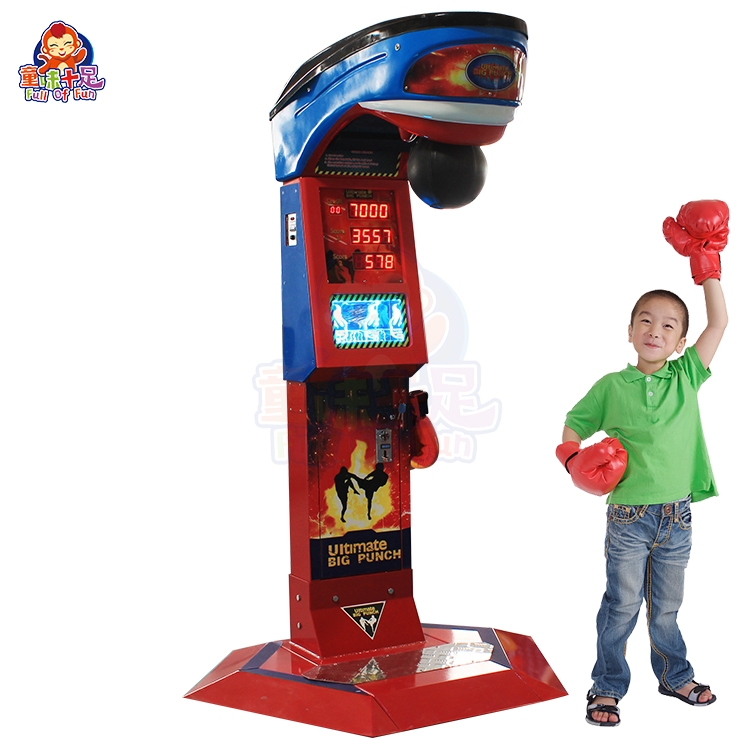
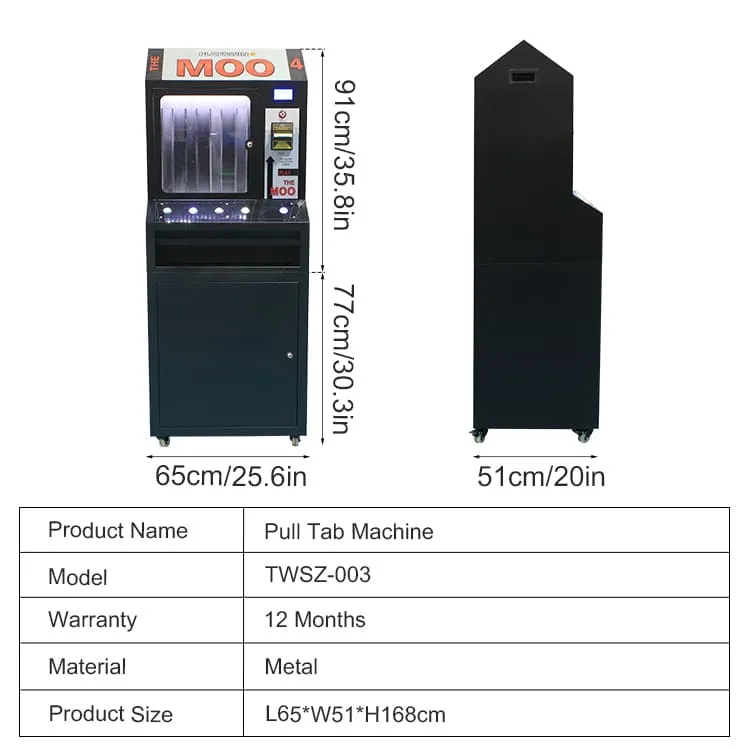
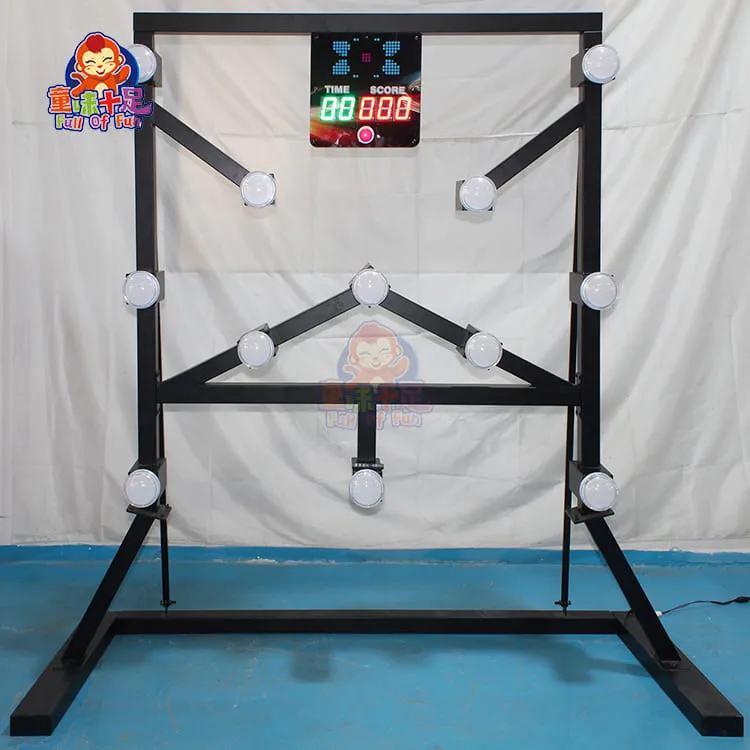
Choosing a reliable arcade machine supplier is the most crucial step when you’re preparing to purchase arcade machines, open a game arcade, set up a bar entertainment area, or create a family game room. A suitable supplier can not only save you procurement costs and time but also reduce after-sales issues during subsequent operations, improving equipment stability and profitability. Below, we’ll explain each step in detail, following the process from needs analysis to supplier verification.
1.Clarify Procurement Needs: Usage Scenarios, Player Target, and Machine Selection
Before contacting any supplier, the first step is to define your needs. The scenario where the arcade machine will be placed (family entertainment, private clubs, private game rooms, bars, shopping malls, arcades, children’s playgrounds, or schools, etc.) will directly affect the machine’s size, noise control, durability, and appearance.
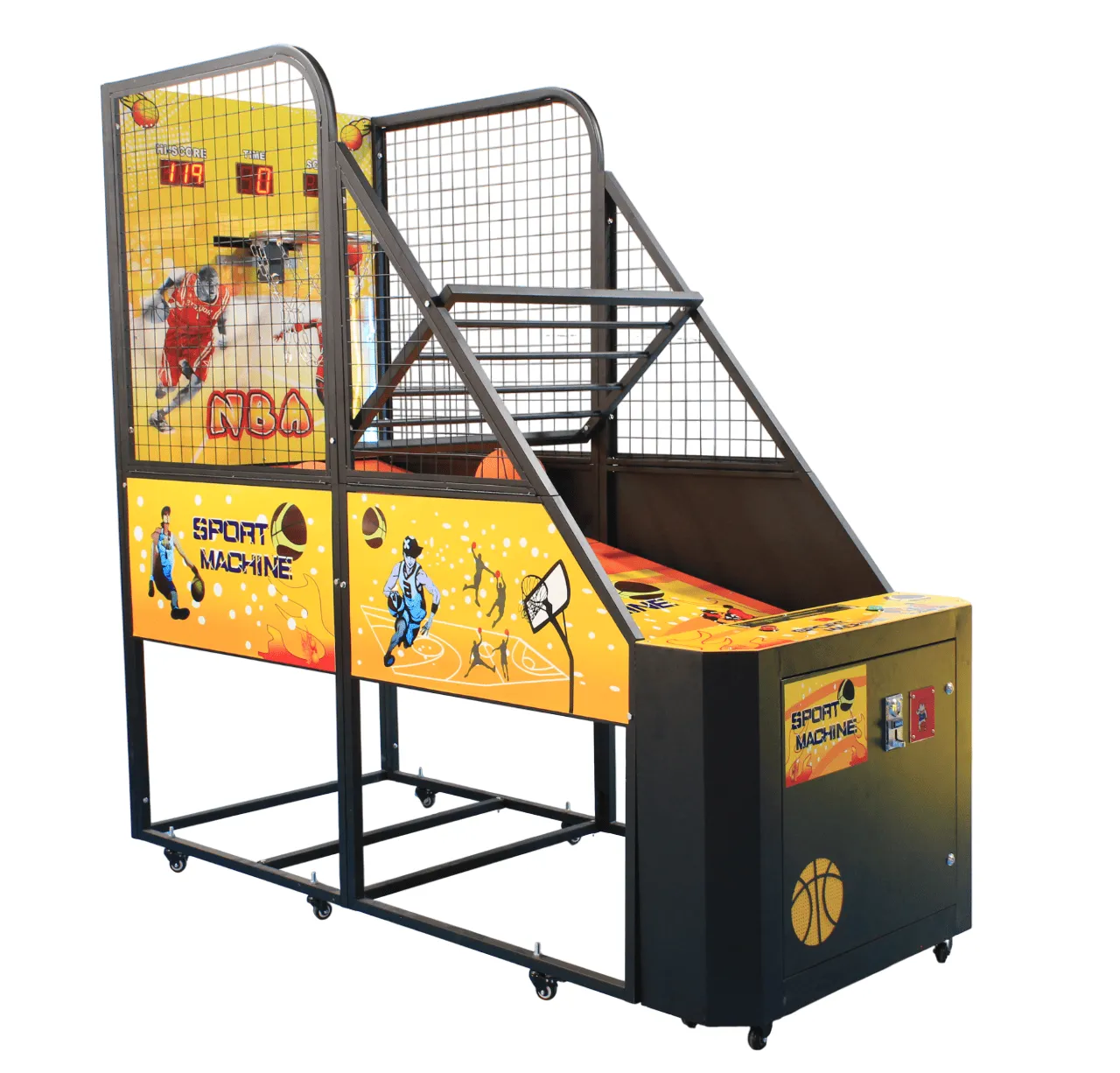
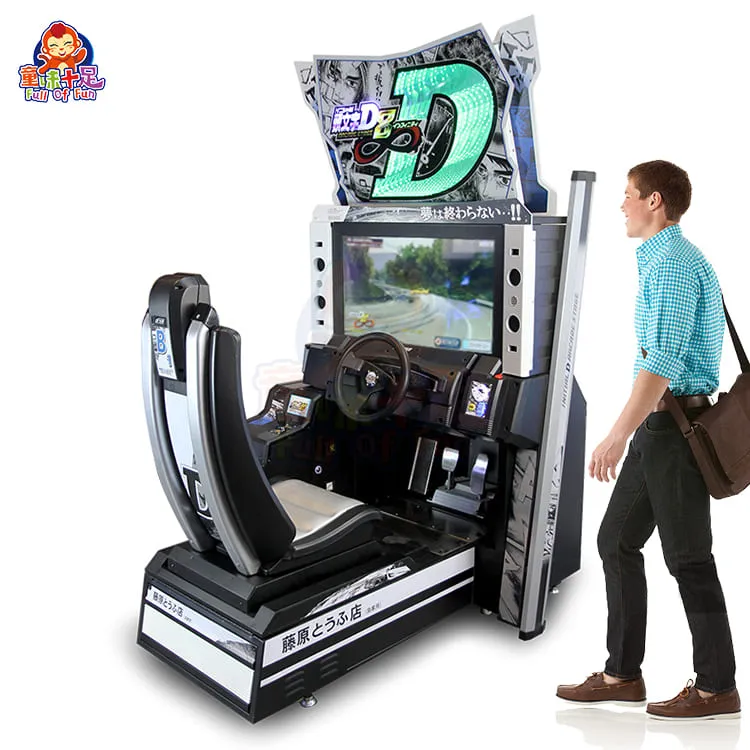
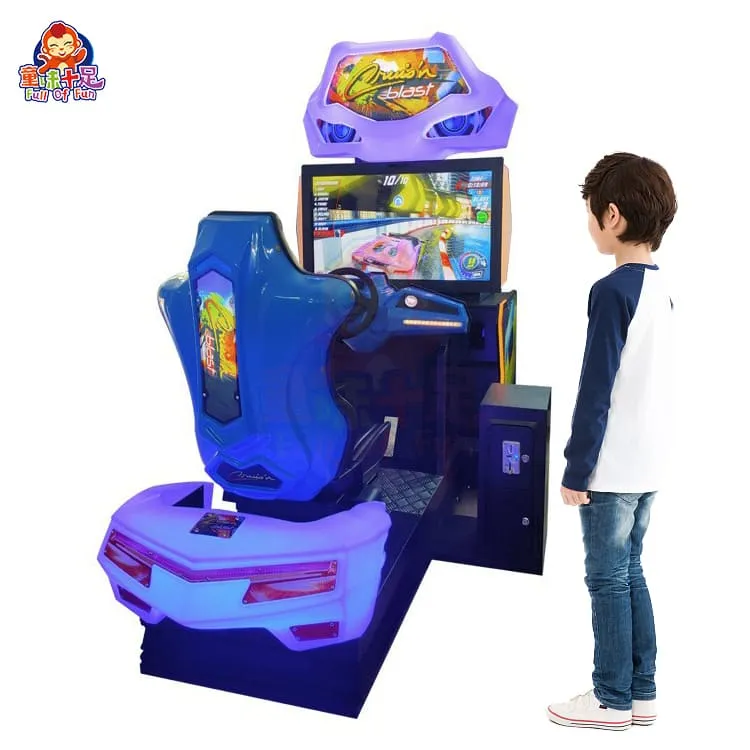
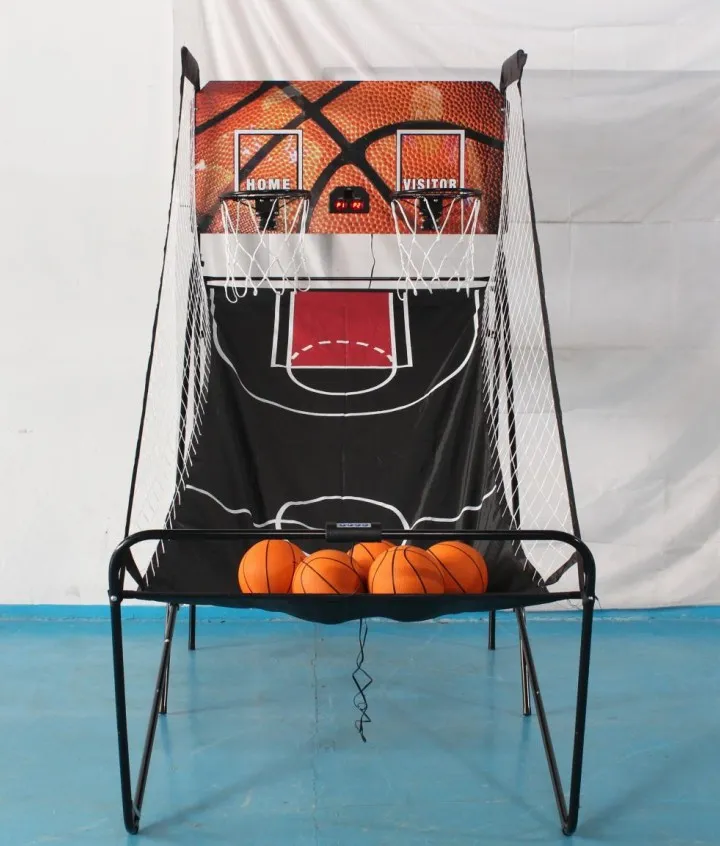
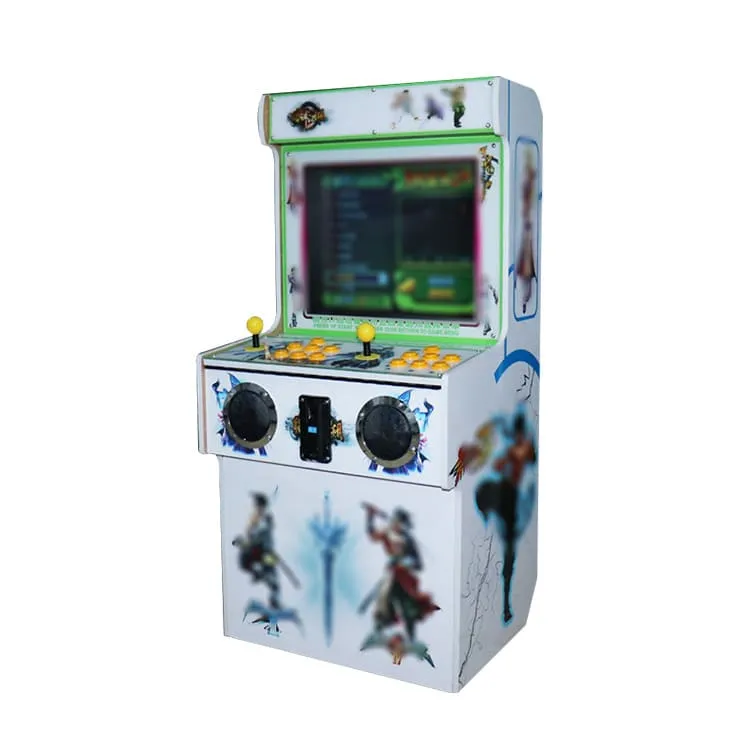
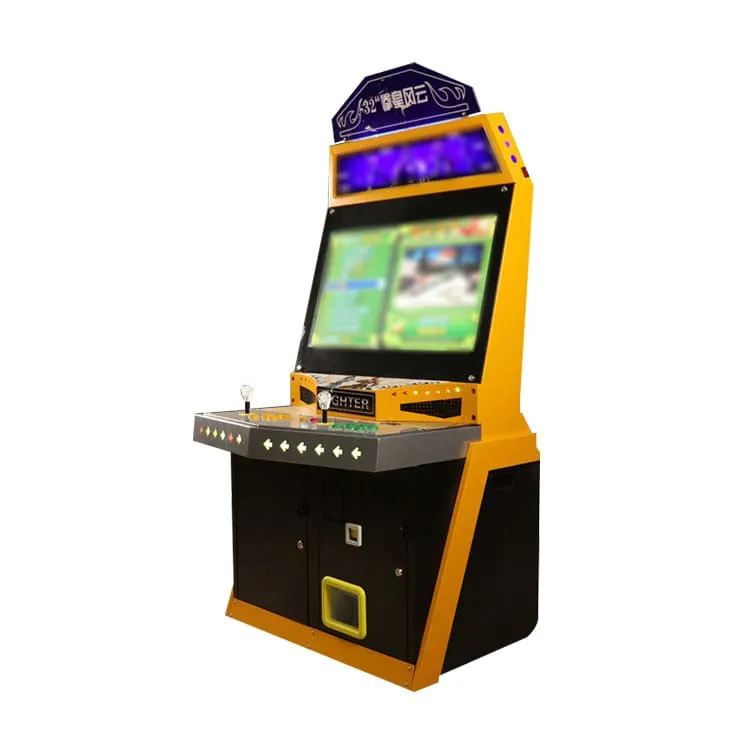
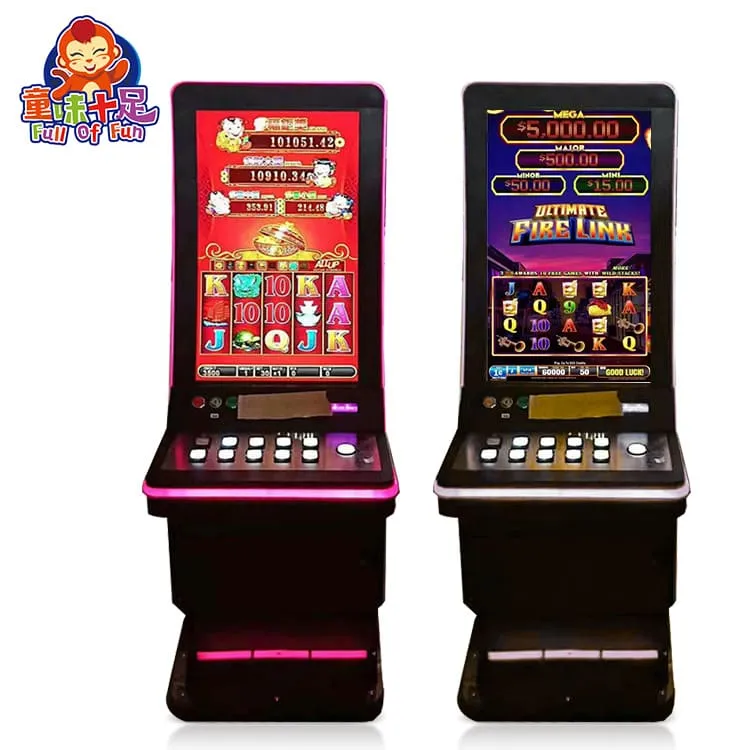
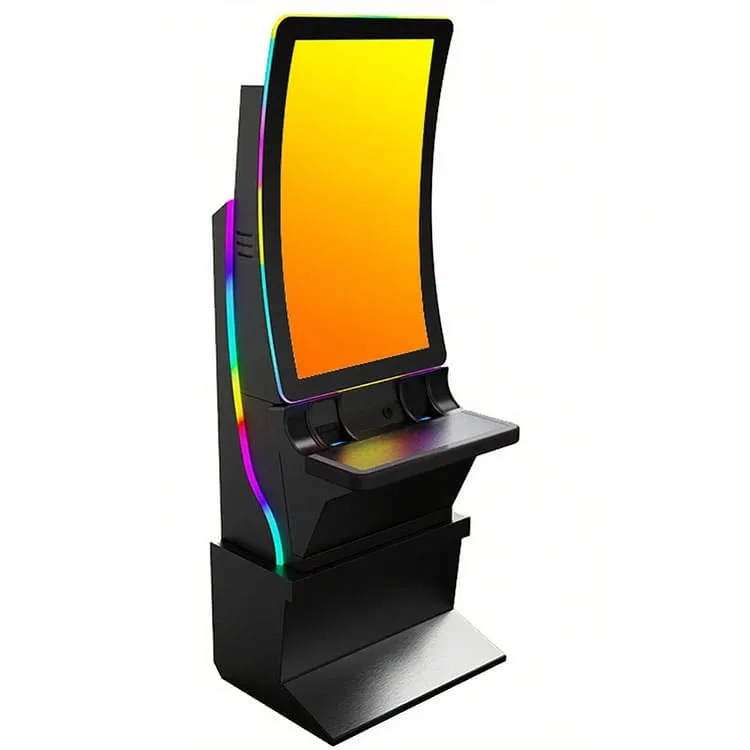
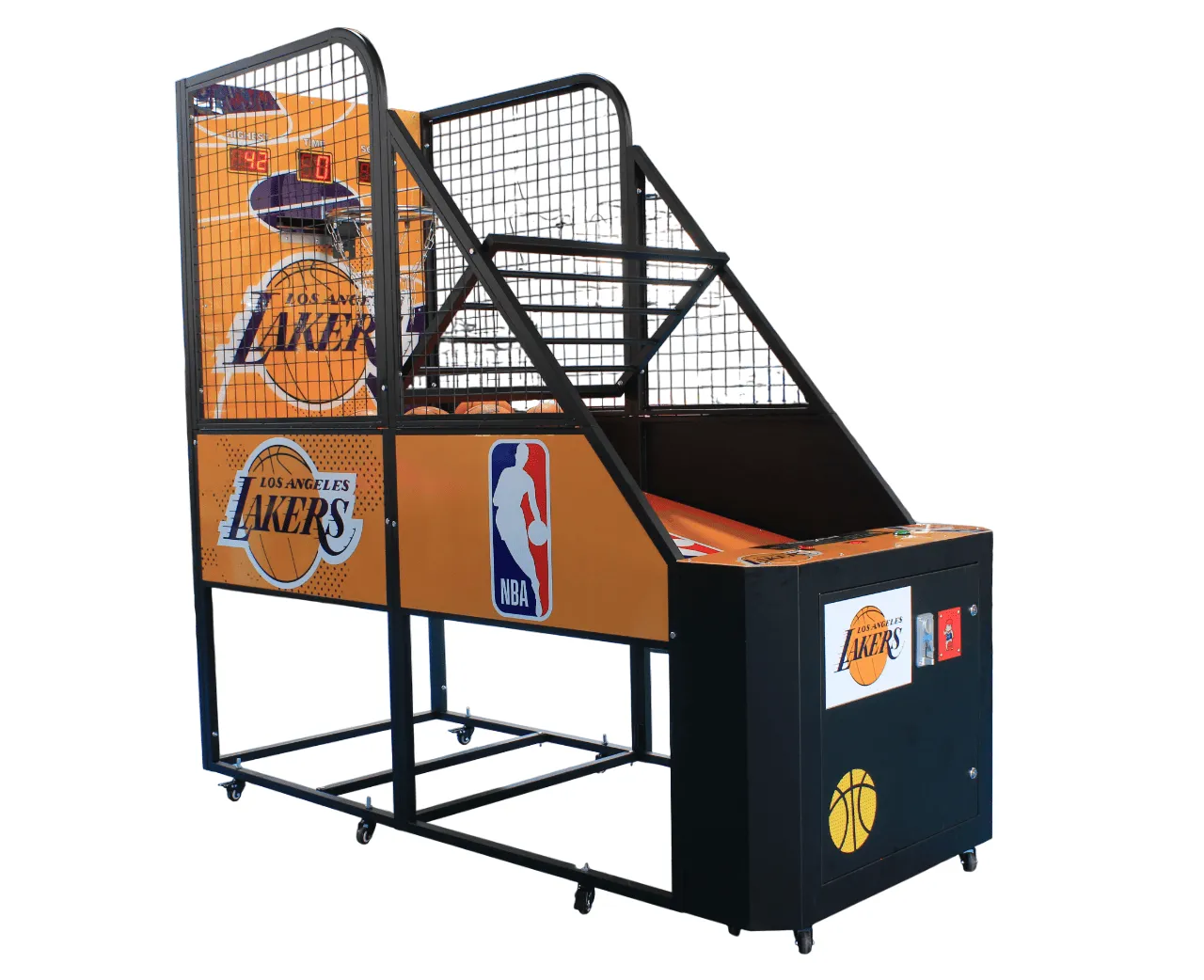
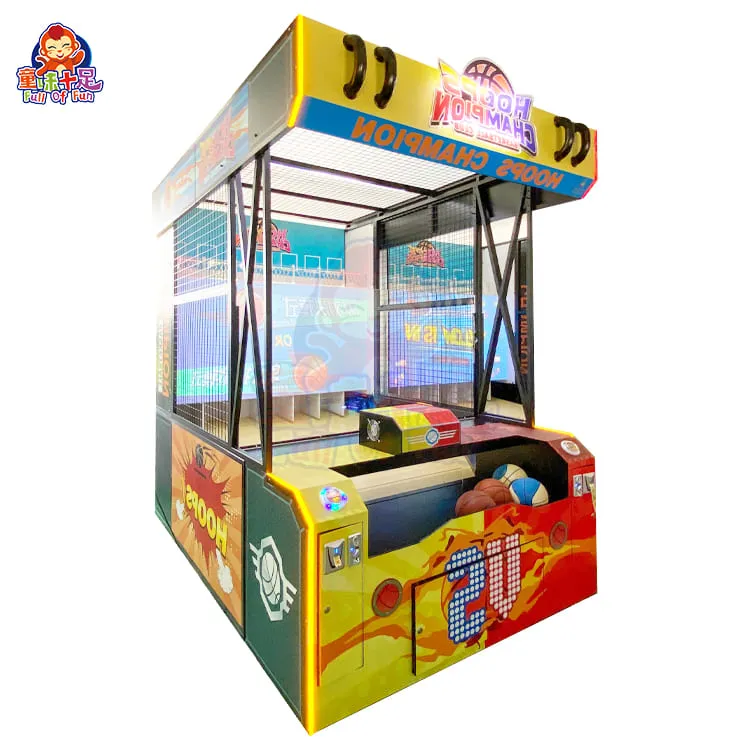
At the same time, the specific type of machine you need (e.g., racing machines, shooting games, claw machines, coin pushers, basketball machines, VR arcade machines, or children’s machines, etc.) also determines the matching of the supplier’s professionalism.
Who are your target players (adults, teenagers, families, or children)? The timing of deployment and customer traffic characteristics should also be clearly considered. Defining your needs is the cornerstone of the procurement chain. Without a clear positioning, it’s easy to be misled by a “bright and varied” product catalog and ultimately choose a machine unsuitable for the actual venue and target audience.
2.Customization Needed: Assessing the Supplier’s OEM/ODM Capabilities
If you already have your own design, when communicating with the supplier, confirm whether they support OEM/ODM customization, whether they can create a prototype according to your provided cabinet dimensions, structure, lighting, and sticker styles, and whether they have the capability to produce samples and are willing to sign a non-disclosure agreement (NDA).
Many small trading companies or outsourcing companies lack deep customization capabilities; they tend to quickly rebrand existing designs, struggling with structural or software modifications. Conversely, suppliers capable of original equipment manufacturer (OEM) level customization are usually more professional in hardware selection, motherboard compatibility, and software debugging.
If you don’t have an existing design, request past collaboration cases from the supplier, focusing on the style, lighting effects, export markets, actual operational performance, and profitability. Verifiable project case studies are more indicative of whether the supplier understands your market positioning than flashy product images.
3.Multi-Channel Supplier Screening: Platforms, Websites, Forums, and Industry Exhibitions
Many channels exist for finding potential suppliers, but the quality of information varies greatly. It’s recommended to use multiple paths simultaneously: conduct initial screening on B2B platforms (such as Alibaba, Made-in-China, etc.);
Use Google to find factories with independent websites and legitimate contact information; search for third-party reviews and installation feedback on industry forums or Reddit;
View manufacturers’ production and shipping videos on YouTube or TikTok; attending or following exhibitors at industry exhibitions (such as GTI, IAAPA, Canton Fair) can also help find reliable factories.
When screening, pay attention to whether the manufacturer’s website is complete, their years of operation, whether they have real production videos or photos, stable export cases, and detailed reviews. Online reviews should be used as a rational reference—a large number of real, detailed customer installation pictures and videos best demonstrate a supplier’s credibility.
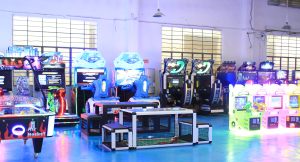
4.Essential Questions Before Communication: From Export Qualifications to Industry Experience
When contacting suppliers, it’s recommended to use a systematic question list, but the communication should be naturally integrated into the conversation.
First, confirm the supplier’s basic information: their country and city, whether they possess export qualifications, and whether they have mature international trade experience and customs clearance capabilities.
Understanding this information ensures the supplier can export smoothly and handle cross-border logistics and customs clearance issues.
5.Assess Factory Strength: Production Line Scale, Manufacturing Capacity, and Transparency
Factory scale and production capacity directly determine product quality and delivery speed.
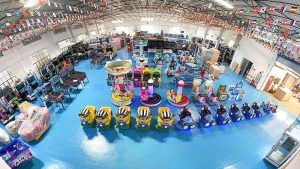
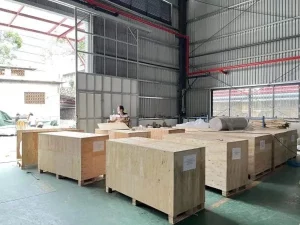
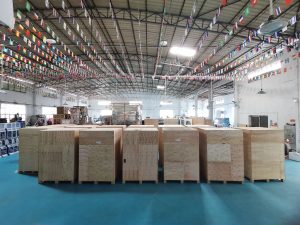
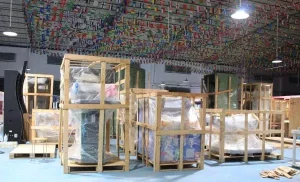
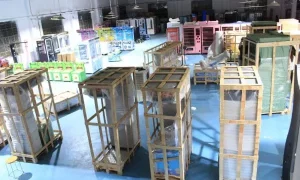
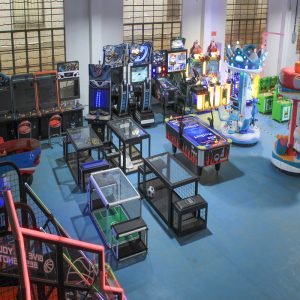
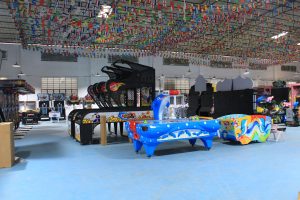
You can inquire about the number of production lines, the size of the workforce and technical personnel, monthly output, whether small-batch orders are accepted, and whether factory tour videos or video conferences are provided to view the production lines.
Factories that are transparent and willing to showcase their production facilities are often more trustworthy, indicating standardized management and reliable manufacturing capabilities.
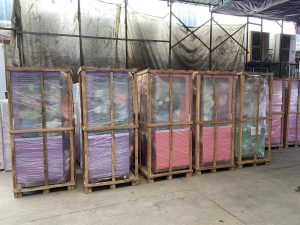
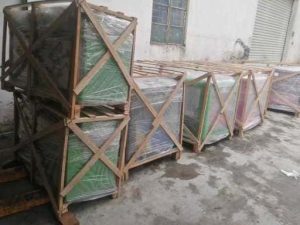
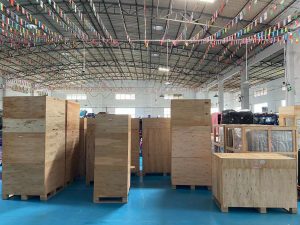
6.Verify Product Expertise: Main Models, Original Manufacturer Technology, and Sample Testing
Understand the supplier’s main products and area of expertise. Confirm whether the game software or motherboard is self-developed or outsourced, and whether they support deep OEM/ODM and provide sample testing.
Different suppliers have varying levels of expertise: Some manufacturers specialize in racing or shooting game consoles, resulting in more mature and stable products;
Other manufacturers offer a wide range of products but lack depth, requiring careful selection.
7.Certifications and Quality Standards: Determining Successful Exports and Stable Operations
When exporting to European and American markets, certifications such as CE, RoHS, FCC, and UL, as well as ISO 9001 factory management system certification, are crucial for customs clearance and market access. Lack of certification may result in customs seizure or prevent sales through legitimate channels.
It is essential to obtain information from suppliers regarding screen brand and lifespan, cabinet material, motherboard model, warranty periods for key components, and pre-shipment testing procedures and videos.
Professional suppliers typically provide test records or demonstration videos for each machine, illustrating their pre-shipment quality control processes.
8.After-Sales Service and Spare Parts Supply: Long-Term Guarantee More Important Than Price
After-sales service directly impacts the operating costs and risks after equipment investment. Key considerations include the warranty period (at least one year), whether 24/7 technical support is provided, remote diagnostics or repair tutorials, and the stability of spare parts supply.
Excellent suppliers will commit to long-term spare parts supply, provide repair videos or online guidance, and maintain inventory of critical components to ensure rapid recovery in case of equipment failure.
Spare parts availability is particularly important: the biggest fear in operation is the inability to replace critical parts, leading to the scrapping of the entire machine. Therefore, it is necessary to confirm details such as spare parts availability, spare parts list and prices, and delivery time.
9.Price and Payment Terms: Reasonable Quotes Are Better Than Low-Price Traps
Price and payment terms are key decision-making factors, but don’t just focus on the lowest price. Always request a clear quote format (EXW/FOB/CIF), bulk discount standards, whether accessories and packaging (such as wooden crates, brand stickers, lighting consumables, etc.) are included, and an estimated cost for sea or air freight.
Cheap equipment without after-sales service and accessory support often leads to greater losses later on.
10.Case Studies and Customer Testimonials Verification: Determining Supplier Worth Cooperating With
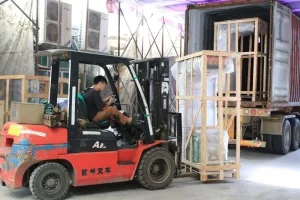
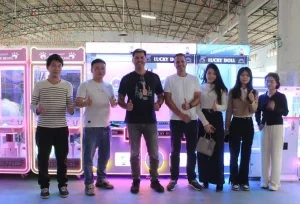
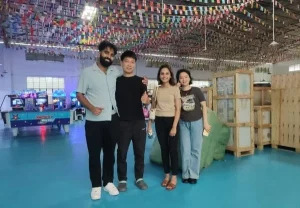
Finally, verify the supplier’s integrity and delivery capabilities by reviewing past shipment cases, customer installation photos, customer reviews, or third-party testimonials. Real and diverse customer case studies are the best proof of a supplier’s long-term stable operation and market recognition.
11.Summary (Final Recommendations)
Choosing an arcade equipment supplier requires a comprehensive evaluation, starting with clearly defining your needs, assessing customization and technical capabilities, verifying factory strength and certifications, and focusing on after-sales service and parts support.
Throughout the process, ask detailed questions and observe the supplier’s transparency and response speed—suppliers who can provide genuine factory information, demonstrate testing processes, and make clear commitments to after-sales service are generally more trustworthy.
12.Appendix: If you are still looking for suppliers, Full of Fun can also be a reference option.
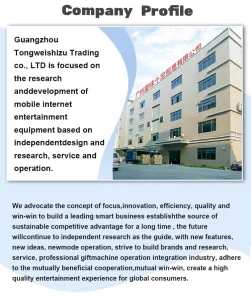
If you haven’t finalized your partner selection process, you can also consider Full of Fun factory as one of your comparison options. As a manufacturing factory specializing in the R&D and production of arcade equipment, we focus on the design and export of racing machines, shooting machines, coin pushers, claw machines, basketball machines, and other entertainment equipment. We have maintained stable partnerships with clients in multiple countries for many years.
Our factory has a complete production line and quality management system, supporting OEM/ODM customization. We can provide mature solutions for different scenarios (arcades, shopping malls, bars, home entertainment, etc.). We are also willing to provide sample testing, factory video tours, shipping case studies, and technical data to give you a more transparent understanding of our production capabilities and product quality.
If you are currently in the inquiring stage and simply want to compare several factories, obtain some industry information, or look at case studies, you are welcome to contact us at any time—we are not in a hurry to cooperate, but only hope to provide a reliable reference direction before you make a final decision.