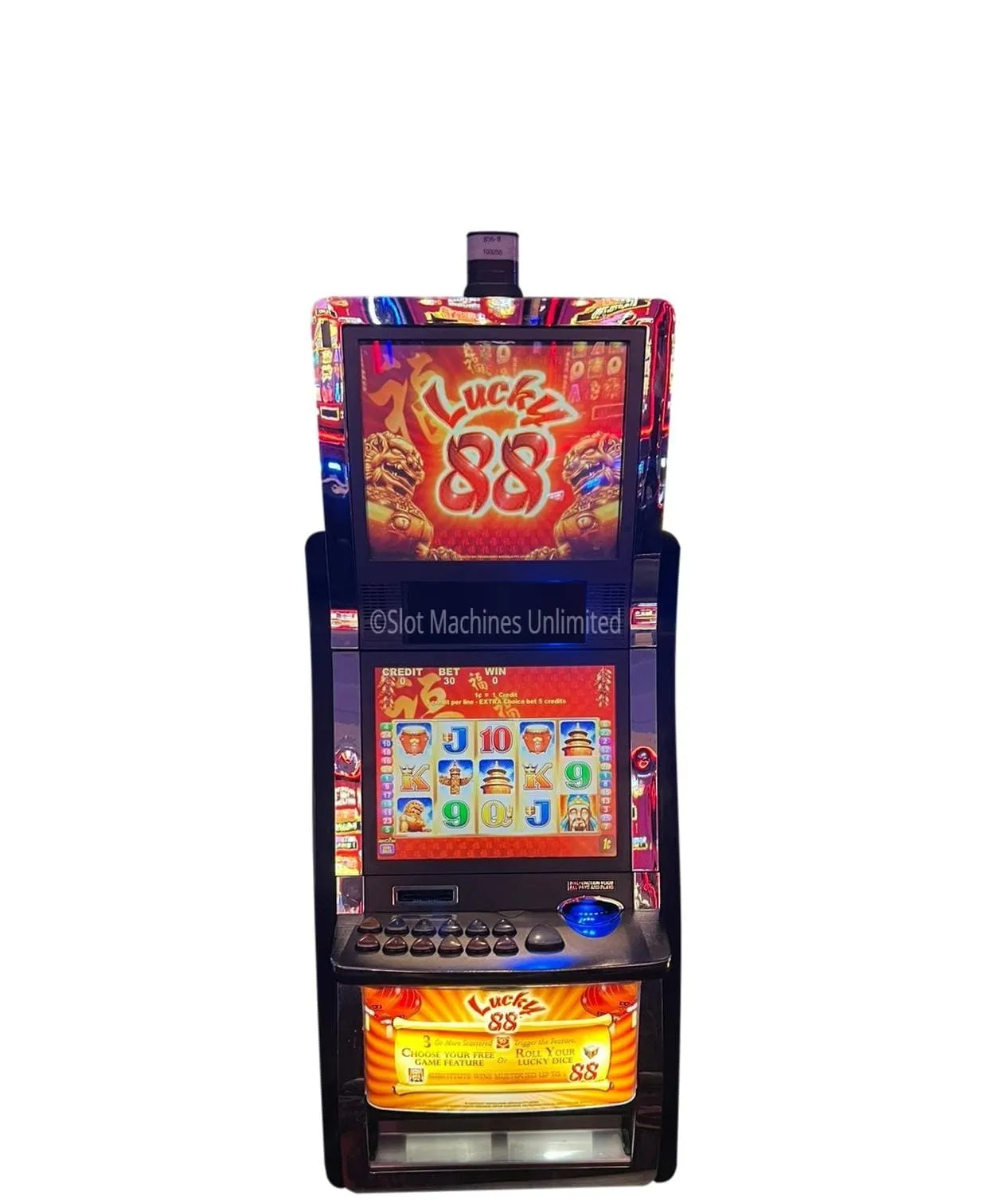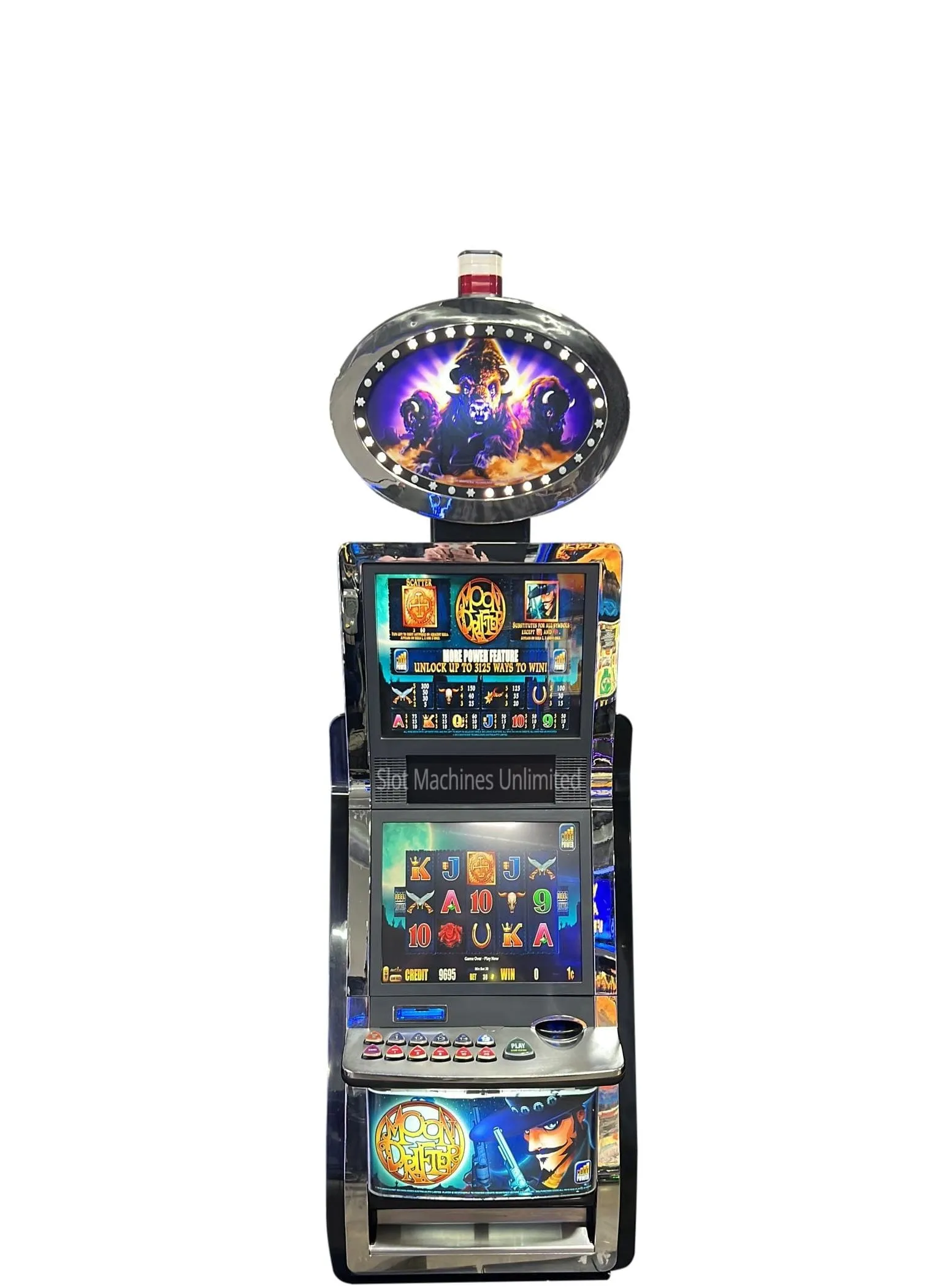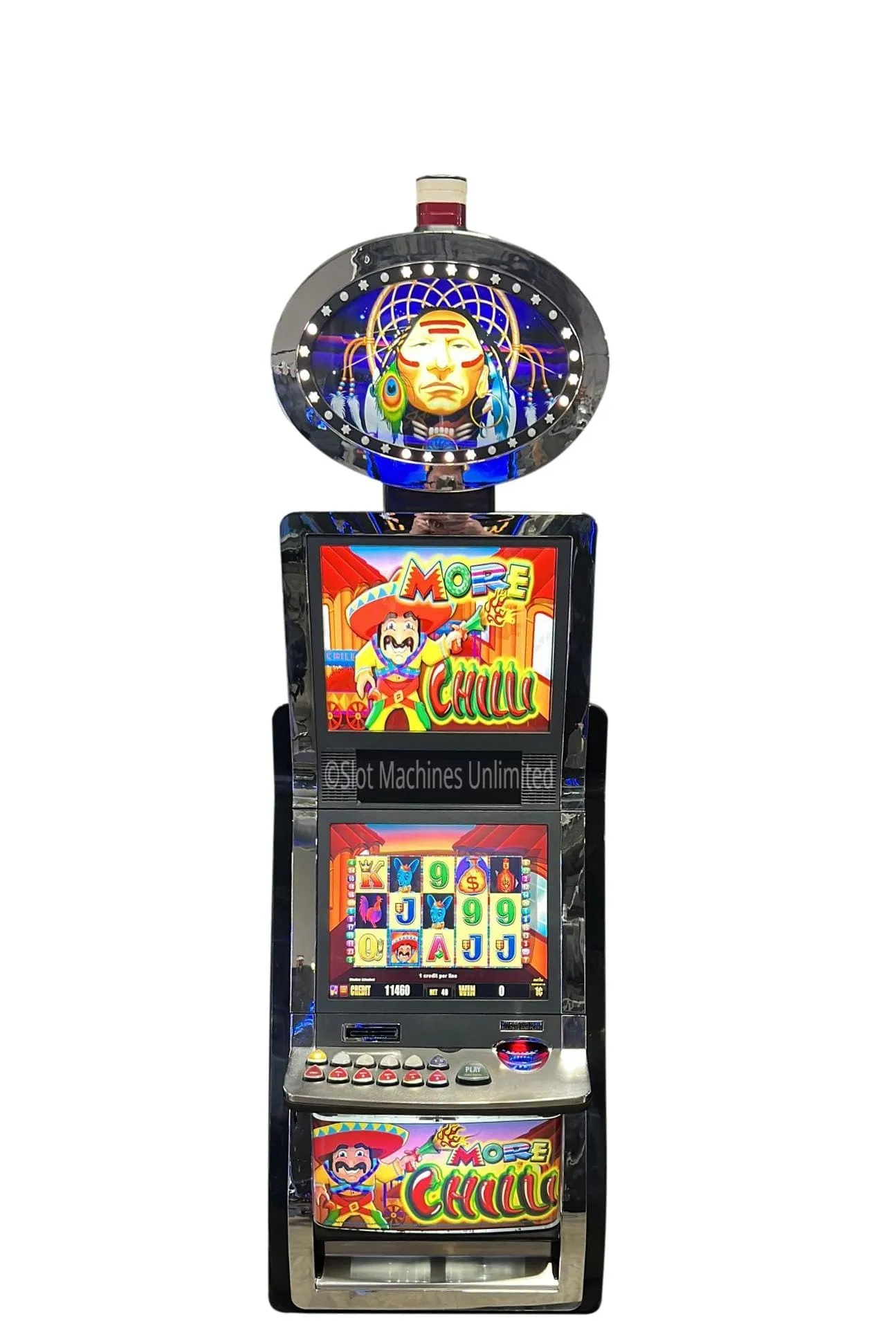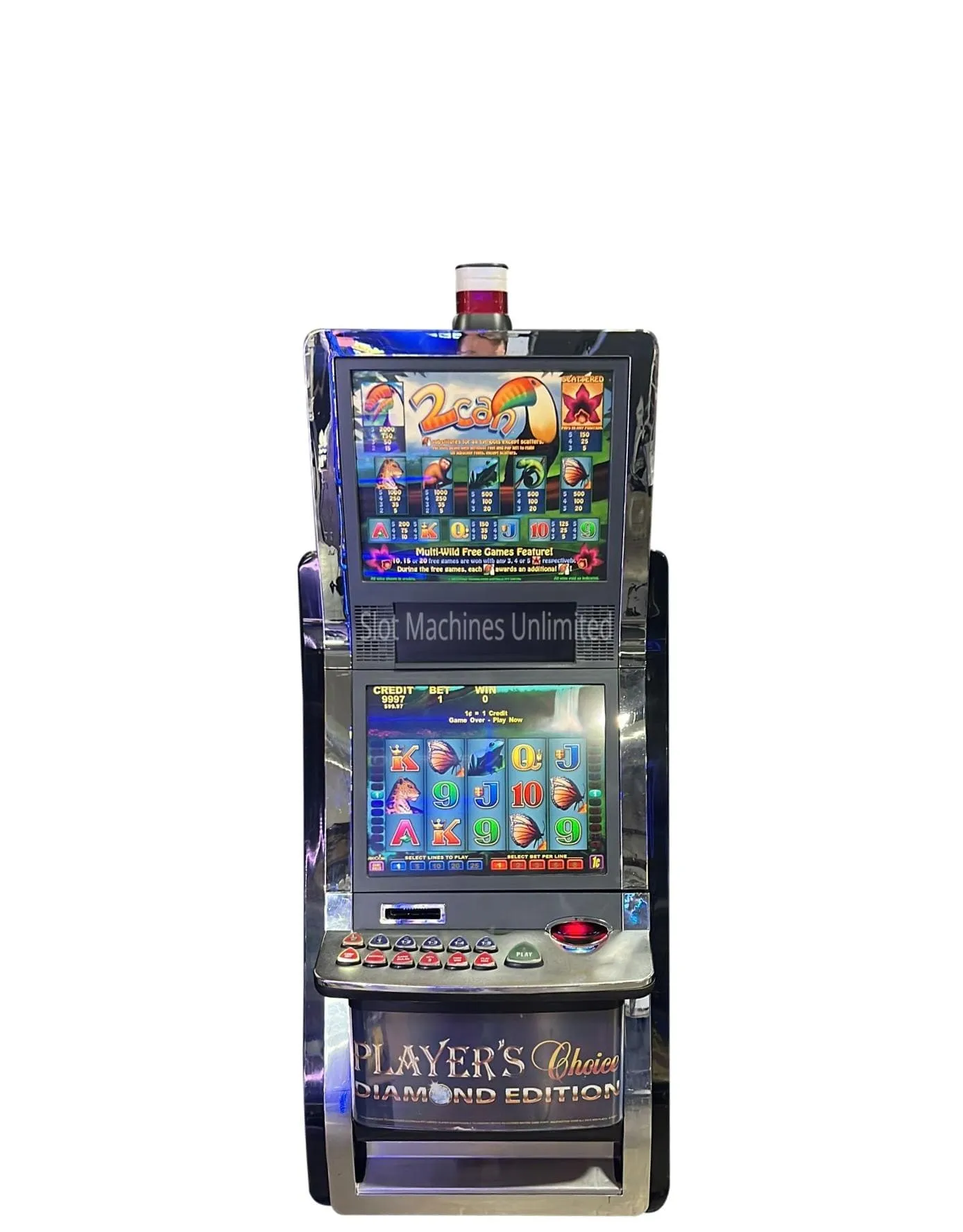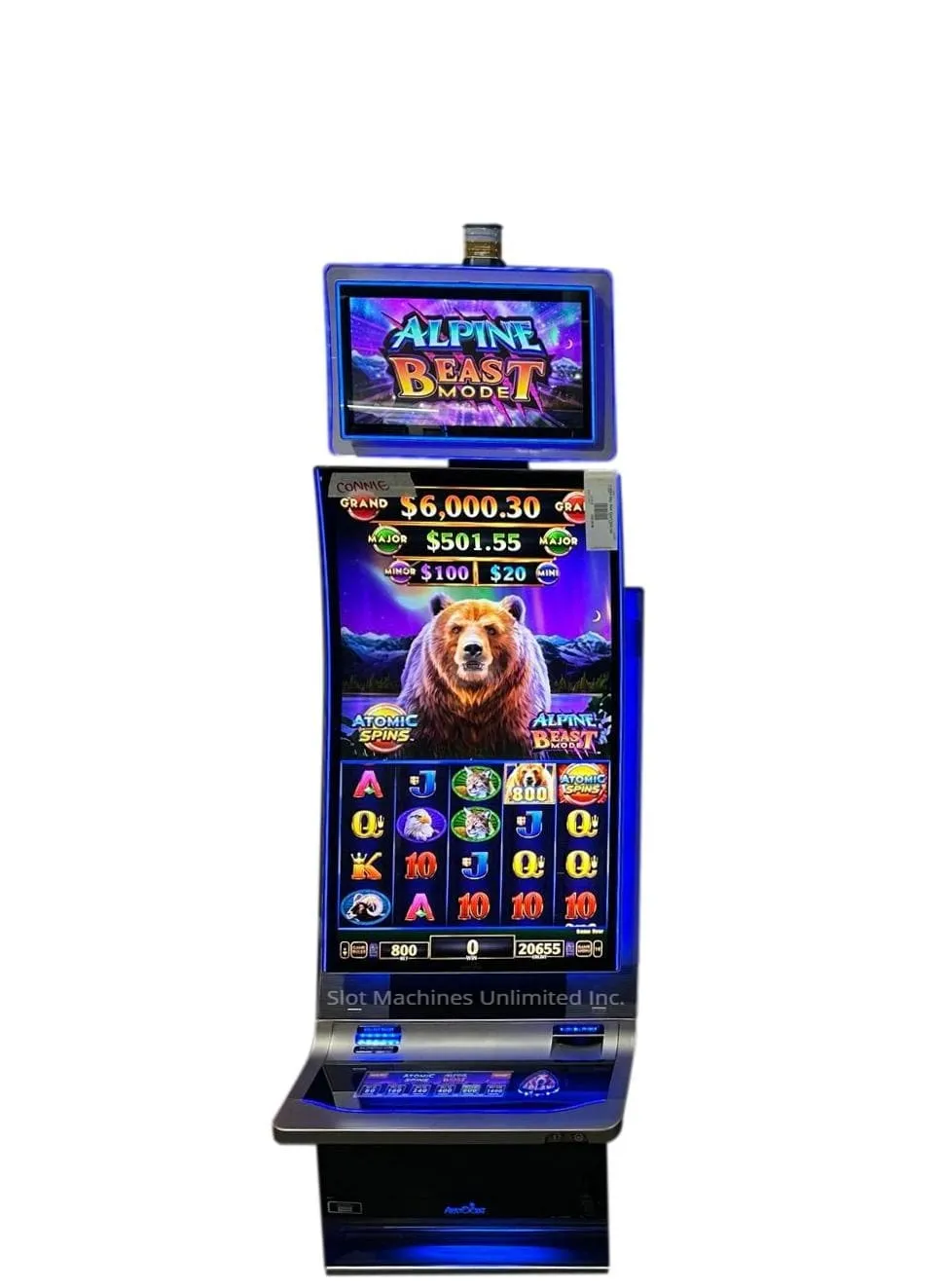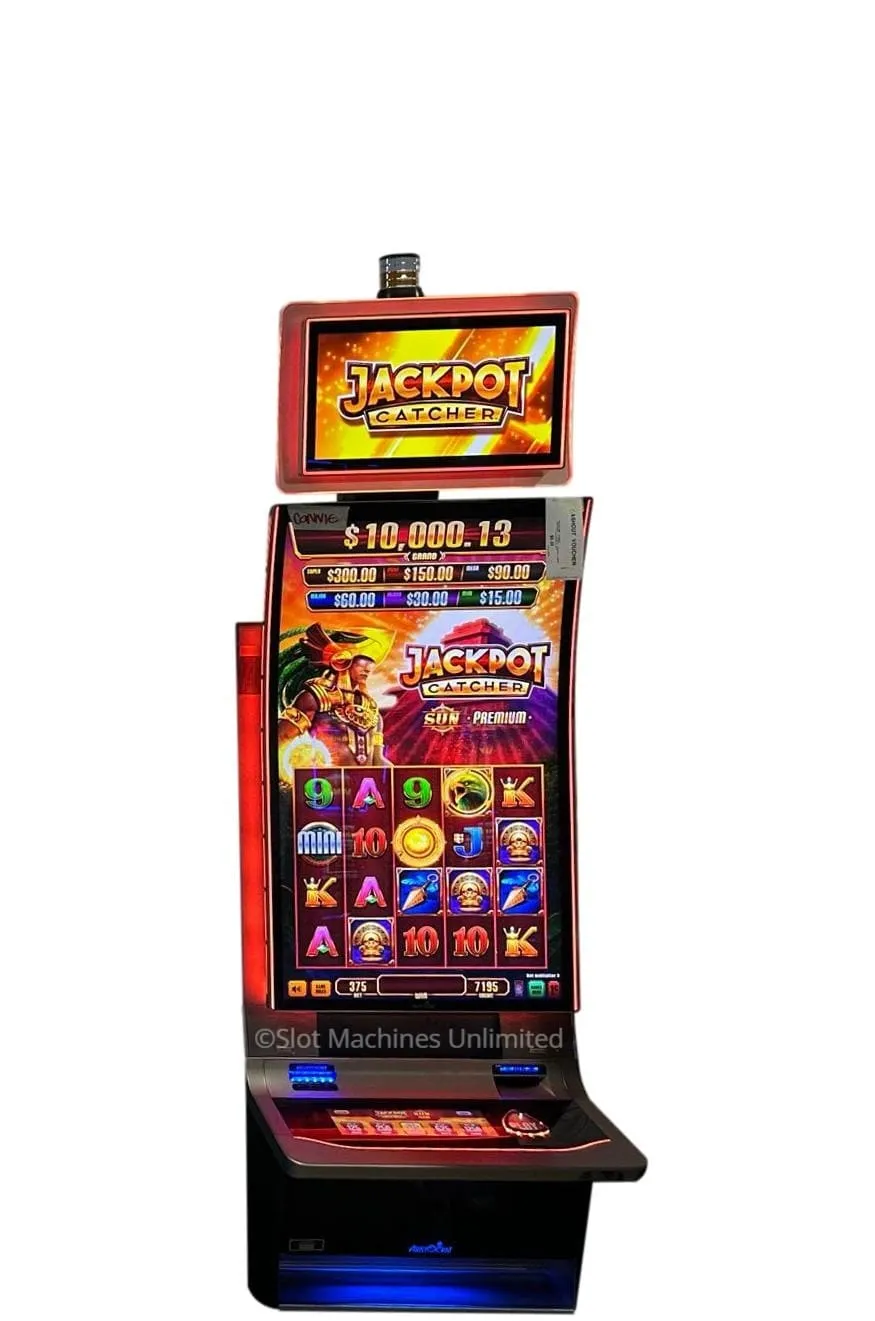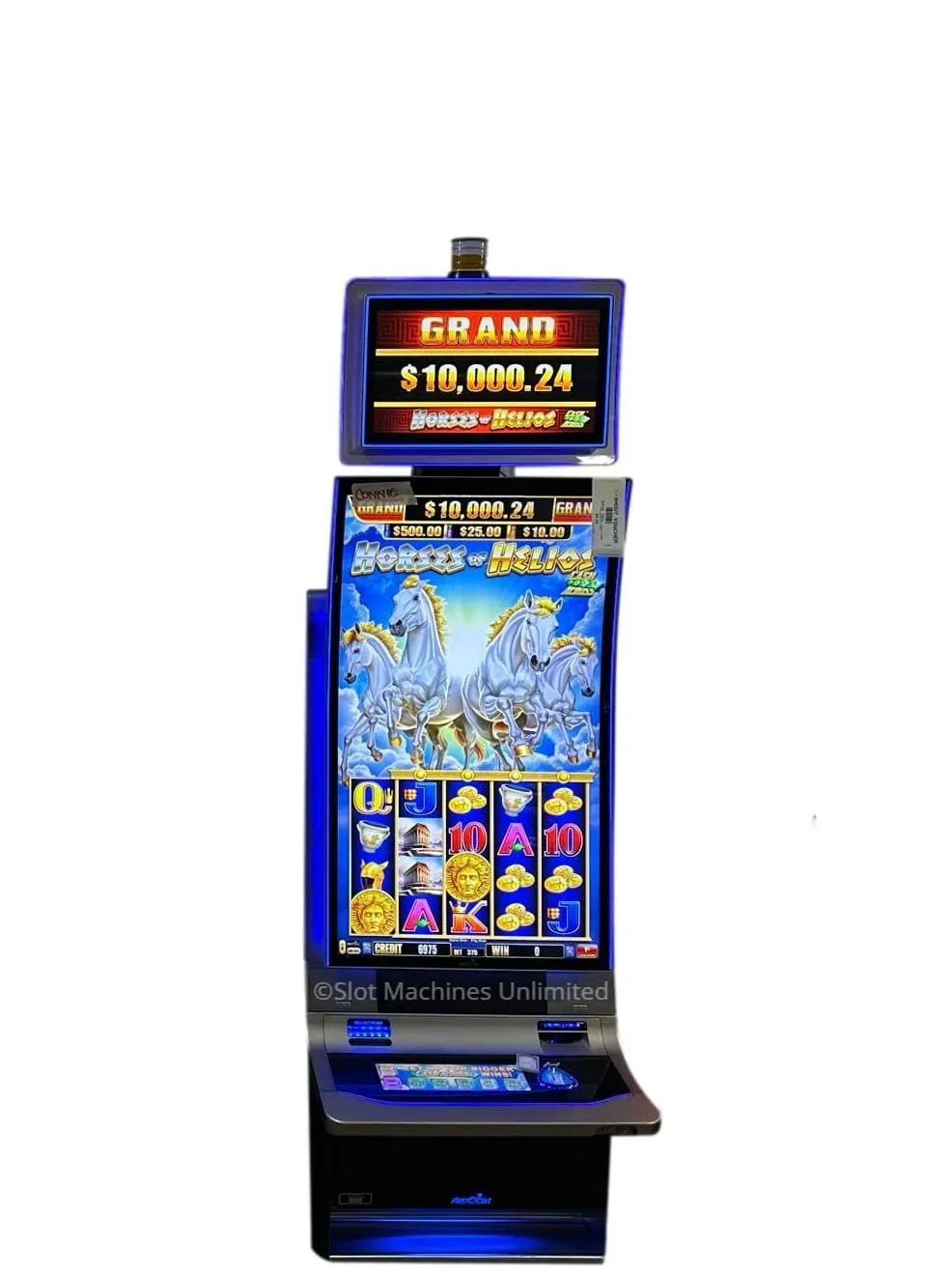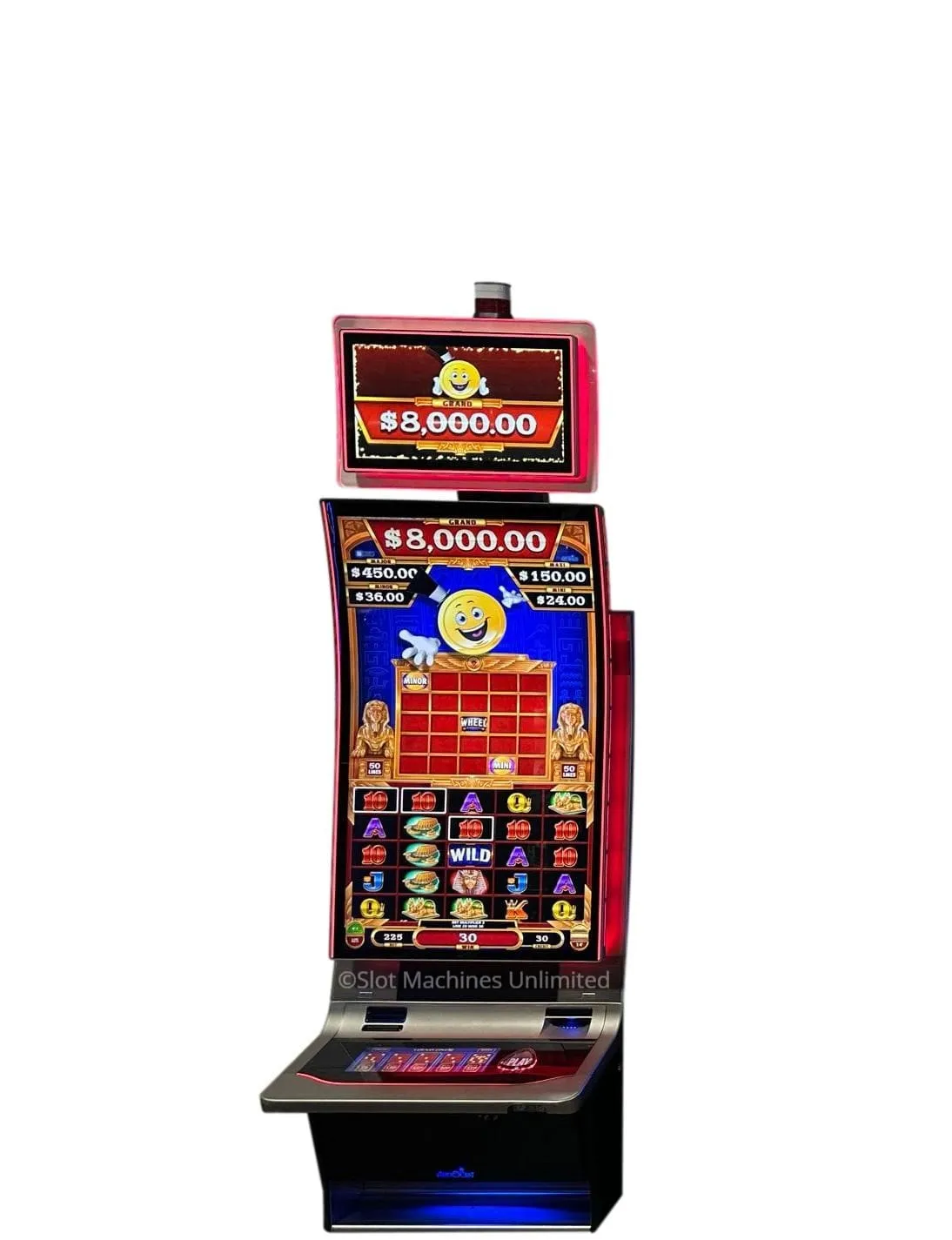



Whether in physical casinos or online gambling platforms, slot machines are always the most eye-catching presence. With dazzling lights, cheerful sound effects, and the thrill of pulling a lever, you may have wondered countless times: how do slot machines actually decide wins and losses? Are they truly random? Is there any winning pattern?
Today, we will use the simplest language to completely break down how slot machines work, and reveal the mystery behind this “digital game”and helping you better understand how to improve your chances of winning.
Quick overview
- Popularity: Slot machines are among the most popular entertainment games worldwide.
- Core Mechanism: They use RNG (Random Number Generator) to ensure every spin is completely random and independent.
- Visual Effects: Spinning reels and animations are only for show; the outcome is determined the moment the button is pressed.
- RTP (Return to Player): Indicates the long-term payout ratio, balancing player enjoyment with casino profitability.
- Rational Play: Understanding RNG and RTP helps players treat slots as entertainment, not a way to make money, avoiding misconceptions and impulsive betting.
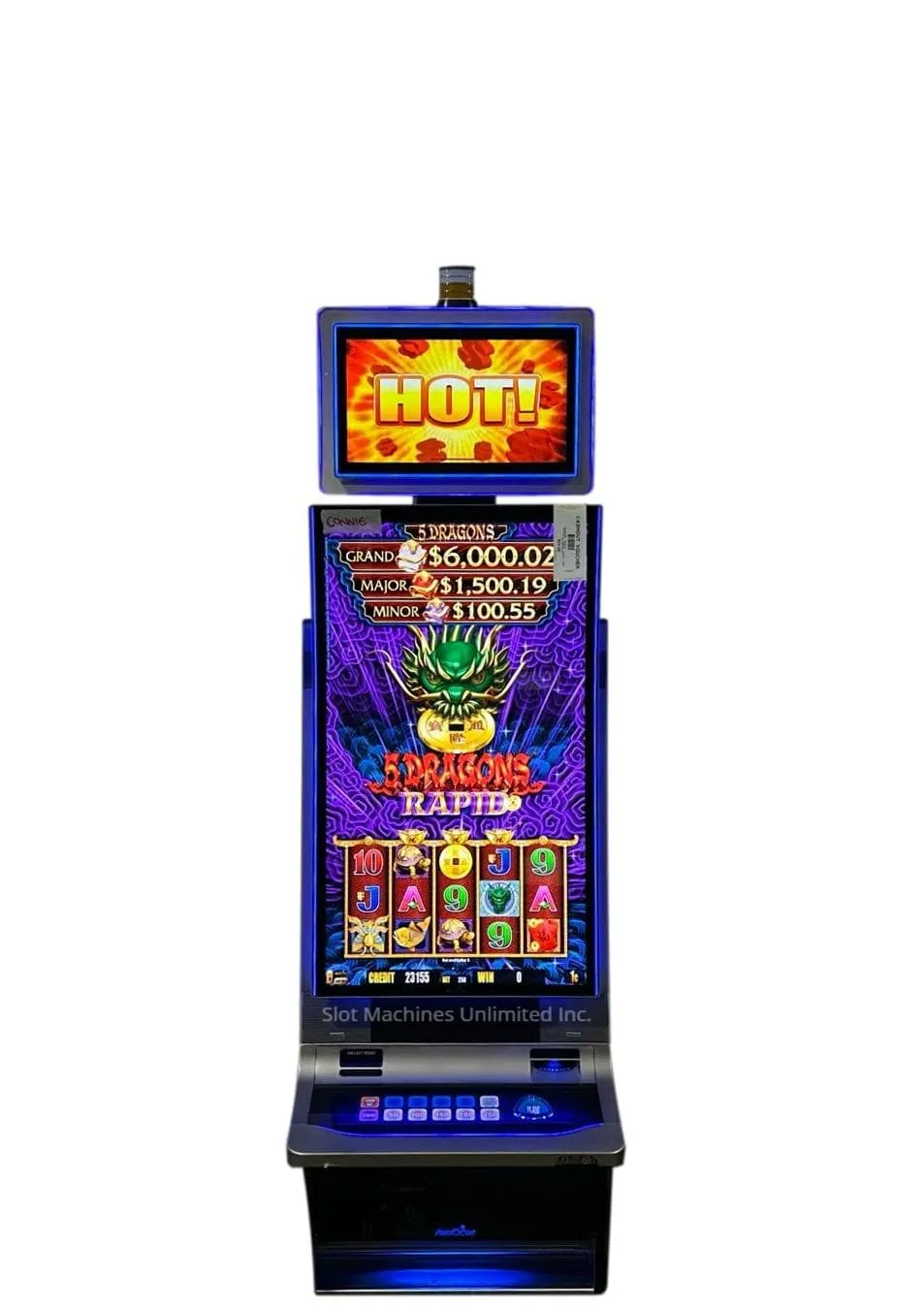
1. The Core Brain: What Is the Random Number Generator (RNG)?
To understand slot machines, we must first understand their “core brain” — the RNG (Random Number Generator).
Modern slot machines are essentially high-end computers disguised in flashy designs. No matter how the reels spin on the screen, the only thing that determines whether you win or lose is this built-in computer program.
1
Millions of calculations per second: The RNG runs continuously in the background, generating thousands (even millions) of random numbers every second.
2
The moment you press the button is decisive: The instant you press “Spin” or pull the lever, the RNG captures the number generated at that exact millisecond.
3
The reels are just animation: The result — whether you win or lose, and how much you win — is already determined in a fraction of a millisecond after you press the button. The spinning reels and slow stopping motion are just “animations” designed to enhance entertainment and suspense.
Key insight: Slot machines have no “memory.” They do not know whether you won or lost the previous round, or how long you have been playing. Every spin is a completely independent event.
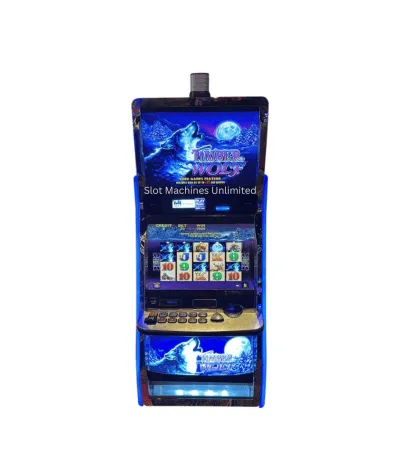
2. The Process Breakdown: What Happens After You Press the Button?
To make this easier to understand, we can break one spin — from inserting coins to receiving results — into 4 simple steps:
1
The player inserts credits and presses the “Spin” button.
2
The RNG instantly captures a set of random numbers at that moment. For example: 12, 45, 88.
3
Numbers are translated into symbols. The internal system has a mapping table: number 12 represents “cherry,” 45 represents “diamond,” and 88 represents “7.”
4
The result is displayed on the screen. The reels spin and finally stop at “cherry – diamond – 7.” If no winning line is formed, the system determines a loss and the game ends.
3. Myth-Busting Guide: Common Misconceptions About Slot Machines
When playing slot machines, many people develop illusions. After understanding how RNG works, these common myths naturally fall apart:
4. Core Concept: What Is RTP (Return to Player)?
If every spin is random, how does the casino make money? This involves a key commercial concept: RTP (Return to Player).
RTP refers to the theoretical percentage of all money a slot machine will return to players over a very large number of spins (usually millions).
For example: If a slot machine has an RTP of 96%, it means that in theory, out of every $100 wagered by all players combined, the machine will return $96 in prizes, while the remaining $4 is the casino’s profit (also called the house edge).
Important note: This 96% is calculated based on massive statistical samples. It does NOT mean that if you bring $100 today, you will get $96 back. In the short term, you may lose everything or even hit a huge jackpot.
5. Conclusion: How Should You View Slot Machines Rationally?
The reason slot machines are popular worldwide is precisely their unpredictability. RNG ensures absolute fairness and randomness, while RTP ensures long-term profitability for casinos.
Treat slot machines as a form of paid entertainment, not a way to make money. Set your budget in advance. If you win, it’s luck; if you lose, consider it the cost of entertainment. Maintaining a calm mindset is the only way to truly enjoy the experience!
Looking for High-Quality Slot Machines?
We supply premium arcade and casino gaming machines at factory-direct prices. Contact us today for a free product catalog and quote.