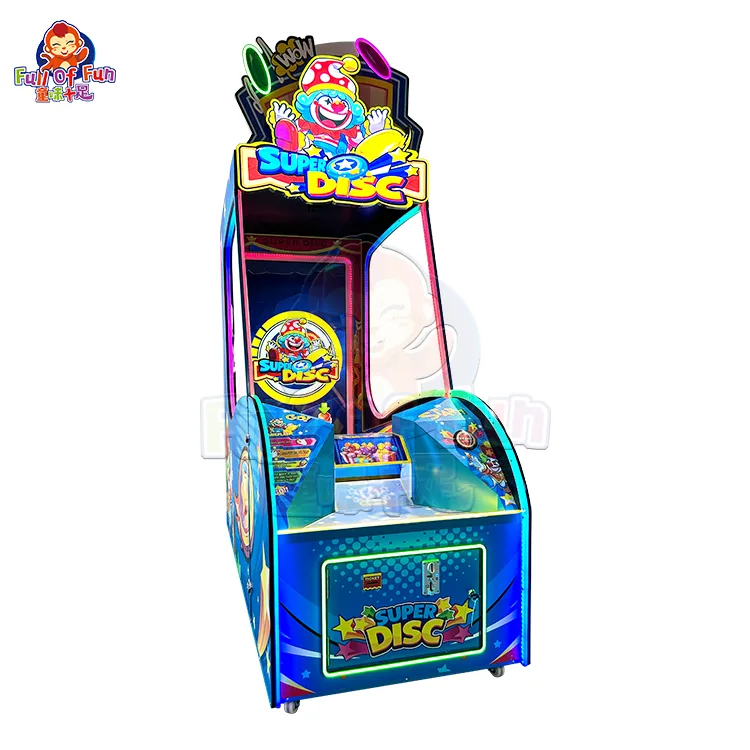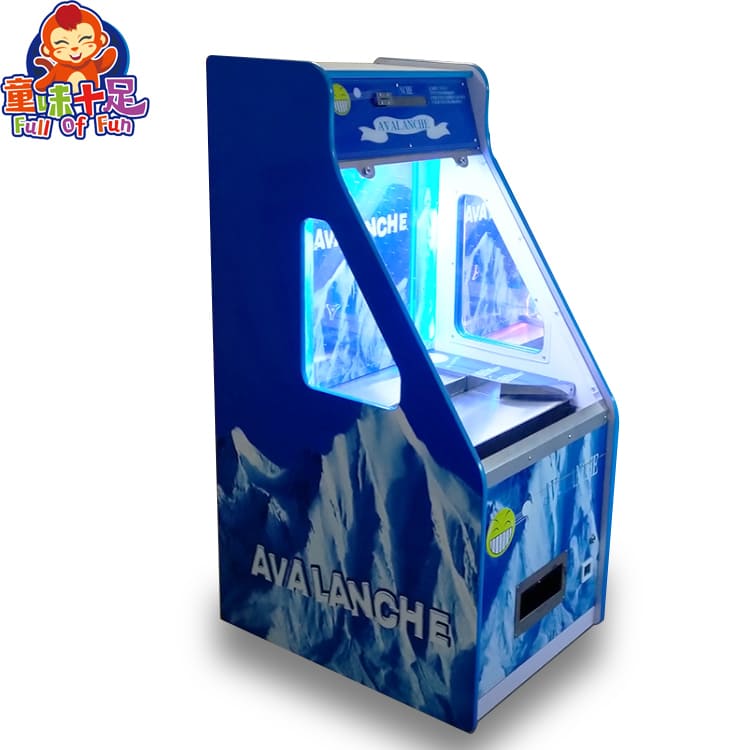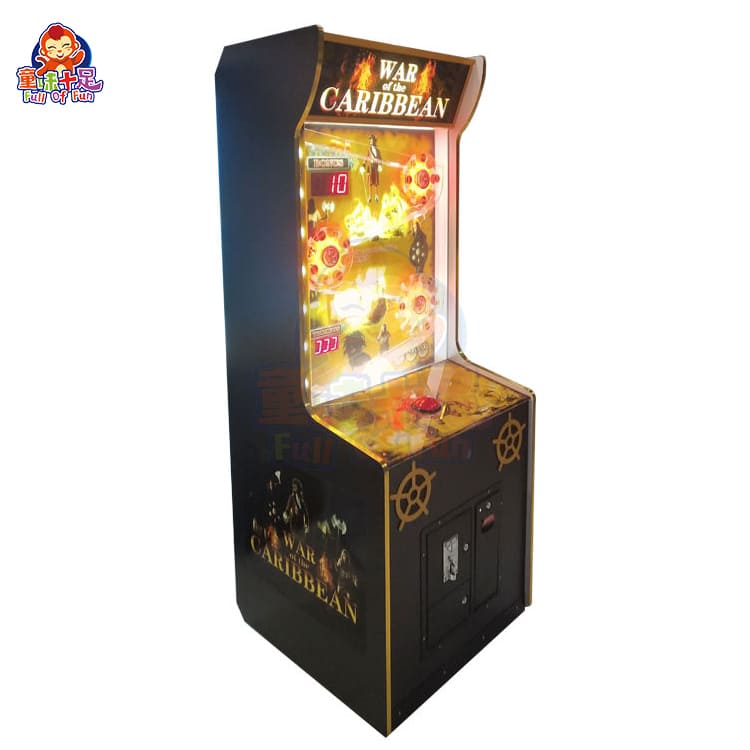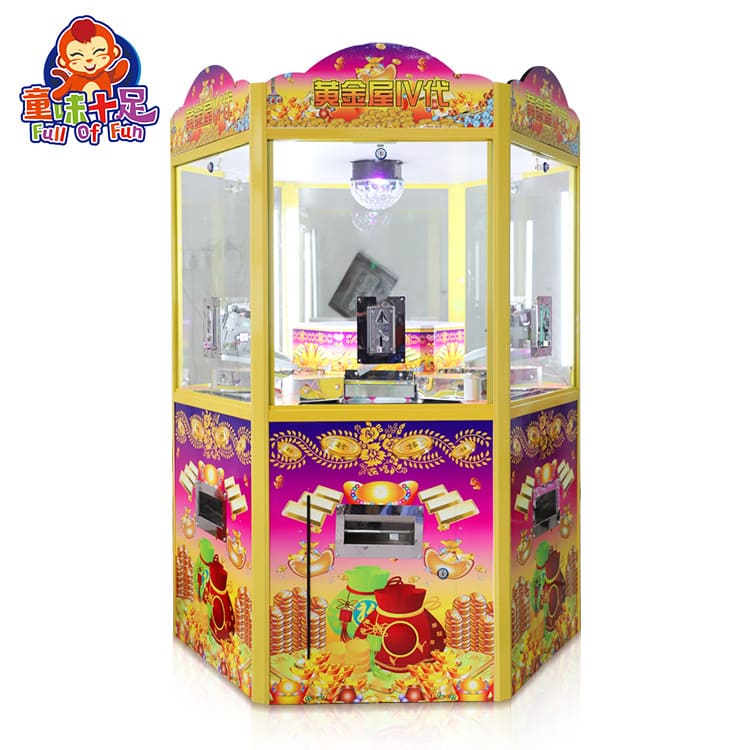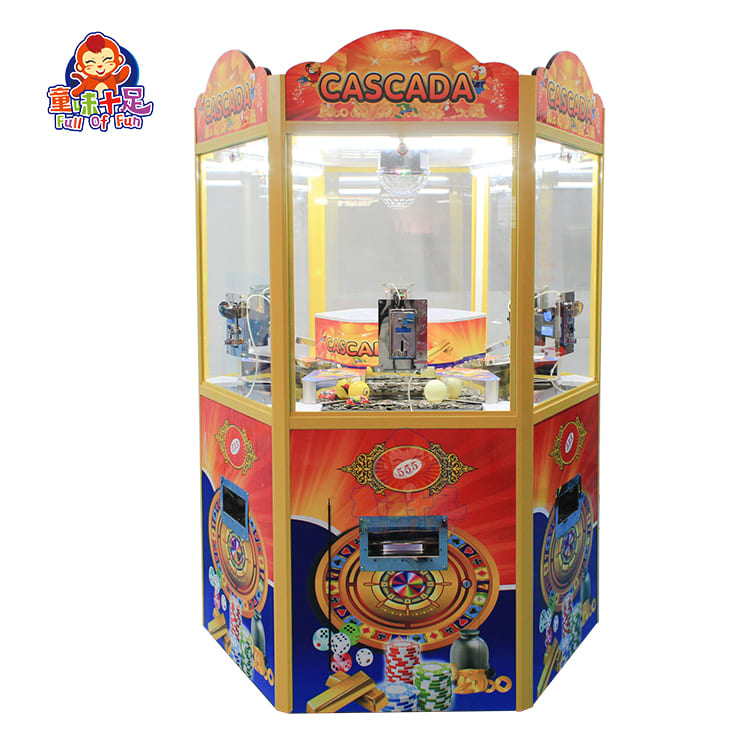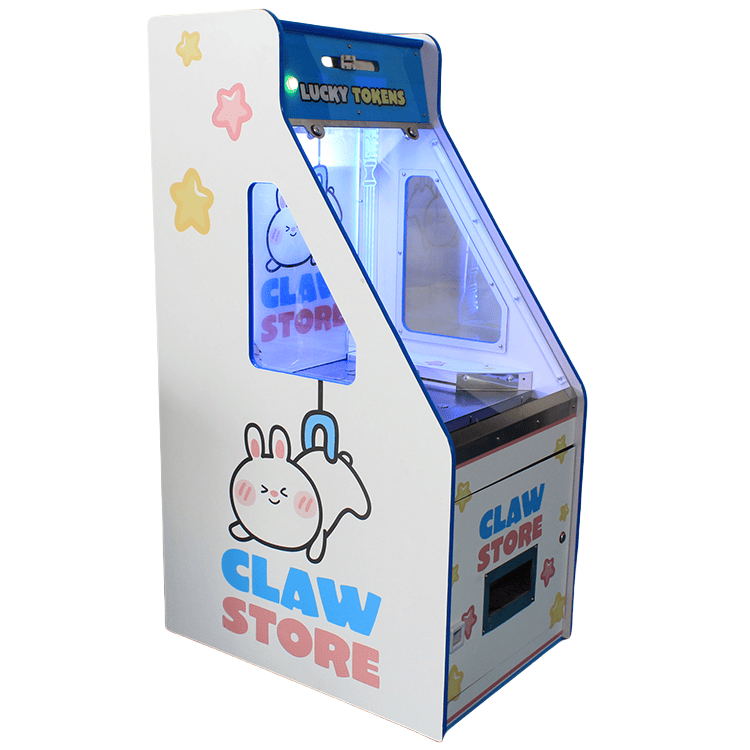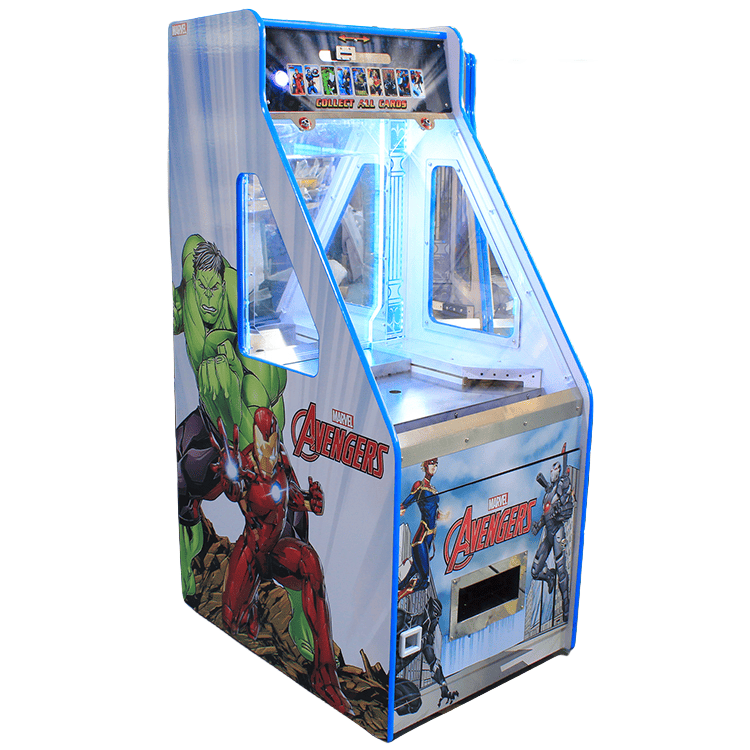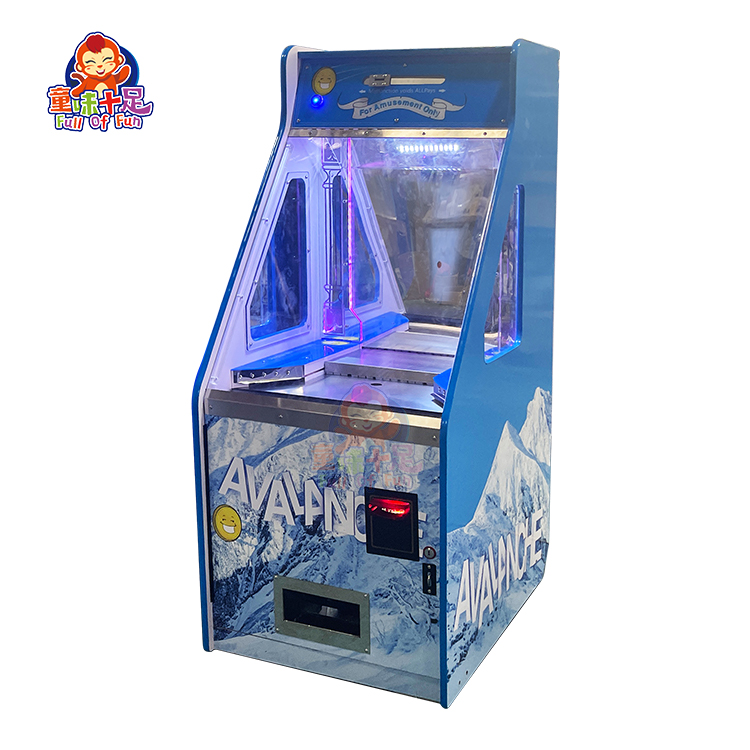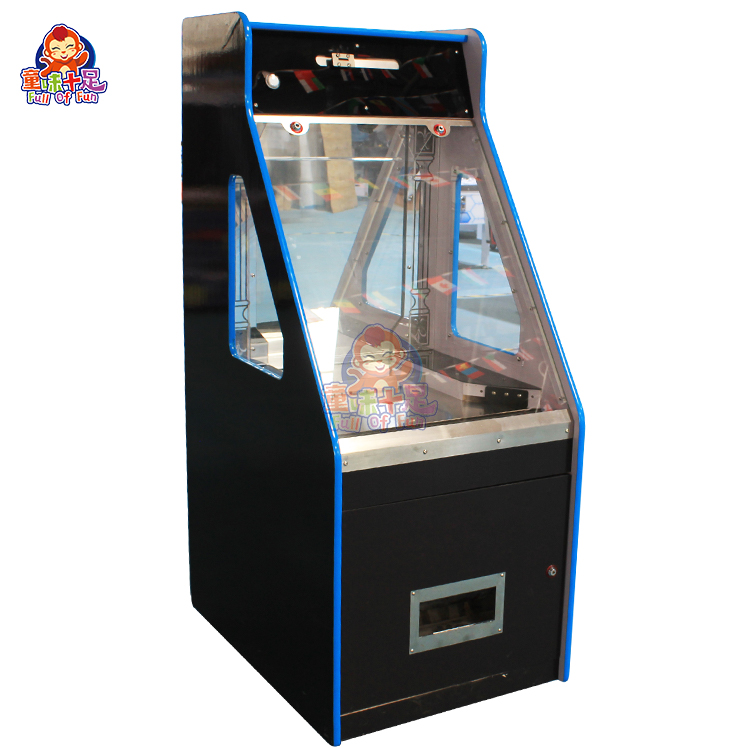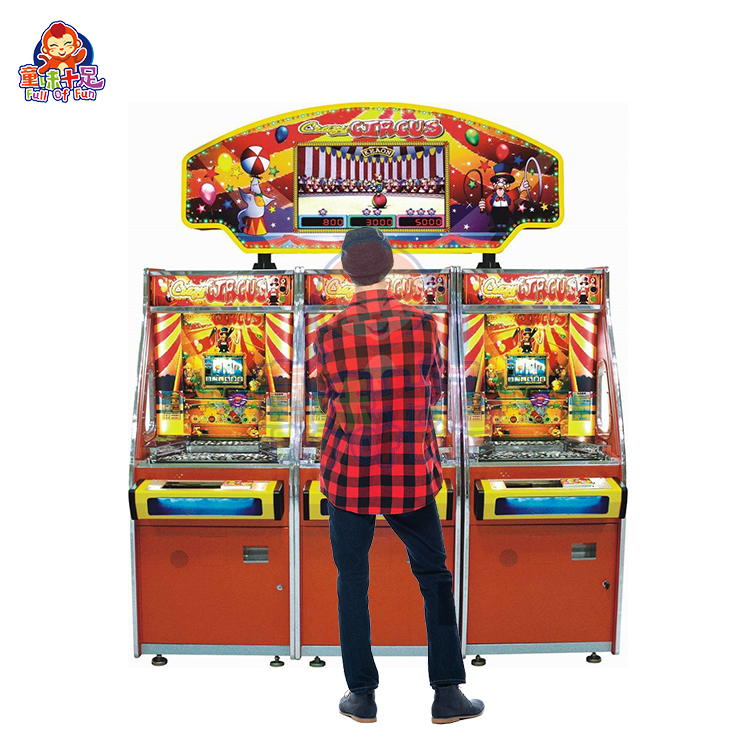

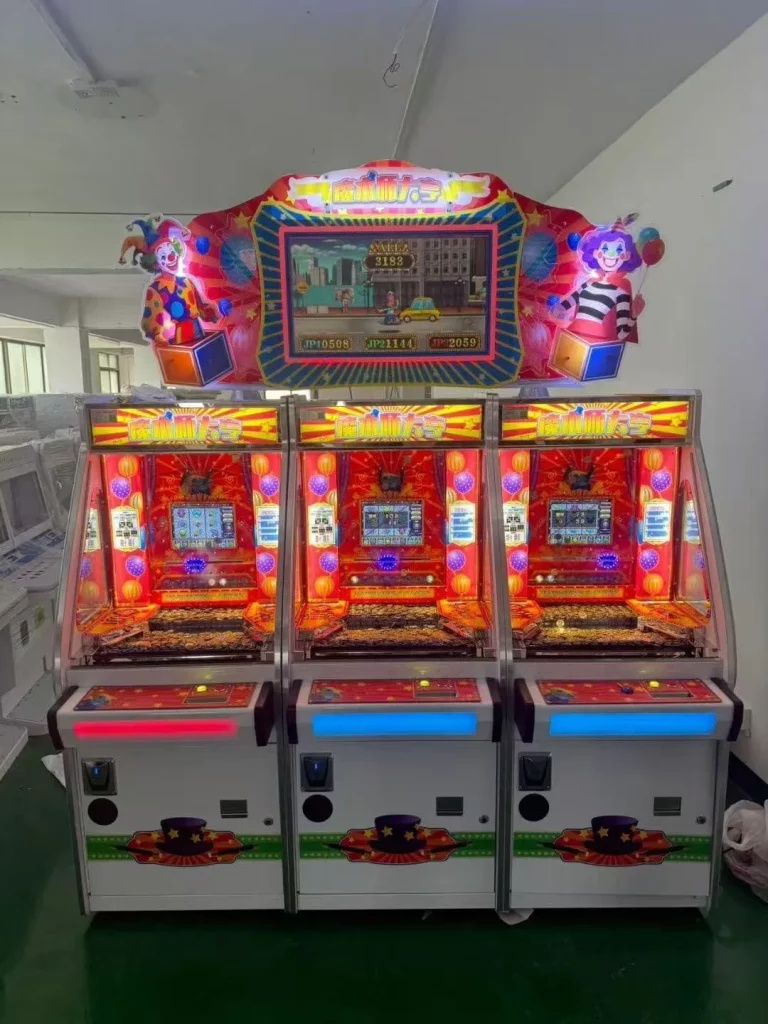
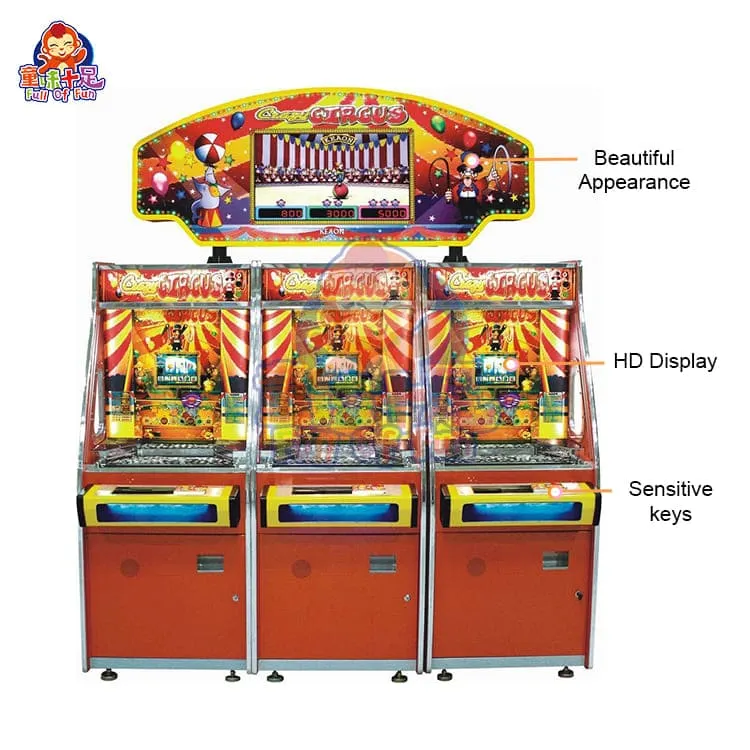
- What it is: A highly engaging electromechanical arcade machine where players drop coins or tokens to push stacked coins and high-value prizes off the ledge.
- Most Cost-Effective Model: The Small Single-Player Coin Pusher ($650) is our top-selling, highest-efficiency unit, taking up minimal space while delivering ultra-fast ROI.
- Proven Profitability: With operational payback periods averaging only 1 to 3 months, coin pushers generate reliable, continuous daily cash flow in heavy-footprint zones.
- Advanced Security: Premium units come standard with intelligent anti-tilt, anti-shaking alarm configurations, and electromagnetic shielding to prevent physical and electronic cheating.
1. What is a Coin Pusher Machine? The Psychology of Player Engagement
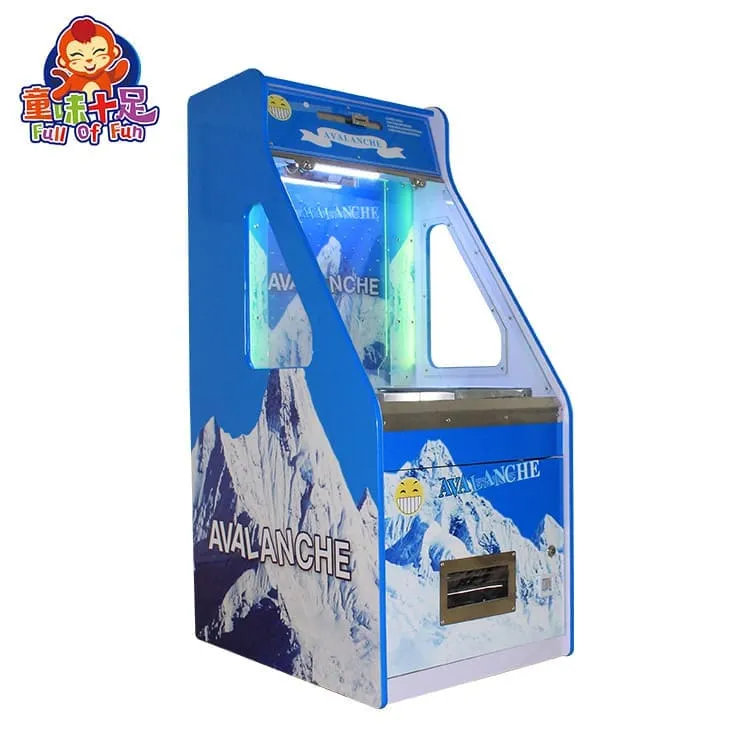
A coin pusher machine (often termed a quarter pusher or penny falls) is a classic electromechanical amusement game found in family entertainment centers (FECs), modern arcades, cruise ships, and bars. The gameplay mechanics are brilliantly straightforward: players slide a coin or token through a entry slot, hoping it falls flat onto a constantly moving internal slider plate. As the plate moves back and forth, it pushes accumulated coins toward a cliff-like drop-off. If done correctly, a cascade of coins and prizes falls into the payout tray.
The magic behind the coin pusher’s massive appeal lies in the psychology of the “near-miss.” Unlike traditional arcade cabinets that require deep learning curves, anyone can play a coin pusher immediately. Seeing coins stacked dangerously over the edge triggers an immediate neurological reward response, encouraging players to feed “just one more coin” to claim the prize. This makes it an incredibly powerful, high-retention anchor machine for any commercial floor.
2. Commercial Types & Specifications of Coin Pushers
Choosing the correct model is vital for aligning with your floor plan, visitor traffic, and upfront budget. We manufacture robust, commercial-grade options designed to meet the rigorous demands of active operations:
| Machine Type | Player Capacity | Key Competitive Edge | Dimensions (L*W*H) & Power | Factory Direct Price |
|---|---|---|---|---|
| Small Single Push Coin Machine Best Seller |
1 Player | Minimal footprint. Perfect for tight corners, local shops, and bars. Maximizes floor-space yield. Ultra-fast ROI. | 83 * 60 * 145 cm Power: 200W |
$650 USD |
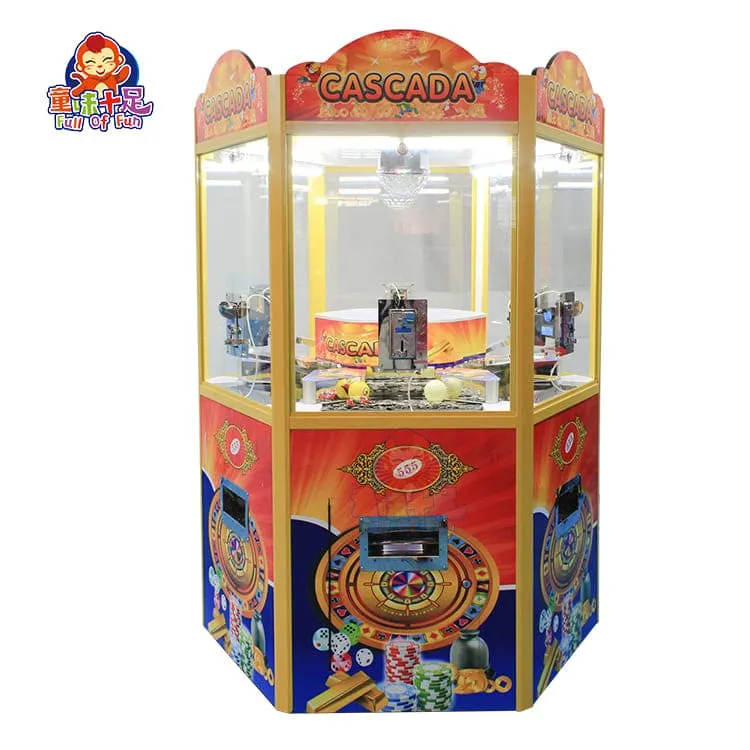
| 6-Person Coin Pusher | 1 – 6 Players | Highly interactive social hub for main avenues. Bright neon LEDs and multiple setups to attract high crowds. | 132 * 132 * 185 cm Power: 200W |
$800 USD |
| Gold Fort 4-Person Coin Pusher | 1 – 4 Players | Heavy-duty luxury cabinet with 3D thematic gold fort styling. High ticket/prize payout capacity for high-end FECs. | 150 * 150 * 200 cm Power: 300W |
$3,100 USD |

3. 2026 Price Guide: Understanding Real Costs vs. Asset Value
When purchasing a coin pusher machine, savvy business owners look beyond the sticker price. You must analyze the total cost of ownership (TCO) against long-term asset value. In 2026, direct-to-factory ordering has dramatically reduced the capital expenditure required to establish an arcade zone:
- Entry-Level Investment ($650): The Small Single Push Coin Machine provides commercial durability at a residential price point. For small retail stores, convenience locations, or local bars, a single-player machine serves as a highly profitable, self-service amenity with virtually zero daily maintenance overhead.
- Multi-Player Scale ($800 – $3,100): Scaling up to multi-player configurations (such as the 6-person model at $800) drives down your cost-per-player station significantly. A 6-station platform at $800 equates to just over $133 per active seat, making it an incredibly cost-effective strategy to fill large spaces with interactive machinery.
💡 Hidden Cost Factors to Keep in Mind:
When budgeting, factor in shipping costs (LCL sea freight vs. FCL container shipping), token customization fees, and localized customs clearance. Always source directly from manufacturers that provide complete, export-ready plywood packaging to avoid structural transit damage.
Read more:2026 Coin Pusher Price Guide: Understanding the Real Cost and Profit Logic
4. Are Coin Pusher Machines Profitable? The Business Mathematics
The simple answer is yes: commercial coin pushers are remarkably lucrative cash-generating machines. Because they do not require constant supervision, active staff labor, or expensive consumable components, their operating margin remains exceptionally high (often exceeding 90%).
📈 Real-World Return on Investment (ROI) Case Study
Let’s calculate the conservative, real-world earning logic of our best-selling Small Single-Player Unit ($650) positioned in a high-traffic arcade or family center, factoring in a standard 25% prize payout cost:
- Cost Per Play: $1.00 USD (Grants 4 tokens)
- Average Daily Game Loops (Weekday): 30 games/day = $30.00 USD
- Average Daily Game Loops (Weekend): 110 games/day = $110.00 USD
- Total Weekly Gross Revenue: (5 * $30) + (2 * $110) = $370.00 USD per week
- Minus Player Payout Cost (25% Prize/Token Margin): -$92.50 USD per week
- Weekly Net Revenue: $277.50 USD
- Average Monthly Net Revenue: ~$1,110.00 USD
- Estimated Payback Period: Around 2.3 Weeks!
Even after deducting the 25% player payout cost, monthly electricity (~$15), and space lease allocation, the payback timeline remains unmatched. Since you can adjust the payout matrix on the mainboard, your profit margins remain perfectly secure.
Key Profit Drivers for Commercial Operators:
- Adjustable Profit Margins: The coin push tray speed, entry angle, and token-to-prize ratio can be configured on the internal control board, giving you complete oversight of your operational margins.
- Redemption Ecosystem Integration: Modern operators link coin pushers to digital ticket systems or e-ticket card readers. Players win tickets that they exchange for wholesale prizes at the redemption counter, keeping profit margins tightly locked in your favor.
- Low Operational Depreciation: Built with tempered safety glass, powder-coated steel chassis, and commercial-grade mainboards, these machines are constructed to last over a decade under non-stop usage.
Read more:Are Coin Pusher Machines Profitable?

5. Premium Placement Strategies: Where to Put Your Coin Pusher
Foot-traffic volume and demographic alignment are the primary elements of arcade profitability. Strategic placement ensures your coin pusher operates at peak earning capacity:
Place multi-player layouts (like our 6-player or Gold Fort setups) near the main pathways or directly opposite redemption counters to maximize footfall conversion.
Single-player models are excellent revenue-boosters near bar areas. They provide fun entertainment while keeping adult patrons staying longer and buying more refreshments.
Capture high impulse play. Shoppers waiting for movie showtimes or taking breaks will gladly play with leftover coins, creating passive revenue channels.
More home buyers are adding single coin pushers to home theaters or basement bars for retro entertainment without commercial coin restrictions.
6. Legality, Compliance, and Family Entertainment Values
A common question among new operators is: Are coin pusher machines legal to operate?
In most global jurisdictions, coin pushers designed for amusement parks, FECs, and arcades are classified as Skill-Based Amusement Devices. Because the timing of the coin drop, drop angle, and target choice depend on the player’s direct physical input, it is distinct from games of pure chance.
To ensure perfect regulatory compliance in your local market, consider these industry-standard practices:
- ✓
Operate via Custom Tokens: Do not use real legal tender. Require players to purchase proprietary arcade tokens to play the game. - ✓
Utilize Ticket Redemption: Distribute redemption tickets or digital points instead of cash payouts. Players redeem these tickets for prizes, plush toys, or electronic goods. - ✓
Check Local Laws: State, provincial, and local municipal guidelines can vary. Always consult your regional amusement licensing department for clear operational requirements.
7. Security First: Anti-Tilt, Anti-Cheating, and Structural Integrity
Operating a coin pusher in a public, unattended space means physical security must be a primary design asset. Dishonest players may attempt to shake, slam, or tilt the cabinet to force loose coins off the shelf. Cheap, unbranded cabinets easily fall prey to these simple tricks, resulting in lost revenue and broken machinery.
Our professional coin pushers feature highly integrated defense mechanisms to ensure fair play and continuous security:
- Intelligent Anti-Tilt Shaking Alarm: Built-in internal pendulum and electronic G-sensors detect sudden acceleration or physical impact. If a player shakes or hits the cabinet, an audible alarm sounds, and the machine’s internal coin tray immediately locks out or powers down temporarily, nullifying any cheating attempts.
- Anti-Electromagnetic (EMP) Interference Mainboard: Low-cost cabinets can sometimes be tricked by EMP jammers. Our mainboards are enclosed in fully grounded metal shielding boxes, preventing unauthorized signals or external slot-disruptors from tampering with your coin hopper or payout mechanics.
- Industrial-Grade High Security Locks: Features dual-point deadbolts on all entry hatches, coin boxes, and mechanical drawers to ensure cash box safety.
8. How to Evaluate a Reliable Coin Pusher Supplier
Choosing the right manufacturing partner makes all the difference in commercial success. Avoid cheap, uncertified online listings that offer zero warranty or spare parts. Keep this pre-purchase checklist in mind during your sourcing phase:
- ✓
Verify Material Certification: Ensure the factory uses tempered safety glass (never thin standard glass) and durable fire-retardant cabinetry boards. - ✓
Check Power Adaptability: Confirm the supplier can customize power transformers to match your localized country standards (e.g., 110V US plug vs. 220V EU plug). - ✓
Demand Rigorous Factory Aging Tests: Reliable factories run machines continuously for at least 48 to 72 hours before crating to ensure perfect electronic stability. - ✓
Look for Comprehensive After-Sales Support: Access to replacement motors, replacement glass, customized tokens, and direct remote technical guidance is crucial to minimizing business downtime.
Read more:Coin Pusher Machine Supplier: Providing High-Quality, Reliable Arcade Coin Pushers
Frequently Asked Questions (FAQ)
Ready to Elevate Your Amusement Business Profits?
Contact our experienced sales engineers today to receive a customized freight quote, bulk order discounts, and direct consultation for your gaming floor layout.