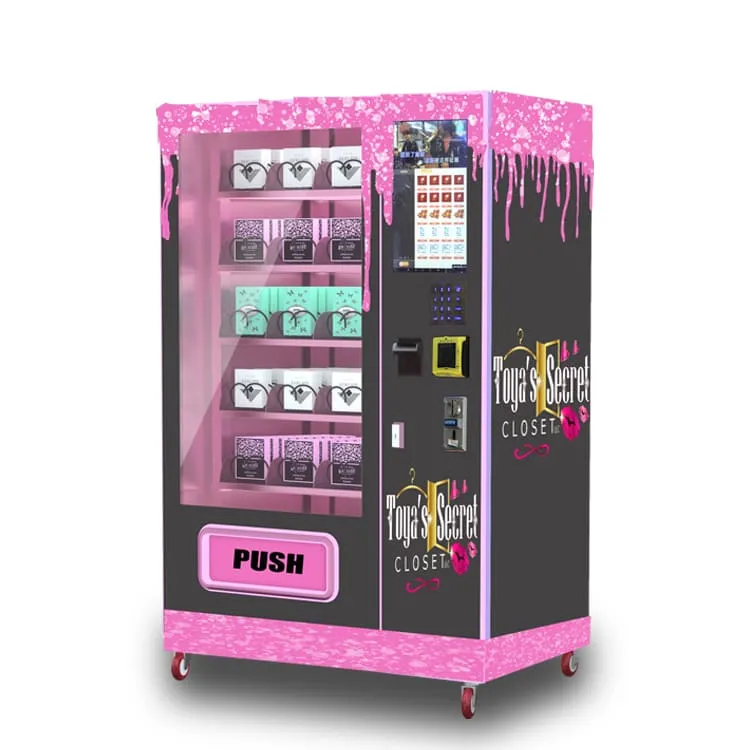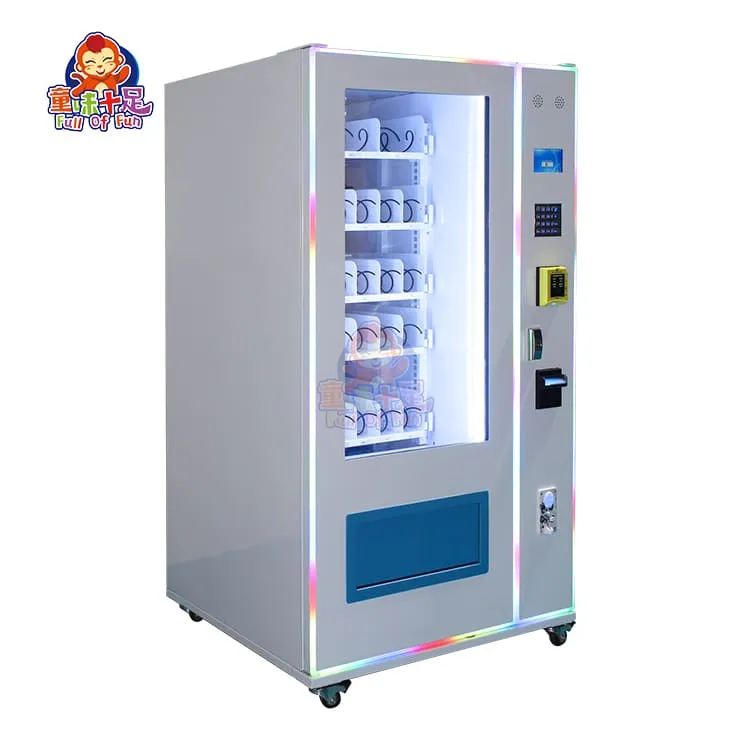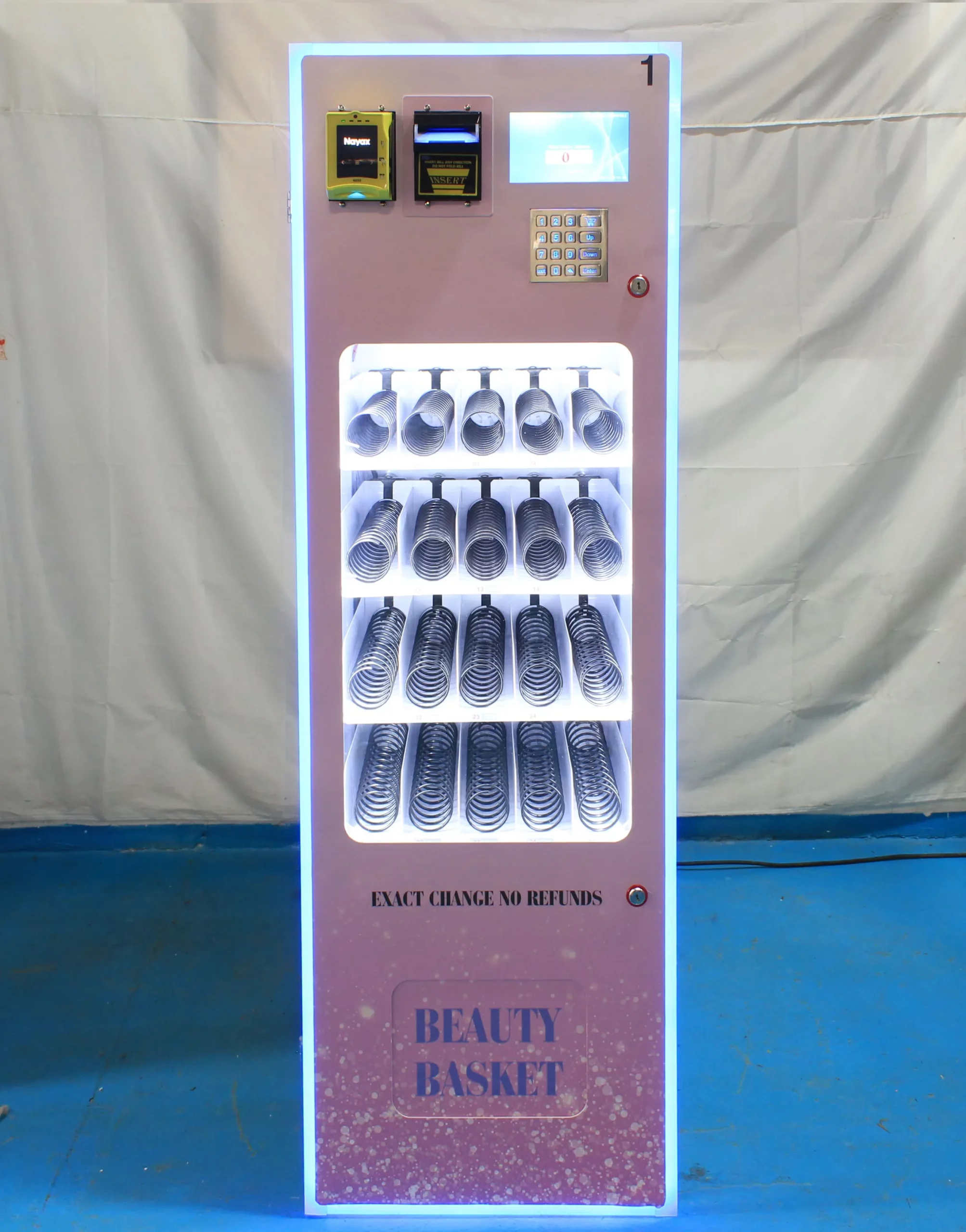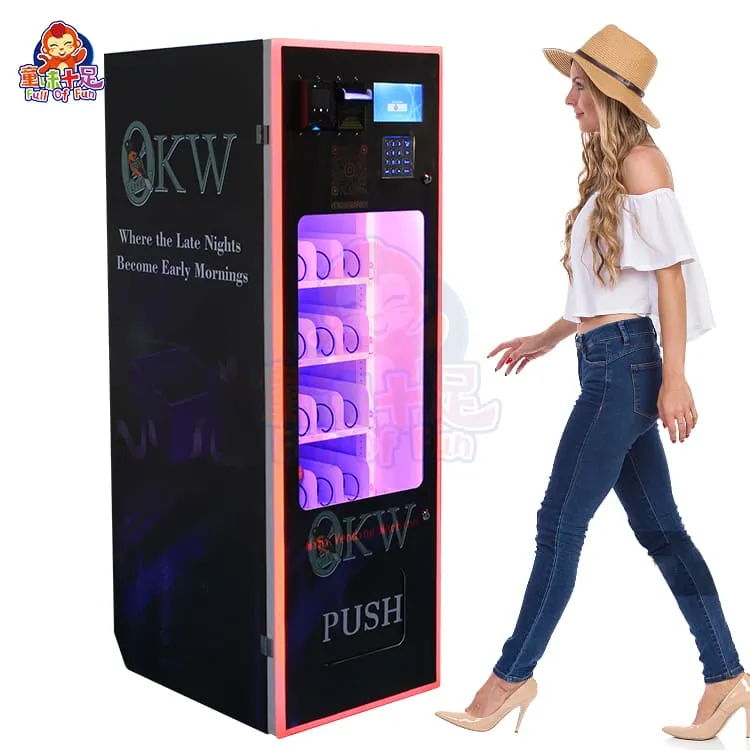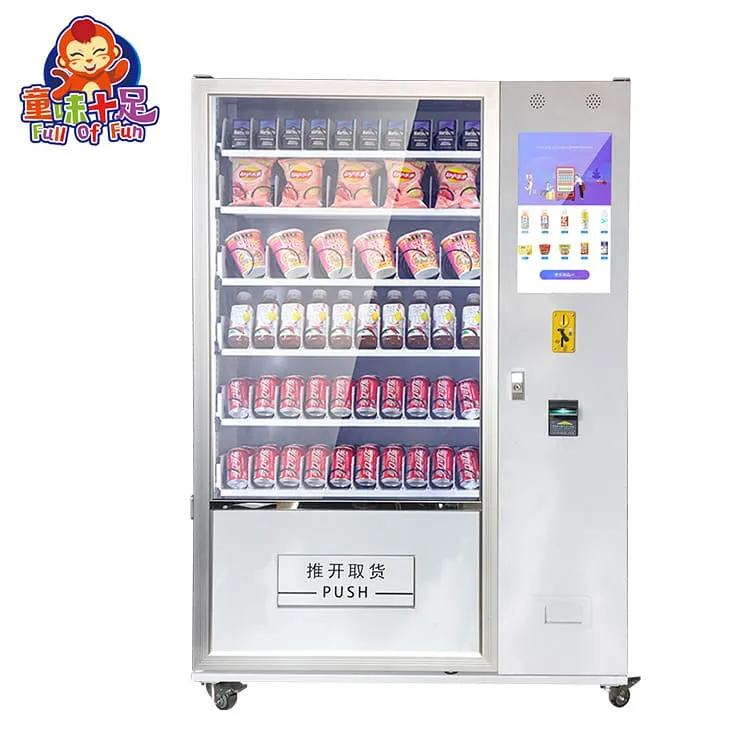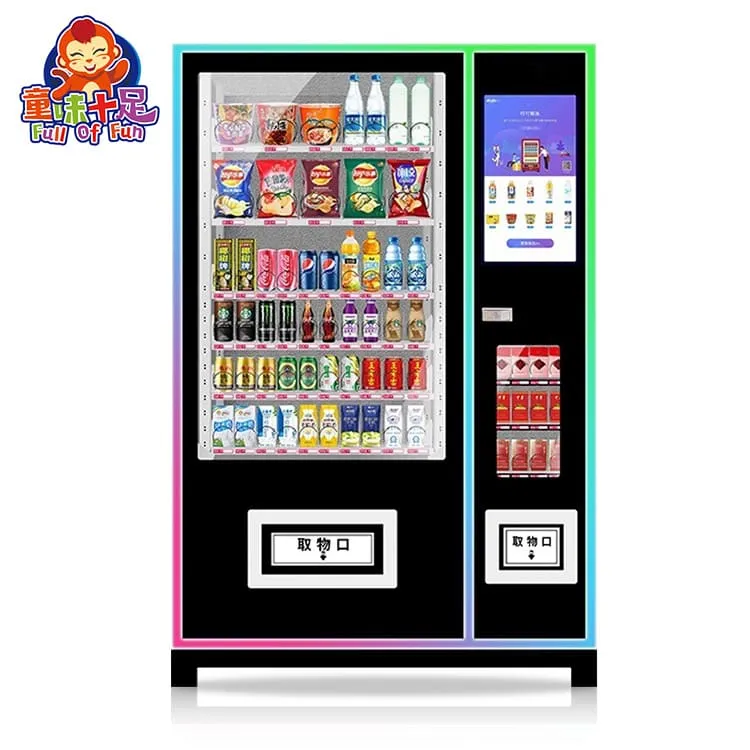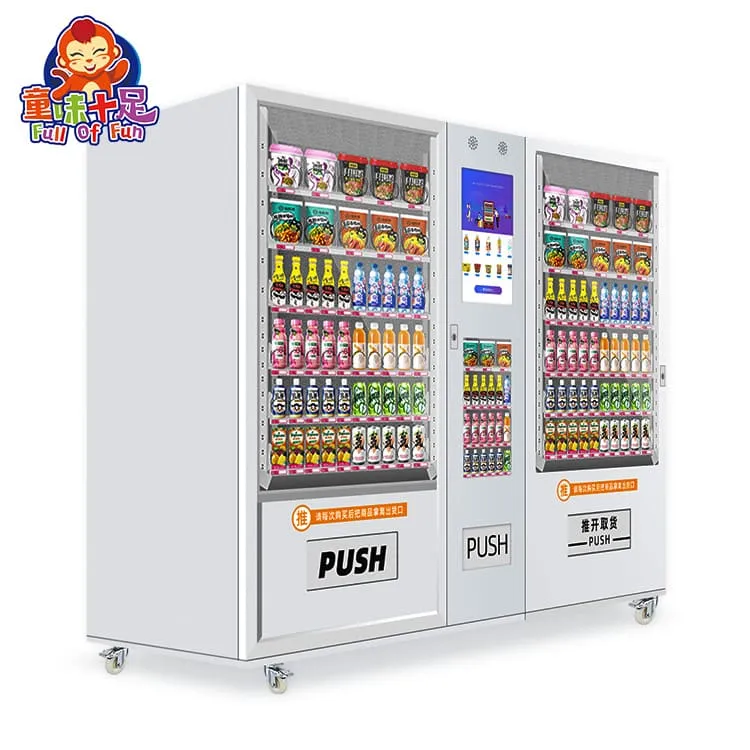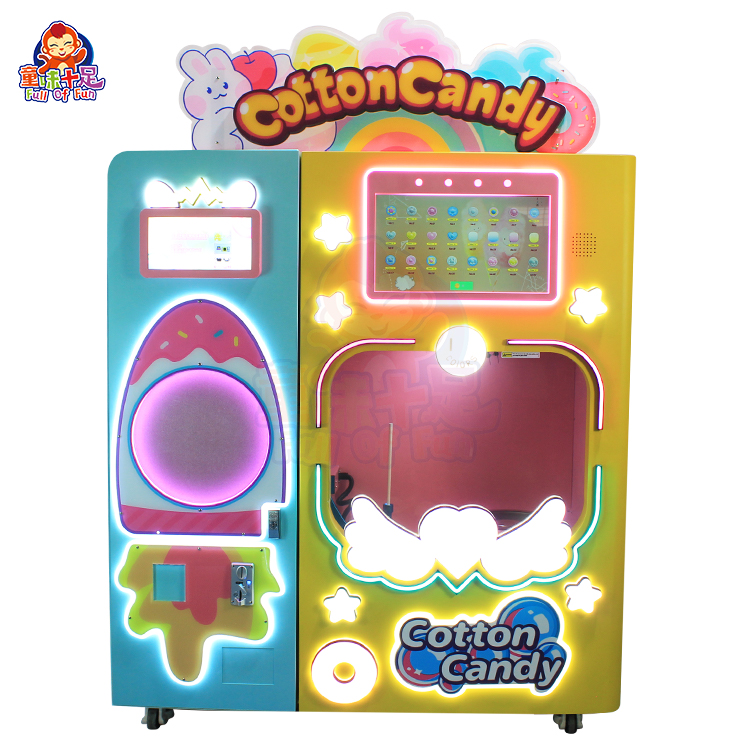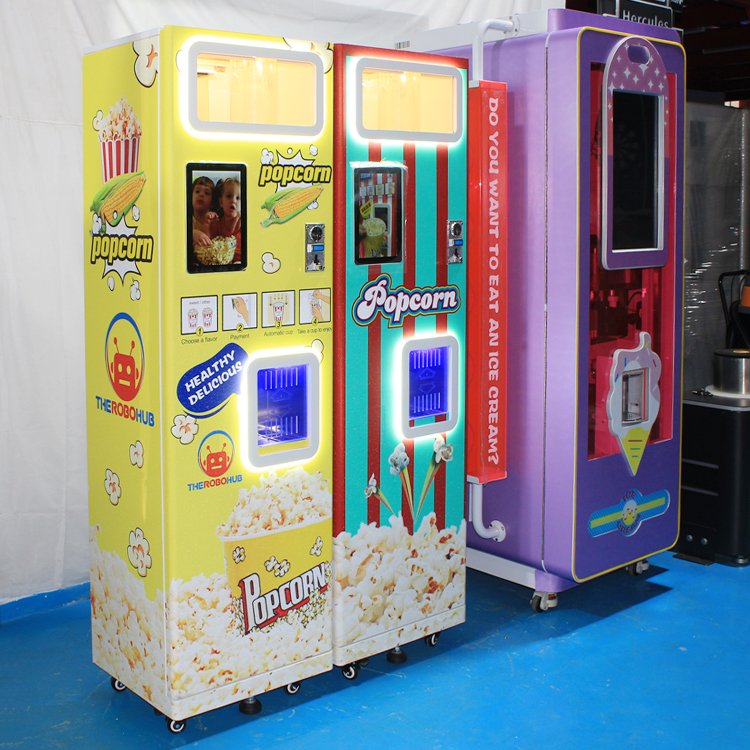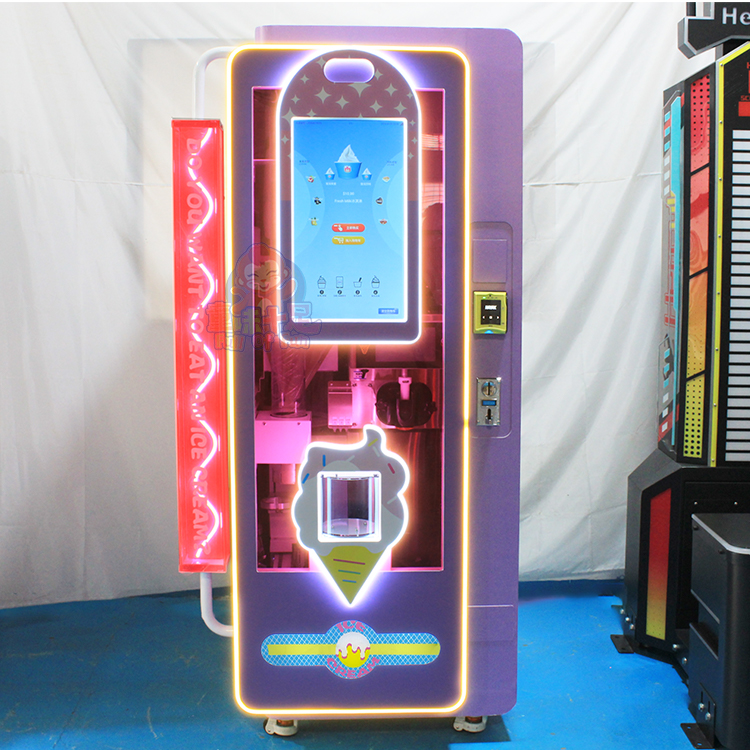
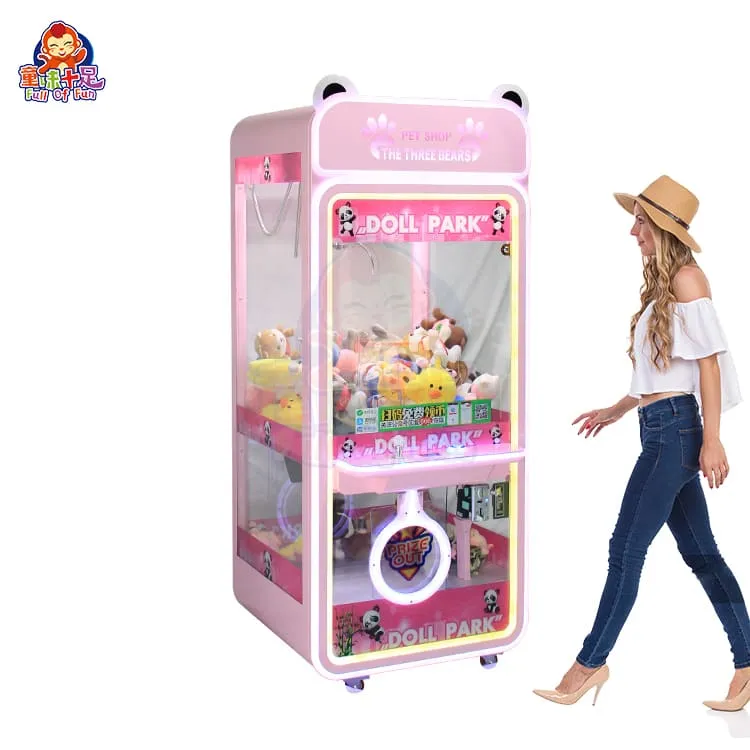
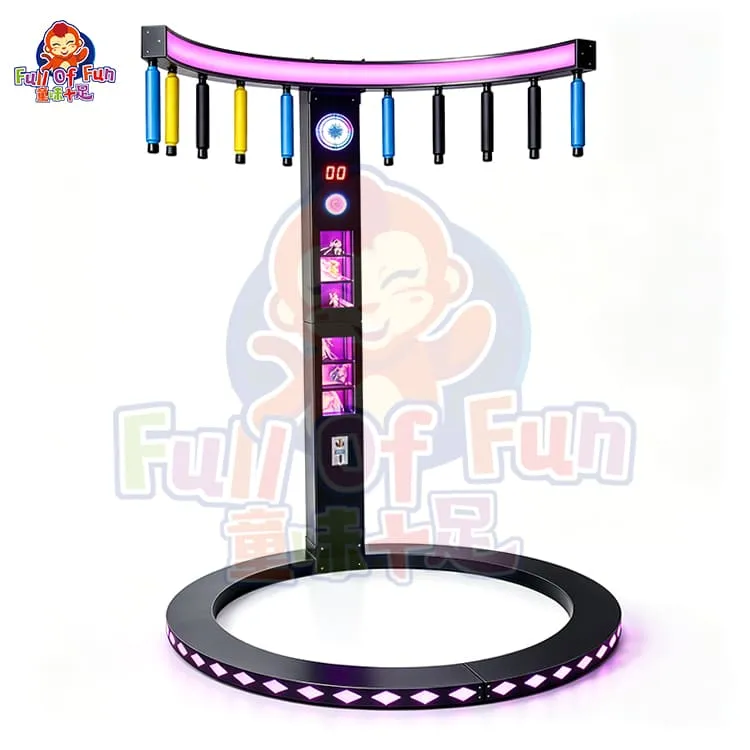
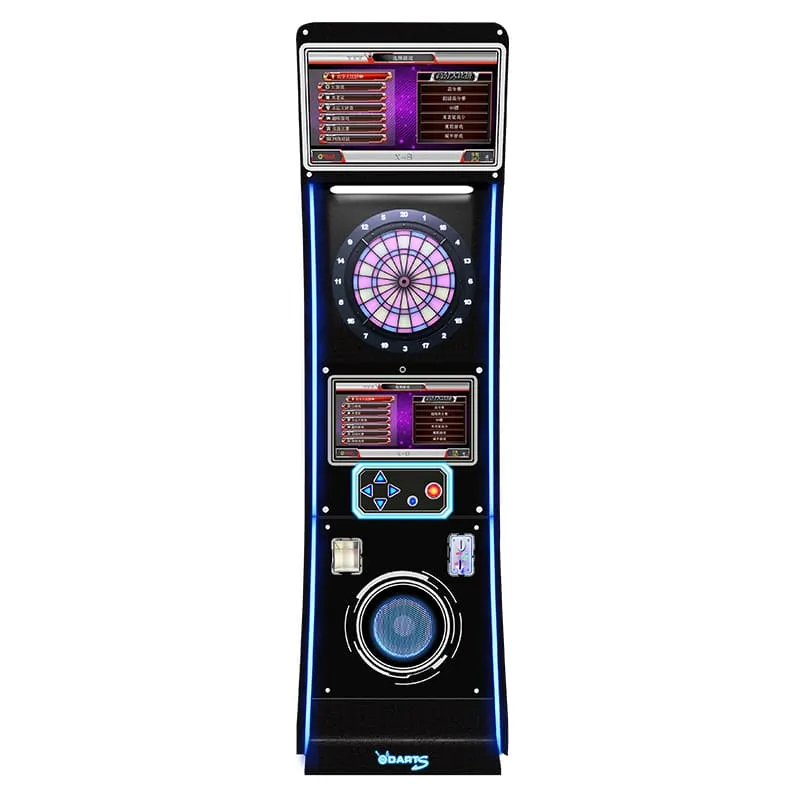
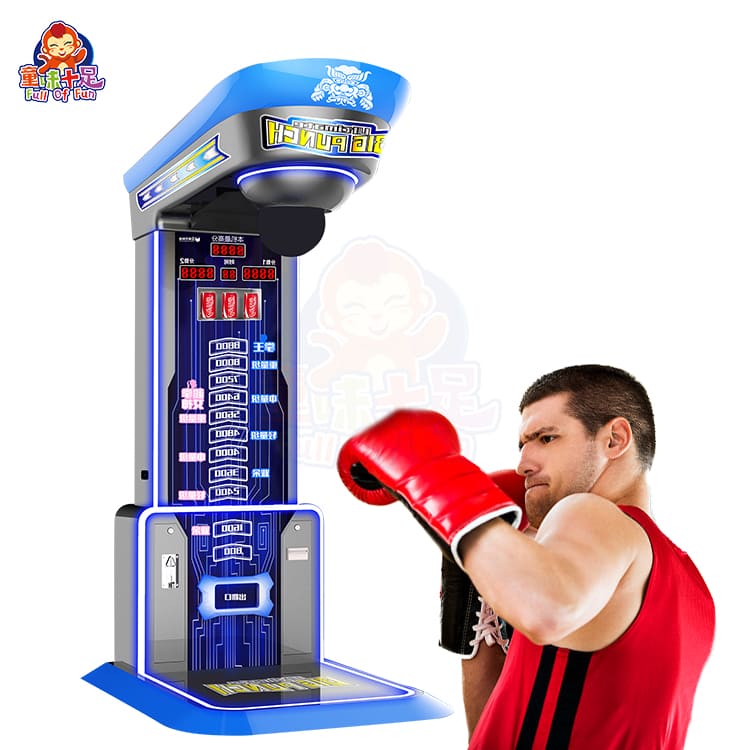
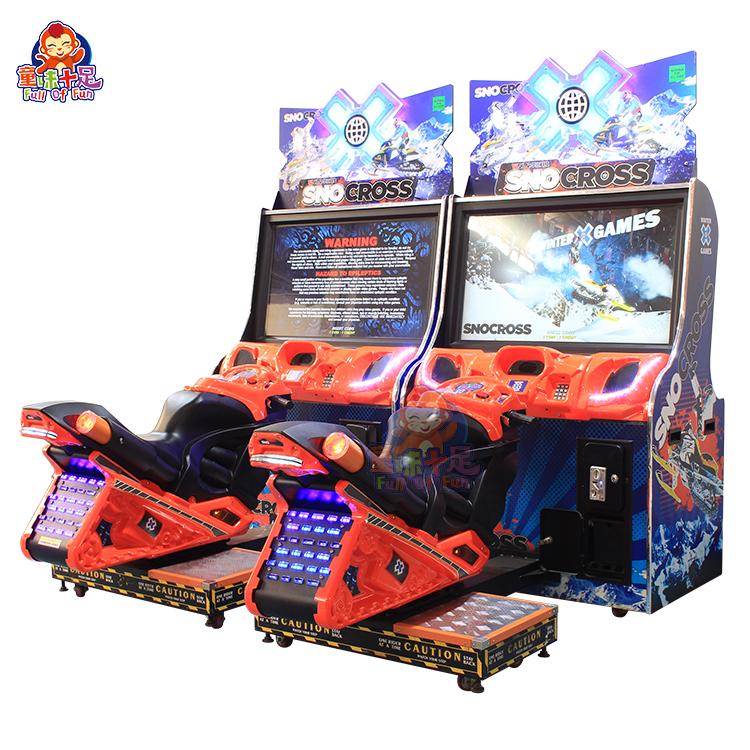

As a fast, highly adaptable, and autonomous retail channel, vending machines are increasingly favored by modern property owners and commercial operators worldwide. Whether you are dispensing chilled beverages, hot snacks, fresh food, or daily essentials, automated retail systems offer an invaluable 24/7 touchpoint that captures spontaneous consumer demand exactly when and where it occurs.
However, maximizing profitability in the vending industry relies on one foundational pillar: strategic placement. The ultimate goal is to target locations characterized by high foot traffic and long dwell times—environments where consumers are either waiting, working, playing, or resting, and where traditional retail options are either inconvenient or inaccessible.
Quick Answer: Optimizing Your Smart Retail Placement Strategy
For quick reference, the complete ecosystem of profitable vending machine locations is categorized below based on traffic patterns, consumer behavior, and financial return profiles.
1. The Core Placement Summary
To extract the highest yield per square foot, smart retail operators must deploy machines in high-traffic, high-dwell-time micro-environments. The most lucrative spaces span 15 specific venues categorized into Healthcare & Transit Hubs (Hospitals, Airports, Stations, Gas Stations), Institutional & Corporate Campuses (Schools, Universities, Office Buildings, Factories, Industrial Parks), Commercial & Entertainment Zones (Malls, Movie Theaters, Arcades/FECs, Hotels), and Lifestyle Hubs (Gyms, Residential Communities). Success hinges on pairing the specific product mix with the correct local demographic while establishing an equitable fixed-rent or revenue-sharing contract.
2. Strategic Site-Selection Checklist
✓
Target Waiting & Captive Audiences: Prioritize spaces like hospital waiting rooms, airport transit terminals, and train stations where consumers have high anxiety or idle time and cannot easily leave the premises.
✓
Leverage Extended Dwell Times: Capitalize on locations where people spend 2 to 8+ hours daily, such as corporate office buildings, manufacturing plants, university campuses, and industrial parks.
✓
Capture Impulse Entertainment Spend: Place high-visibility beverage, snack, or prize units within arcades (FECs), movie theater lobbies, and shopping malls to capture leisure-driven pocket change.
✓
Solve the “Last Mile” Convenience Gap: Position machines in hotel lobbies and residential communities to capture late-night cravings after traditional brick-and-mortar retail stores have closed for the day.
3. Comprehensive Venue Placement Matrix
| Macro Sector | Target Venues | Primary Demographic | Core Product Demand | Recommended Model |
|---|---|---|---|---|
| Healthcare & Transit Hubs | Hospitals, Airports, Train/Bus Stations, Gas Stations | Patients, medical staff, travelers, long-distance drivers | Energy drinks, bottled water, quick snacks, PPE/Hygiene kits | Fixed Rent or Premium Corporate Tender |
| Institutional Campuses | K-12 Schools, Universities, Office Buildings, Factories, Industrial Parks | Students, professors, white-collar employees, shift workers | Ready-to-eat hot meals, sandwiches, premium coffee, energy drinks | Revenue-Share / Free Space (Convenience Priority) |
| Commercial & Leisure | Shopping Malls, Movie Theaters, Arcades/FECs, Hotels | Families, gamers, moviegoers, tourists | Novelty snacks, specialized sodas, blind boxes, instant noodles | Rent-Based Partnership |
| Lifestyle & Local Hubs | Fitness Gyms, Residential Communities | Fitness enthusiasts, local residents, late-night shoppers | Protein shakes, electrolyte drinks, fresh milk, daily necessities | Revenue-Share / Low Fixed Rent |
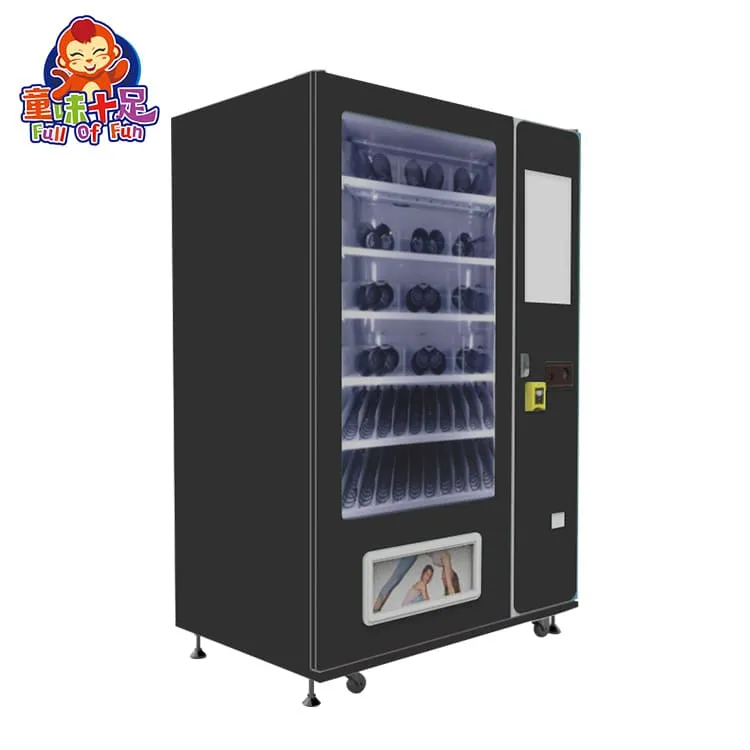
I. Macro-Sector Breakdown: The 15 Best Vending Machine Locations
Sector 1: Healthcare & Transit Hubs (High Traffic + Captive Waiting Times)
1. Hospitals & Medical Centers
Hospitals are premier, recession-proof locations for vending machines. They operate continuously (24/7/365), experience high emotional stress, and contain a large, captive audience of waiting families, patients, and overnight medical staff.
The Demand Dynamic: Hospital cafeterias frequently close early, leaving overnight nurses, doctors, and anxious families without food access.
Product Fit: Healthy snacks, meal replacements, premium canned coffee, energy drinks, and personal hygiene items.
2. International & Domestic Airports
Airports represent ultra-high-traffic locations with long dwell times caused by security checks, layovers, and flight delays.
The Demand Dynamic: Airport retail stores often close late at night, and sit-down dining is notoriously expensive and slow.
Product Fit: Premium travel accessories (neck pillows, charge cords), high-end snacks, bottled water, and cosmetics.
3. Train Stations & Bus Terminals
These transit points act as high-frequency commuter gateways where thousands of travelers pass through daily on strict schedules.
The Demand Dynamic: Busy commuters rarely have time to queue at traditional station kiosks or supermarkets during rush hour.
Product Fit: Low-cost, grab-and-go refreshments, pocket snacks, and ready-to-drink coffee.
4. Highway Gas Stations & Rest Stops
Gas stations on long-haul routes serve as natural rest points for weary drivers, truckers, and road-trippers looking for quick relief.
The Demand Dynamic: Drivers want to stretch their legs and grab a quick energy boost without waiting in retail checkout lines.
Product Fit: High-caffeine energy drinks, beef jerky, car phone chargers, and single-serve snacks.
Sector 2: Institutional & Campus Environments (High Routine + High Dwell Time)
5. Corporate Office Buildings
Downtown corporate offices house dense concentrations of white-collar professionals who spend 8+ hours a day inside the building.
The Demand Dynamic: Employees experience mid-morning and afternoon energy crashes. They value micro-breaks to grab refreshments without leaving their desk environments.
Product Fit: Freshly brewed bean-to-cup coffee, healthy snacks, carbonated water, and fresh salads or sandwiches.
6. Universities & College Campuses
Higher education environments are filled with tech-savvy, young demographics who frequently stay on campus late into the night for lectures, library study sessions, and extracurricular activities.
The Demand Dynamic: College students are highly active at night when campus dining halls are completely closed.
Product Fit: Instant noodles, energy drinks, chips, and cheap stationery supplies.
7. K-12 Private & Public Schools
Primary and secondary schools offer highly stable, predictable daily traffic during the academic year.
The Demand Dynamic: Students and faculty require quick snacks and hydration options during short recess periods.
Product Fit: Student-safe beverages (juices, milk, flavored water), healthy granola bars, and low-sodium snacks (subject to local school nutrition laws).
8. Manufacturing Factories
Industrial manufacturing plants operate on strict shifts, often running 24 hours a day with hundreds of workers on the floor.
The Demand Dynamic: Shift workers have tightly timed 15-minute breaks, making it physically impossible to walk to external food venues.
Product Fit: Heavy, calorie-dense snacks, instant noodles, hot canned meals, and strong coffee.
9. Large-Scale Industrial Parks
Industrial parks cluster multiple logistics hubs, tech workshops, and manufacturing units together into vast commercial zones that are often isolated from downtown retail districts.
The Demand Dynamic: A complete lack of nearby convenience stores or diners leaves thousands of workers dependent on onsite solutions.
Product Fit: Combo machines offering both hot lunch options and cold beverages in central common areas.
Sector 3: Commercial, Retail & Leisure Zones (High Impulse + Entertainment Spend)
10. Shopping Malls & Department Stores
Malls draw massive weekend foot traffic from families, teenagers, and tourists looking for leisure and entertainment.
The Demand Dynamic: Foot traffic peaks heavily post-school and during weekends. Shoppers want instant gratification while walking long distances across retail wings.
Product Fit: Cotton candy machines, ice cream units, novelty beverages, and automated prize/toy vending.
11. Movie Theaters & Cinemas
Cinema lobbies experience dense bursts of traffic as moviegoers gather and wait 15–30 minutes before their scheduled showtimes.
The Demand Dynamic: Concession stand lines can become excessively long during blockbusters, causing customers to skip buying snacks altogether.
Product Fit: Candies, specialized popcorn varieties, sodas, and movie-themed merchandise or blind boxes.
12. Arcades & Family Entertainment Centers (FECs)
FECs and arcades are high-energy environments where children and adults spend hours playing games and spending disposable income.
The Demand Dynamic: Intense gaming sessions cause physical fatigue and thirst, keeping players in an impulse-buying mindset.
Product Fit: Interactive prize vending machines, sweet snacks, colorful sodas, and energy drinks.
13. Hotels & Lodging Entrances
Hotels host travelers who have variable schedules, often returning to their rooms long after nearby commercial districts have closed.
The Demand Dynamic: Guests seeking late-night comfort food value the immediate convenience of an in-house machine over ordering slow, expensive room service.
Product Fit: Instant ramen bowls, soft drinks, travel-size toiletries, and simple snacks.
Sector 4: Lifestyle & Local Hubs (High Habituation + Repeat Traffic)
14. Fitness Gyms & Sports Centers
Gyms, crossfit boxes, and sports complexes attract a highly dedicated, health-conscious demographic that visits multiple times a week.
The Demand Dynamic: Fitness enthusiasts require immediate pre-workout energy or post-workout muscle recovery nutrition within a 30-minute metabolic window.
Product Fit: Protein shakes, BCAA drinks, electrolyte supplements, protein bars, and gym accessories (towels, lifting straps).
15. Residential Communities & Apartment Complexes
Densely populated residential clusters, high-rise apartment complexes, and community neighborhoods offer steady, everyday hyper-local traffic.
The Demand Dynamic: Residents frequently experience late-night cravings or realize they are missing basic cooking items after local supermarkets close.
Product Fit: Fresh milk, eggs, bread, basic household items, soda, and late-night snacks.
II. Comparative Performance Metrics Across All 15 Locations
To help operators prioritize their business development pipeline, the matrix below compares all 15 locations across key operational performance metrics:
| Location Type | Traffic Volume | Dwell Time Profile | Price Sensitivity | Maintenance & Security Risk |
|---|---|---|---|---|
| Hospitals | High | Extreme (24/7) | Low | Low (Monitored, Safe) |
| Airports | Extreme | Very High | Low | Low (Highly Secure) |
| Train/Bus Stations | Extreme | Low-Medium | High | Medium-High (Vandalism Risk) |
| Gas Stations | Medium | Low | Low | Medium (Outdoor Exposure) |
| Office Buildings | High (Cyclical) | High (Daily) | Medium | Low (Indoor, Corporate) |
| Universities | Very High | High | High | Medium (High Night Activity) |
| K-12 Schools | Stable (Seasonal) | Medium | High | Low (Highly Monitored) |
| Factories | High | Extreme (Shifts) | High | Low (Internal Staff Only) |
| Industrial Parks | Medium-High | High | Medium | Low-Medium |
| Shopping Malls | Extreme (Weekends) | Medium-High | Medium | Low-Medium (Mall Security) |
| Movie Theaters | High (Burst) | Medium | Low | Low |
| Arcades / FECs | High | High | Low | Low-Medium |
| Hotels | Medium | High (Overnight) | Low | Low (Indoor lobby secure) |
| Fitness Gyms | Medium | Medium | Low | Low |
| Communities | Continuous | Constant | Medium-High | Medium (Vandalism Risk if Outdoor) |
III. Strategic Framework: Securing the Best Locations
Once you identify your target locations, use this step-by-step business development (BD) framework to secure placement rights:
Digital Mapping & Leases
Use online mapping tools and commercial real estate directories to compile a list of target locations within a 30-mile operational radius. Extract contact data for property management firms, mall leasing offices, factory operations directors, and university procurement boards.
Professional Warm Outreach
Leverage personal networks or LinkedIn connections to secure warm introductions to facilities managers. If reaching out cold, present a concise, polished proposal focused on how your automated machine solves their tenant, visitor, or worker convenience issues without adding to their workload.
In-Person Pitch & Value Demo
Visit high-potential locations directly. Walk the floor to map foot traffic and identify ideal physical placement spots near power sources. Pitch the venue manager face-to-face, highlighting your machine’s advanced payment tech, clean aesthetics, and your commitment to handling 100% of the maintenance and restocking overhead.
IV. Contractual Structures & Financial Models
Operators generally structure their location agreements under one of two primary commercial frameworks:
1. The Fixed-Rent Framework
Application: Best suited for extreme-traffic locations like airports, train stations, premium shopping malls, and major hospitals.
Mechanics: You pay the property owner a set monthly fee (typically between USD 150 and USD 500 per machine slot) regardless of your sales volume.
Advantage: Once sales pass your break-even threshold, you keep 100% of the remaining profit margins.
2. The Sales Revenue-Sharing Framework
Application: Best suited for office buildings, gyms, schools, manufacturing plants, and residential communities.
Mechanics: The venue provider gives you the floor space and electricity for free or at a minimal cost because they want to offer a convenience amenity to their users. In exchange, you pay them a percentage of gross monthly sales (typically 5% to 15%).
Advantage: Eliminates the risk of fixed overhead losses during slow periods or seasonal closures (such as school holidays or corporate winter breaks).
⚠️ Critical Operational Risk: Field Lessons: Avoiding Cheap Hardware Traps
Novice operators often try to maximize their initial budget by purchasing unbranded, cheap vending machines. In professional B2B settings—such as a corporate lobby, hospital waiting room, or industrial plant—cheap machines frequently suffer from bill-acceptor jams, broken dispense coils, and payment gateway dropouts. A machine marked “Out of Order” for days will cause property managers to quickly cancel your location contract. To protect your placement rights, invest in rugged hardware that features advanced remote telemetry, automated temperature controls, and reliable payment systems.
VI. Comprehensive Vending Machine Placement FAQ
Q1: Which locations require strict temperature-controlled vending machines?
Any location selling fresh meals, dairy, salads, sandwiches, or chocolates—such as factories, corporate offices, fitness gyms, and residential communities—must use refrigerated combo machines. These units maintain a steady internal temperature of 4°C (39°F) and feature automated health locks to prevent the sale of expired items if power drops.
Q2: How do I handle vandalism risks in high-traffic transit stations or residential areas?
For public transit hubs, gas stations, or outdoor residential points, always deploy machines featuring vandal-proof builds. This includes double-layered explosion-proof tempered glass, steel-reinforced casings, secure anti-theft drop slots, and integrated security cameras.
Q3: Do K-12 schools and universities require different product mixes?
Yes, significantly. K-12 schools are governed by strict local student nutrition acts that often ban high-sugar sodas and candies, requiring you to stock water, low-calorie juices, and healthy snacks. Universities, by contrast, have no such restrictions and thrive on high-caffeine energy drinks, spicy chips, and instant noodles to support late-night study habits.
Q4: How much physical space and power access does a standard machine require?
A typical vending machine occupies a footprint of roughly 3×3 feet (approx. 1 square meter) and requires 3 to 5 inches of rear clearance for proper ventilation. Mechanically, it plugs into a standard wall outlet. Refreshment units draw moderate power, but machines with heavy refrigeration or internal heating elements require dedicated circuits.
VII. Industrial Solutions: FULL OF FUN Vending Machines
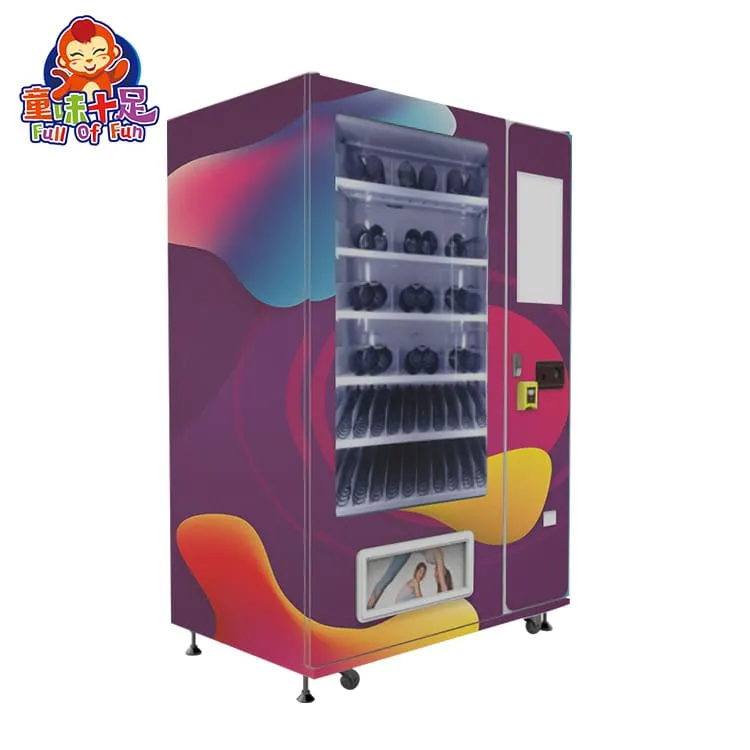
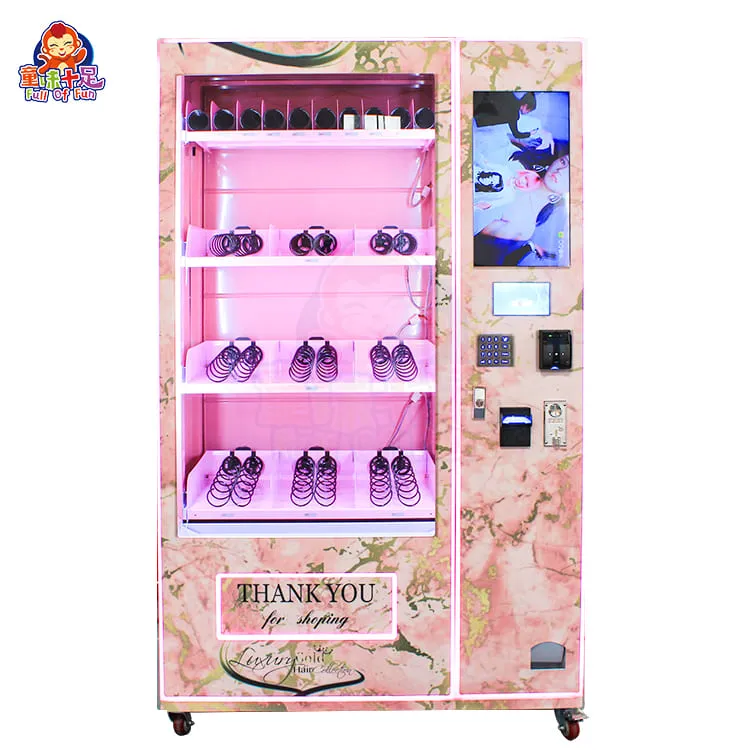
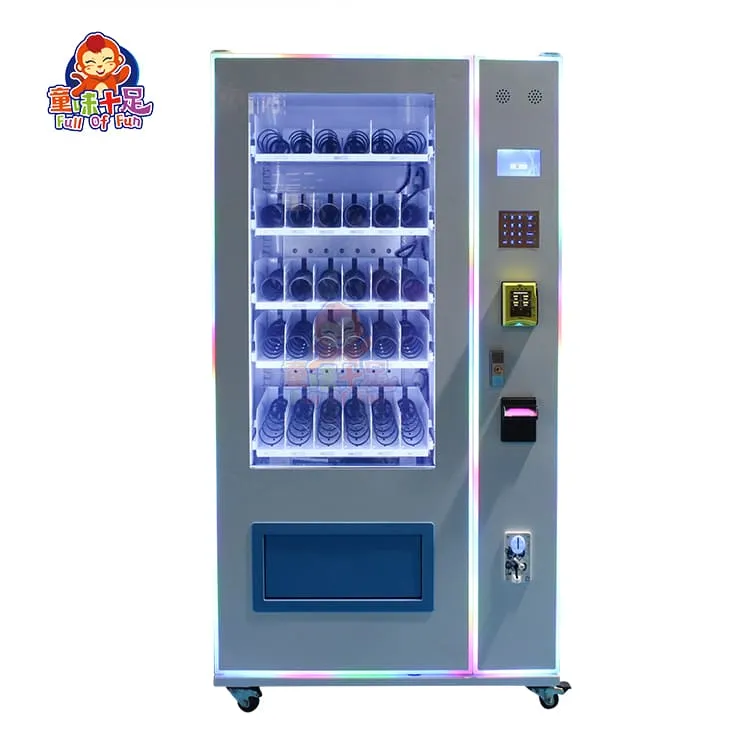
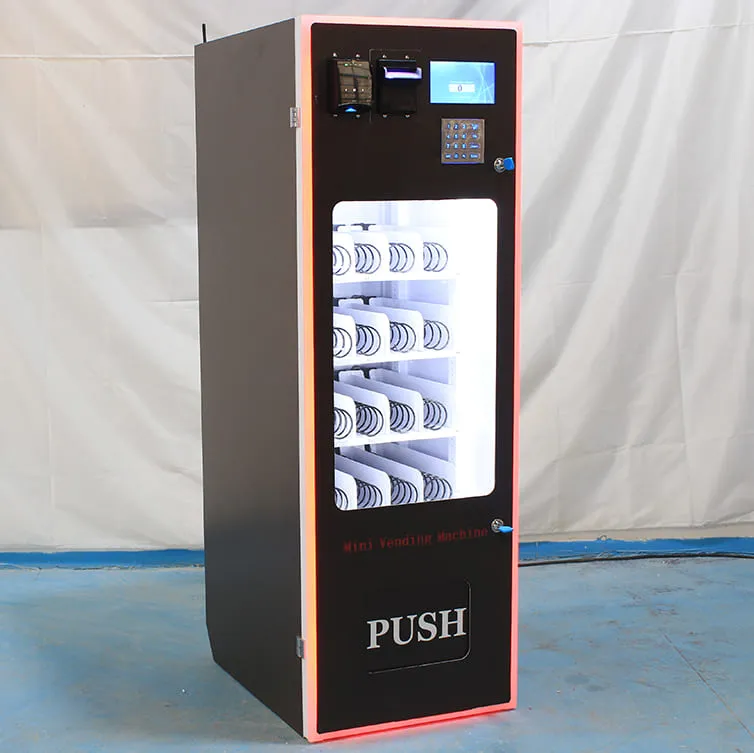
Finding a premium, high-traffic location is only the first step toward building a successful business; the second step requires deploying reliable automated hardware. FULL OF FUN Amusement Equipment Co., Ltd. is a premier manufacturer specializing in delivering high-efficiency, commercial-grade vending machine hardware and customized retail solutions across all industries.
•
Customized Engineering for Any Venue: From chilled drink combos for gyms and heavy-duty snack machines for factories, to specialized interactive prize machines for arcades (FECs) and malls, FULL OF FUN builds tailored hardware configurations to match your location’s exact needs.
•
Omni-Channel Payment Architecture: Every machine comes equipped with secure payment arrays that accept traditional cash alongside credit cards and modern mobile payments (Apple Pay, Google Wallet, QR codes), ensuring you never miss a sale.
•
Proactive Lifecycle Support: FULL OF FUN stands behind its equipment with a comprehensive after-sales service framework. This includes smart remote telemetry apps for inventory tracking, regular technical support, and accessible replacement parts to guarantee maximum machine uptime.
Backed by over 15 years of industry experience and a strong manufacturing infrastructure, FULL OF FUN vending machines are trusted by over 5,000 operators globally. As the fast pace of modern life continues to expand the global market for automated retail, partnering with the right manufacturer ensures your business runs smoothly and maximizes revenue.
Contact the FULL OF FUN commercial team today to request equipment specifications, explore custom branding options, and secure a competitive edge for your next premium location.