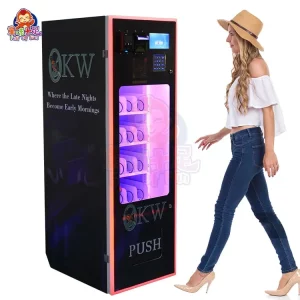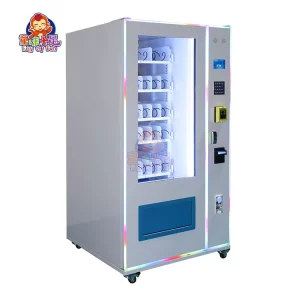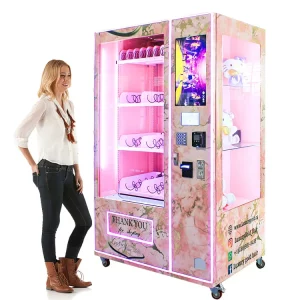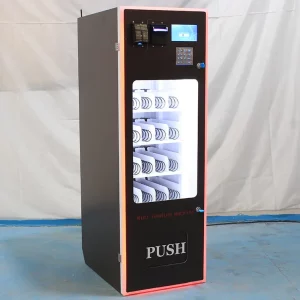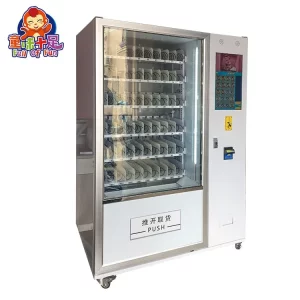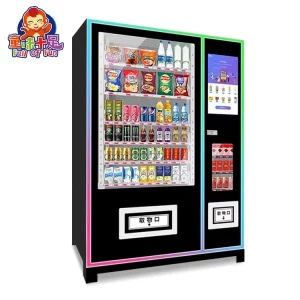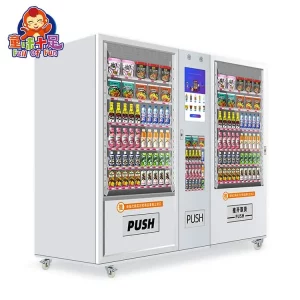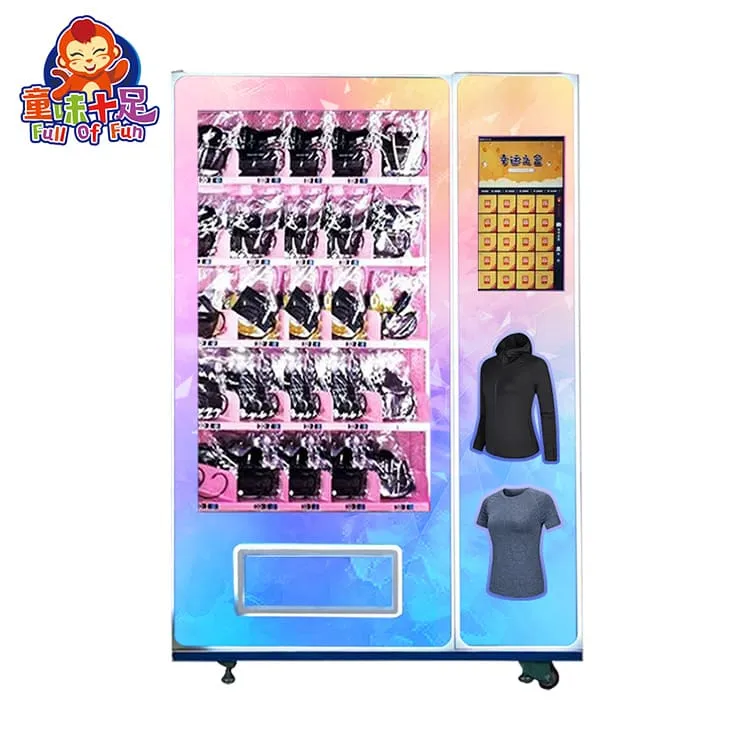
Vending machines have gradually developed into an important retail channel in Europe and America. The profitability of different types of vending machines varies significantly in Europe and America. To help you understand which types of vending machines are the most profitable in Europe and America, this article will analyze the most popular and profitable types of vending machines in detail, using specific cases and data.
Which type of vending machine is most popular?
1. Snack Vending Machines
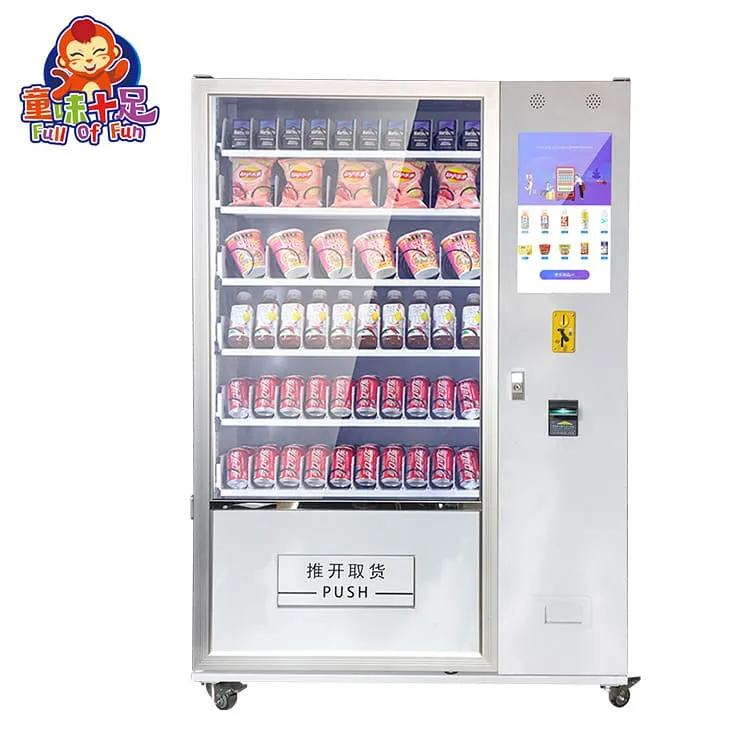
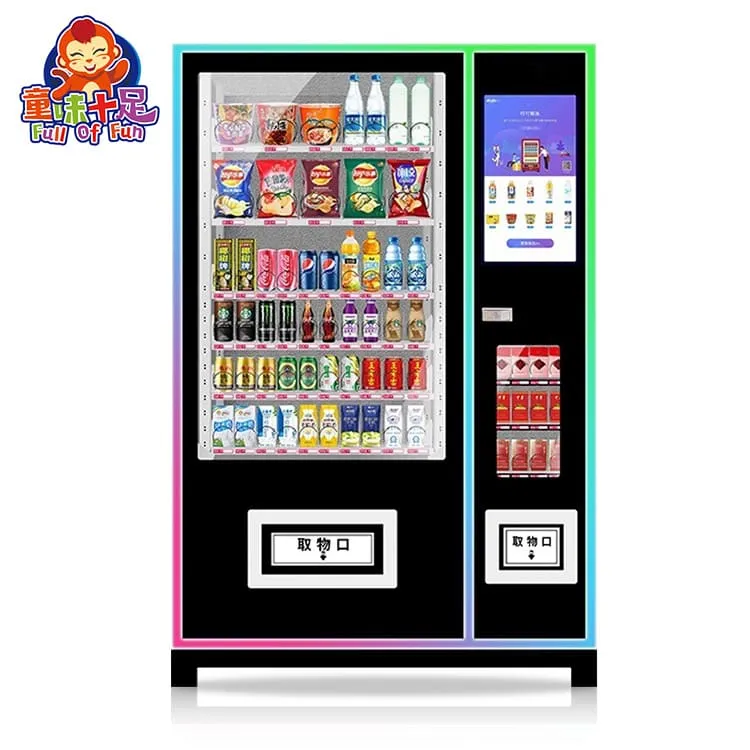
Snack vending machines are the most common type in Europe and America, especially in places like campuses, hospitals, office buildings, and tourist attractions. They provide convenient and quick snacks such as potato chips, chocolate, and candy, satisfying people’s need for snacks anytime.
Suitable Locations: Schools, hospitals, companies, apartments, tourist attractions, airports, etc.
Reasons for Popularity:
Snacks are generally inexpensive, have a high consumption frequency, and are suitable for quick consumption.
A wide variety of products to satisfy different tastes.
Flexible placement, suitable for various locations.
Case Study:
USA: Snack Vending Machines on the UCLA Campus
The average annual revenue per snack vending machine on the UCLA campus is approximately $15,000-$18,000. There are over 100 snack vending machines on campus, mainly distributed in dormitories, academic buildings, and student centers. The operating cost per machine (including restocking, transportation, equipment maintenance, etc.) is approximately $4,000 per year, therefore the annual profit per machine is approximately $10,000-$14,000.
UK: Snack Vending Machines in Central London In several office buildings and commercial areas in central London, snack vending machines can generate annual revenue of $18,000-$25,000. Due to the high density of office workers, the profitability of snack vending machines is very strong.
2. Beverage Vending Machines
Demand for beverage vending machines increases dramatically, especially in hot weather in Europe and America. They typically offer bottled water, juice, carbonated drinks, and sports drinks, providing a common self-service option for consumers.
Suitable Locations: Offices, schools, hospitals, train stations, airports, commercial areas, etc.
Reasons for Popularity:
High demand for beverages, especially during hot weather, leading to significant sales growth.
Compared to other goods, beverages have higher profit margins.
Suitable for long-term stable operation with low maintenance frequency.
Case Study:
USA: Beverage Vending Machines in New York City Subways
Annual revenue from beverage vending machines in New York City subway stations can reach $20,000-$25,000. These machines typically offer bottled water, carbonated drinks, and energy drinks, with stable sales due to peak commuting hours. The operating cost per machine is approximately $6,000 per year, with an annual profit of approximately $14,000-$20,000.
France: Beverage Vending Machines in Parisian Business Districts
In some of Paris’s largest business districts and shopping centers, beverage vending machines can generate annual revenues of $18,000-$30,000. These well-located machines primarily offer bottled water, juice, and soft drinks, maintaining a stable income throughout the year.
3. Food Vending Machines
Food vending machines offer ready-to-eat meals such as sandwiches, salads, and hot meals, catering to busy consumers who lack time for traditional meals. They have a particularly large market in hospitals, office buildings, and schools.
Suitable Locations: Hospitals, companies, schools, airports, train stations, etc.
Reasons for Popularity:
Meets the dining needs of busy consumers, providing quick and healthy food options.
Suitable for fast-paced consumption, especially during peak lunch hours.
Case Studies:
USA: A Food Vending Machine in a San Francisco Hospital
In a large hospital in San Francisco, a food vending machine generates approximately $35,000 in annual revenue. The machine offers sandwiches, salads, hot meals, and fruit, primarily serving hospital staff and patients’ families. The operating cost per machine is approximately $10,000, with an annual profit of $25,000.
UK: Food Vending Machines in London Office Buildings
In several office buildings in London, each food vending machine generates $40,000 in annual revenue. These machines offer ready-to-eat meals, salads, noodle soups, and more, catering to the lunch needs of busy working professionals. Annual operating costs are approximately $12,000, with annual profits reaching $28,000.
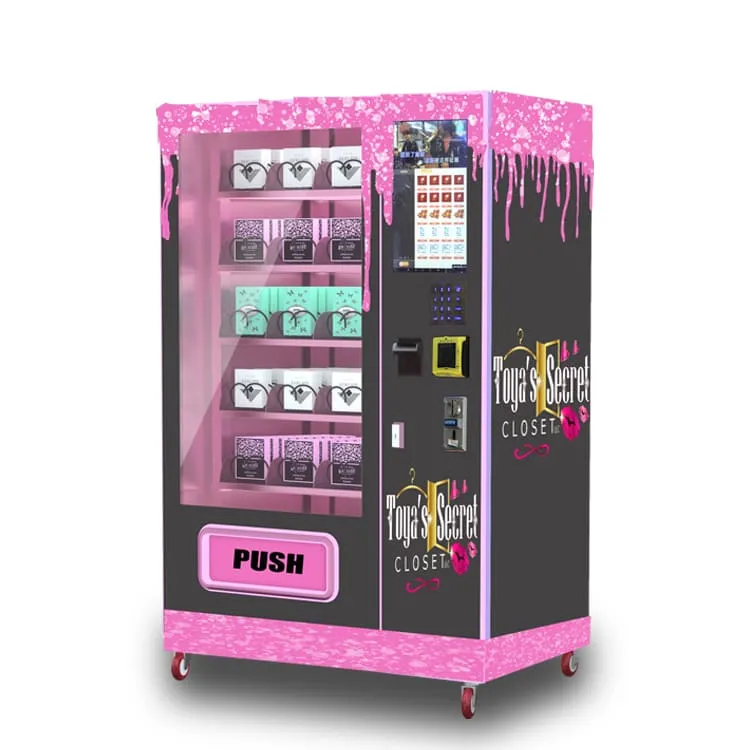
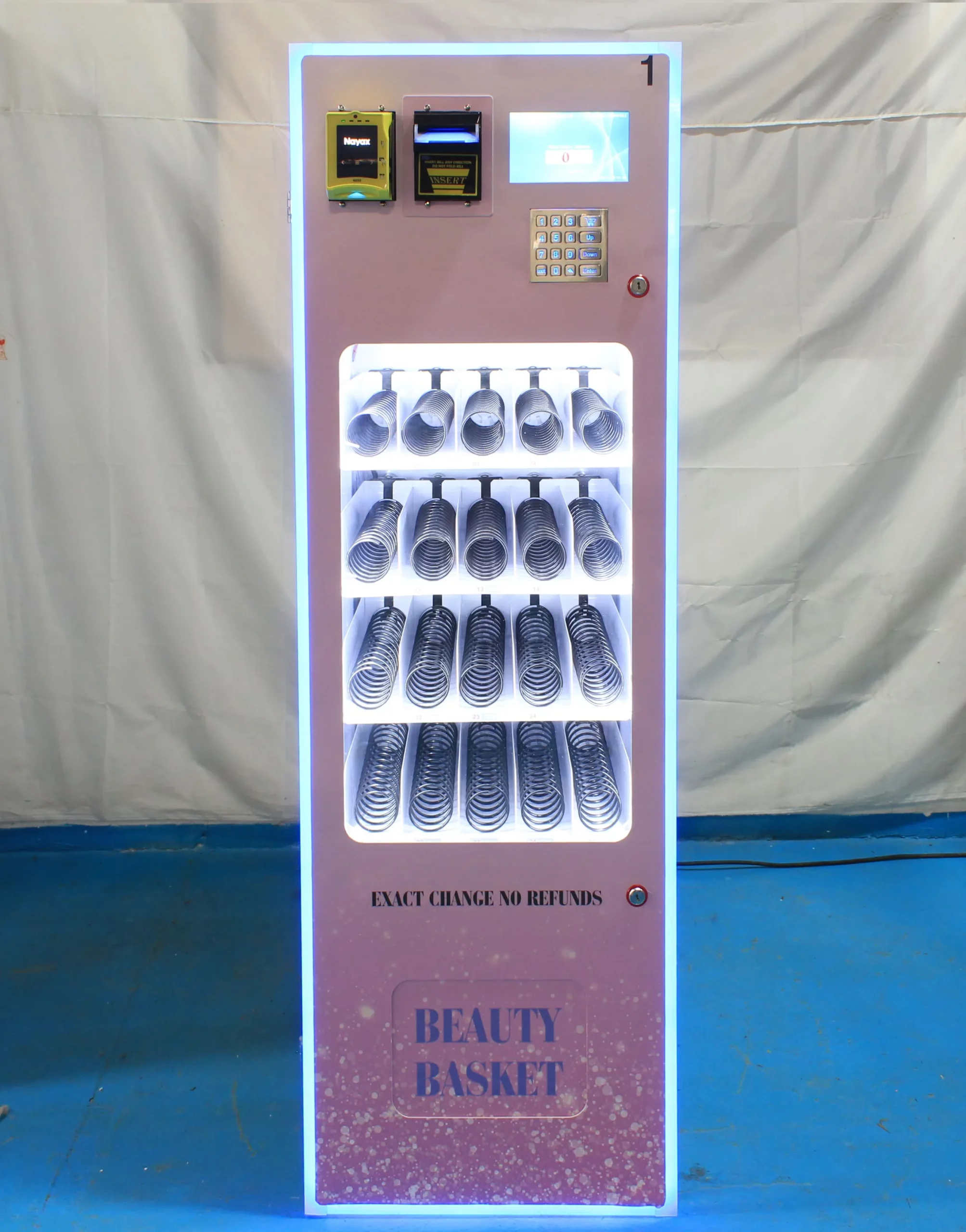
4. Beauty Vending Machines
With the popularity of beauty and skincare products, beauty vending machines have gradually become a new retail trend in Europe and America. Especially in airports and high-end shopping malls, beauty vending machines attract a large number of consumers.
Suitable Locations: Airports, shopping malls, large shopping centers, etc.
Reasons for Popularity:
Beauty products are typically high-priced, resulting in high profit margins.
Consumers in high-end shopping areas and tourist attractions are willing to pay extra for convenience.
Case Studies:
USA: Beauty Vending Machines at Los Angeles International Airport (LAX)
A single beauty vending machine at Los Angeles International Airport can generate $50,000 in annual revenue. This vending machine offers high-end skincare, cosmetics, and perfumes, targeting international travelers at the airport. Annual operating costs are approximately $15,000, and annual profits are approximately $35,000.
UK: Beauty Vending Machines at London Heathrow Airport
At London Heathrow Airport, beauty vending machines can generate $60,000 in annual revenue. These vending machines offer cosmetics and skincare products from globally renowned brands, particularly appealing to tourists for their convenient purchases. Annual operating costs are approximately $20,000, with an annual profit of $40,000.
Which Vending Machines Are Most Profitable?
1. Multi-functional Vending Machines (Beverages + Snacks)
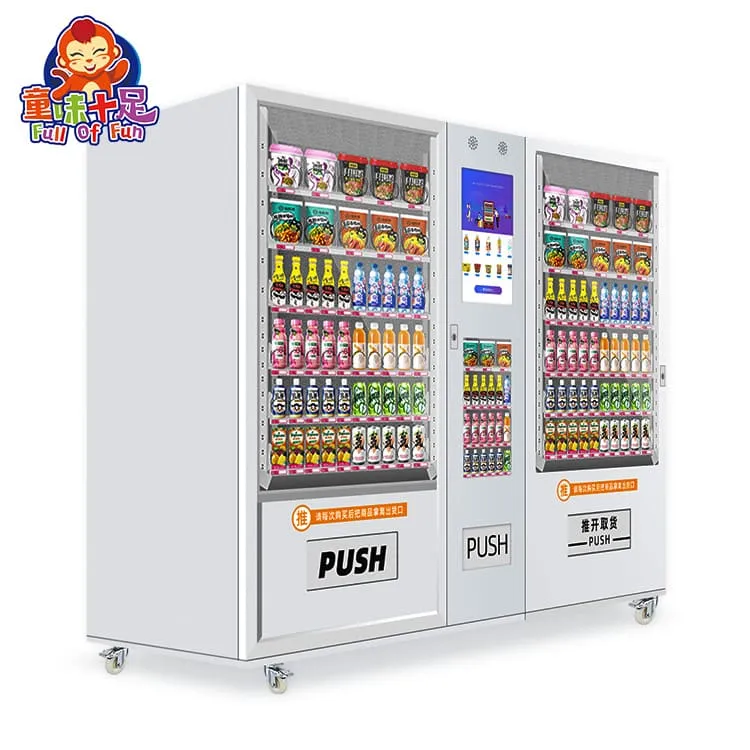
Multi-functional vending machines combine the sale of beverages and snacks, offering a wider selection to meet the needs of different consumers. These machines typically achieve higher sales revenue per unit.
Suitable Locations: Shopping malls, subway stations, schools, office buildings, etc.
Reasons for Popularity:
Offers a variety of products, increasing sales opportunities.
Avoids market risks associated with a single product category, resulting in more stable sales.
Case Study:
USA: Multi-functional Vending Machines in New York City Subways
In New York City subway stations, some multi-functional vending machines offer beverages and snacks, generating annual revenue of $25,000-$35,000. These machines combine popular beverages and snacks, increasing sales volume. Operating costs are $6,000-$8,000, with annual profits of $20,000-$28,000.
Germany: Multi-functional Vending Machines in Berlin’s Business District
In Berlin’s business districts, multi-functional vending machines offering beverages and snacks generate approximately $30,000 in annual revenue, with annual operating costs of $7,000 and annual profits of approximately $23,000.
2. Smart Vending Machines
Smart vending machines offer more features, such as real-time inventory monitoring, automatic restocking, and user behavior analysis. Due to their efficient operation and intelligent services, these machines are increasingly popular in high-end markets in Europe and America.
Suitable Locations: High-end shopping malls, office buildings, airports, etc.
Reasons for Popularity:
Provides more efficient management and personalized services, enhancing the consumer experience.
Intelligent systems can monitor inventory in real time and analyze user behavior, improving operational efficiency.
In the vending machine industry, while some types of vending machines are relatively easier to profit from, every industry can experience profit or loss. The key to success lies not only in choosing the right product type but, more importantly, in choosing the right location. Location selection, target audience needs, product mix, and operational efficiency all significantly impact profitability. Below is further explanation on how to evaluate and select locations.
Profit and Loss Risks in Each Industry
The profitability and losses in the vending machine industry are determined by a variety of factors. While industry type is fundamental, location selection and operational strategy are the true determinants.
1. Snack Vending Machines: Snack vending machines typically offer high profit margins due to the low cost of purchasing snacks, relatively reasonable prices, and high purchase frequency. However, in saturated markets, competition can lead to declining sales. Choosing a high-traffic location and adjusting the product mix according to the target audience’s tastes can effectively reduce the risk of losses.
2. Beverage Vending Machines: Beverage vending machines generally have significant profit potential, especially during peak demand periods and seasons, such as summer iced drinks. However, with increasing market competition, poor location selection or product selection that doesn’t meet consumer demand can lead to low sales or even losses.
3. Food Vending Machines: Food vending machines offer ready-to-eat meals, salads, bento boxes, etc., catering to the dining needs of fast-paced lifestyles. While food vending machines have higher gross margins, operating costs are also relatively high, requiring regular restocking and maintenance. If the location is unsuitable or the target audience’s needs are not accurately understood, the profitability of food vending machines may be limited.
4. Cosmetic Vending Machines: While cosmetic vending machines offer high profit margins, their market reach is relatively narrow, and they require precise market positioning to attract consumers. If the location lacks foot traffic or the needs of the target consumers are unclear, these vending machines may struggle to be profitable.
How to Improve the Profitability of Vending Machines?
1. Choosing the Right Location:
Personal Traffic:Location is a core factor determining the success of vending machines. Areas with high foot traffic, such as schools, office buildings, hospitals, airports, and train stations, typically have high sales potential.
Target Audience Analysis:Understanding the characteristics of your target consumer group is crucial. Different consumer groups have different needs. For example, students prefer snacks, white-collar workers prefer healthy foods or beverages, and tourist attractions may have a greater need for convenient beverages and snacks.
Surrounding Competition:Choose areas with less competition or unmet needs. If an area already has a large number of snack and beverage vending machines, the cost and risk of entering that market are higher. Competition intensity can be assessed through research and on-site visits.
2. Researching the Preferences of the Target Audience:
Understanding the preferences and consumption behavior of the target audience is a prerequisite for developing a sales strategy. If you are deploying snack vending machines on a campus, understand students’ snack preferences; if you are deploying beverage vending machines in an office building, you need to understand the beverage choices of white-collar workers (such as whether they prefer sugar-free or healthy drinks).
Consumer Demand Research: Understanding potential consumer needs can be achieved through questionnaires, interviews, or communication with local businesses. This helps you better adjust your product mix.
Seasonal Demand: Beverages are particularly affected by seasonal changes. Demand for cold drinks is high in summer, while demand for hot drinks increases in winter. Therefore, you need to adjust your product structure according to the seasons to ensure consistently stable sales throughout the year.
3. Measuring ROI (Return on Investment):
Return on Investment (ROI) is a crucial indicator for evaluating the profitability of vending machines.
The following factors are primarily considered when calculating ROI:
Equipment Costs: The purchase, installation, and maintenance costs of the vending machine.
Product Costs: The cost of goods purchased, including the purchase price and transportation costs.
Operating Costs: The human and material costs required for replenishment, maintenance, and daily operations.
Annual Revenue: The projected revenue from the vending machine, typically estimated based on the local market, product range, and consumer demand.
Based on this data, the investment return period for each machine can be calculated. If the machine has a long investment return period or a low ROI, it may not be suitable for large-scale expansion.
4. Pilot Testing and Gradual Scaling:
Before deciding whether to invest in more vending machines, consider piloting the system on a small scale. Purchase one machine and experiment in a target location, monitoring sales, costs, and returns to see if it meets expectations. If the results are good, gradually scale up by adding other types of vending machines or expanding the distribution area.
Benefits of Pilot Testing: Pilot testing allows for better assessment of market response and reduces the risk of blind investment.
Gradual Scaling: Based on a successful pilot, gradually increasing the number of vending machines or expanding to new locations can smooth out risks and increase returns.
5. Continuous Optimization and Adjustment:
As sales data accumulates, you can analyze which products are best-selling and which sales strategies are effective. Further improve profitability by optimizing product variety, restocking frequency, and machine layout.
Data Analysis: Use smart vending machines or their associated management systems for data tracking and analysis to help you make more accurate business decisions.
Flexible Adjustment: Adjust sales strategies promptly according to market changes and changes in consumer demand to avoid losses due to incompatibility with market needs.
In summary
The vending machine industry certainly has significant profit potential, but success largely depends on location, the needs of the target audience, and the product mix. While some sectors (such as snacks and beverages) have high profit potential, the risk of loss remains if the right location isn’t chosen, the target audience’s preferences aren’t thoroughly researched, or the return on investment (ROI) isn’t measured. Therefore, selecting good locations, conducting accurate market research, performing reasonable ROI calculations, and gradually scaling up from a small initial phase are crucial for ensuring success.
About Us
Choosing the right equipment supplier is crucial for success in the vending machine industry.
Full of Fun provides high-quality vending machines, ideal for various business settings including schools, hospitals, offices, airports, and shopping malls. Our products, through rigorous quality control and advanced smart technology, improve operational efficiency and increase profitability.
Contact us for a free quote, starting from just $700!