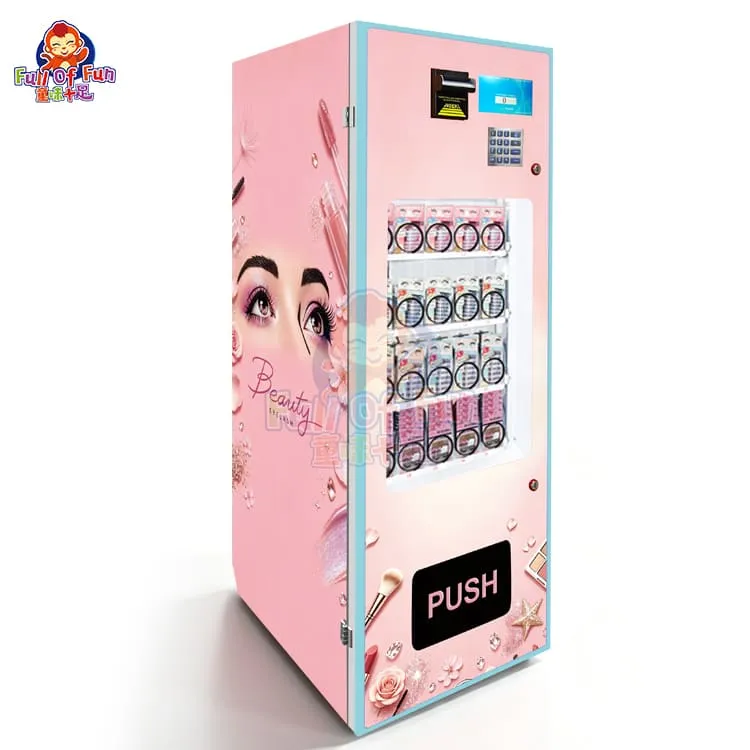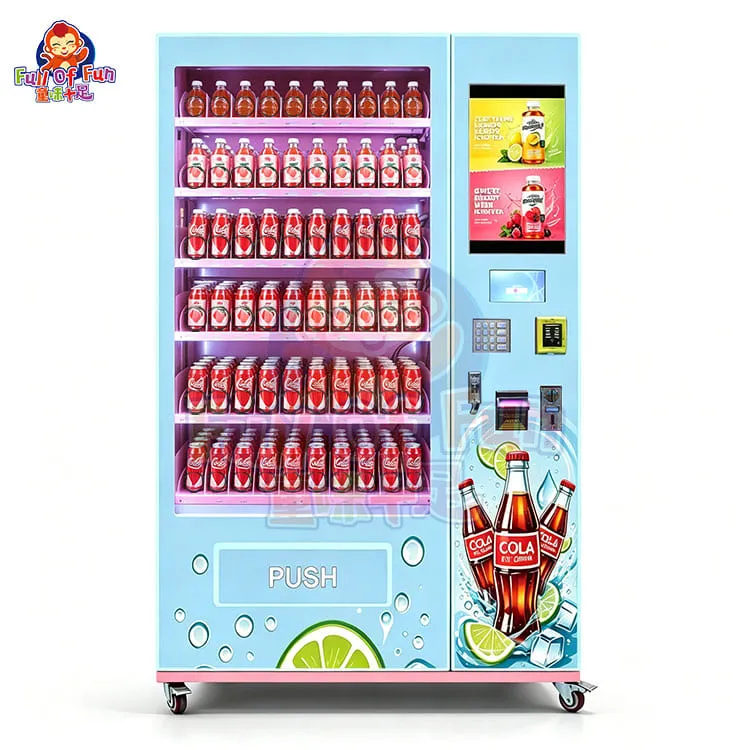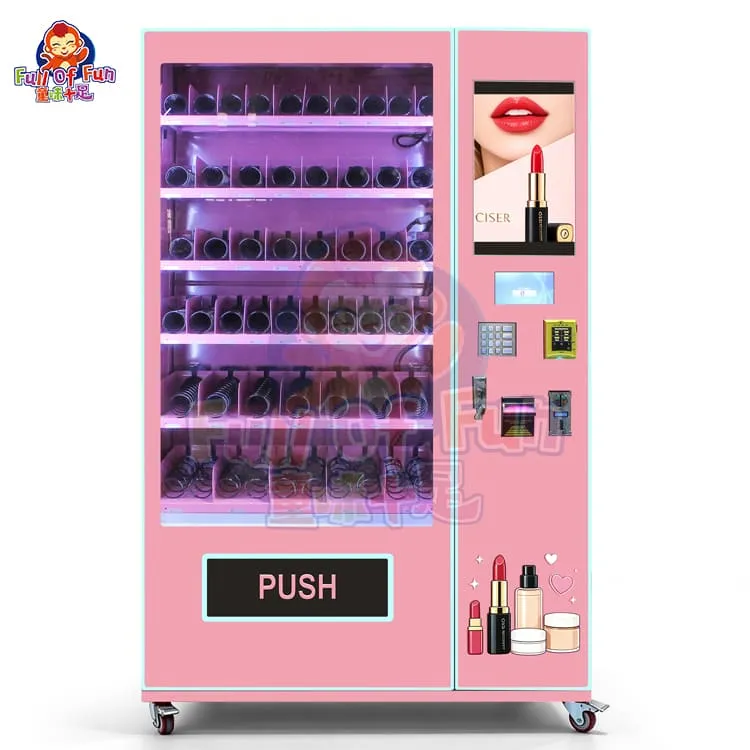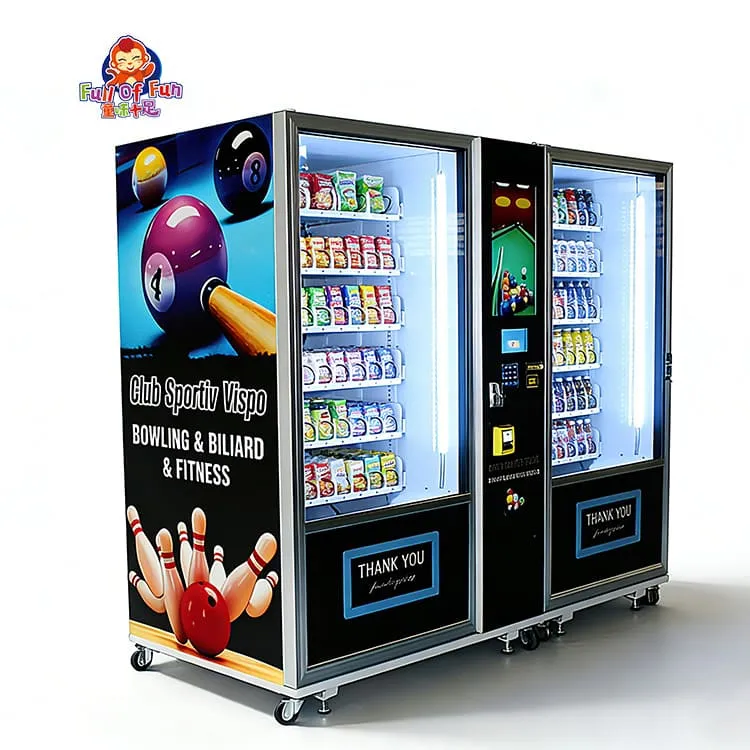

What Is a Smart Vending Machine?
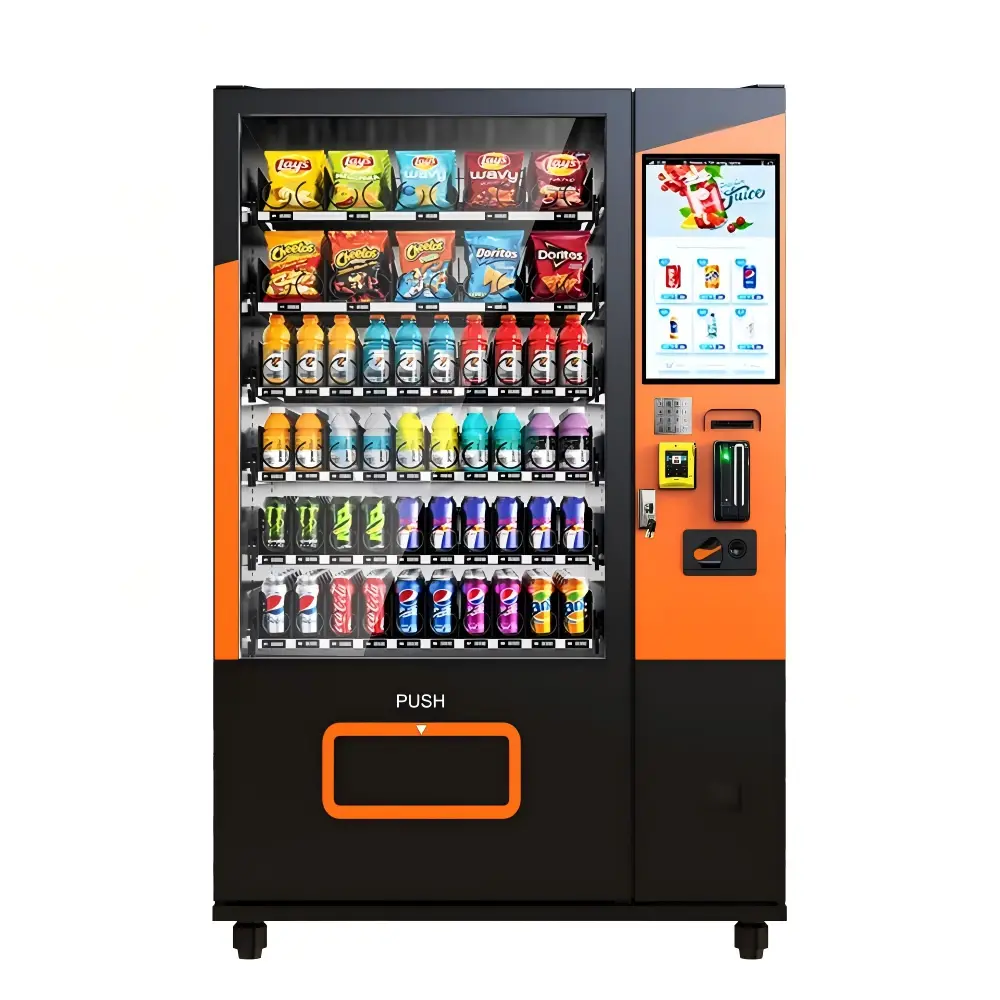
A Smart Vending Machine is an automated retail solution that combines product dispensing, digital payment systems, inventory management, and remote operation technology to provide unattended sales services.
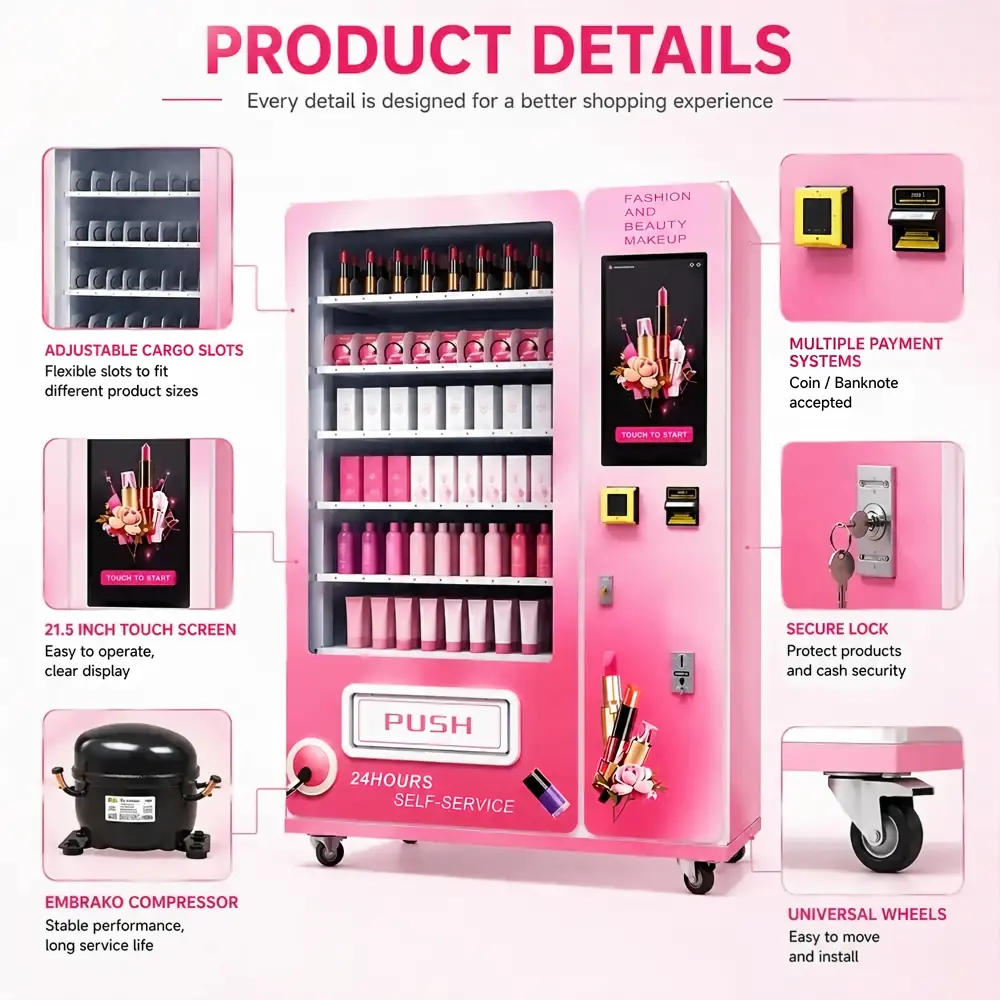
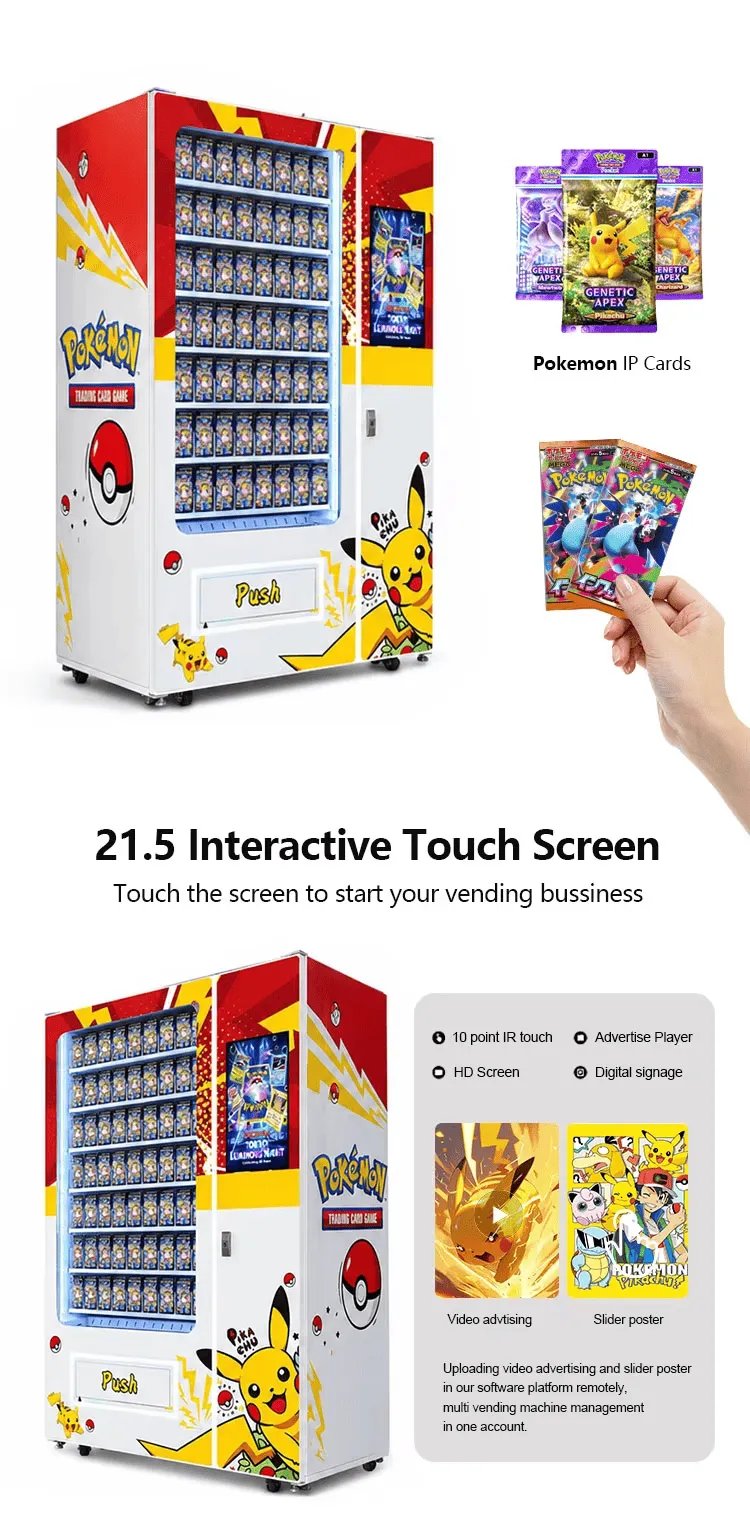
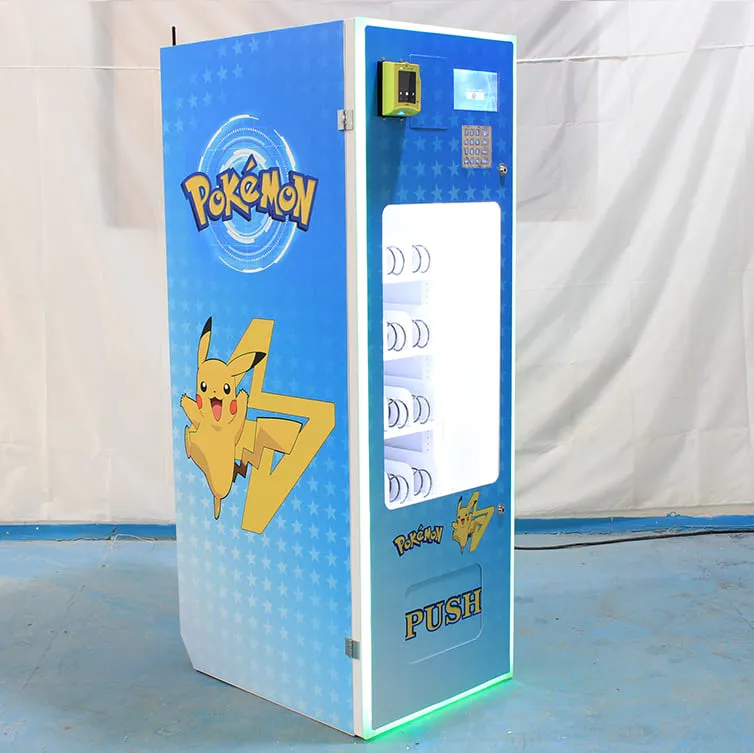
Unlike traditional vending machines that only provide basic product delivery, smart vending machines use intelligent control systems, touchscreens, sensors, cloud platforms, and cashless payment solutions to improve purchasing convenience and operational efficiency.
A modern smart vending machine allows customers to:
- Select products through a digital interface;
- Complete payments without human assistance;
- Receive products automatically;
- Enjoy 24/7 purchasing service.
For business operators, smart vending machines provide a flexible retail model with lower labor requirements, smaller space demands, and scalable deployment options.
Today, smart vending machines are widely used in:
- Shopping malls;
- Airports;
- Railway stations;
- Schools and universities;
- Hospitals;
- Office buildings;
- Hotels;
- Residential communities;
- Tourist attractions;
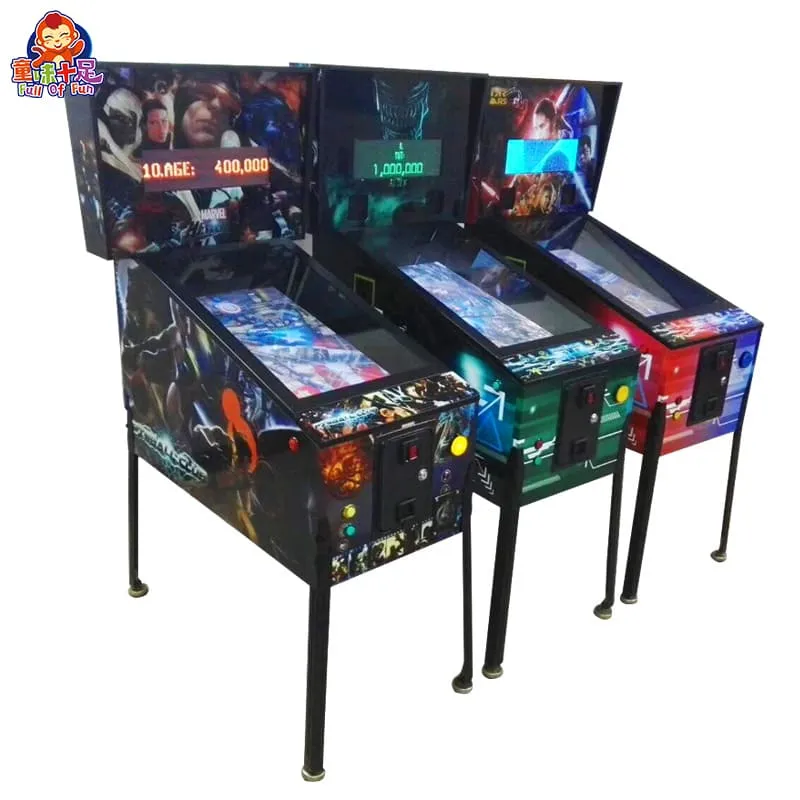
- Entertainment venues.
Why Are Smart Vending Machines Becoming Popular?
1. Reduce Labor Costs and Improve Operational Efficiency
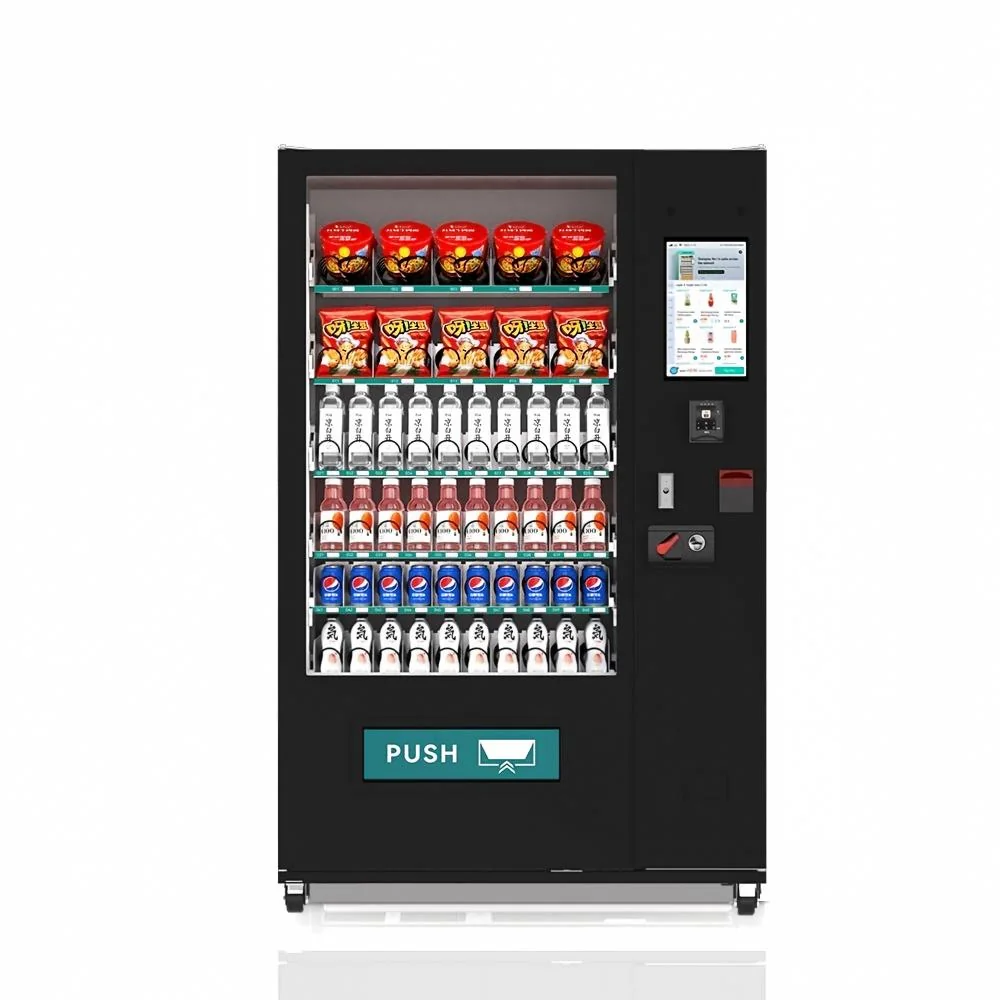
Traditional retail businesses require employees for sales, customer service, and daily management. Smart vending machines automate the purchasing process and reduce the need for continuous staff involvement.
Operators mainly need to manage:
- Product replenishment;
- Equipment maintenance;
- Remote monitoring;
- Sales analysis.
This makes vending machines an attractive solution for companies that want to expand retail coverage while controlling operating expenses.
2. Provide 24/7 Unattended Retail Service
One of the biggest advantages of smart vending machines is continuous operation.
Unlike traditional stores with fixed opening hours, vending machines can provide products at any time, including:
- Early mornings;
- Late nights;
- Weekends;
- Holidays.
This makes them suitable for high-traffic locations where customers need quick and convenient purchases.
Typical locations include:
- Transportation hubs;
- Office buildings;
- Hotels;
- Schools;
- Entertainment centers.
3. Flexible Installation With Small Footprint
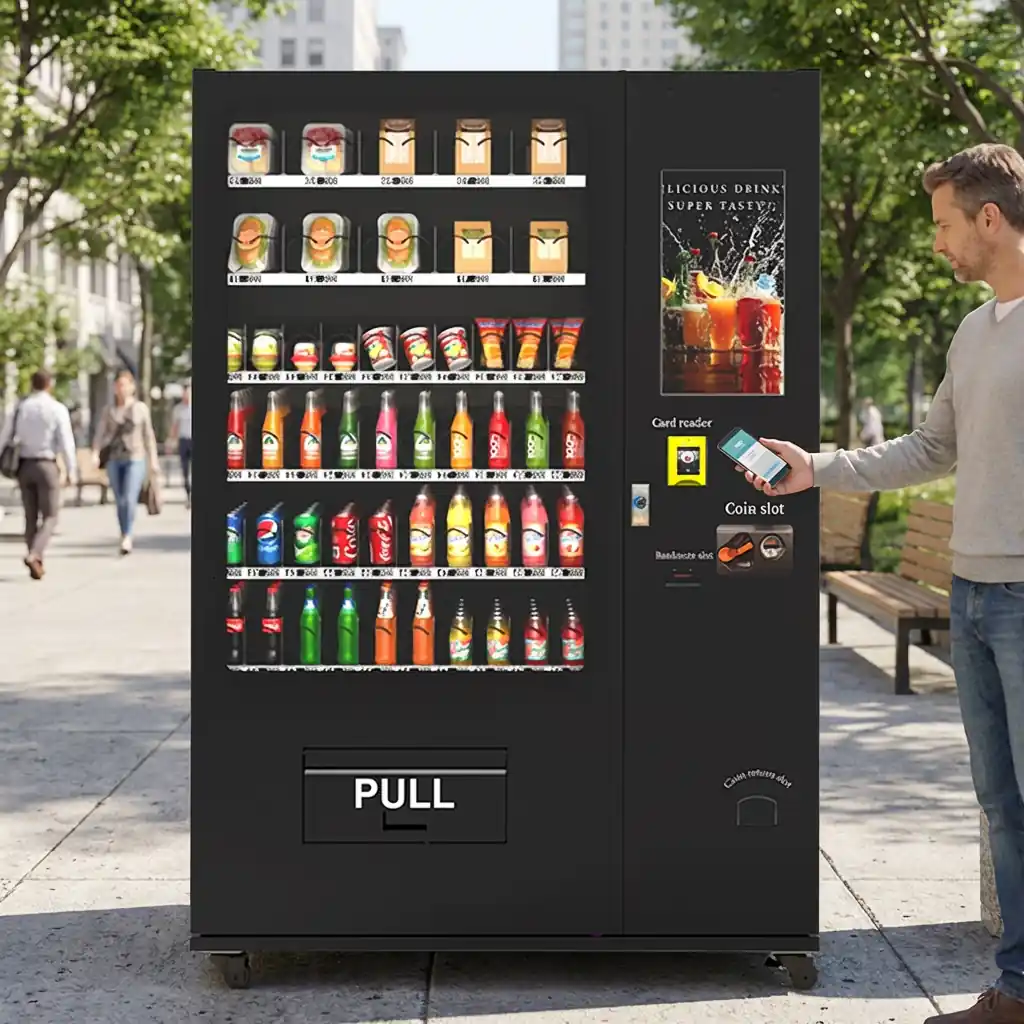
Compared with traditional stores, vending machines require significantly less installation space.
A vending machine can be placed in:
- Building entrances;
- Elevator areas;
- Waiting rooms;
- Shopping mall corridors;
- Subway stations;
- Community facilities.
This allows operators to create multiple sales points without investing in large retail spaces.
4. Enable Data-Driven Business Management
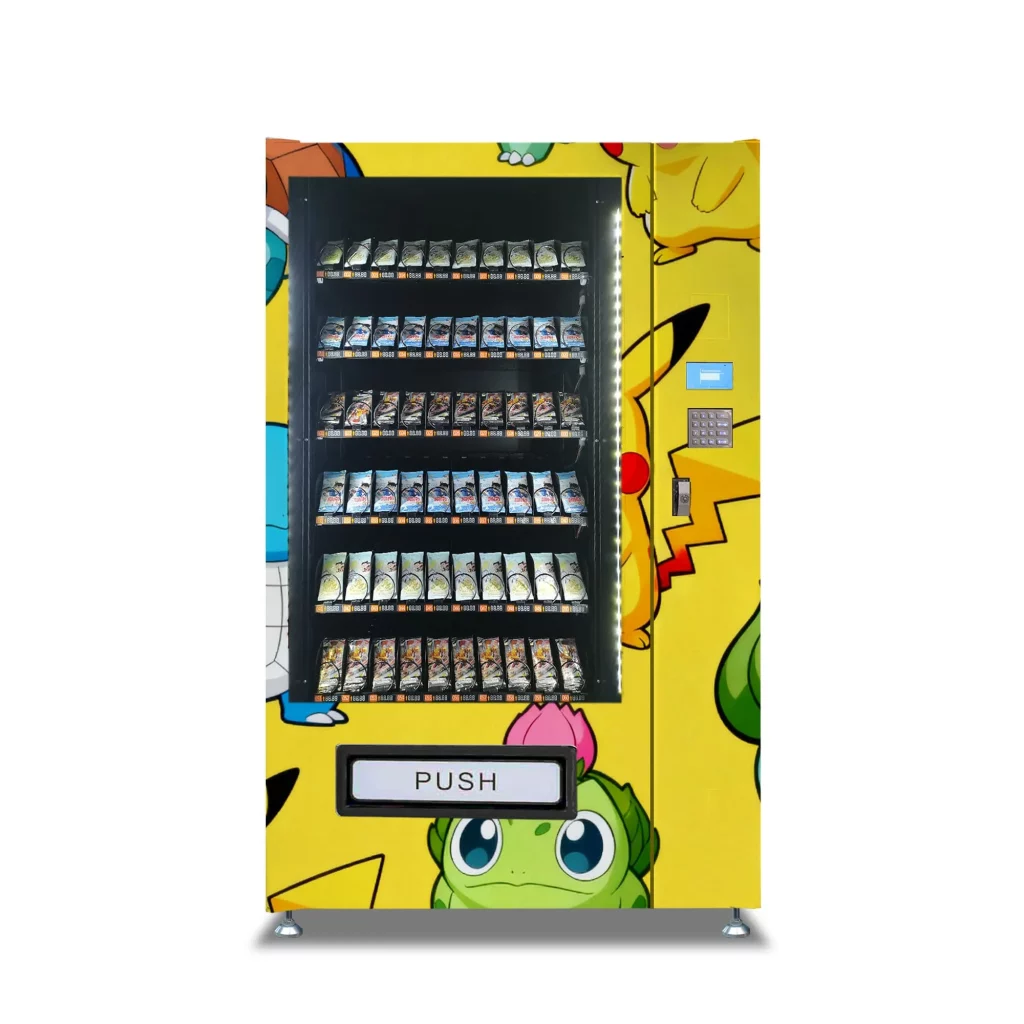
Modern smart vending machines are equipped with digital management systems that allow operators to monitor equipment and sales remotely.
The management platform can provide information such as:
- Sales volume;
- Best-selling products;
- Inventory status;
- Machine operation conditions;
- Customer purchasing trends.
With real-time data, operators can optimize:
- Product selection;
- Pricing strategies;
- Restocking schedules;
- Machine locations.
How Does a Smart Vending Machine Work?
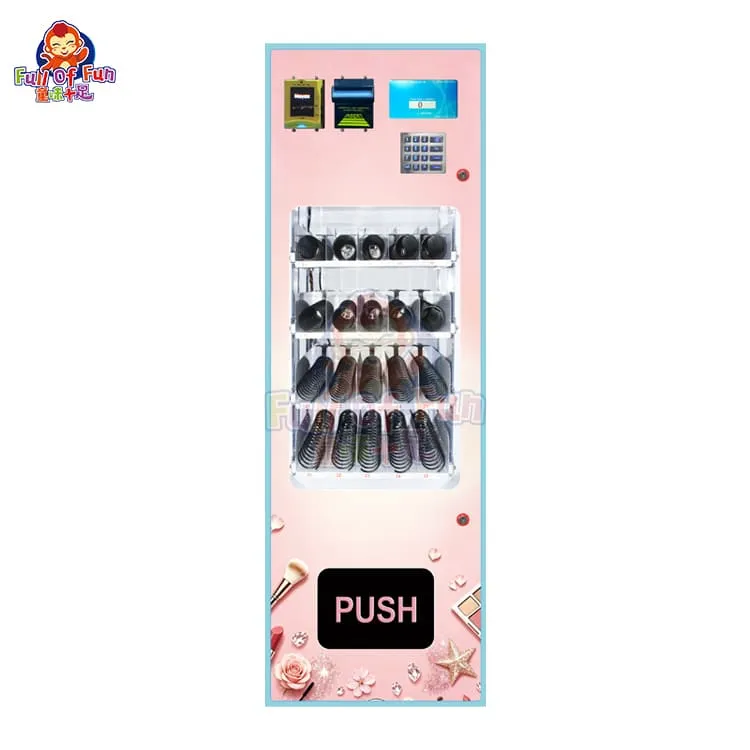
A commercial smart vending machine usually consists of several key systems.
| System | Function |
|---|---|
| Product Display System | Shows products through glass panels, LED screens, or touchscreens |
| Payment System | Supports credit cards, NFC, QR codes, mobile payment, and cash |
| Control System | Controls motors, sensors, and dispensing mechanisms |
| Inventory System | Tracks product quantity and sales information |
| Cloud Management System | Provides remote monitoring and operation |
The purchasing process normally includes four steps:
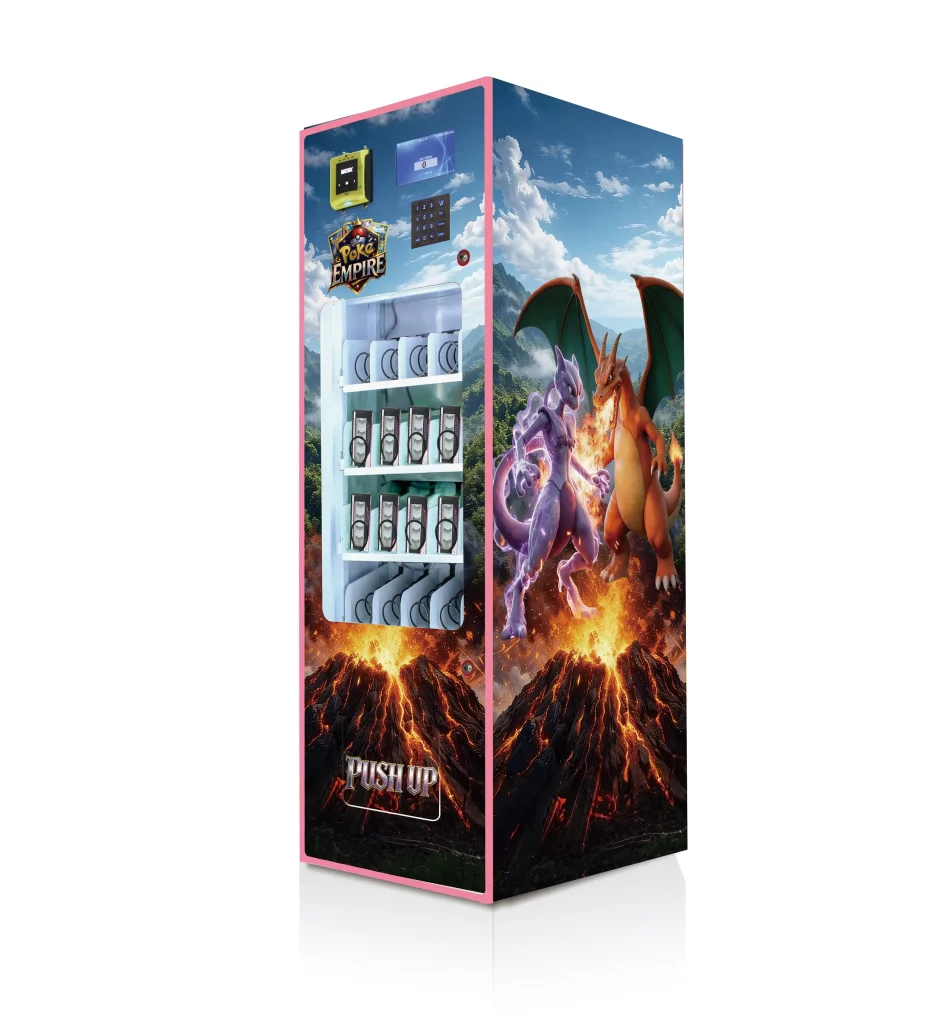
Step 1: Product Selection
Customers select products through:
- Touchscreen displays;
- Product buttons;
- Mobile scanning systems.
Step 2: Payment Confirmation
The payment system verifies transactions through:
- Credit cards;
- Debit cards;
- NFC payments;
- QR code payments;
- Cash payments.
Step 3: Automatic Product Dispensing
After payment confirmation, the internal control system activates the dispensing mechanism.
Depending on the machine type, products may be delivered through:
- Spiral conveyors;
- Elevator delivery systems;
- Conveyor belts;
- Robotic arms.

Step 4: Data Upload and Management
Sales information is uploaded to the cloud platform, allowing operators to monitor performance remotely.
Main Types of Smart Vending Machines
Different products and applications require different vending machine designs.
| Type | Features | Applications |
|---|---|---|
| Snack Vending Machine | Designed for packaged snacks and food products | Schools, offices, stations |
| Beverage Vending Machine | Equipped with cooling systems for drinks | Shopping malls, transportation areas |
| Ice Cream Vending Machine | Provides frozen product storage | Tourist attractions, entertainment venues |
| Coffee Vending Machine | Provides automated coffee preparation | Offices, hotels |
| Fresh Food Vending Machine | Uses temperature-controlled storage | Communities, hospitals |
| Combo Vending Machine | Supports multiple product categories | Commercial locations |
| Customized Vending Machine | Developed for special products and branding projects | Retail campaigns, businesses |
How to Choose the Right Vending Machine for Different Applications?
Shopping Mall Applications
Shopping malls usually focus on customer experience and visual attraction.
Recommended features:
- Large touchscreen display;
- Attractive exterior design;
- LED lighting;
- Cashless payment support;
- Customized branding.
Suitable products:
- Drinks;
- Snacks;
- Ice cream;
- Promotional products.
School and University Applications
Educational environments require simple operation and reliable performance.
Recommended features:
- Easy payment process;
- Safe product delivery;
- Large product capacity.
Common products:
- Snacks;
- Beverages;
- Packaged food.
Office Building Applications
Office locations usually require convenient daily consumption solutions.
Recommended machines:
- Coffee vending machines;
- Beverage vending machines;
- Food combination machines.
Popular products:
- Coffee;
- Tea;
- Bottled drinks;
- Ready-to-eat meals.
Tourist Attractions and Entertainment Venues
These locations often benefit from visually attractive vending solutions.
Recommended options:
- Ice cream vending machines;
- Customized vending machines;
- Interactive vending machines.
Advantages:
- Attract customer attention;
- Increase impulse purchases;
- Provide additional revenue channels.
Key Components of a Smart Vending Machine
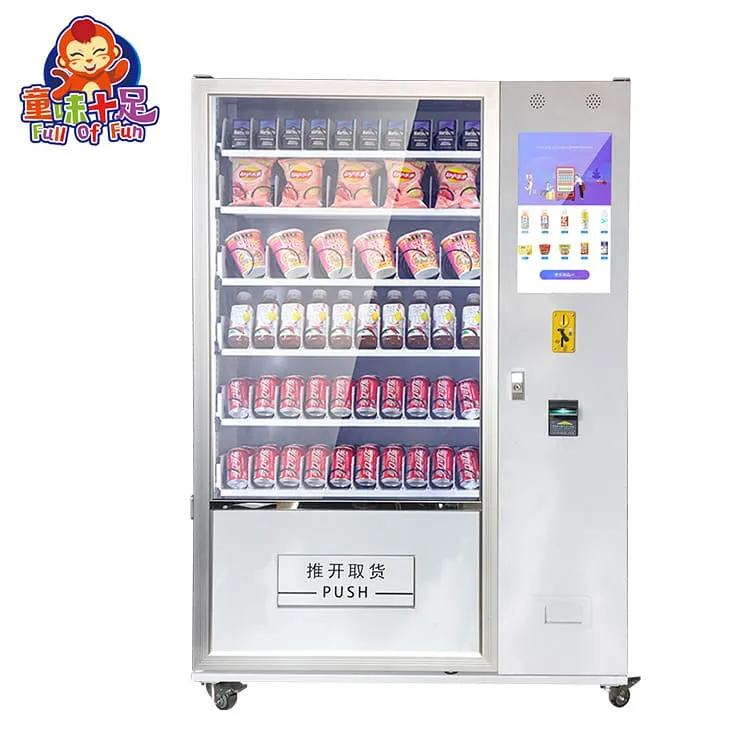
1. Cooling System
For beverage, ice cream, and fresh food vending machines, the cooling system is a critical component.
A reliable cooling system helps maintain product quality and stable operation.
Important factors include:
| Factor | Description |
|---|---|
| Cooling Technology | Compressor cooling or semiconductor cooling |
| Temperature Control | Maintains suitable storage conditions |
| Energy Efficiency | Influences long-term operating costs |
| Environmental Adaptability | Determines performance in different climates |
Ice cream vending machines usually require stronger cooling performance than standard beverage machines because frozen products need lower and more stable temperatures.
2. Dispensing System
The dispensing mechanism determines how products are delivered.
Common solutions include:
Spiral Conveyor System
Suitable for:
- Snacks;
- Bottled drinks;
- Packaged products.
Advantages:
- Simple structure;
- Easy maintenance;
- Cost-effective.
Conveyor Belt System
Suitable for:
- Large packages;
- Irregular products.
Advantages:
- Stable delivery;
- Wider product compatibility.
Robotic System
Suitable for:
- Premium products;
- Fragile items;
- Customized vending projects.
Advantages:
- Better product protection;
- Improved user experience.
3. Payment System
For international vending projects, payment compatibility is an important consideration.
Common payment options include:
- Credit card payment;
- NFC payment;
- QR code payment;
- Mobile wallet payment;
- Cash payment.
Before purchasing, buyers should confirm whether the payment system supports their target market.
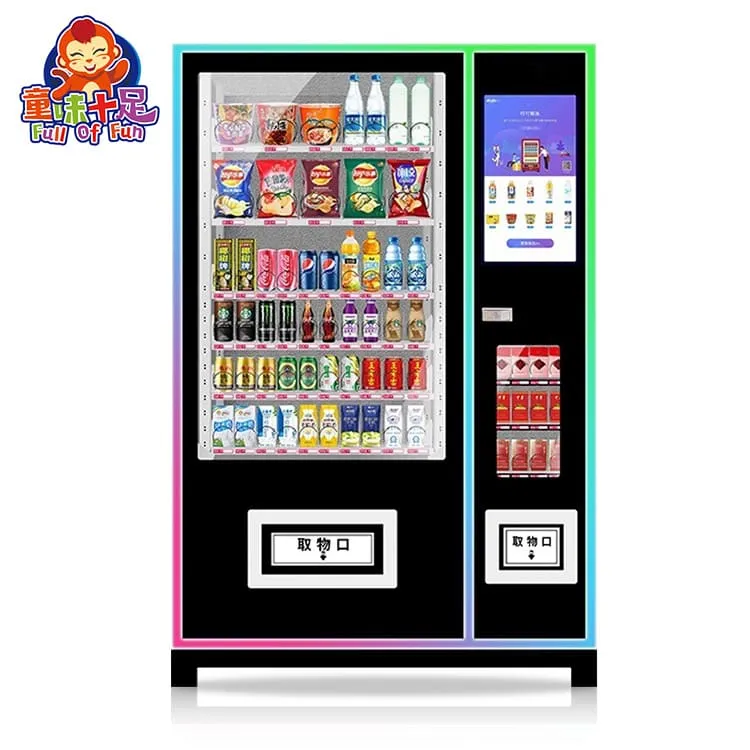
4. Remote Management System
A smart management platform allows operators to manage multiple vending machines remotely.
Main functions include:
Sales Monitoring
Operators can check:
- Daily sales;
- Revenue performance;
- Popular products.
Inventory Management
The system can provide:
- Stock alerts;
- Product tracking;
- Restocking reminders.
Equipment Monitoring
Operators can monitor:
- Machine status;
- Temperature;
- Error notifications.
Smart Vending Machine Cost Factors
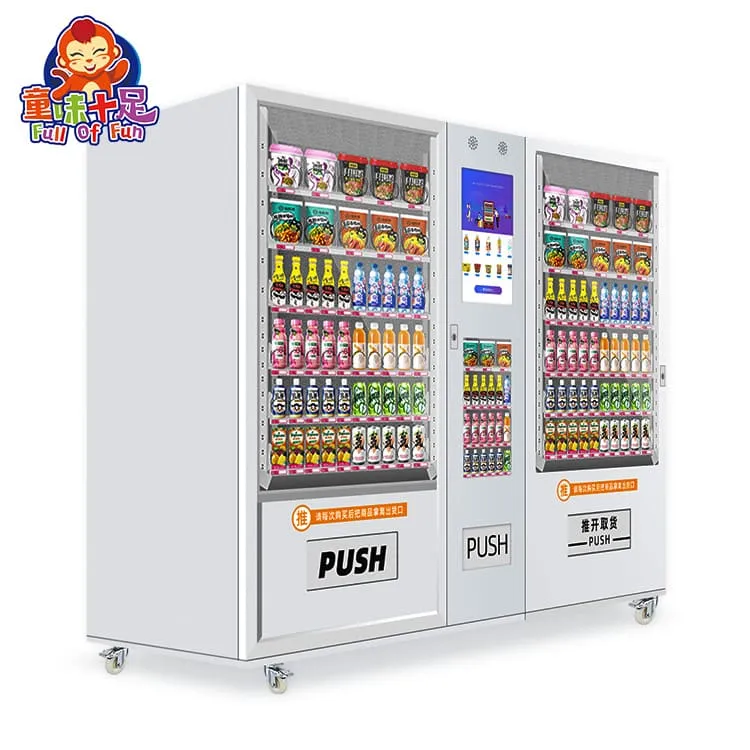
The cost of a vending machine depends on multiple factors:
- Machine type;
- Size;
- Product capacity;
- Cooling requirements;
- Payment configuration;
- Software functions;
- Customization requirements.
| Machine Type | Main Cost Factors |
|---|---|
| Snack Machine | Capacity, channels, payment system |
| Beverage Machine | Cooling system, storage capacity |
| Ice Cream Machine | Freezing technology, insulation |
| Coffee Machine | Beverage preparation modules |
| Customized Machine | Design and special functions |
Professional buyers should evaluate the Total Cost of Ownership (TCO) instead of only the initial purchase price.
TCO includes:
- Equipment cost;
- Maintenance expenses;
- Energy consumption;
- Spare parts;
- Technical support.
Smart Vending Machine Business Profit Factors
A vending machine business depends on several key factors.
1. Location
Location is one of the most important factors affecting revenue.
High-potential locations include:
- Shopping centers;
- Airports;
- Universities;
- Office parks;
- Tourist attractions.
A high-quality vending machine installed in a low-traffic location may not achieve expected sales performance.
2. Product Selection
Product strategy should match customer demand.
Examples:
Office buildings:
- Coffee;
- Drinks;
- Snacks.
Schools:
- Affordable snacks;
- Juice;
- Packaged food.
Tourist areas:
- Ice cream;
- Specialty products;
- Souvenirs.
3. Restocking Management
Efficient inventory management helps reduce operational costs.
Operators need to optimize:
- Product quantity;
- Delivery frequency;
- Inventory turnover.
Smart vending systems help identify sales trends and improve replenishment planning.
Smart Vending Machine vs Traditional Retail Store
| Factor | Smart Vending Machine | Traditional Store |
|---|---|---|
| Labor Requirement | Low | High |
| Operating Hours | 24/7 | Limited |
| Space Requirement | Small footprint | Large space needed |
| Expansion Speed | Easy deployment | Slower expansion |
| Data Management | Automated | Manual |
| Operation Method | Remote management | On-site management |
Why Choose a Professional Vending Machine Manufacturer?
A reliable vending machine manufacturer should provide more than equipment.
Professional suppliers usually offer:
- Product design;
- Manufacturing;
- Quality control;
- Software integration;
- OEM/ODM customization;
- Technical support.
For distributors, brand owners, and vending operators, working directly with a manufacturer provides advantages such as:
- Flexible customization;
- Stable supply capability;
- Better communication;
- Long-term cooperation opportunities.
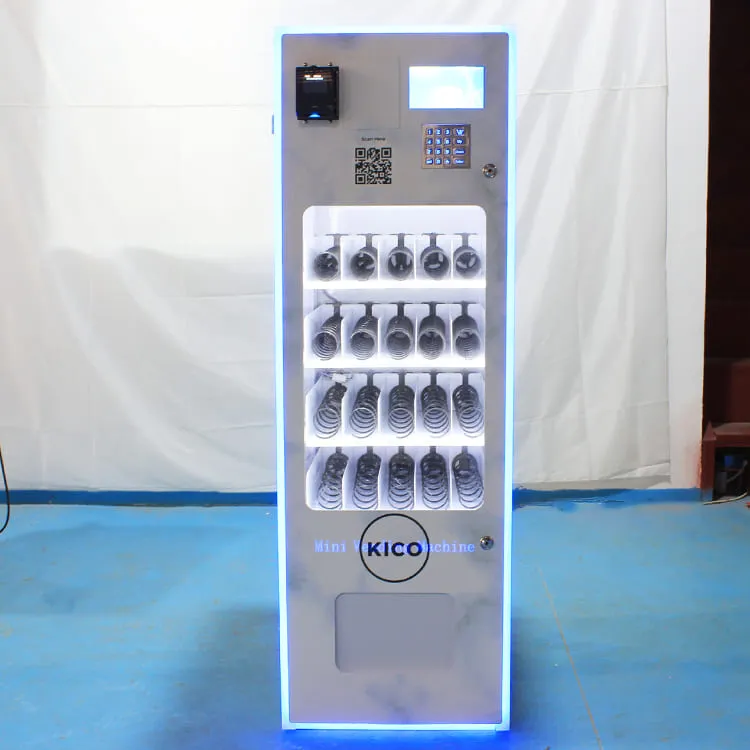
OEM and ODM Vending Machine Customization
OEM Services
OEM customization allows businesses to create vending machines under their own brand.
Common customization options:
- Logo printing;
- Color customization;
- Exterior design;
- Product configuration;
- Packaging design.
ODM Services
ODM services provide complete product development support.
Manufacturers can assist with:
- Product design;
- Prototype development;
- Hardware optimization;
- Production setup;
- Mass manufacturing.
Smart Vending Machine Purchasing Checklist
Before placing an order, buyers should confirm:
Product Requirements
- Machine type matches product category;
- Storage capacity meets business needs;
- Dispensing system fits products;
- Payment system supports target market.
Supplier Evaluation
- Manufacturer has production capability;
- Supplier supports OEM/ODM;
- Quality control process is available;
- Technical support is provided.
Business Terms
- MOQ requirement;
- Production lead time;
- Packaging method;
- Warranty policy;
- Shipping solution.
FAQ: Smart Vending Machine Purchasing Questions
Q1: How much does a smart vending machine cost?
A: The price depends on machine configuration, size, cooling requirements, payment system, and customization options. Basic models require lower investment, while advanced machines with smart features require higher budgets.
Q2: Are smart vending machines suitable for overseas markets?
A: Yes. However, overseas projects should consider local payment methods, voltage standards, regulations, and after-sales support.
Q3: Can vending machines be customized with OEM or ODM services?
A: Yes. Professional manufacturers can customize appearance, software, payment systems, product channels, and hardware configurations according to customer requirements.
Q4: Do vending machines require regular maintenance?
A: Yes. Although smart vending machines reduce manual operation, regular product replenishment, cleaning, and equipment inspection are still required.
Q5: What should buyers check before choosing a vending machine supplier?
A: Buyers should evaluate manufacturing capability, product quality, customization ability, technical support, and long-term service capability.
Conclusion
Smart vending machines are becoming an important solution for modern unattended retail businesses.
For buyers, selecting the right vending machine requires more than comparing prices. A successful vending project depends on:
- Suitable machine type;
- Stable hardware performance;
- Reliable payment systems;
- Efficient management software;
- Professional manufacturer support.
Choosing an experienced vending machine manufacturer with OEM and ODM capabilities can help businesses build reliable, scalable, and efficient automated retail solutions.