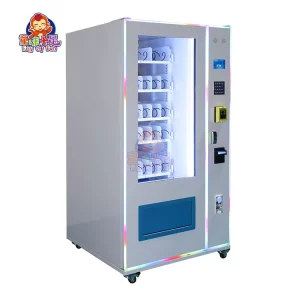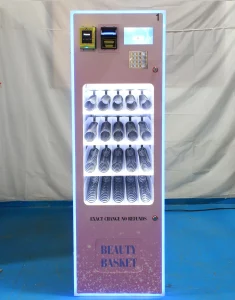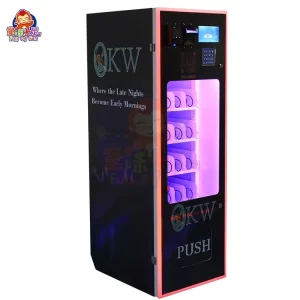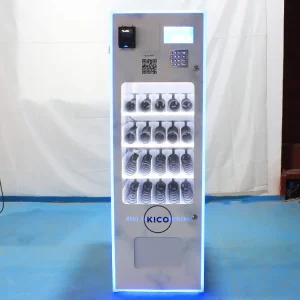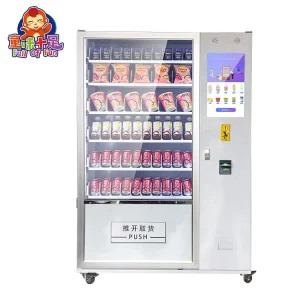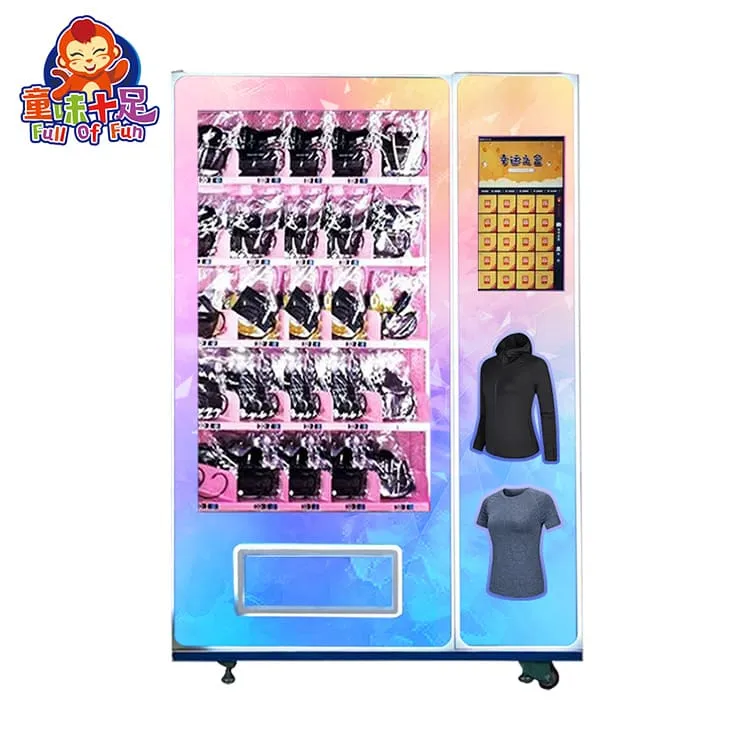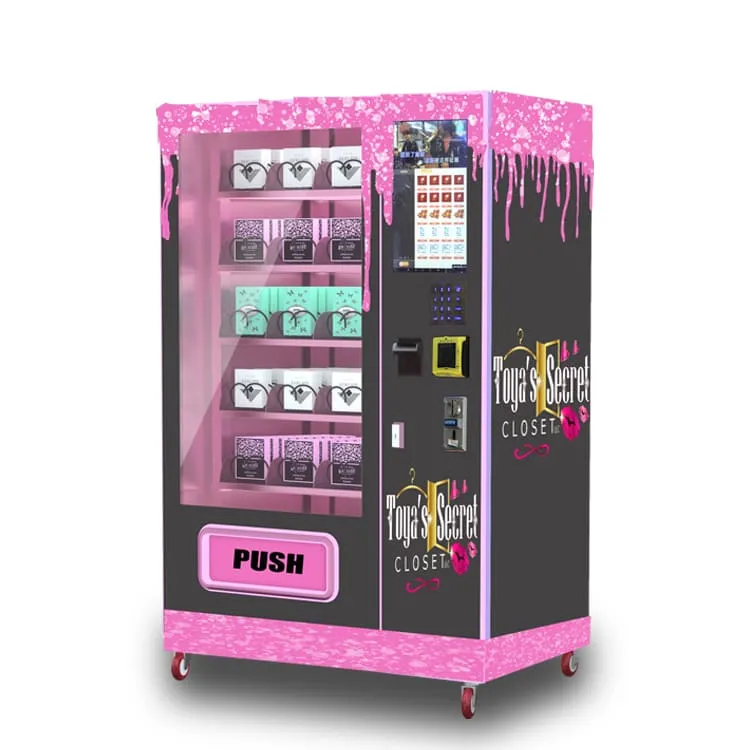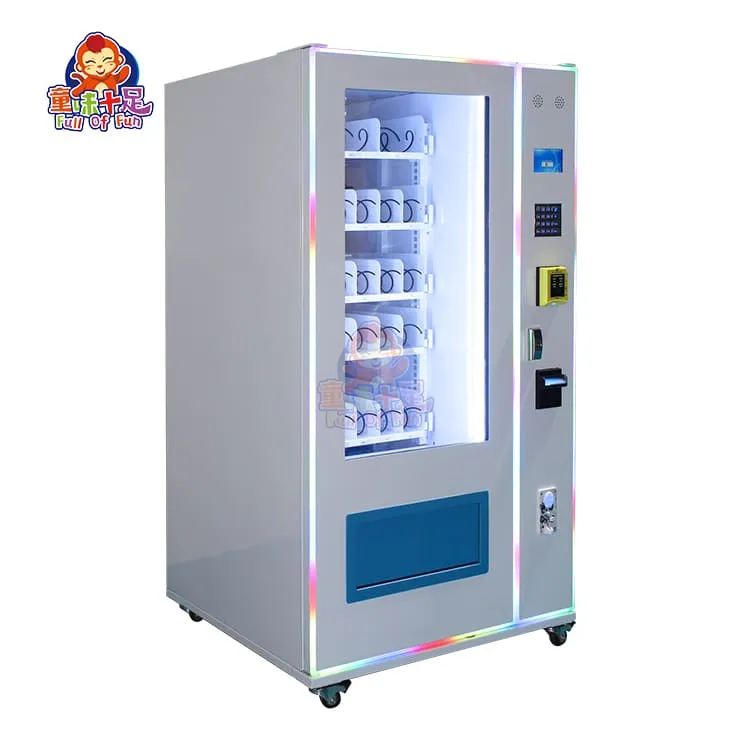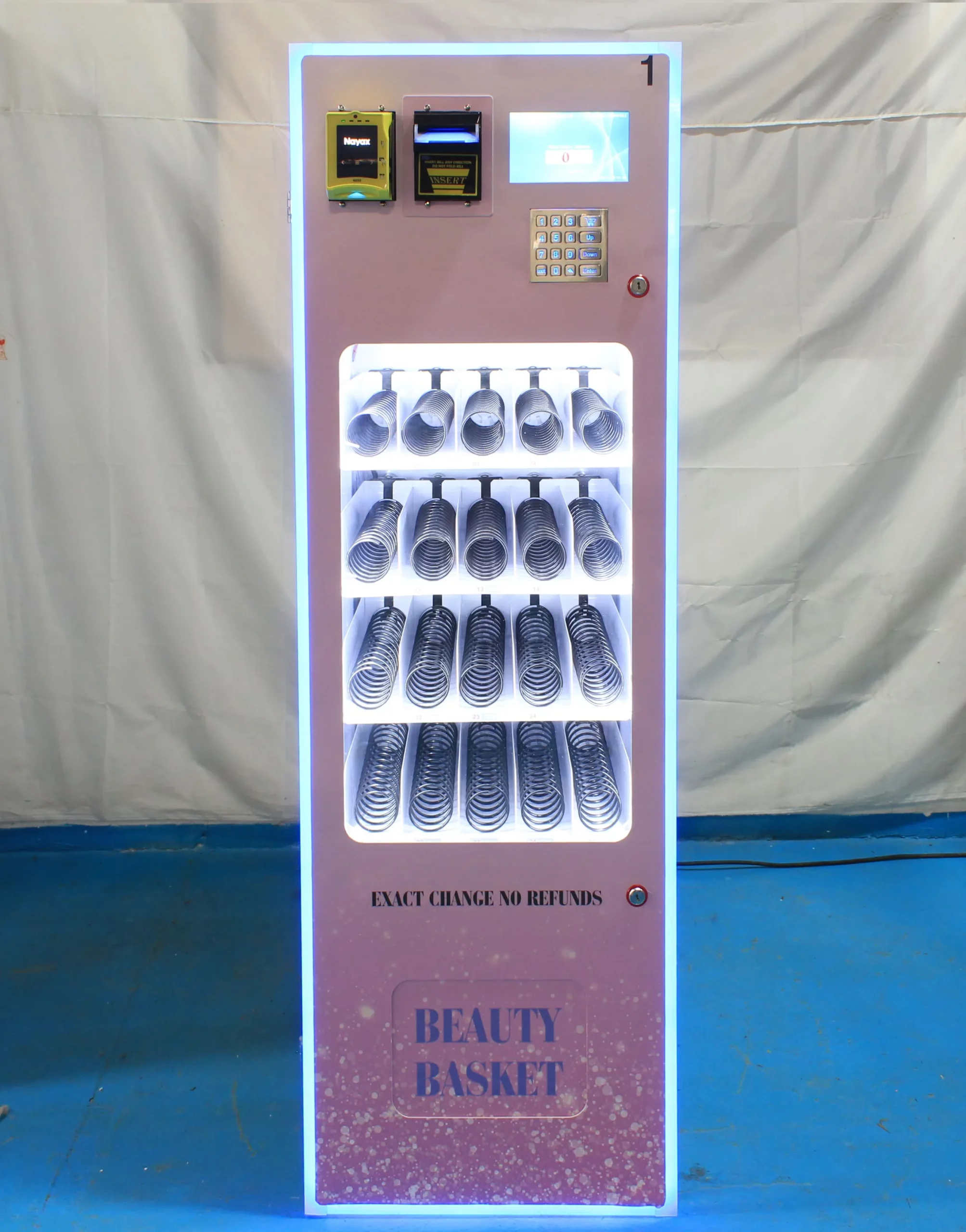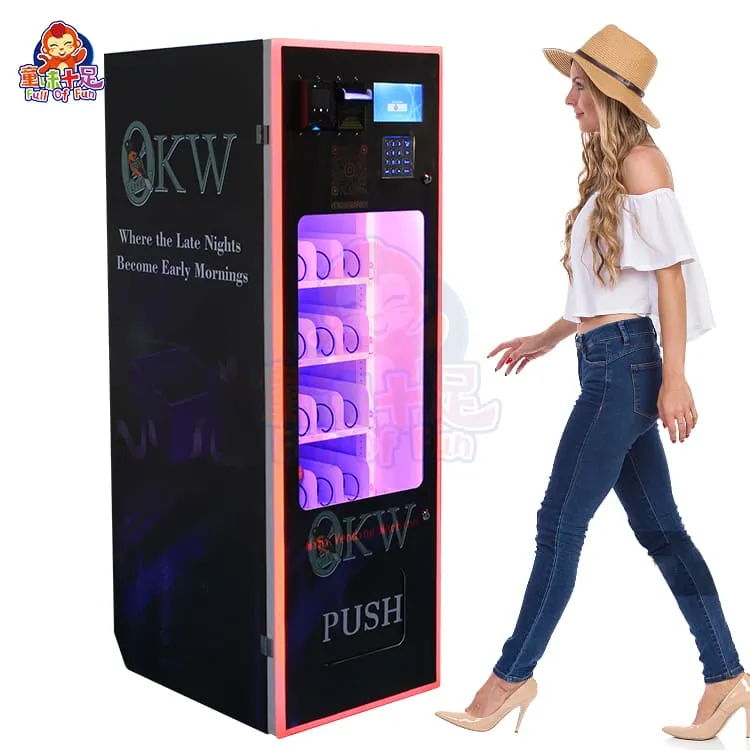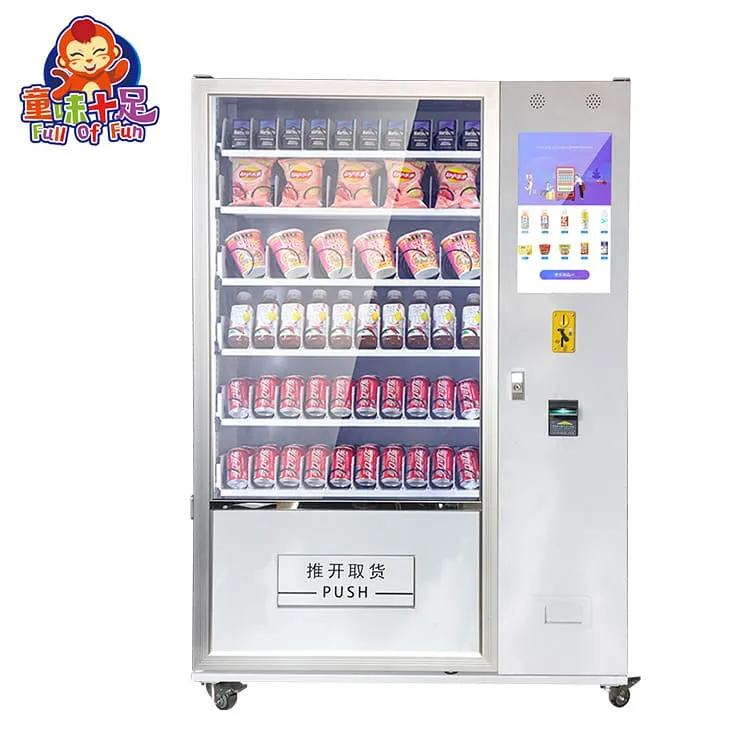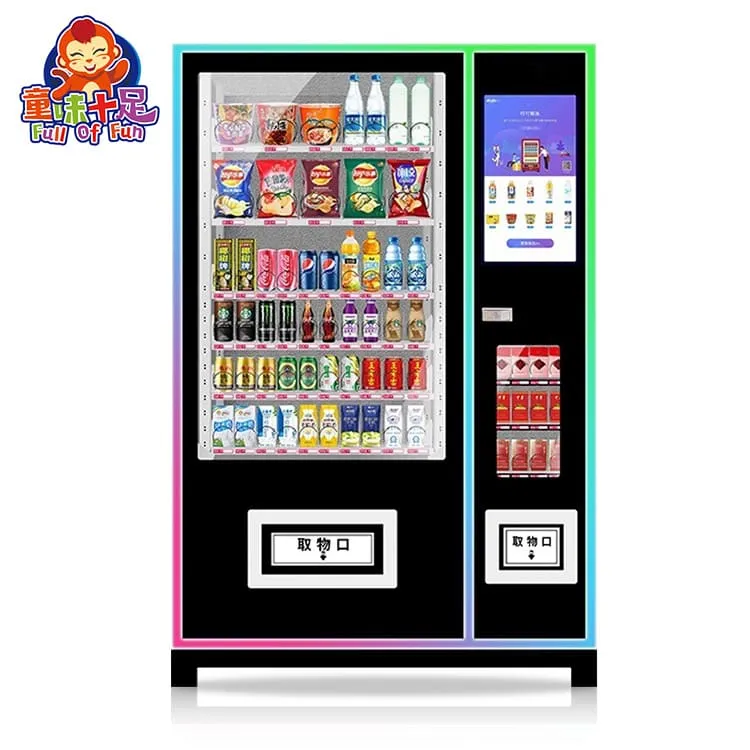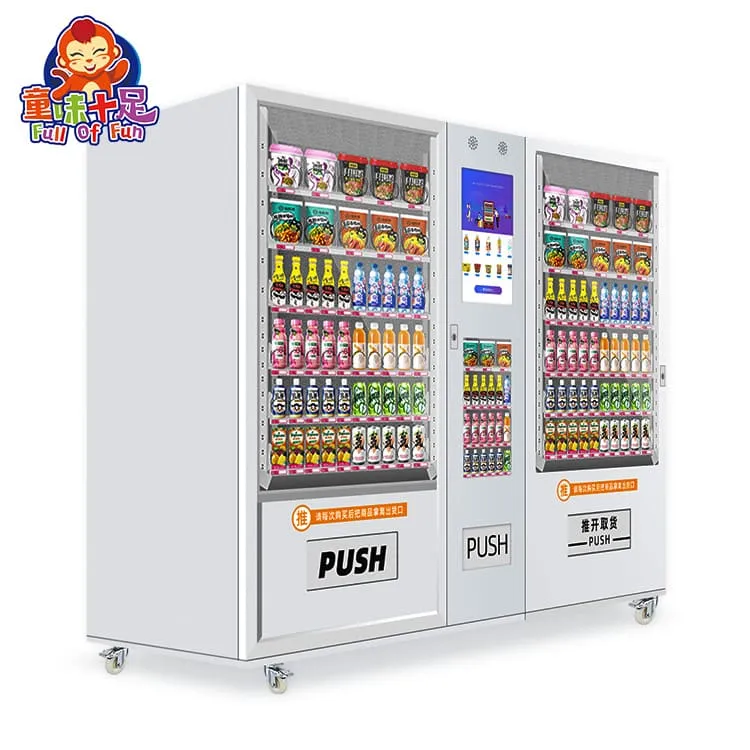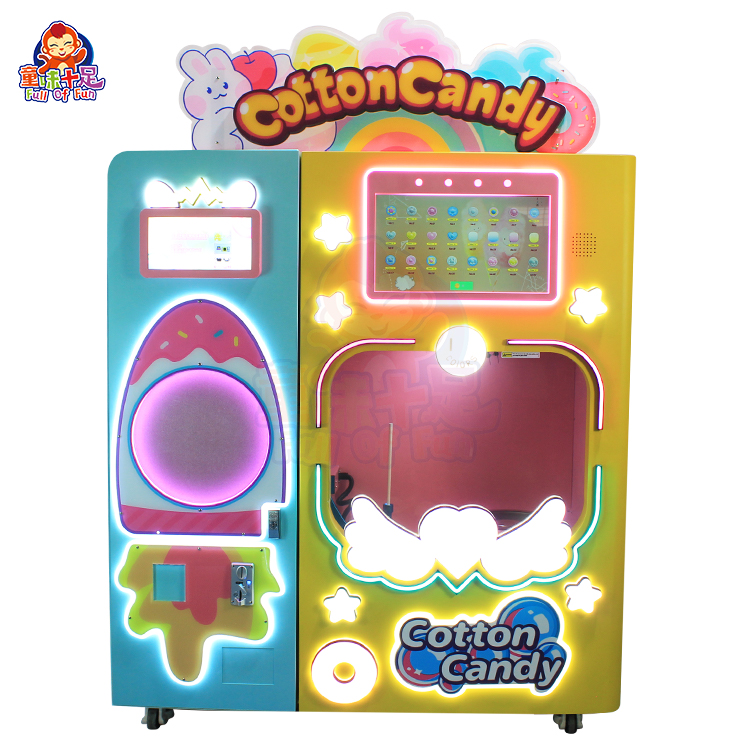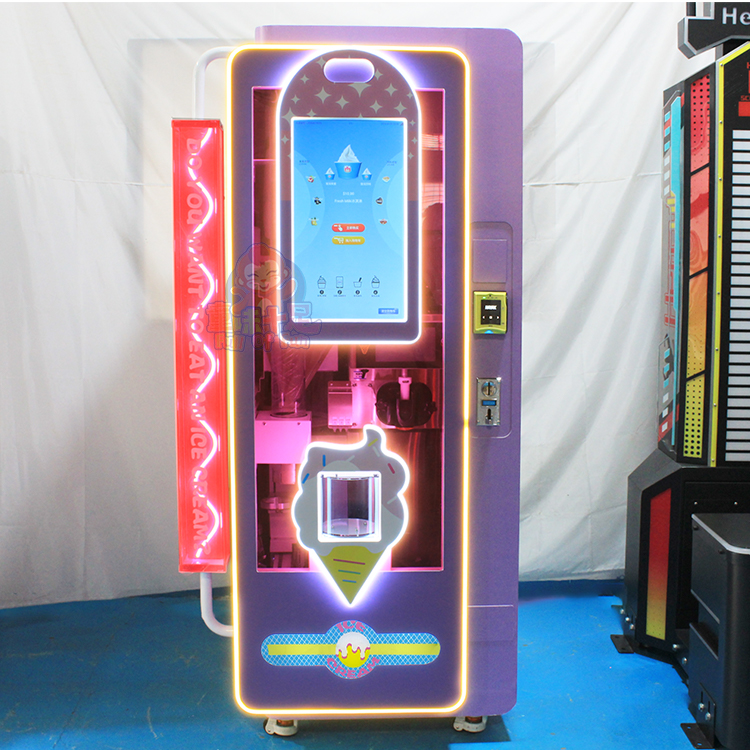

In today’s fast-paced society, vending machines have become a popular and convenient business model. With their low entry barriers and flexibility, more and more people are venturing into this industry. Especially in bustling urban environments, vending machines offer a quick and accessible shopping experience. However, despite the apparent potential of this business, it comes with its own unique set of challenges and risks. In this article, we will explore the pros and cons of running a vending machine business to help you make a more informed decision.
Is a Vending Machine Business a Good Business Idea?
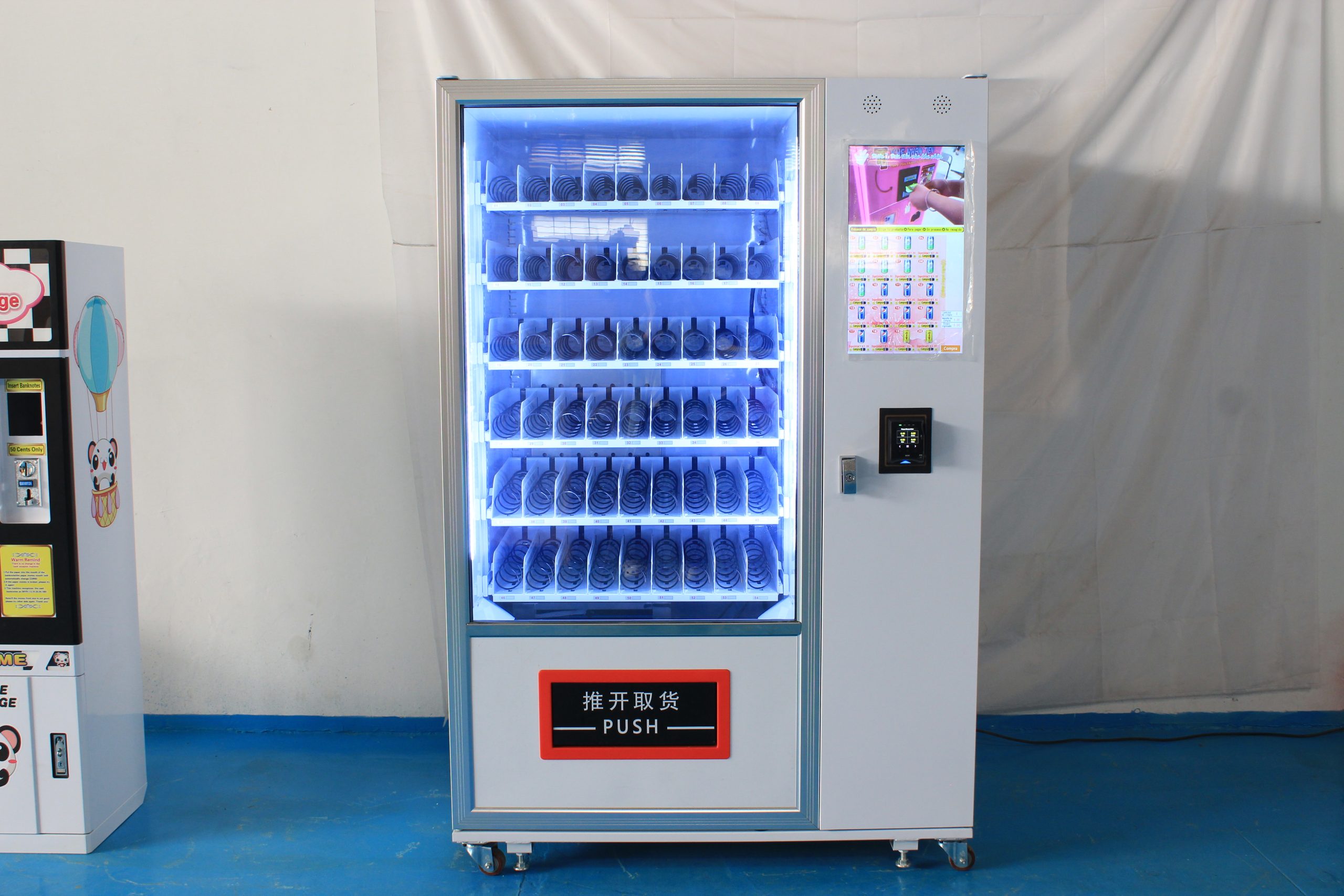
Yes, a vending machine business can be a good business idea. As technology advances and people’s lives become more fast-paced, vending machines offer a convenient shopping experience. Particularly in high-traffic areas such as schools, office buildings, hospitals, and transportation hubs, vending machines provide not only a solution for instant shopping but also a 24/7 service, creating a relatively stable customer base. The biggest advantage of vending machines is that they allow you to generate income without needing constant supervision.
Are Vending Machines Profitable?
Yes, vending machines can be very profitable. Their operating costs are relatively low compared to traditional retail stores, as you don’t have to pay for expensive rental spaces or hire staff. By carefully selecting high-demand products and pricing them appropriately, you can generate a good profit. Furthermore, the passive income model of vending machines means that they continue to generate revenue even when you’re not on-site, ensuring a continuous cash flow.
Advantages of Owning Vending Machines
Flexible Business Model
Owning a vending machine means you can have your own business with a relatively flexible schedule. You can choose to operate it as a main business or a side hustle. The flexibility in time management allows you to dedicate as much or as little time as needed. Additionally, vending machines operate 24/7, so you can enjoy a steady stream of income with minimal time commitment.
Low Barriers to Entry
The initial investment required to start a vending machine business is relatively low compared to traditional retail businesses. You can start small by purchasing just one machine. Once the business model is proven and stable, you can scale up by adding more machines. This gradual expansion reduces financial pressure and allows you to learn and adapt as you go.
Flexible Product Offerings
Vending machines allow you to sell a variety of products based on market demand. Whether it’s snacks, beverages, personal care items, or even electronics, you can choose products that suit your target audience. Moreover, you can adapt the product offerings based on location and seasonal needs, allowing you to keep your business relevant and profitable.
Passive Income
Once the vending machines are running smoothly, they can generate a continuous stream of passive income. With regular restocking and minimal maintenance, your vending machines can keep making money without requiring constant management. This makes it a great opportunity for those looking to earn income with limited effort.
Disadvantages of Owning Vending Machines
Small Scale, Low Profits Initially
For those just starting out, the scale of the vending machine business may be small, and the profits may be relatively low. If you want to expand, you may face risks, particularly with competition and market fluctuations. It’s important to carefully analyze and manage your expansion strategy.
Time and Effort Required for Management
Although vending machines automate the sales process, they still require time and effort to manage. You’ll need to regularly check the machines for malfunctions, restock products, and ensure the machines are functioning properly. These tasks can become time-consuming as you scale your business, so it’s important to factor this into your plan.
Increased Operating Costs with Scale
As your vending machine business grows, so do your operational costs. Managing multiple machines means you’ll need to handle inventory, logistics, and maintenance across more locations. If not managed properly, the increased time commitment and cost can lower profitability.
Market Research and Location Selection
When you scale up your business, you’ll need to find suitable locations for new machines. This means you’ll have to conduct market research to determine the best spots for your machines. The location is crucial for success, and you may need to adjust your product offerings based on customer preferences and local demand.
Challenges and How to Overcome Them
Despite its many advantages, the vending machine business does come with its challenges. For example, choosing the right products, maintaining machines, and managing multiple locations can be demanding. To overcome these challenges, consider the following tips:
Market Research: Carefully research different areas to identify the demand for your product. For example, in commercial areas, snacks and beverages may sell well, while in schools, you might want to offer different products like snacks, stationery, or even electronic gadgets.
Technical Support: Invest in reliable vending machines and ensure they are regularly maintained. A malfunctioning machine can quickly lead to lost sales, so it’s important to ensure your machines are always in working order.
Data Analysis: Use sales data to analyze product performance and adjust your offerings accordingly. This will help you maximize profits and reduce the risk of carrying products that don’t sell.
We Are Vending Machine Suppliers
As vending machine suppliers, we are committed to providing high-quality, easy-to-maintain, and efficient vending machines. We understand the needs of vending machine operators and offer a full range of services, from machine selection to regular maintenance and support. Whether you’re just starting out or looking to expand, we’re here to help you succeed in the vending machine business.