
The Ultimate B2B Buyer’s Guide, Technical Specification & Placement Strategy Handbook
Selecting the right automated retail equipment is one of the most critical decisions impacting operational profit, machine uptime, customer satisfaction, and overall Return on Investment (ROI). Investing in mismatched hardware leads to high maintenance downtime, product drop failures, inventory spoilage, and low sales velocity.
This extended guide provides a complete, professional framework for evaluating, specifying, and procuring commercial vending machines tailored to your venue and product mix.
1. Executive Location Analysis & Demographics Alignment
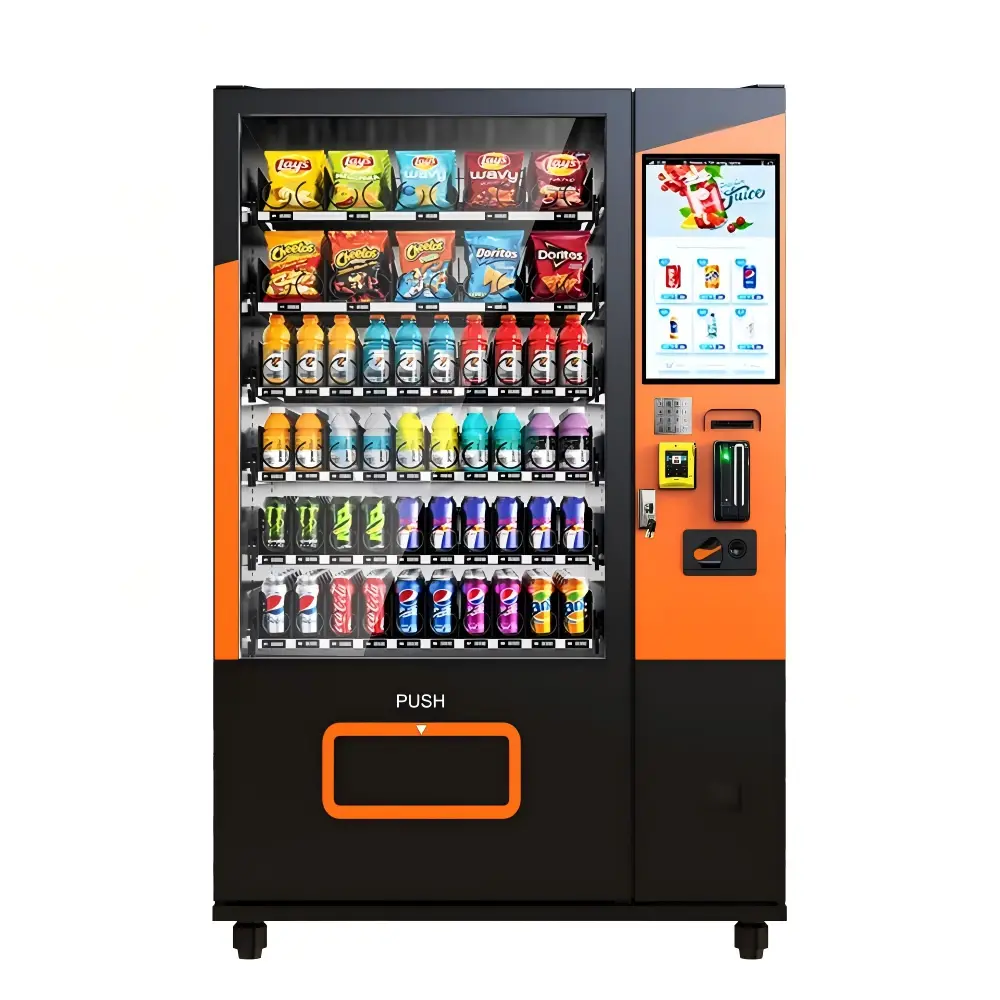
Machine selection must begin with a quantitative and qualitative assessment of your deployment venues. Foot traffic volume alone does not guarantee high daily sales; dwell time, customer demographics, and purchasing habits dictate the optimal hardware format.
| Venue Category | Primary Target Audience | Recommended Product Mix | Key Hardware Requirement |
| Corporate Class-A Offices | White-collar employees, tech workers | Gourmet bean-to-cup coffee, fresh salads, organic snacks, cold brew | Low-noise refrigeration, touchscreen UI, high-speed NFC/card reader |
| Transit Hubs & Airports | Travelers, commuters, shift workers | Power banks, travel accessories, high-margin snacks, bottled drinks | Heavy-duty anti-vandalism chassis, multi-language UI, fast transaction logic |
| Gyms & Fitness Centers | Athletes, gym-goers, wellness seekers | Protein shakes, pre-workout beverages, energy bars, quick-dry towels | Precise cooling (2–5°C), high-capacity coil/belt layout for heavy bottles |
| Universities & Schools | Students, faculty, dorm residents | Instant noodles, affordable drinks, chips, stationery, quick snacks | High-capacity dual-cabinet setup, rugged bill/coin acceptor + mobile QR |
| Hospitals & 24/7 Care | Medical staff, overnight visitors | Hot meals, fresh sandwiches, coffee, hygiene accessories | Elevator delivery system (zero drop damage), HACCP temperature logging |
2. Comprehensive Structural Types & Dispensing Mechanisms
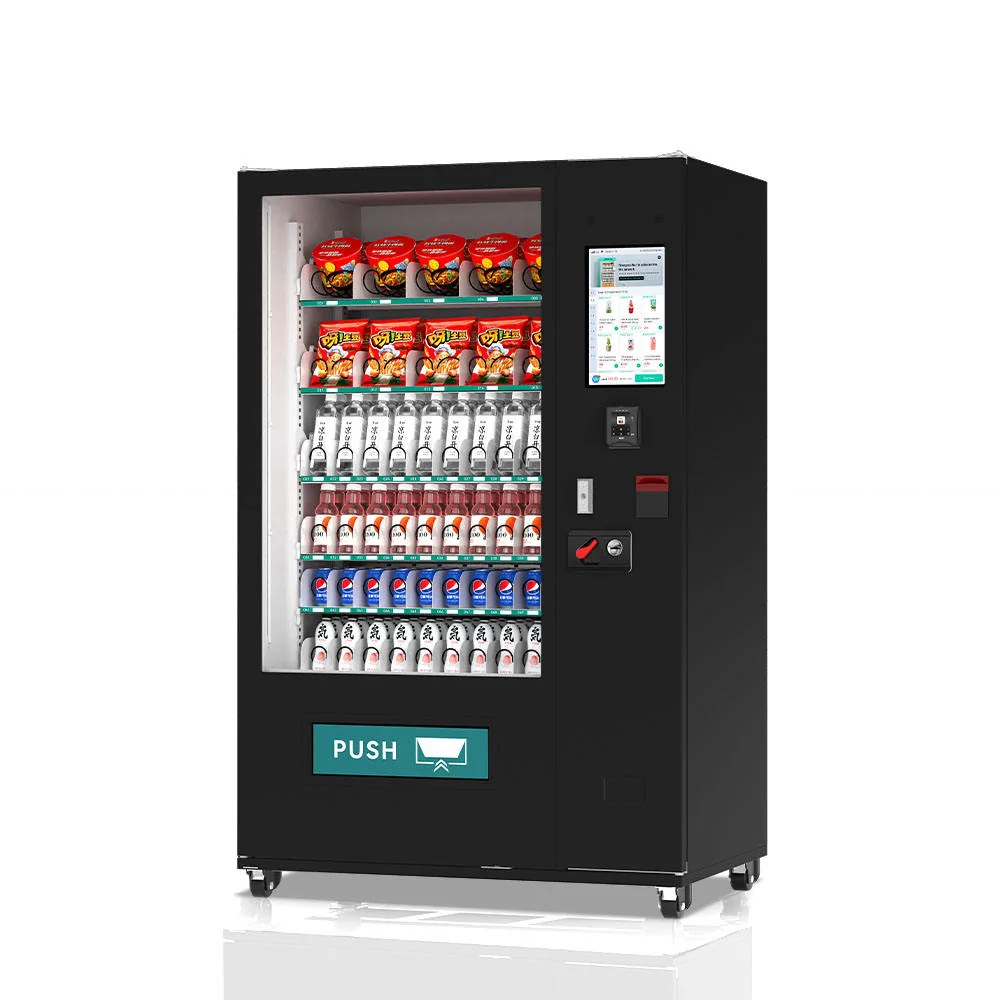
Selecting the correct internal delivery mechanism determines what physical items your machine can reliably dispense without jam risks or product damage.
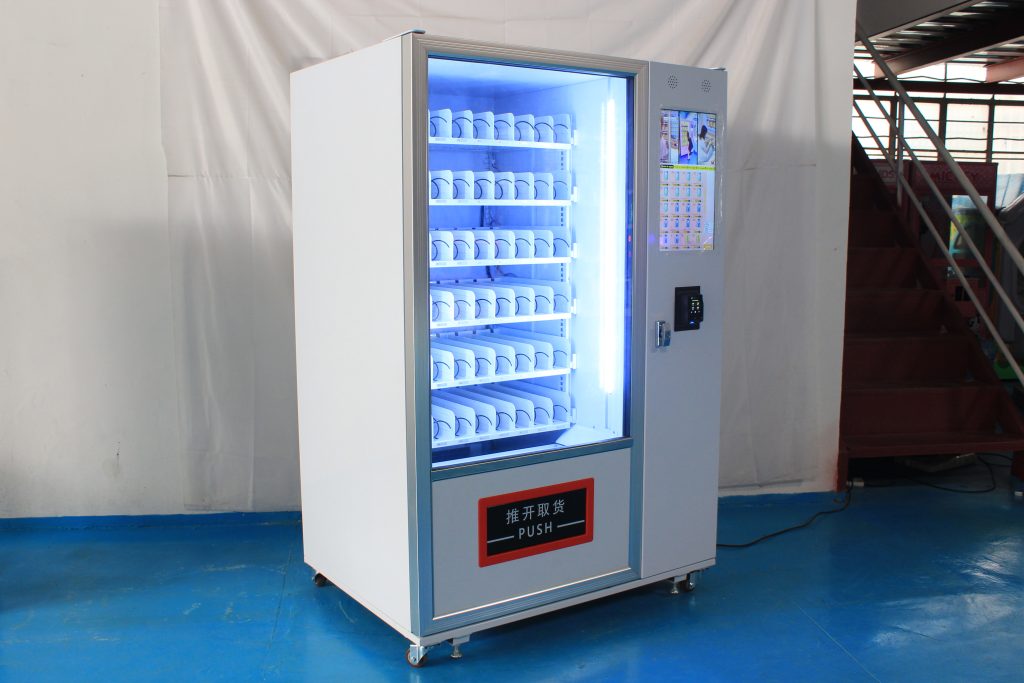
Coil & Belt Conveyor Vending Machines
-
Best For: Packaged chips, candy bars, bottled drinks, small boxed goods.
-
Mechanism: Single or dual rotating steel coils or motorized conveyor belts push items forward until gravity drops them into the collection bin.
-
Pros & Cons: Lowest initial CapEx, highly versatile for flexible column widths. Not suitable for fragile glass containers or hot fresh food.
Elevator & Robotic Arm Vending Machines
-
Best For: Glass bottled drinks, fresh meals, salads, cakes, electronics, high-end skincare.
-
Mechanism: A motorized platform lifts to the specific product shelf, receives the item gently, and lowers it down to the pickup hatch.
-
Pros & Cons: Eliminates drop damage, elevates brand perception, and supports multi-item purchases per tray. Requires routine maintenance of servo motors and belts.
Smart Lockers & RFID Glass Cabinets
-
Best For: Bulky items, multi-item bundled sales, luxury goods, PPE equipment, oversized merchandise.
-
Mechanism: Users tap credit cards to unlock doors. RFID tags or vision AI sensors automatically record which items were removed once doors close.
-
Pros & Cons: Frictionless “grab-and-go” experience, supports irregular product sizes and shapes. Requires RFID tagging or camera system setup.
Specialty Fresh Food & Coffee Machines
-
Best For: Freshly brewed espresso, soft-serve ice cream, hot pizza, freshly squeezed orange juice.
-
Mechanism: Integrated internal grinders, water boilers, robotic squeezing mechanisms, and automated CIP (Clean-In-Place) sanitation cycles.
-
Pros & Cons: Highest gross profit margins (70–85%), premium price positioning. Requires daily or scheduled restocking and sanitization.
3. Payment Terminals, Telemetry & Smart SaaS Ecosystem
Modern automated retail relies heavily on connectivity. Standalone offline vending machines lose up to 80% of sales opportunities compared to cloud-connected smart terminals.
Payment Terminal Requirements
-
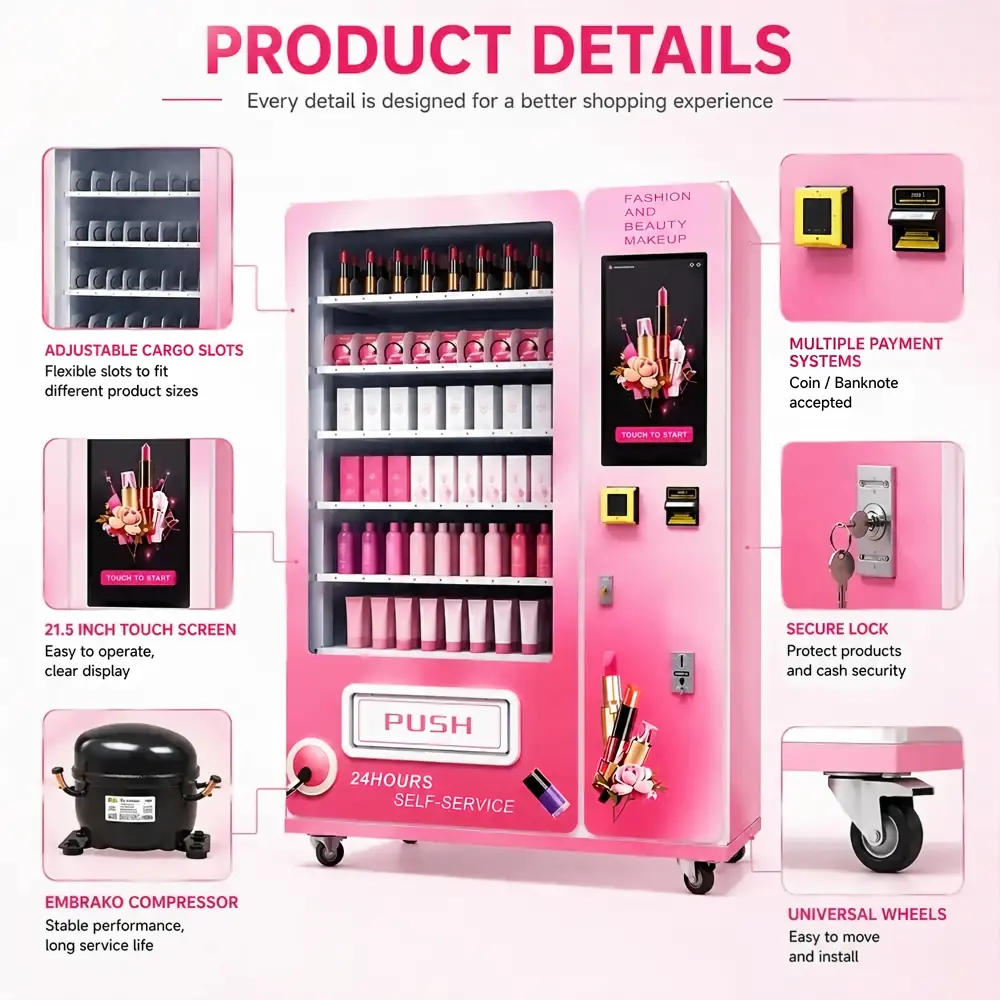
Contactless Card Readers (Nayax, Ingenico, CPI): Support EMV (Visa/Mastercard), Apple Pay, Google Pay, and RFID employee credentials.
-
Mobile QR Payments: Support instant local payment options (e.g., Alipay, WeChat Pay, Paytm) depending on the regional market.
-
Cash & Coin Acceptors: Bill validators and coin changers remain essential for high-volume public transport hubs, schools, and industrial sites.
Cloud Telemetry & Management SaaS
-
Real-Time Inventory Management: Monitor live SKU levels remotely to optimize restocking routes and prevent out-of-stock losses.
-
Automated Health & Temperature Alerts: Receive instant SMS/email alerts if cooling units fail or power disconnects.
-
Dynamic Pricing & Flash Sales: Adjust pricing dynamically during off-peak hours or trigger discounts on items nearing expiration.
-
Infrared Drop Sensors: Dual-beam optical sensors verify product delivery. If an item fails to drop, the transaction automatically refunds or prompts a second spin, preventing customer complaints.
4. Refrigeration Architecture & Energy Efficiency
Refrigeration accounts for up to 70% of a vending machine’s energy consumption. Choosing efficient cooling hardware impacts monthly electricity bills and food safety compliance.
-
Ambient Machines (18–25°C): Fan circulation only. Used for dry snacks, candy, and non-perishable merchandise.
-
Refrigerated Machines (2°C–10°C): Equipped with high-efficiency hermetic compressors utilizing eco-friendly R290 refrigerant. Essential for milk, beverages, and sandwiches.
-
Dual-Zone Chilled Machines: Top shelves maintained at 12–15°C for snacks; bottom shelves cooled to 3–6°C for drinks, optimizing energy use.
-
Frozen Machines (-18°C to -22°C): Polyurethane insulation layer (50mm+), heated double-pane anti-fog glass doors, and automated defrost cycles.
5. Total Cost of Ownership (TCO) & Financial ROI Model
When evaluating equipment costs, calculate the total operational expenditure across a 3- to 5-year operating lifespan.
Financial Cost Breakdown Example (Single Smart Combination Unit)
-
Initial Capital Expenditure (CapEx):
-
Smart Combination Machine (FOB): $2,800 – $4,500
-
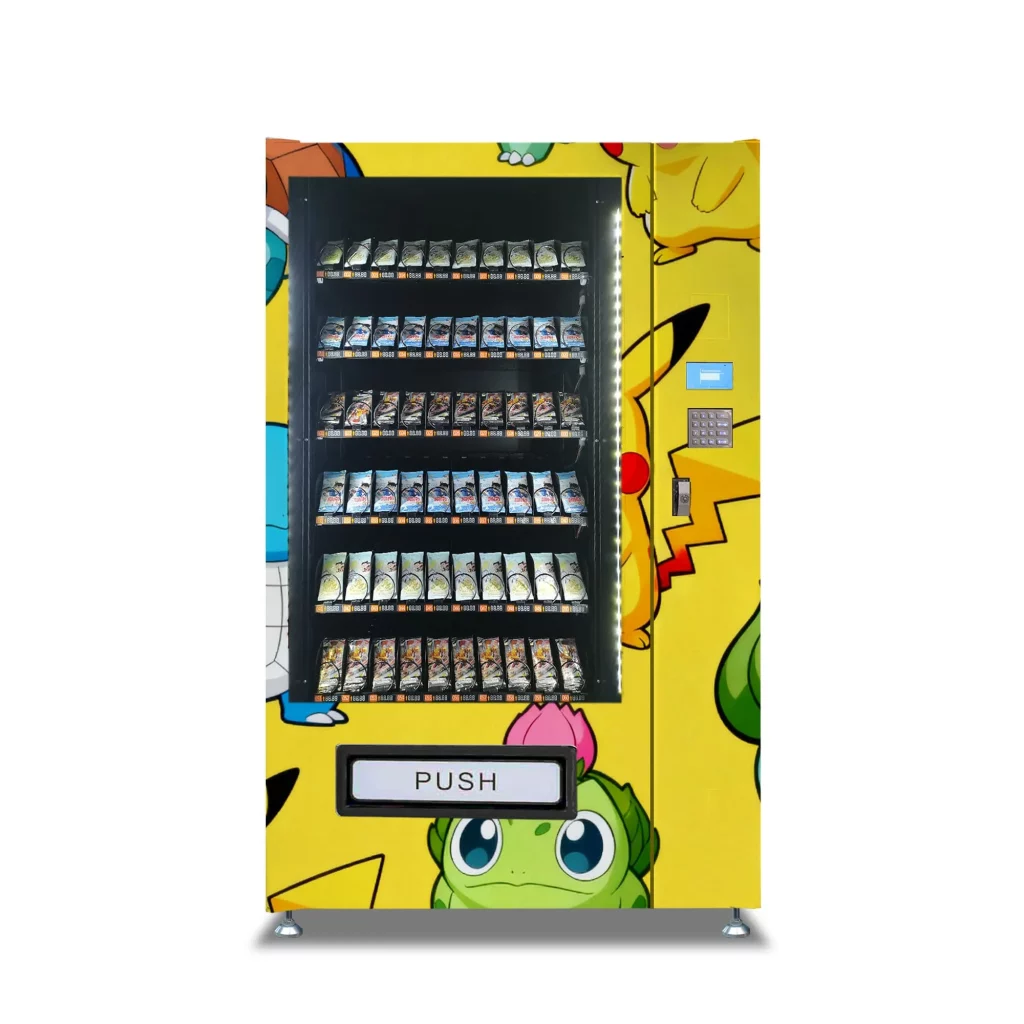
Custom Vinyl Wrap & Branding: $150 – $300
-
Card Reader Terminal Setup: $250 – $400
-
Freight, Import Tariffs & Installation: $500 – $1,000
-
Total Initial CapEx: ~$3,700 – $6,200
-
-
Operational Expenditure (OpEx):
-
Venue Space Rent / Commission: 10% – 20% of gross sales
-
Merchant Transaction Fees: 2.5% – 3.5%
-
SaaS Cloud Software Fee: $5 – $12 / month
-
Electricity: $15 – $35 / month
-
Restocking Labor & Logistics
-
-
ROI Baseline Calculation:
-
Average Daily Sales: 35 items @ €2.50 average item price = €87.50 / day
-
Monthly Gross Revenue: ~$2,625
-
Cost of Goods Sold (COGS ~40%): -$1,050
-
Operating Expenses & Commission (~25%): -$656
-
Net Monthly Profit: ~$919
-
Estimated Payback Period: 5 to 8 Months
-
6. Supplier Evaluation & Procurement Checklist
Before issuing a Purchase Order (PO) to an equipment factory or vendor, confirm the following technical and compliance parameters:
-
Compliance Certifications: Ensure valid CE, UL, FCC, and RoHS certificates for electrical safety and electromagnetic compliance.
-
Chassis & Cabinet Construction: Require electro-galvanized cold-rolled steel cabinets (minimum 1.2mm thickness) with anti-pry doors and explosion-proof tempered glass.
-
MDB Protocol Support: Verify mainboard compatibility with standard Multi-Drop Bus (MDB) and DEX/DDCMP protocols for plug-and-play payment and telemetry integrations.
-
Warranty & Spare Parts SLA: Demand a minimum 2-year warranty on core components (compressor, mainboard, touchscreen) and guarantee spare parts availability.
-
Customization (OEM/ODM): Confirm factory capabilities for custom motor wiring, adjustable spiral pitches, custom branding wraps, and localized language UI options.