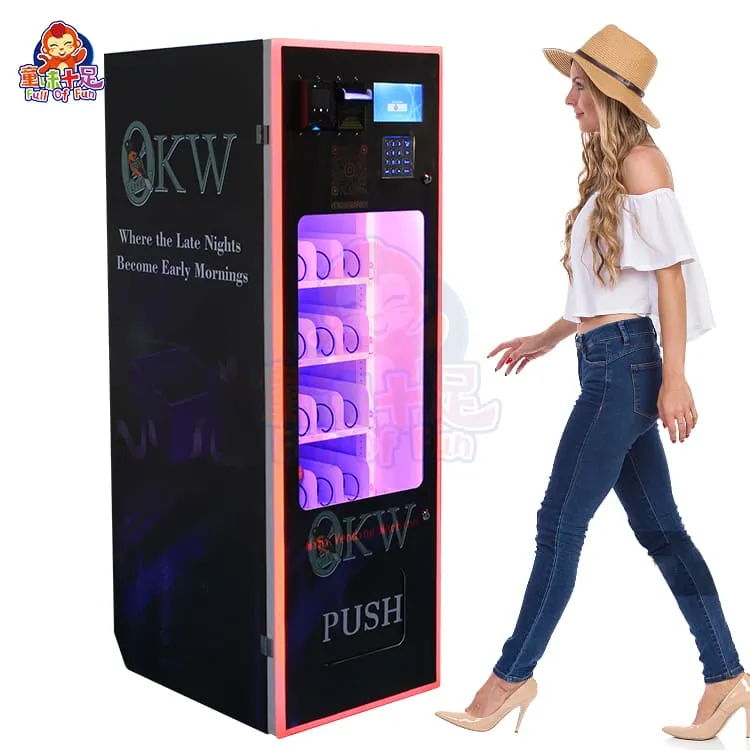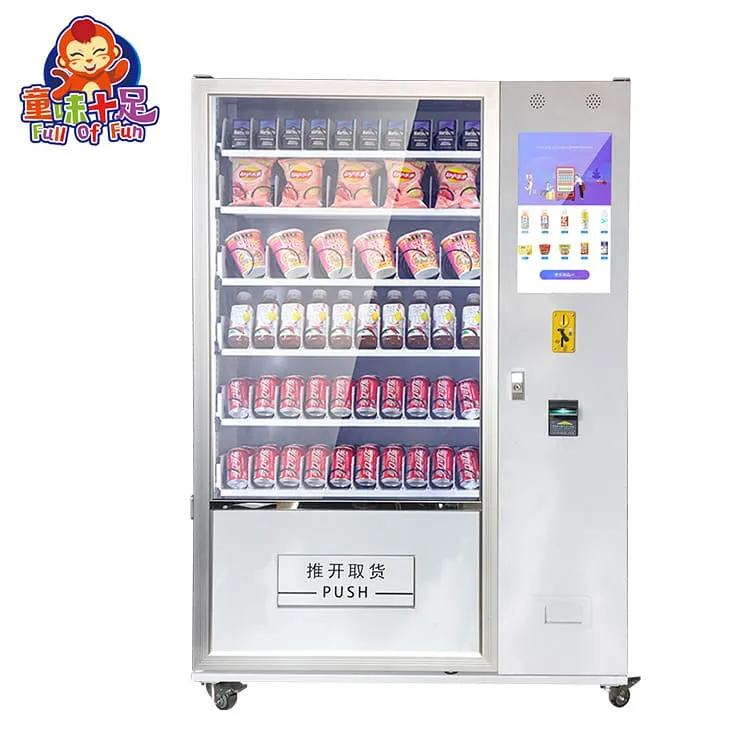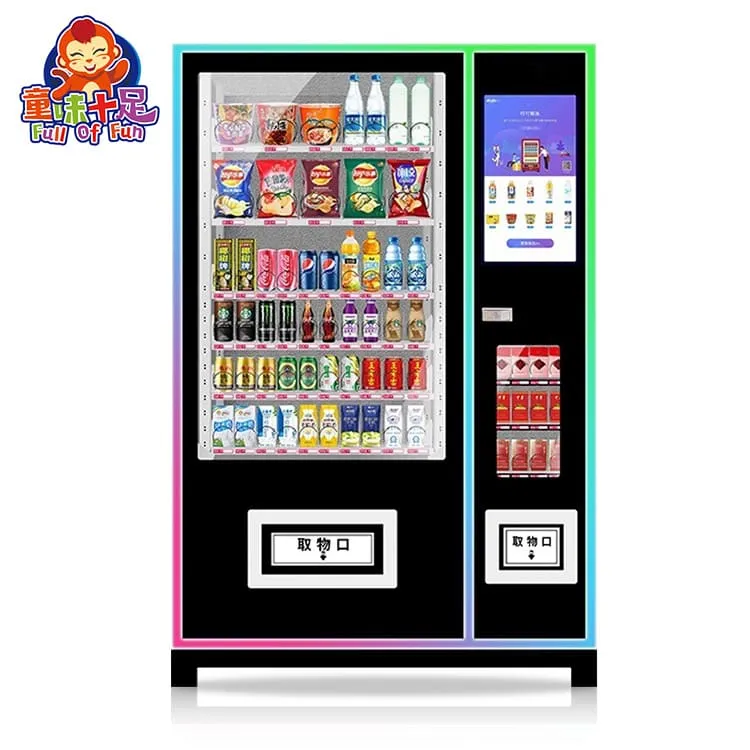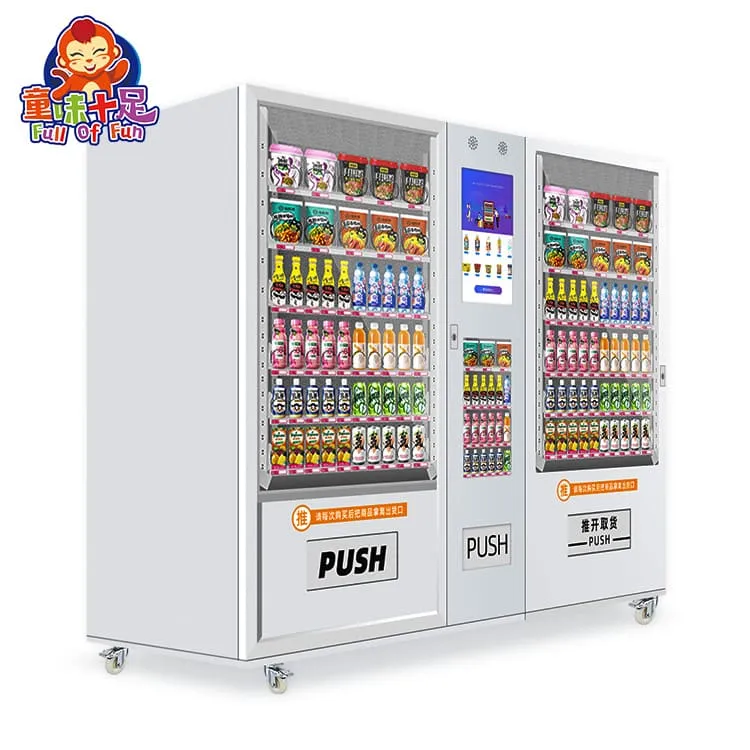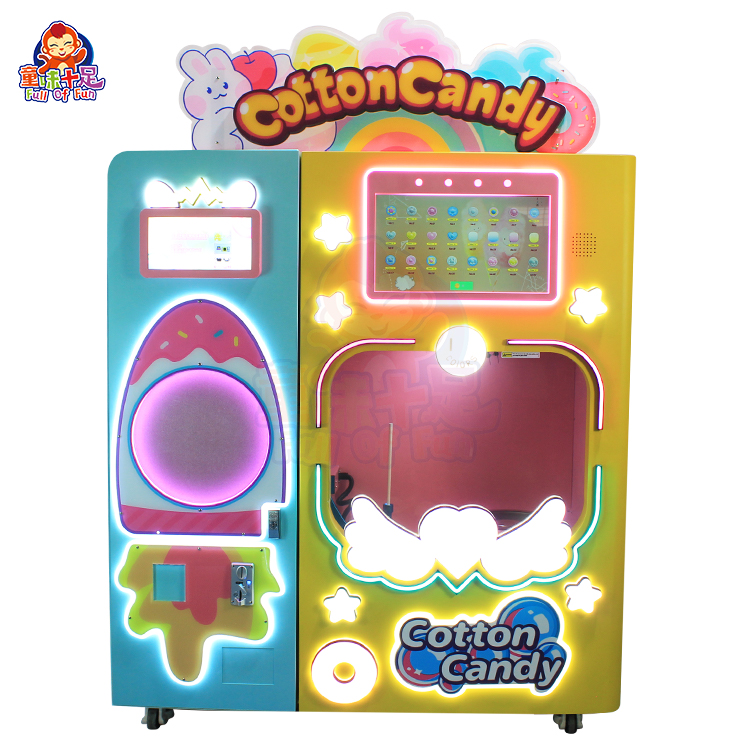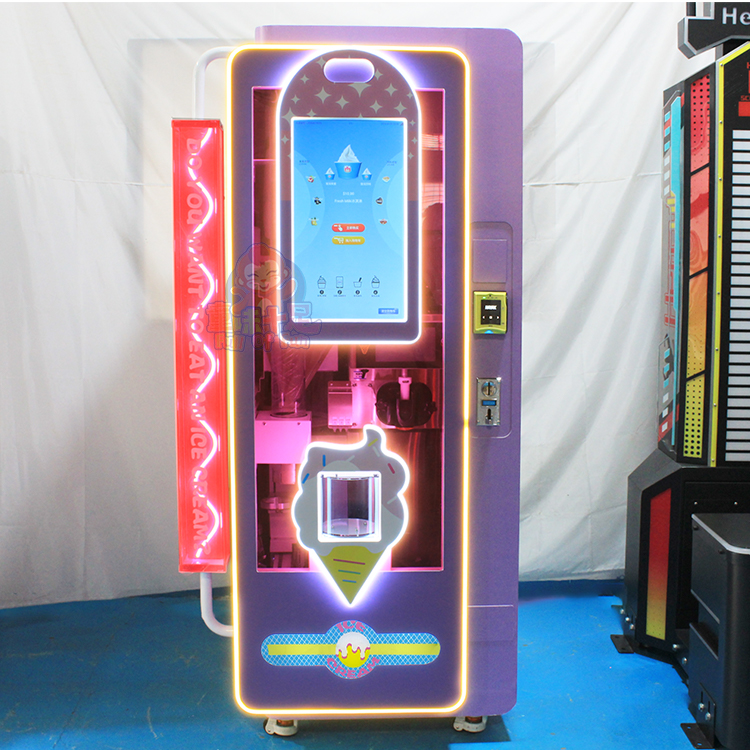
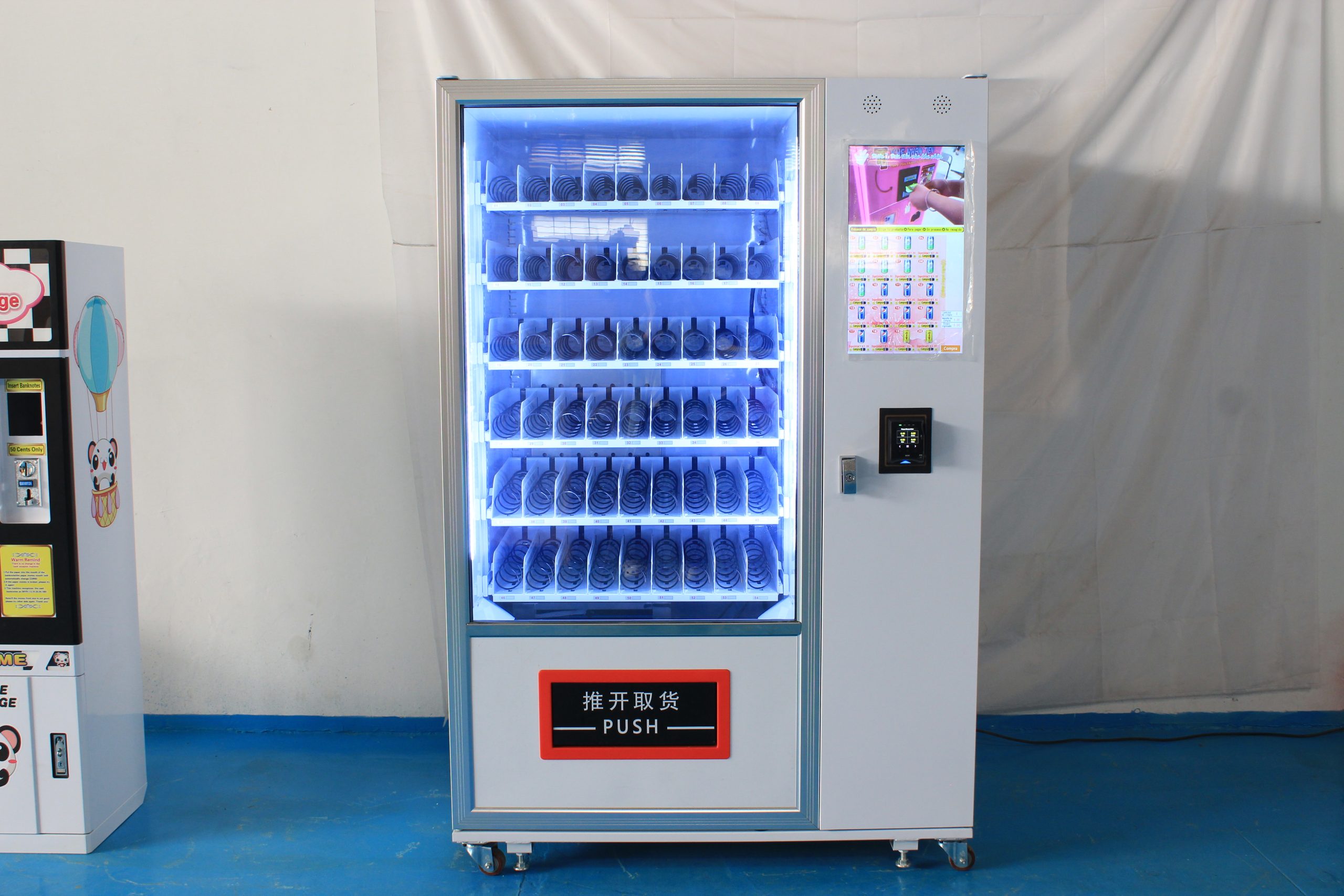
With the rise of unmanned retail, vending machines have become an increasingly popular choice for entrepreneurs and side businesses. One of the first questions beginners ask is: How much does a vending machine cost? Is it worth it? And how long does it take to make a profit?
In this article, we’ll walk you through pricing, sourcing options, ROI timelines, and key operational factors to help you make an informed decision.
How Much Does a Vending Machine Cost?
The price of a vending machine is not fixed. It depends on several factors such as type, features, size, and sourcing channel.
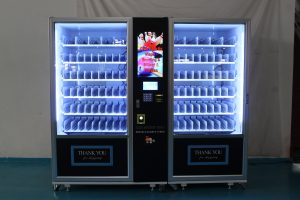
If you purchase from local markets such as the US or Europe, a standard snack or beverage vending machine typically costs between $3,000 and $10,000. This price usually includes distribution costs, local service, and brand premiums.
However, if you source directly from Chinese manufacturers, the cost can be significantly lower. Similar machines are generally priced between $1,000 and $5,000, reducing overall costs by around 30% to 50% while maintaining similar functionality.
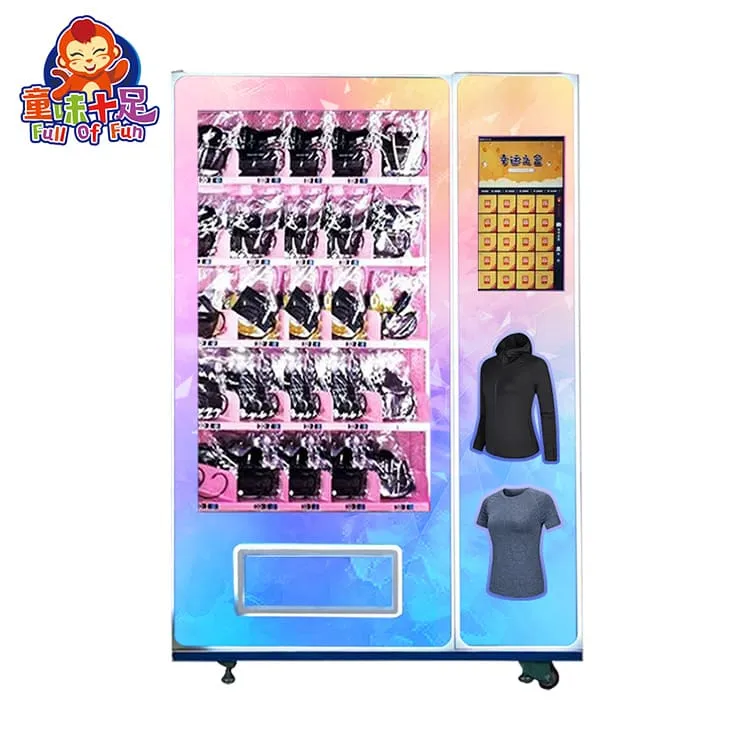
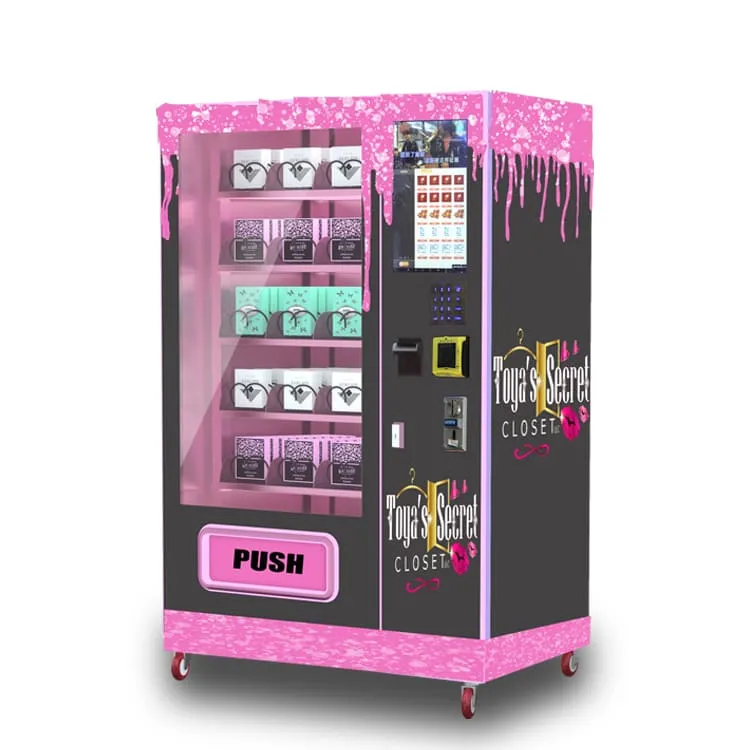
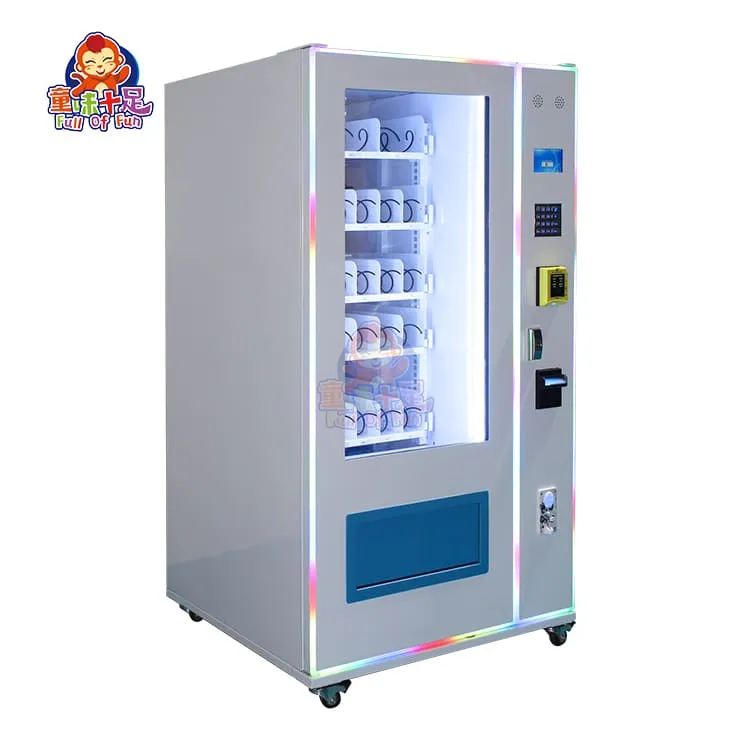
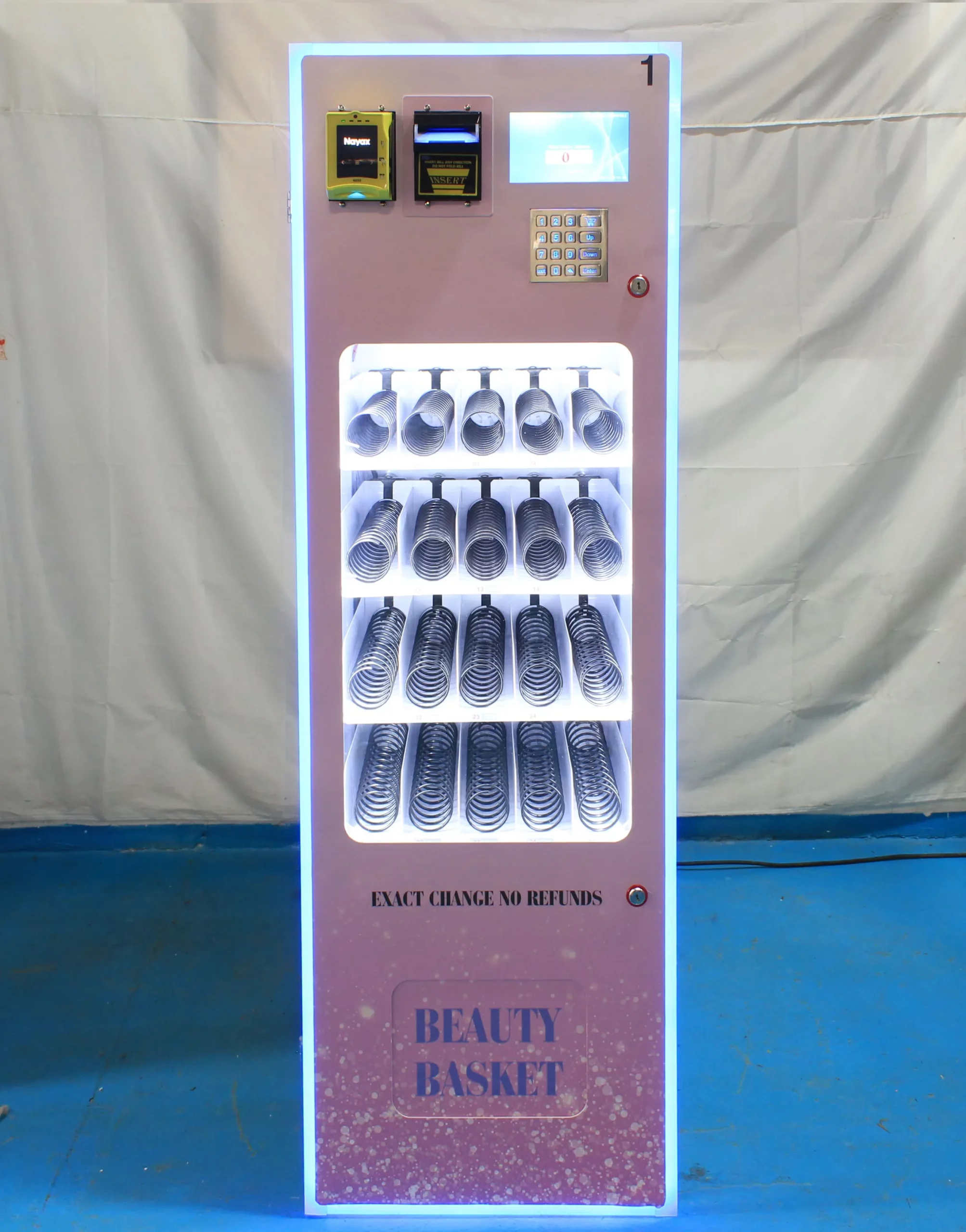
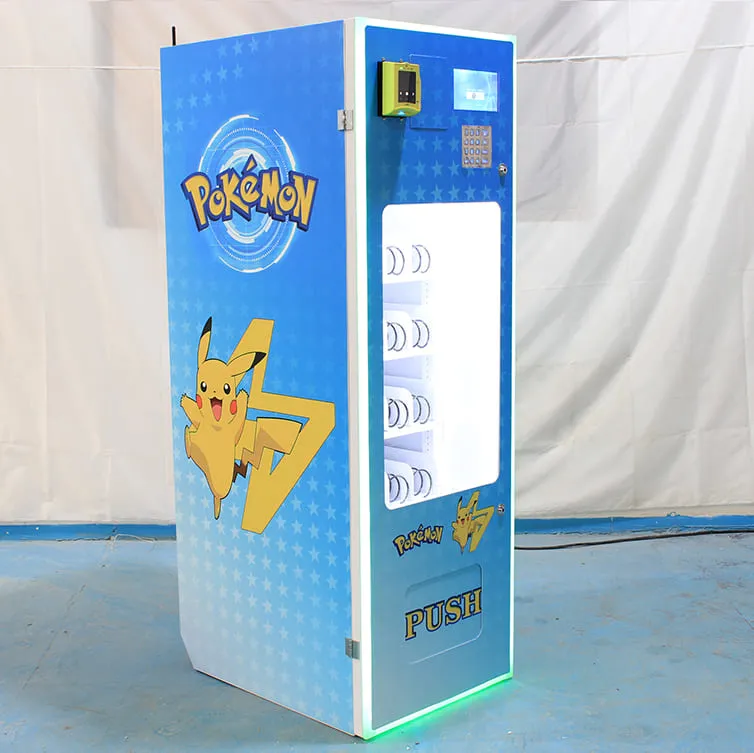
For beginners with limited budgets, entry-level machines can be even more affordable. For example, our vending machines start from as low as $650, making them ideal for testing the market with minimal investment.
Is It Reliable to Buy Vending Machines from China?
Many people worry about the complexity of importing equipment from China. In reality, it is not only feasible but also a common practice among global buyers.
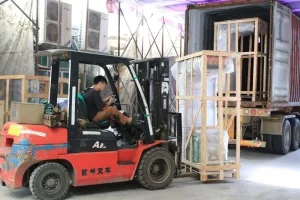
If you have import experience, you can manage shipping and customs clearance yourself, which helps reduce costs. If not, many suppliers offer DDP (Delivered Duty Paid) door-to-door service, meaning the machine is delivered directly to your location without you handling customs procedures.
Before placing an order, there are several key details you should confirm:
- Voltage compatibility (110V or 220V)
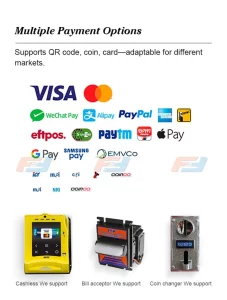
- Payment options (card, cashless, QR code, etc.)
- System language (English or multi-language support)
- Machine dimensions and space requirements
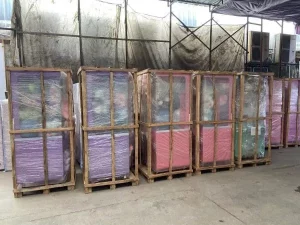
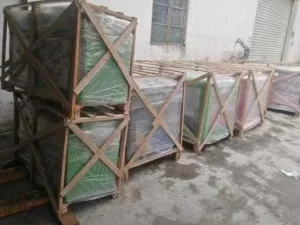
It’s also recommended to request production photos/videos and pre-shipment testing videos.
After-sales service is especially important, as vending machines are long-term operational equipment. Maintenance and spare parts support will directly impact your business performance.
How Long Does It Take to Get ROI?
The profitability of a vending machine depends more on operation and location than the machine itself.
Key factors that influence ROI include:
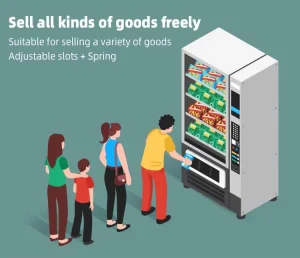
- Foot traffic (the most important factor)
- Location quality
- Product pricing and profit margins
- Consumer habits
- Local competition
In most cases, the payback period ranges from 6 to 24 months.
For example, if a machine costs $2,000 and generates a daily profit of $10–$30, the monthly profit would be around $300–$900.
- In high-traffic locations, ROI can be achieved within 3–12 months
- In average locations, it may take 12–24 months or longer
Hidden Costs You Should Consider
Many beginners focus only on the machine price, but there are additional costs to consider:
- Shipping and import duties
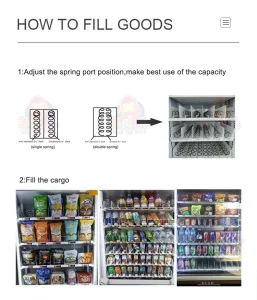
- Product stocking costs
- Location rent or revenue sharing
- Maintenance and repair expenses
To avoid misjudging profitability, it’s important to calculate the total investment cost, not just the machine price.
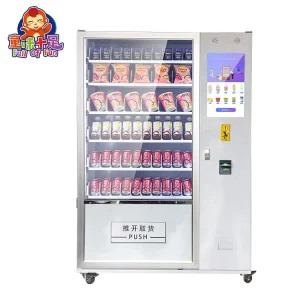
Where Is the Best Place to Put a Vending Machine?
In this business, one rule stands out:
Location determines 80% of your revenue
High-performing locations typically include:
- Shopping malls
- Schools and universities
- Hospitals
- Airports and train stations
- Amusement parks
- Office buildings
The logic is simple:
More foot traffic = more sales = higher profit
This is very similar to coin-operated machines and amusement equipment — both rely heavily on traffic.
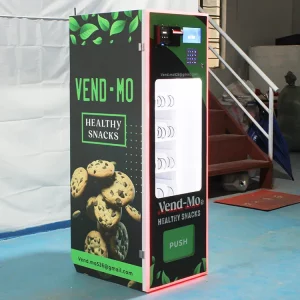
Why Are More People Choosing Chinese Suppliers?
Sourcing from China offers several clear advantages:
- Lower costs (30%–70% cheaper)
- Customization options (OEM/ODM)
- Wide product selection
- Faster production times
However, there are also potential risks, such as inconsistent quality, communication barriers, and unreliable after-sales support from some suppliers.
That’s why the key is not to find the cheapest supplier, but to find a reliable long-term partner.
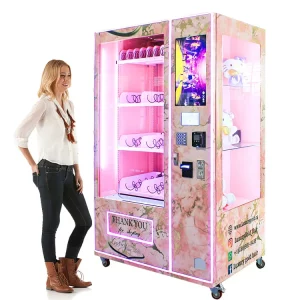
How to Choose a Reliable Supplier?
When selecting a supplier, consider the following:
- Do they have real project cases or client references?
- Do they support video inspection before shipment?
- Do they offer customization options?
- Do they provide at least a 1-year warranty?
- Do they have a stable after-sales support team?
A good supplier should support you throughout the entire process — from purchasing to operation — not just sell you a machine.
Conclusion: Is the Vending Machine Business Right for You?
Overall, vending machines are a low-entry but operation-driven business.
If you have access to good locations or are willing to test and optimize your strategy, this can be a stable and scalable source of income.
For beginners, it’s recommended to start with 1–2 machines, validate your model, and then gradually expand. This approach helps minimize risk while building experience.
To help entrepreneurs enter the unmanned retail market smoothly, our vending machines offer high cost-performance, versatile features, and customizable options. Whether placed in shopping malls, schools, hospitals, office buildings, or tourist spots, we have models suitable for every location. We also provide full production-to-shipment tracking, a 1-year warranty, and 24/7 after-sales support, ensuring your machines operate reliably over the long term. For anyone looking to start quickly, test the market, and achieve ROI efficiently, our vending machines are a dependable and effective choice.