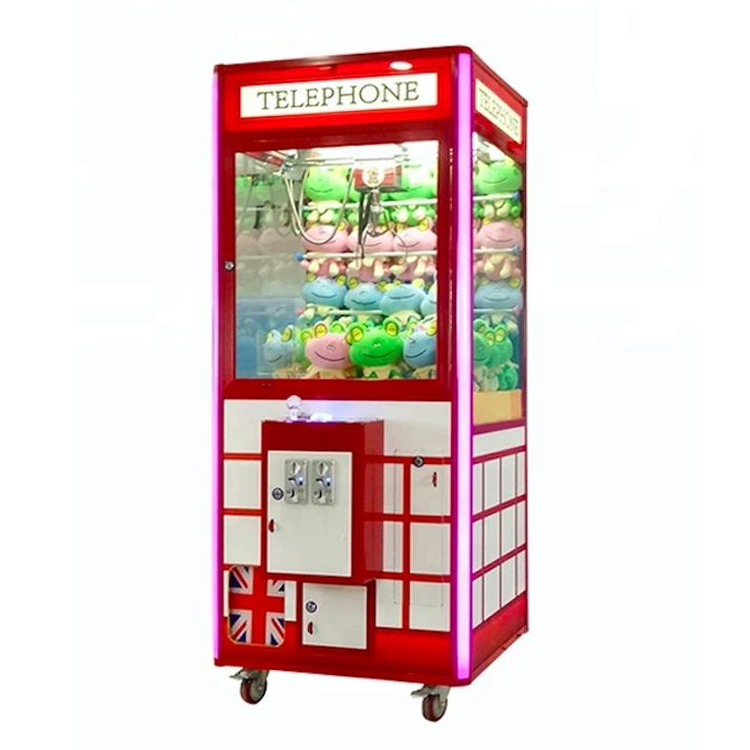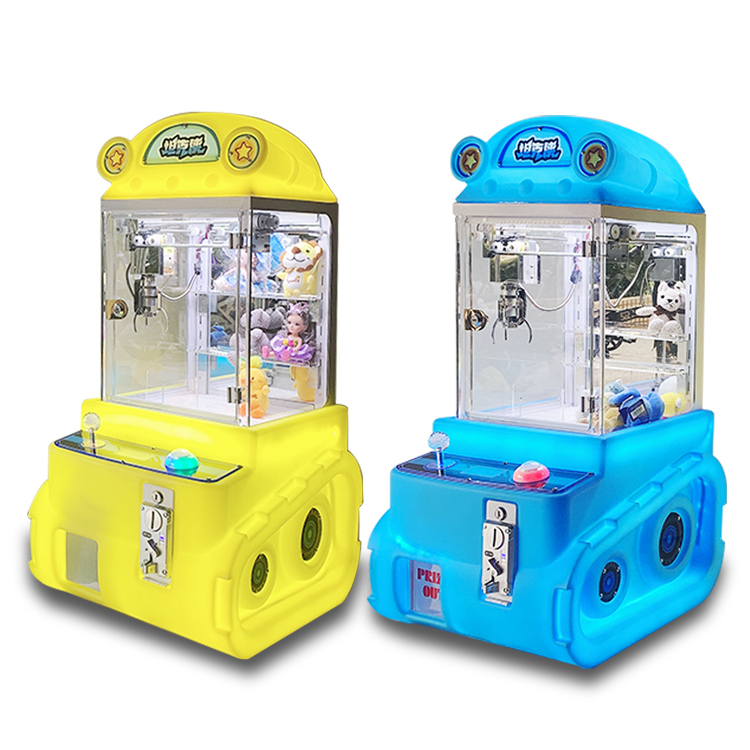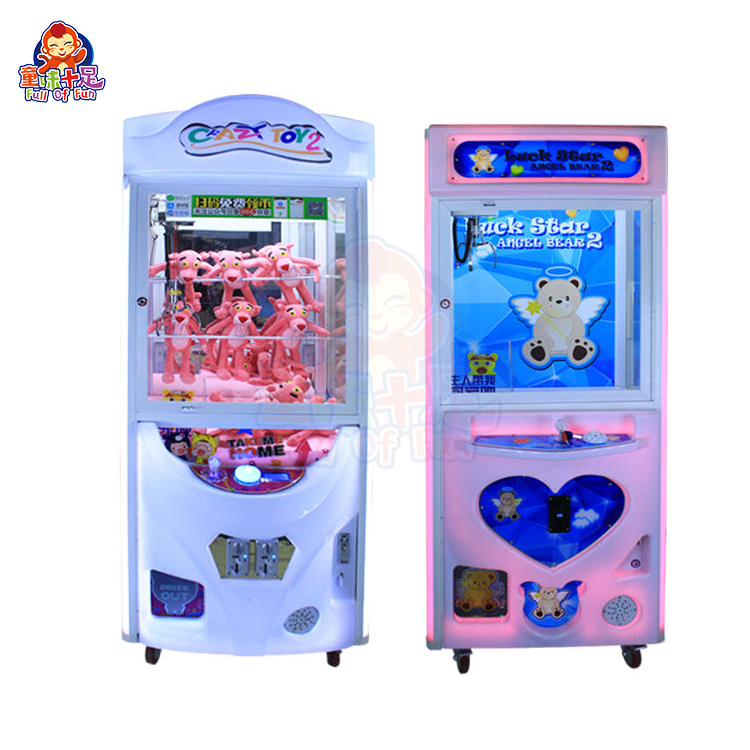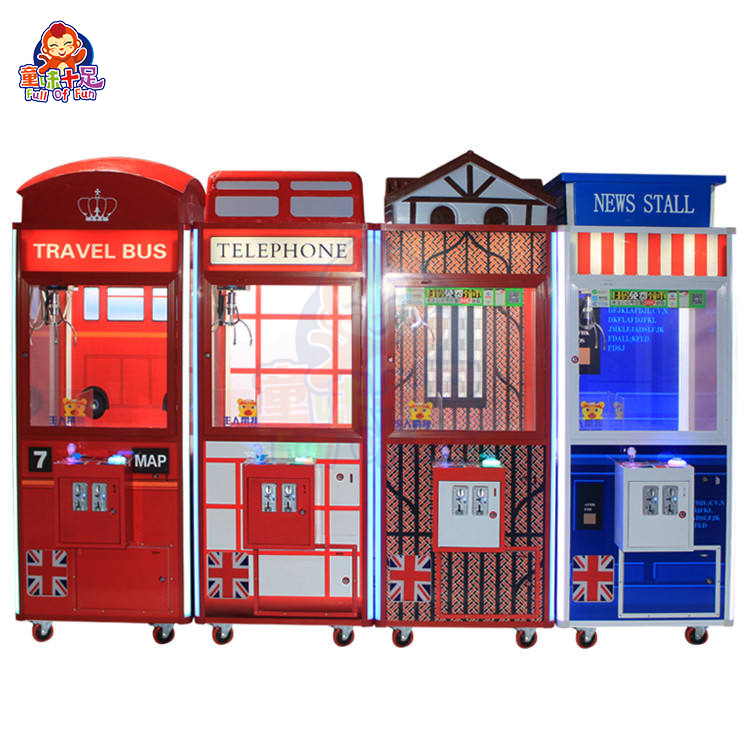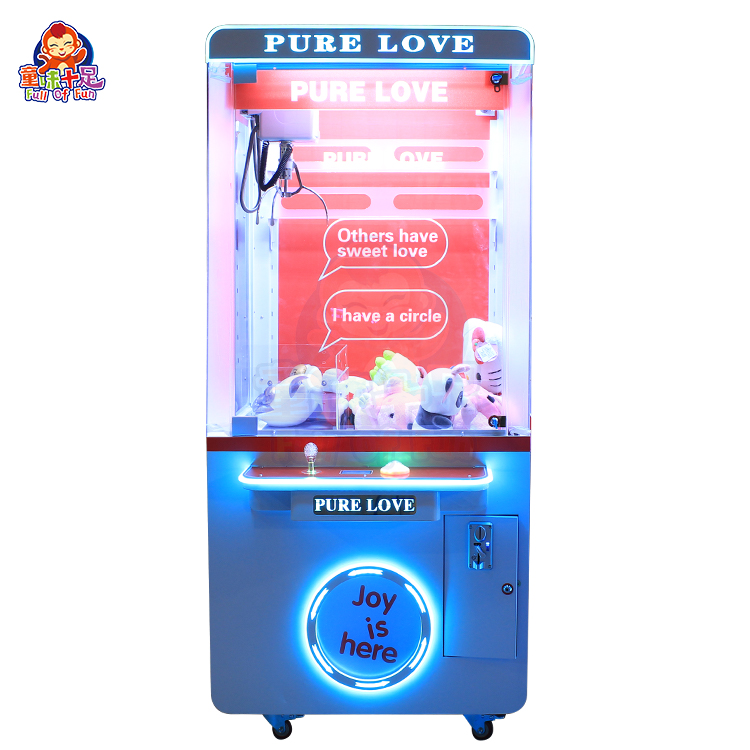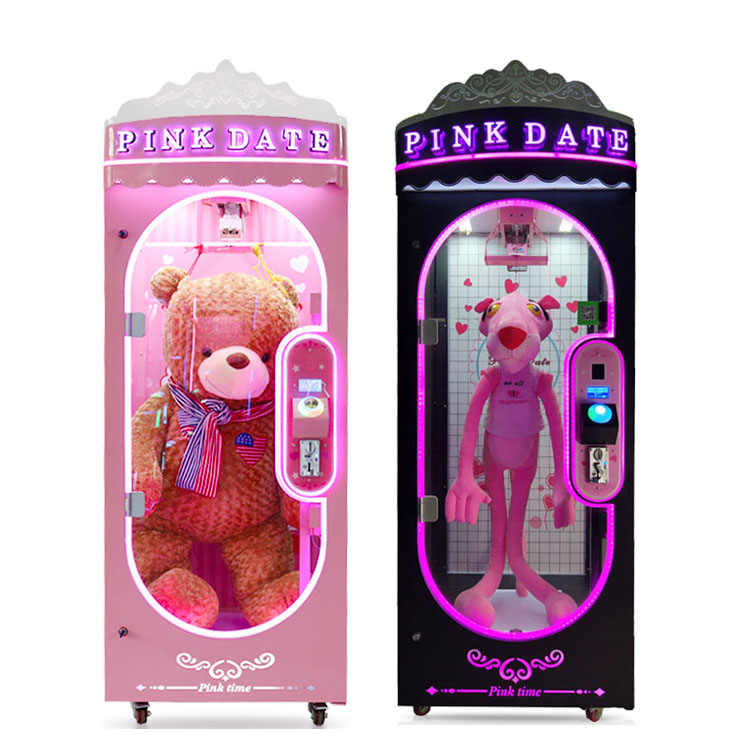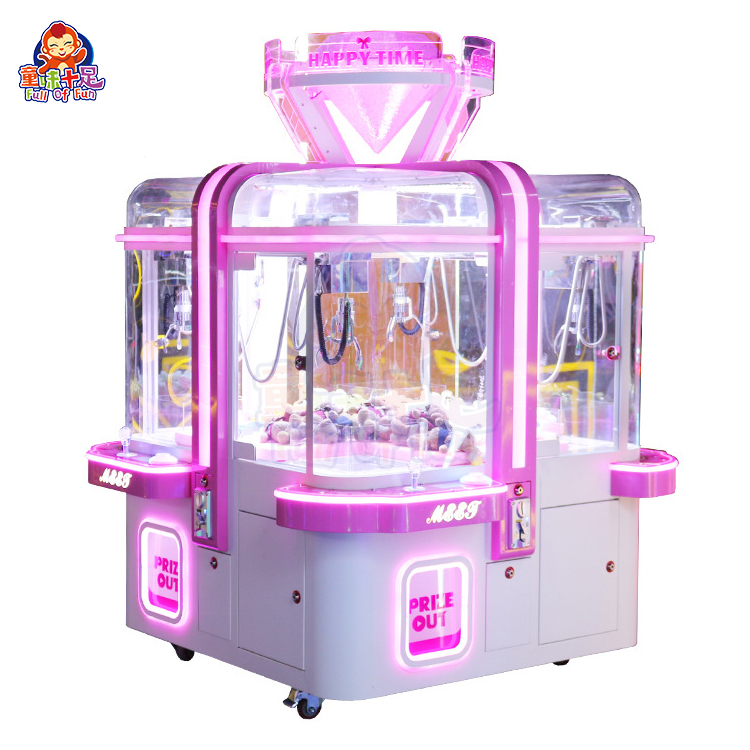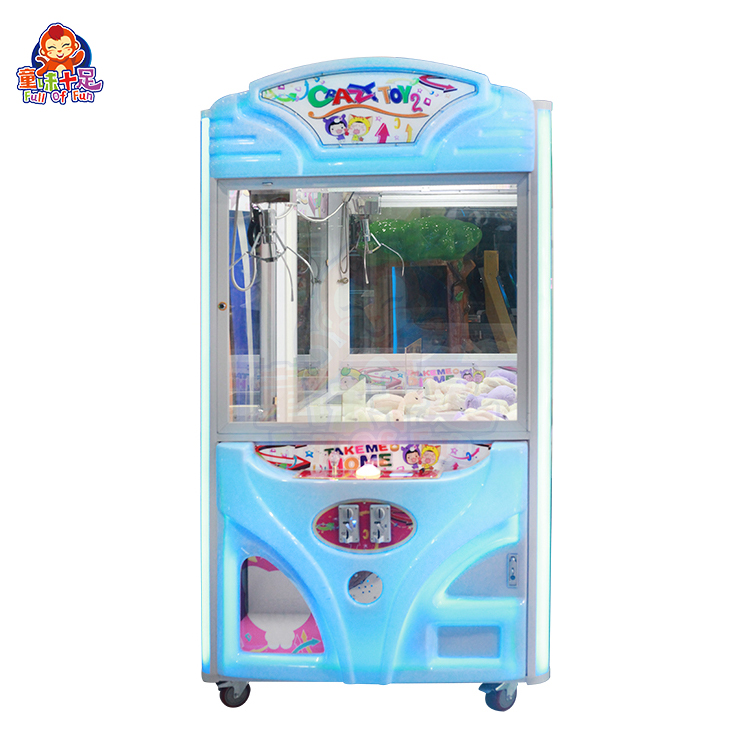

Claw machines, also known as claw crane machines, claw games, or arcade claw machines, are one of the most recognizable amusement machines in arcades and family entertainment venues. With a transparent cabinet, colorful prizes, a joystick, and a mechanical claw, these machines create a simple but engaging game experience that encourages players to try repeatedly.
For businesses, claw machines are more than just arcade games. They can be a practical revenue-generating entertainment product for shopping malls, arcades, family entertainment centers, supermarkets, restaurants, cinemas, hotels, amusement parks, and other high-traffic commercial locations.
However, starting a claw machine business requires more than simply purchasing a machine and placing it in a venue. Operators need to understand machine types, purchase costs, prize costs, game pricing, location selection, maintenance, payment systems, and customer behavior. Choosing the right claw machine manufacturer and configuring the machine for the target market are also important factors in long-term operation.
This guide explains everything B2B buyers and amusement operators should know before investing in claw machines.
What Is a Claw Machine?
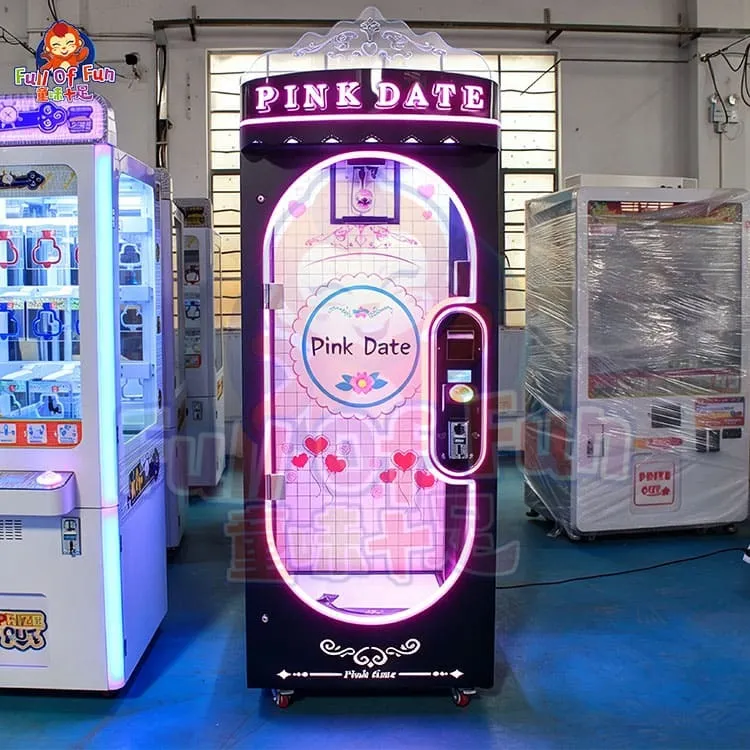
A claw machine is an arcade amusement machine that allows players to control a mechanical claw and attempt to pick up prizes inside a transparent cabinet. The player normally uses a joystick to move the claw horizontally and buttons or controls to lower and activate it.
A typical commercial claw machine includes a cabinet, transparent panels, a mechanical claw, motors, control boards, joystick controls, LED lighting, speakers, a prize area, and a payment system.
The gameplay is straightforward. A player inserts a coin, token, bill, card, or completes a digital payment. The player then controls the claw and attempts to grab one of the prizes. If the claw successfully carries the prize to the collection chute, the player receives it.
This simple operating process makes claw machines easy to understand, which is one of the main reasons they are popular with both children and adults.
Modern claw machines can also include digital displays, RGB lighting, customized cabinets, cashless payment systems, touchscreen controls, remote management systems, and other features designed for commercial operation.
Why Are Claw Machines Good for Business?
One of the main advantages of claw machines is their relatively simple business model.
Unlike some amusement attractions that require trained staff, large spaces, or complicated operating procedures, a claw machine can normally operate with limited supervision. Once the machine is installed and properly configured, the operator mainly needs to refill prizes, collect revenue, perform routine maintenance, and monitor performance.
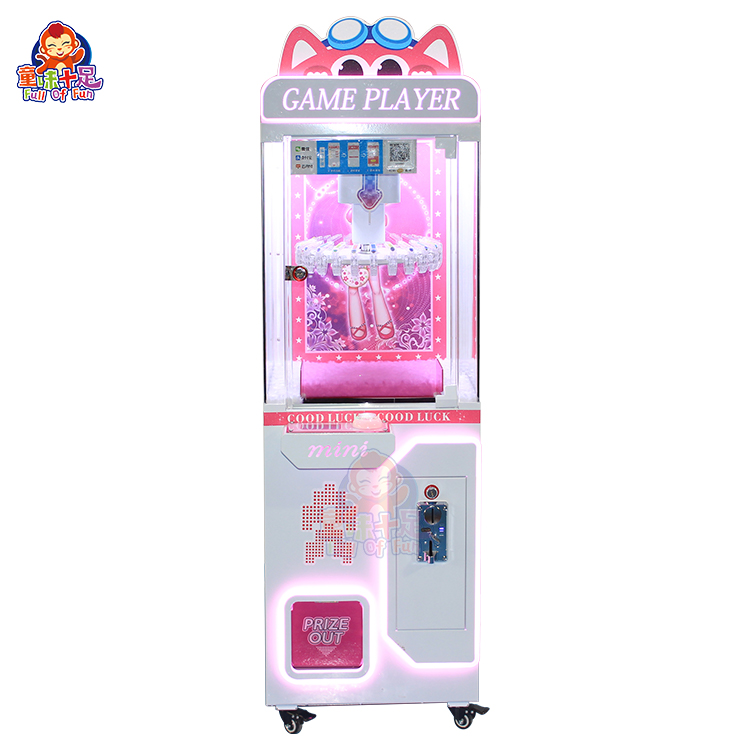
Another advantage is the machine’s visual appeal. The transparent cabinet allows customers to see the prizes before playing. Colorful plush toys, collectibles, electronics accessories, and other attractive prizes can make the machine highly visible in a busy commercial environment.
Claw machines also encourage repeat play. A player who almost wins a prize may decide to try again, while successful players may continue playing for additional prizes.
For B2B operators, this creates opportunities to generate recurring revenue from a relatively compact piece of equipment.
How Much Does a Claw Machine Cost?
The cost of a claw machine varies depending on its size, design, materials, claw mechanism, payment system, electronics, lighting, customization, and manufacturer.
For commercial buyers, an entry-level machine may cost several hundred dollars, while larger, premium, or customized models can cost more than $1,000 or significantly more depending on the specifications.
The machine purchase price is only one part of the total investment. Buyers should also consider shipping, import duties, taxes, prize inventory, payment systems, installation, maintenance, and replacement parts.
For example, an international buyer may need to calculate:
Machine Cost + Packaging + Freight + Insurance + Import Duties + Taxes + Local Delivery
This is known as the landed cost and provides a more realistic picture of the investment required.
When requesting a quotation from a claw machine manufacturer, buyers should ask for detailed specifications and confirm whether the quotation includes accessories, spare parts, packaging, and shipping.
How Much Money Can a Claw Machine Make?
The revenue potential of a claw machine depends heavily on location and player traffic.
For example, suppose a machine charges $2 per game and receives 50 plays per day:
$2 × 50 = $100 daily revenue
If the machine operates for 30 days:
$100 × 30 = $3,000 monthly gross revenue
However, this is gross revenue rather than net profit. Operators must deduct prize costs, venue rent or revenue sharing, payment processing fees, electricity, transportation, maintenance, taxes, and other operating expenses.
A simple profitability formula is:
Net Profit = Game Revenue − Prize Costs − Location Costs − Operating Expenses
Therefore, there is no universal answer to how much money a claw machine can make. A machine in a high-traffic shopping mall may perform very differently from the same machine installed in a low-traffic location.
Location selection is often one of the most important factors determining the return on investment.
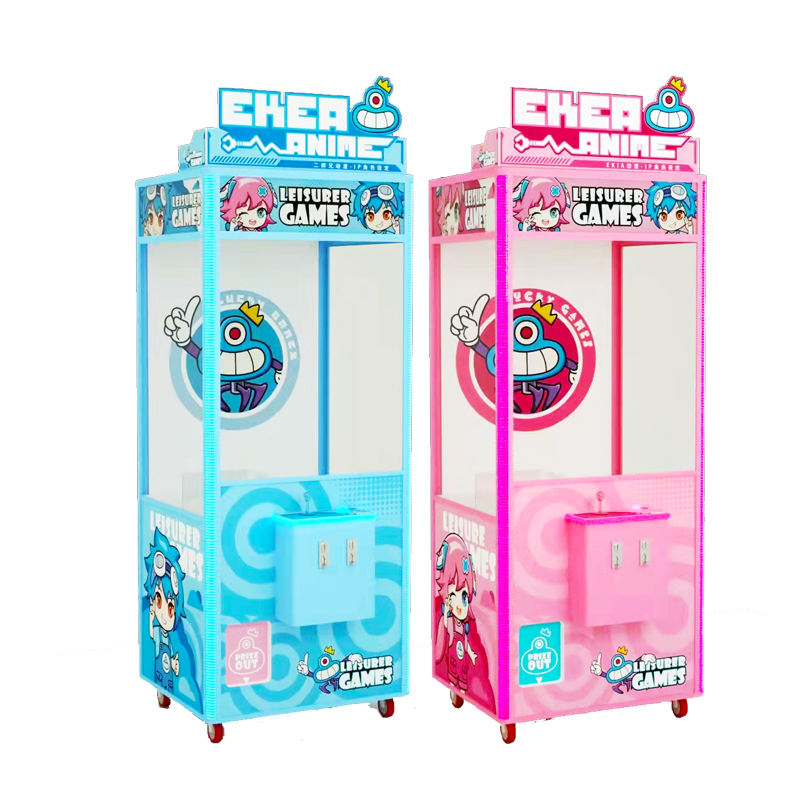
Best Locations for Claw Machines
The best location depends on the target customers and local market conditions. However, several types of venues are particularly suitable for claw machines.
Shopping Malls
Shopping malls provide high pedestrian traffic and are often visited by families, teenagers, and young adults. Claw machines can be placed near entertainment areas, cinemas, food courts, children’s zones, or entrances.
A visually attractive machine can capture attention from people passing by and encourage impulse purchases.
Arcades and Family Entertainment Centers
Arcades and family entertainment centers are natural locations for claw machines because customers are already willing to spend money on games.
Operators can install several machines with different prize themes to create a dedicated claw machine area.
Supermarkets
Supermarkets can place claw machines near entrances, exits, children’s areas, or waiting zones. They can provide additional entertainment without requiring significant floor space.
Restaurants
Family restaurants can use claw machines to entertain children while customers wait for their food. Smaller machines may be particularly suitable for restaurants with limited space.
Cinemas and Bowling Centers
Cinemas and bowling centers already attract customers who are looking for entertainment. Adding claw machines can increase the range of activities available before or after the main entertainment experience.
Hotels and Resorts
Hotels and resorts may install claw machines in recreational areas, lobbies, game rooms, or children’s entertainment zones.
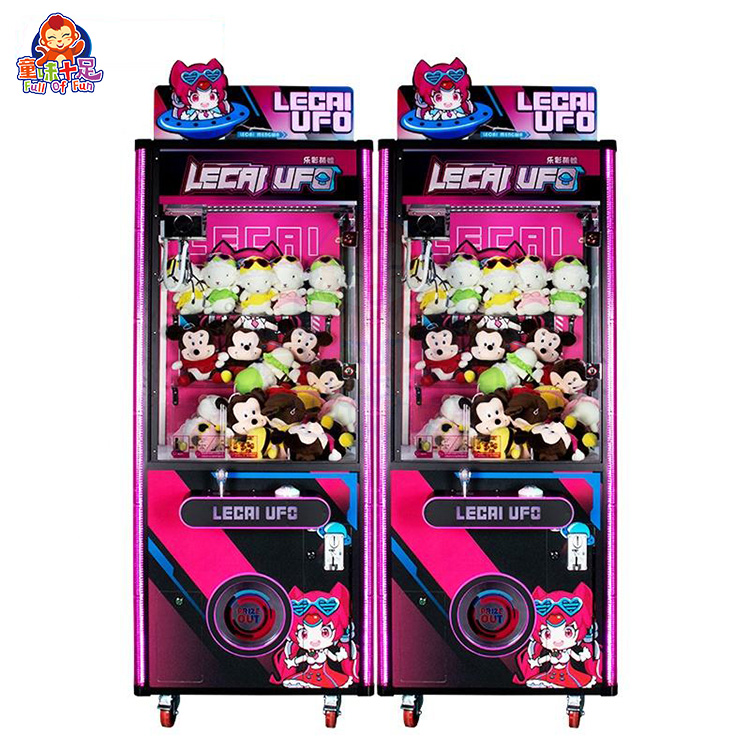
Different Types of Claw Machines
There are many different claw machine designs available, and the best option depends on the venue and target market.
Standard Claw Machines
Standard claw machines are designed for general commercial use. They can accommodate various types of prizes and are suitable for arcades, malls, supermarkets, and family entertainment centers.
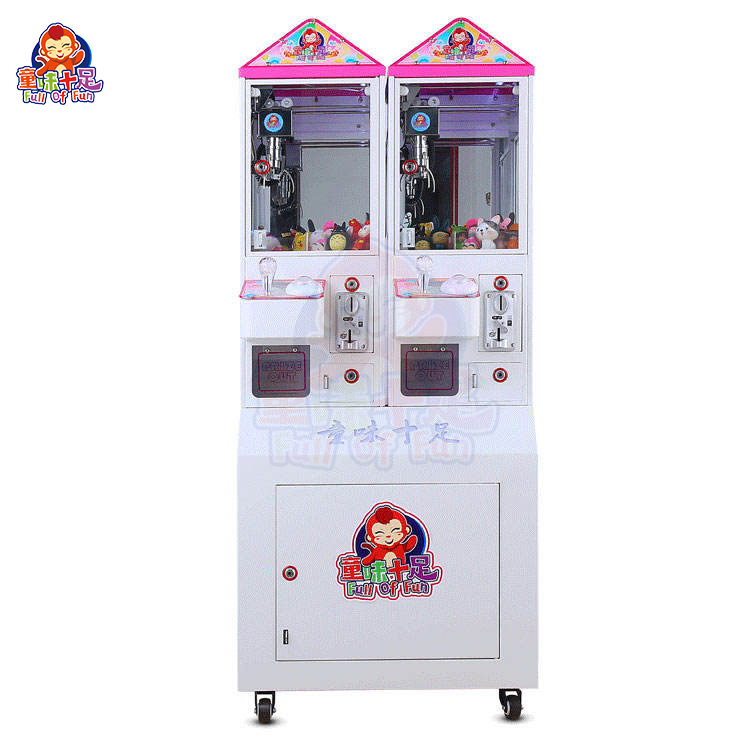
Mini Claw Machines
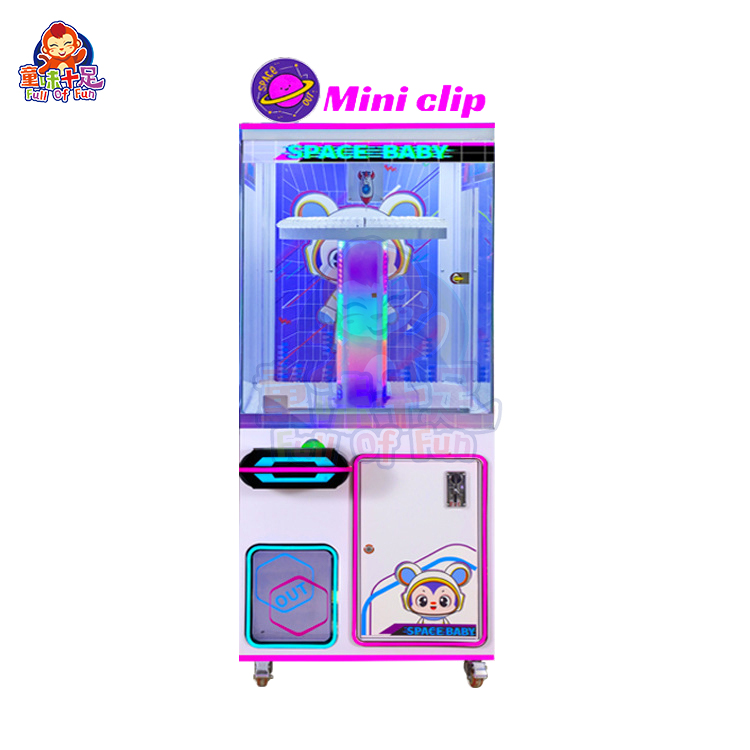
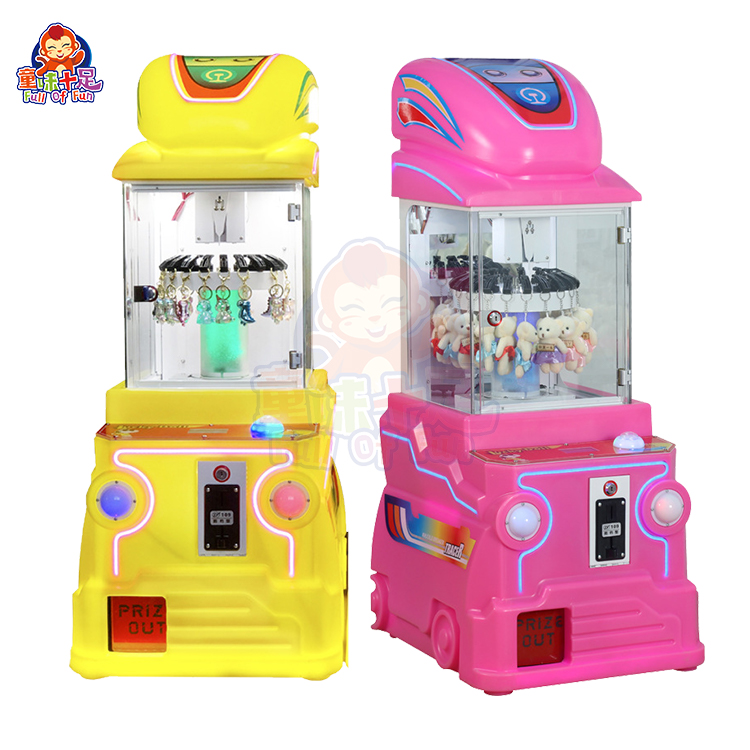
Mini claw machines are designed for locations where floor space is limited. Their smaller size makes them suitable for restaurants, retail stores, convenience stores, and smaller entertainment venues.
Large Claw Machines
Large claw machines provide a stronger visual presence and generally have a larger prize area. They are often suitable for major arcades, shopping malls, and large family entertainment centers.
Customized Claw Machines
Customized machines allow operators and distributors to modify the appearance and functionality of the machine.
Customization may include:
- Company logo
- Cabinet graphics
- Colors
- LED lighting
- Display screens
- Payment systems
- Prize configuration
- Control interface
- Cabinet dimensions
- Packaging
For distributors and amusement brands, customized claw machines can help create a consistent visual identity across multiple locations.
How to Choose the Right Claw Machine
B2B buyers should evaluate several factors before purchasing.
1. Cabinet Quality
The cabinet should be designed for commercial use and frequent operation. Buyers should check the materials, transparent panels, doors, locks, internal structure, wheels, and overall construction.
A strong cabinet can help reduce damage and maintenance problems during long-term operation.
2. Claw Mechanism
The claw is one of the most important components of the machine.
Buyers should evaluate the claw’s movement, motor quality, gripping performance, durability, and adjustment options.
A good commercial claw mechanism should provide stable movement and allow operators to configure game settings according to different prizes.
3. Control System
The control board manages the machine’s movement, game settings, lighting, sound, and other functions.
Before purchasing, buyers should ask whether the control system supports adjustable settings and whether replacement components are available.
4. Payment System
Payment compatibility is particularly important for international buyers.
Common payment options include:
- Coin acceptors
- Bill acceptors
- Token systems
- Card readers
- QR payments
- Cashless payment systems
The payment system should match the target market and venue.
5. Prize Capacity
Prize capacity affects how frequently operators need to refill the machine.
A larger prize area can reduce refill frequency, but prizes should still be displayed attractively so customers can easily see them.
6. Lighting and Visual Design
LED lighting can make claw machines more noticeable in crowded entertainment environments.
RGB lighting, illuminated signs, digital displays, and customized graphics can improve the machine’s visual appeal and help it stand out from other arcade equipment.
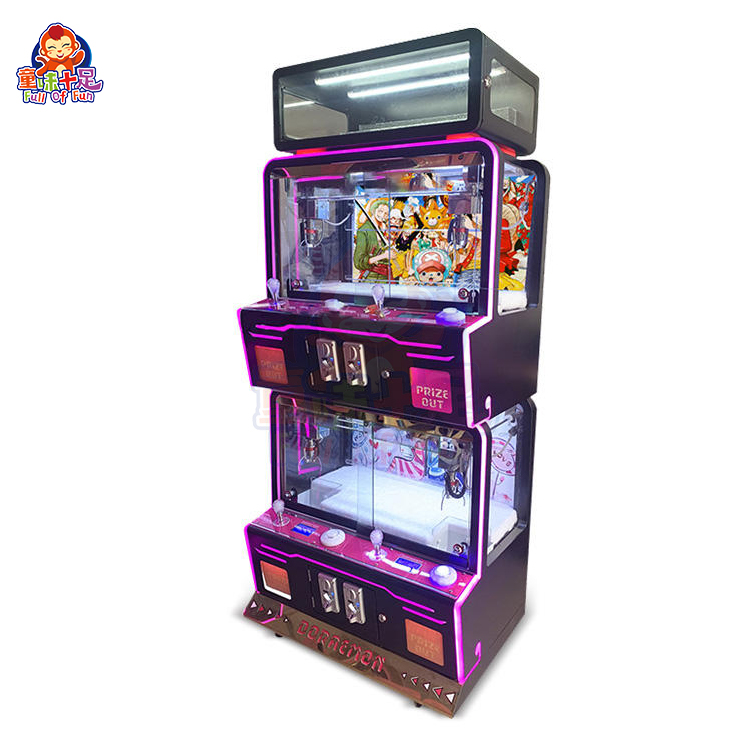
What Prizes Can Be Used in Claw Machines?
Prize selection plays an important role in the performance of a claw machine.
Common prize categories include:
- Plush toys
- Keychains
- Small collectibles
- Character merchandise
- Electronics accessories
- Toys
- Promotional products
- Seasonal merchandise
The best prize depends on the target customers.
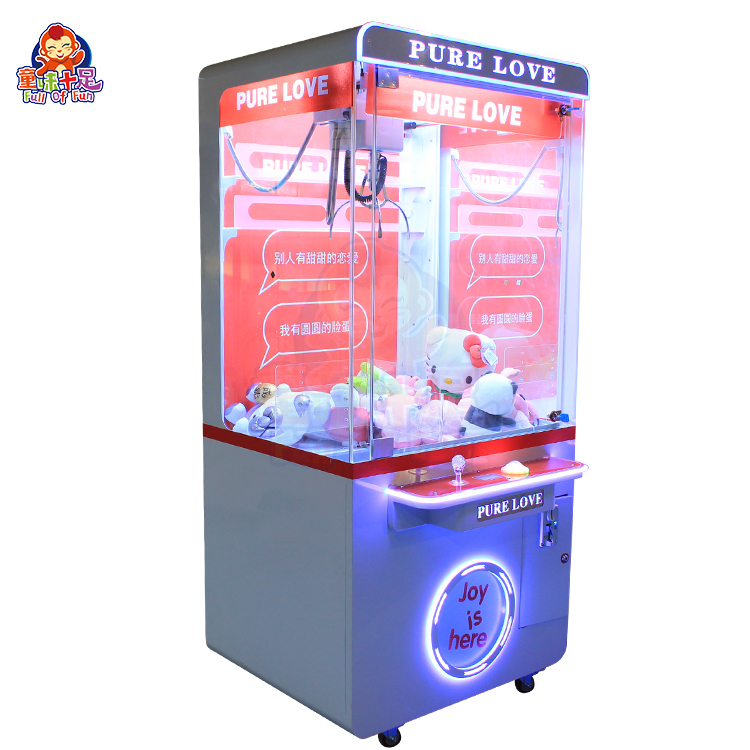
For example, a family entertainment center may focus on plush toys and children’s products, while an arcade targeting teenagers and young adults may use collectibles, branded merchandise, or trendy products.
Operators should also consider the size and weight of prizes. A prize that is too large or heavy may be difficult for the claw mechanism to pick up consistently.
How Should Claw Strength Be Adjusted?
Claw strength is one of the most important operating settings.
If the claw is too weak, players may feel that winning is impossible and stop playing. If it is too strong, prizes may be won too frequently, increasing prize costs.
The goal is to create an enjoyable experience while maintaining a sustainable business model.
Operators should consider:
- Game price
- Prize cost
- Prize size
- Prize weight
- Number of plays
- Customer behavior
- Local competition
Rather than using the same settings for every location, experienced operators can adjust the machine according to actual performance data.
OEM and ODM Claw Machine Services
For distributors, amusement operators, and businesses purchasing multiple machines, OEM and ODM services can provide additional flexibility.
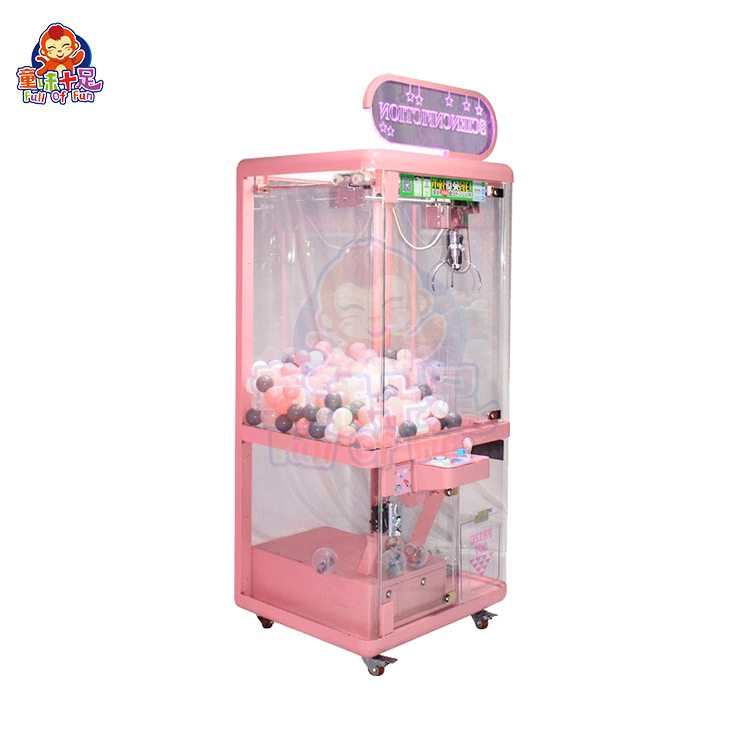
A professional claw machine manufacturer may offer customized cabinets, logos, artwork, lighting systems, payment solutions, software interfaces, prize configurations, and packaging.
OEM manufacturing can be particularly useful for distributors that want to sell machines under their own brand.
Before confirming an OEM order, buyers should discuss minimum order quantities, sample approval, production schedules, packaging requirements, warranty terms, and spare parts.
A clear agreement at the beginning can reduce misunderstandings during mass production.
How to Choose a Claw Machine Manufacturer
Selecting a reliable manufacturer is one of the most important purchasing decisions for B2B buyers.
The cheapest quotation is not always the best option. Buyers should consider the complete supplier package, including product quality, production capability, technical support, customization, warranty, and spare parts.
Factory Experience
Ask whether the supplier is a manufacturer or trading company. Buyers can request factory information, production photos, videos, product catalogs, and other evidence of manufacturing capability.
Quality Control
A professional manufacturer should have a quality control process covering component inspection, assembly, testing, and final inspection.
Certifications
Depending on the destination country, buyers may need compliance documents such as CE, RoHS, or other applicable certifications.
Always confirm that the certification documents correspond to the specific machine model being purchased.
Spare Parts
Arcade machines contain mechanical and electronic components that may eventually require replacement.
A reliable supplier should be able to provide spare parts such as claws, motors, joysticks, control boards, lights, locks, and other components.
After-Sales Support
Technical support is especially important for international buyers.
Before placing an order, clarify warranty coverage, troubleshooting support, replacement parts, repair procedures, and communication methods.
How to Increase Claw Machine Revenue
Purchasing a good machine is only the beginning. Effective operation can have a major impact on revenue.
First, choose prizes that match the local audience. Attractive prizes can increase the number of people willing to try the machine.
Second, refresh prizes regularly. Even if the machine continues working correctly, customers may lose interest if the same prizes remain inside for a long time.
Third, monitor performance. Operators should track revenue, number of plays, prize costs, maintenance expenses, and location performance.
For businesses operating multiple machines, these data points can reveal which locations and prize categories perform best.
Operators can then move underperforming machines, adjust game pricing, change prizes, or modify game settings.
Is a Claw Machine Business Worth Starting?
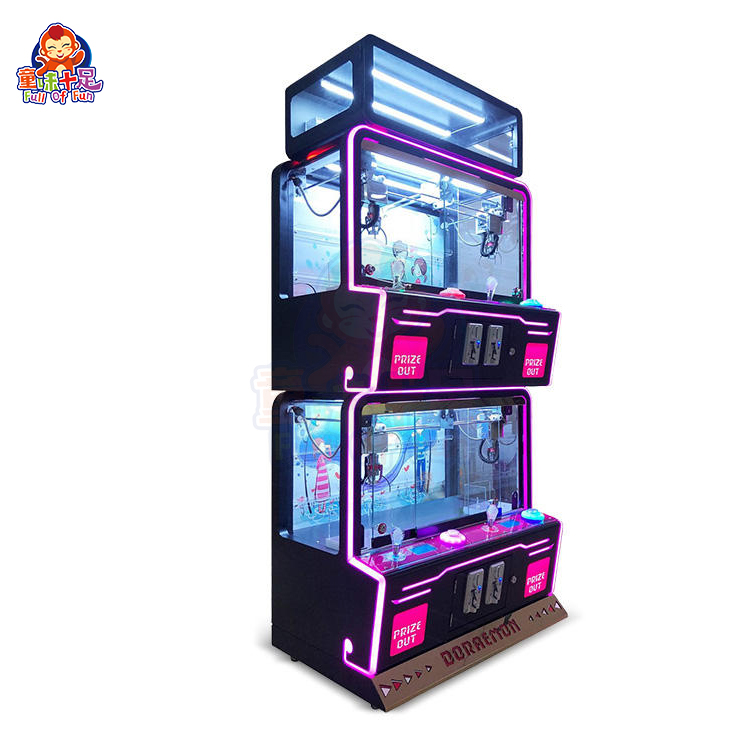
A claw machine business can be an attractive option for entrepreneurs, amusement operators, retailers, and distributors because the machines are relatively compact, visually appealing, and capable of generating repeated transactions.
However, success is not guaranteed simply because a machine is installed.
The key factors are:
Location + Foot Traffic + Game Price + Prize Selection + Machine Quality + Operating Costs
A high-quality machine placed in a poor location may generate less revenue than a standard machine located in a busy entertainment venue.
For this reason, operators should treat claw machines as part of a broader business model rather than as standalone equipment.
Conclusion
Claw machines remain a popular commercial amusement product because they combine simple gameplay, attractive prizes, compact equipment design, and repeat-play potential.
For B2B buyers, selecting the right machine requires careful consideration of cabinet construction, claw mechanism, payment system, prize capacity, lighting, customization, certifications, spare parts, warranty, and technical support.
Operators should also pay close attention to location, prize selection, game pricing, and machine settings after installation. These factors can have a significant impact on revenue and long-term profitability.
Whether you are an arcade operator, family entertainment center, distributor, shopping mall, restaurant, hotel, or amusement business, choosing a reliable claw machine manufacturer can help you build a more stable and scalable operation.
The best claw machine is not necessarily the cheapest model. Instead, buyers should look for the right balance between machine quality, player experience, operating cost, customization, reliability, and long-term business value.