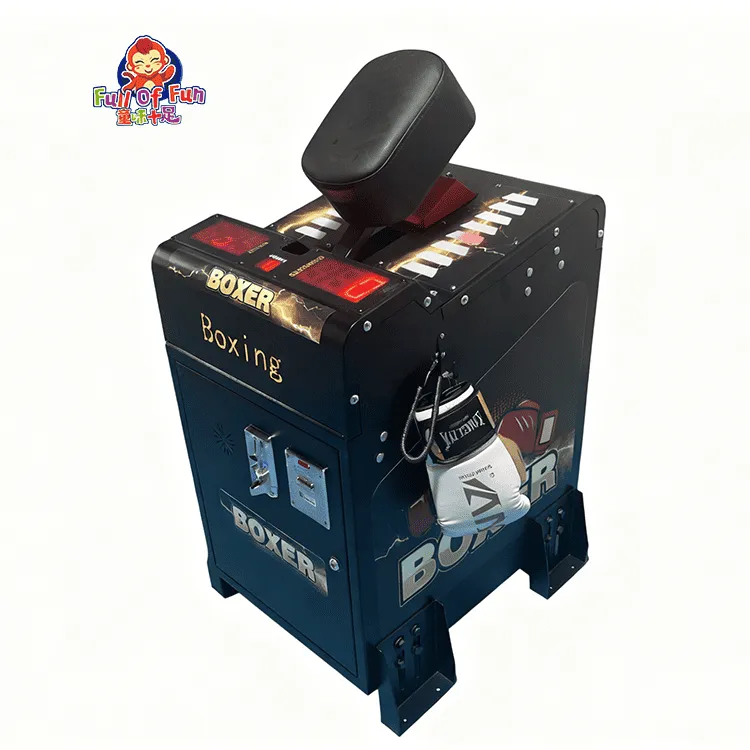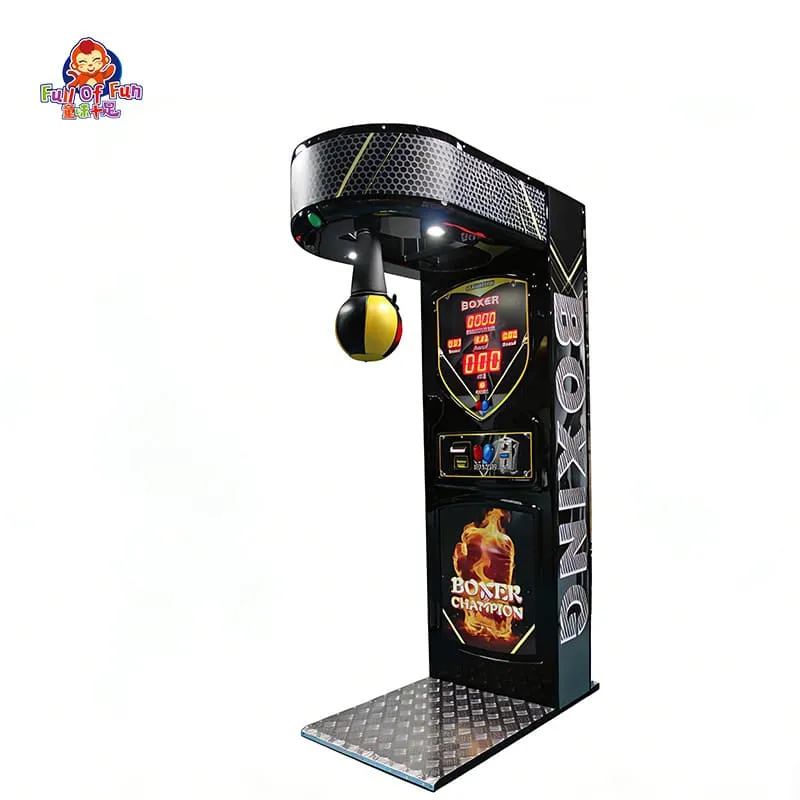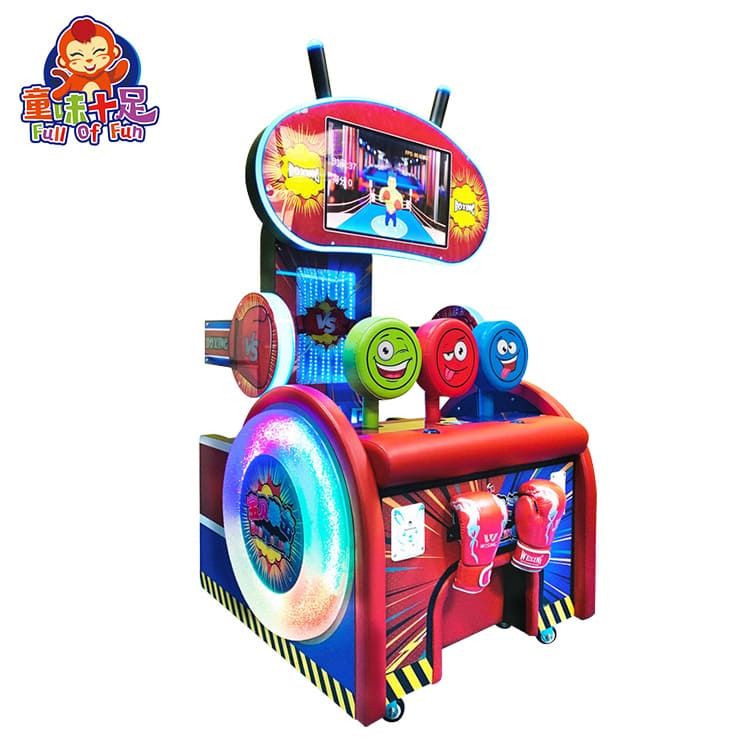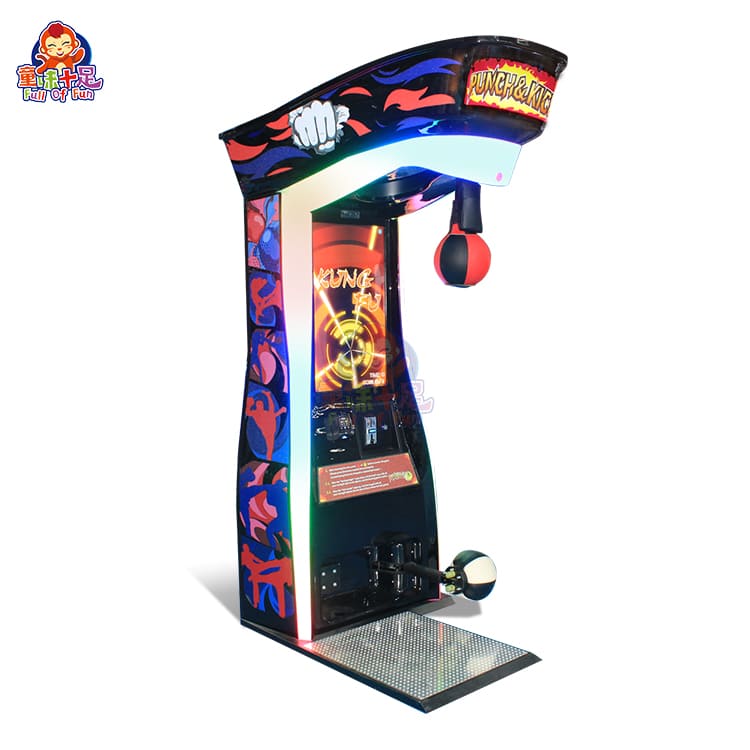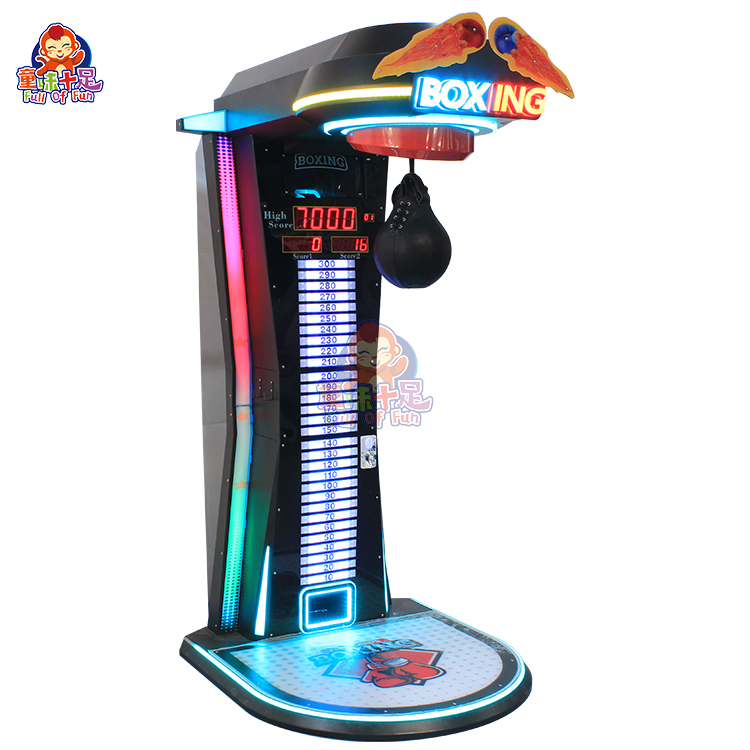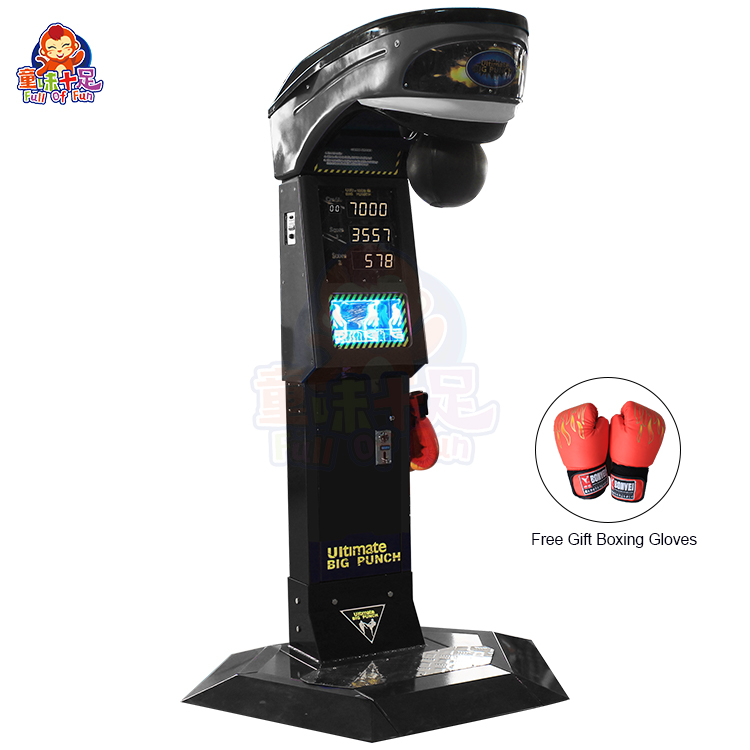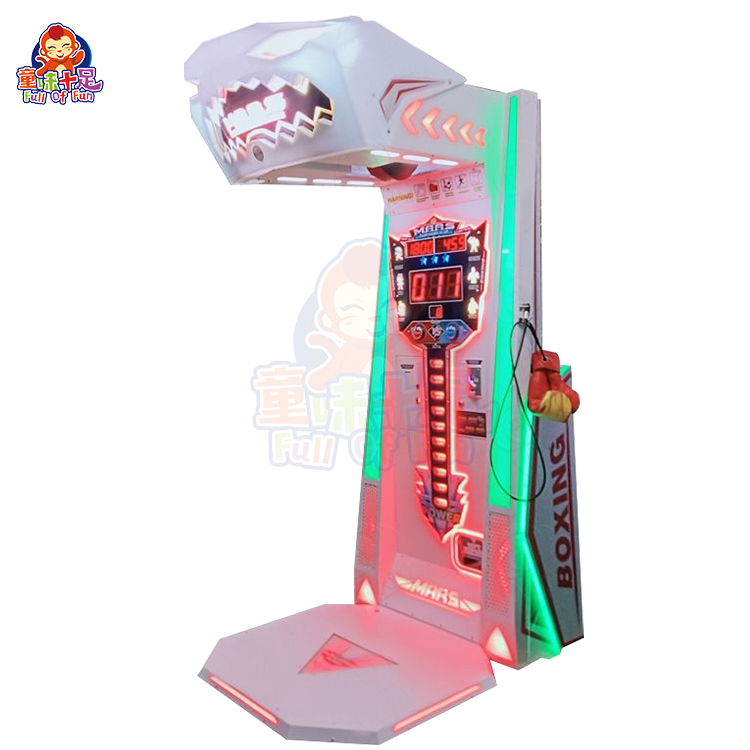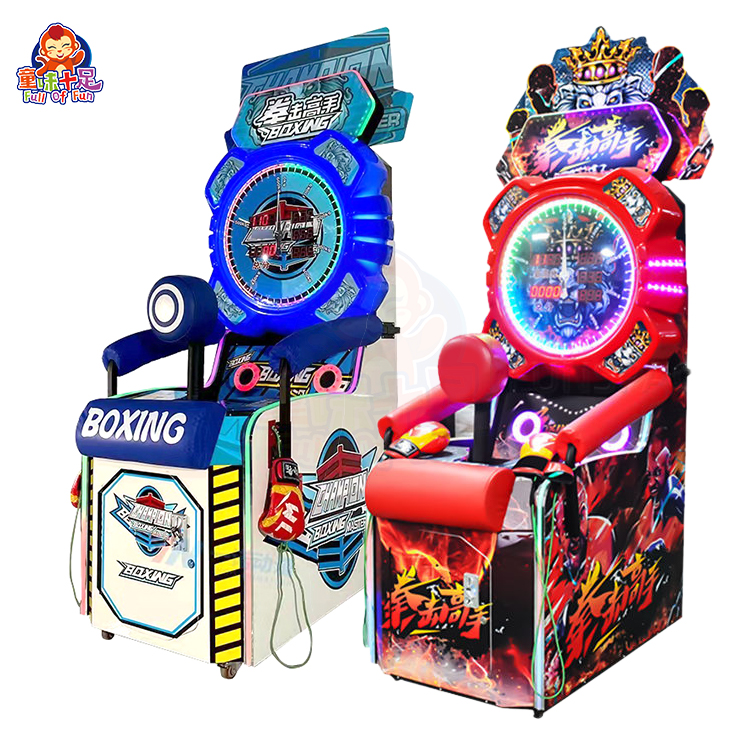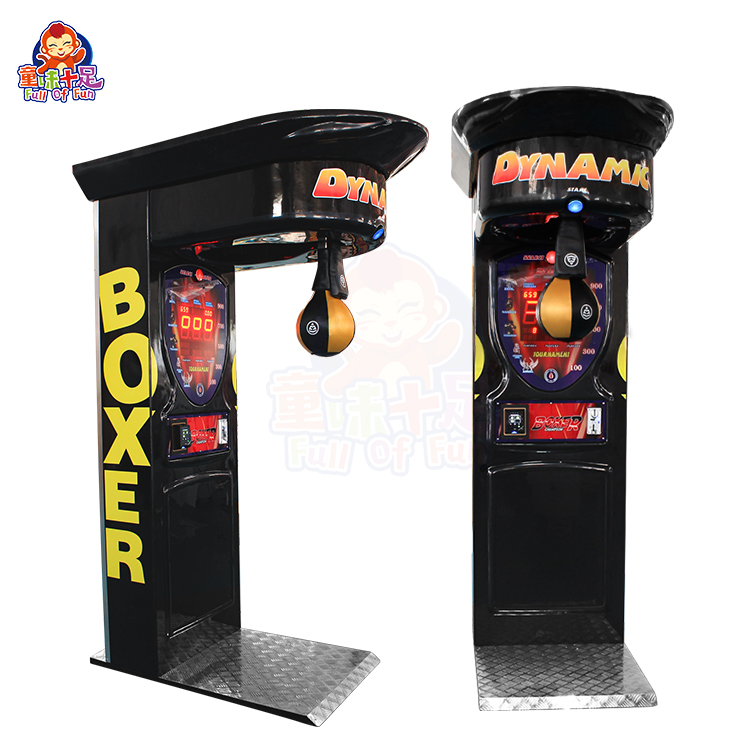
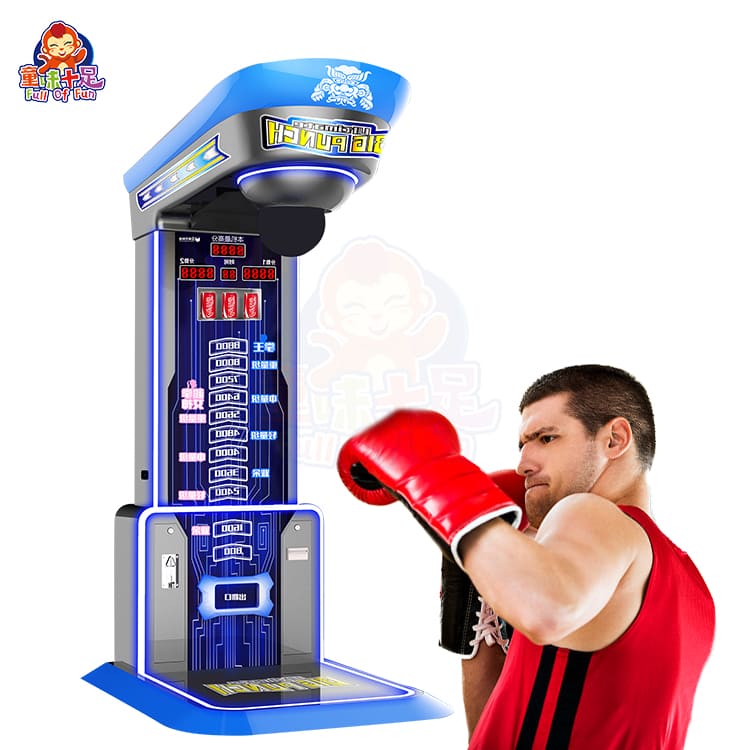

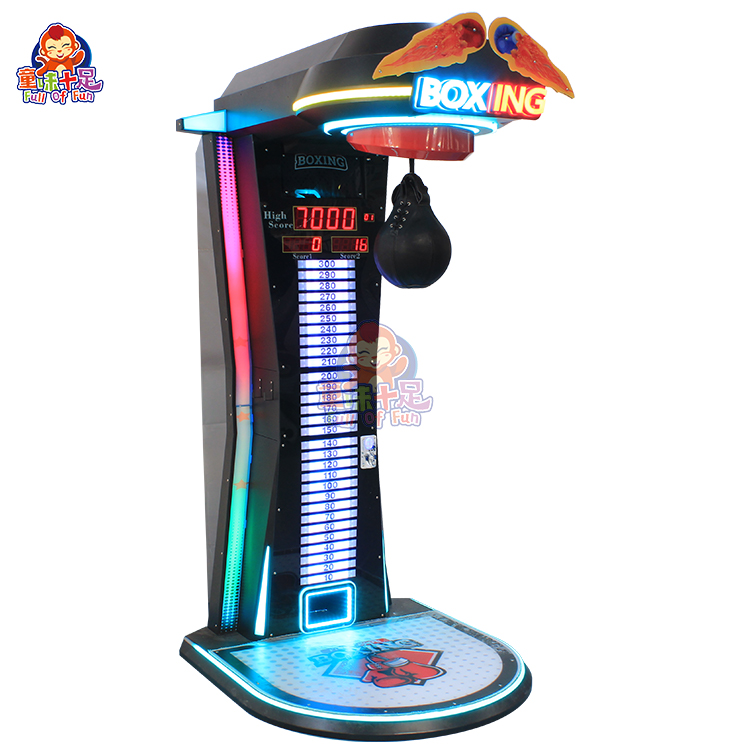
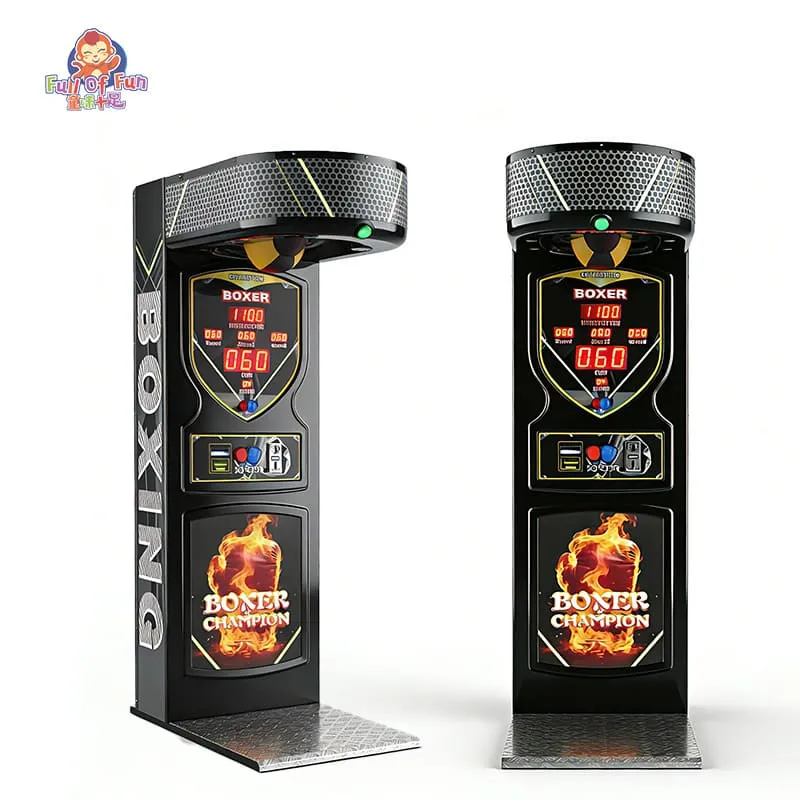
A boxing machine business can be an attractive opportunity for entrepreneurs looking to enter the arcade and amusement equipment market. Unlike traditional arcade games that mainly rely on visual or button-based interaction, boxing machines provide a physical and competitive experience. Players can test their punching power, challenge friends, and try repeatedly to achieve a higher score.
For operators, the appeal is relatively simple: the machine can operate with limited staff involvement, requires a relatively small amount of floor space, and can generate revenue from repeated short-duration plays. However, purchasing a boxing machine is only one part of the business. Location, customer traffic, pricing, machine quality, maintenance, and operating strategy all have a major influence on profitability.
Is a Boxing Machine Business Profitable?
The profitability of a boxing machine business depends heavily on where and how the machine is operated. A high-quality machine placed in a busy entertainment venue can potentially generate much more revenue than the same machine installed in a location with limited customer traffic.
The basic business model is straightforward. An operator purchases or leases a boxing machine, places it in a suitable venue, and charges customers for each game. Depending on the market, customers may pay through coins, tokens, cards, QR payments, or other cashless systems.
Because a typical boxing game only takes a short amount of time, one machine can potentially serve many customers throughout the day. The competitive nature of the game can also encourage repeat plays, especially when customers want to beat their previous scores.
However, operators should not assume that every machine will automatically produce high profits. The location and customer profile are usually more important than the machine itself.
How Much Does a Boxing Machine Cost?
The initial cost of a boxing machine varies depending on the machine’s design, materials, sensor system, display, payment system, customization, and manufacturer.
Basic commercial boxing machines are generally designed around essential functions such as punching detection, scoring, lighting, and payment. Higher-end models may include larger displays, stronger cabinets, advanced lighting effects, multiple game modes, customized software, and cashless payment systems.
For businesses purchasing directly from manufacturers, the machine price is only part of the total investment. Buyers should also consider:
- Shipping and transportation
- Import duties and taxes
- Payment system costs
- Installation
- Spare parts
- Maintenance
- Venue rental or revenue sharing
- Marketing expenses
- Insurance and other operating costs
A low purchase price does not necessarily mean a better investment. A machine that requires frequent repairs or has poor sensor accuracy can create additional costs and reduce customer satisfaction.
Revenue Potential of a Boxing Machine
Revenue depends primarily on the number of paid plays per day and the price charged per play.
For example, suppose an operator charges $2 per game and the machine receives 30 paid plays per day. The gross daily revenue would be approximately $60.
At 30 days per month:
$60 × 30 = $1,800 in gross monthly revenue
If the machine receives 60 paid plays per day at the same price:
$2 × 60 × 30 = $3,600 per month
These figures are only examples rather than guaranteed results. Actual revenue can vary significantly depending on location, local pricing, seasonality, customer traffic, and competition.
The key metric for operators is therefore not simply the machine’s purchase price, but the relationship between daily plays, game price, operating costs, and initial investment.
Choosing the Right Location
Location is one of the most important factors in a boxing machine business.
A machine needs visibility and sufficient customer traffic. Places such as shopping malls, arcades, family entertainment centers, cinemas, bowling centers, amusement parks, bars, restaurants, hotels, and entertainment complexes can provide potential opportunities.
However, high traffic alone is not enough. The customers must also be willing to spend money on interactive entertainment.
For example, a shopping mall may have thousands of visitors every day, but if the machine is hidden in a low-traffic corner, its actual performance may be disappointing.
A good location should ideally offer:
- High pedestrian traffic
- Strong visibility
- Suitable customer demographics
- Enough floor space
- Easy access to electricity
- Good lighting
- Safe operating conditions
- Reasonable rental or revenue-sharing costs
Before installing a machine, operators should observe customer behavior at the proposed location rather than relying only on estimated visitor numbers.
Revenue-Sharing vs. Self-Operated Locations
There are two common ways to operate boxing machines.
The first is to operate the machine independently. The business owner rents a location and keeps the revenue after paying operating expenses.
The second is a revenue-sharing model. The machine is installed inside an existing business, such as an arcade, bar, restaurant, bowling center, or shopping mall. The venue owner receives an agreed percentage of the revenue.
Revenue sharing can reduce the operator’s fixed rental risk because payments are linked to machine performance. However, the operator usually gives up part of the revenue.
For beginners, partnering with an existing entertainment venue can be an easier way to test demand before investing in multiple machines.
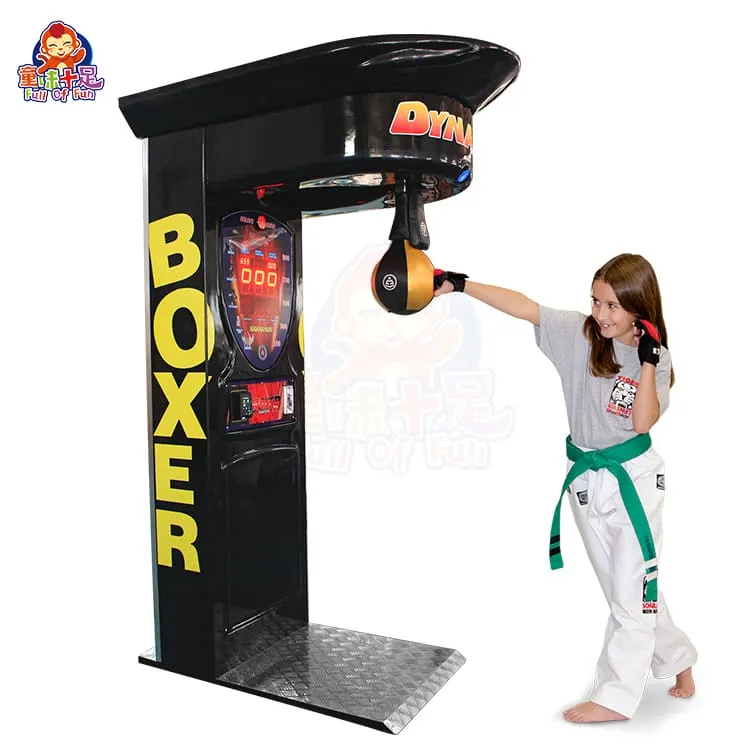
How to Increase Boxing Machine Revenue
Simply installing a machine is not enough. Operators can improve performance through several strategies.
Create Competition
The competitive nature of boxing machines is one of their strongest advantages. High-score rankings, daily challenges, or friendly competitions can encourage players to make additional attempts.
A visible scoreboard can make the game more engaging because people naturally want to compare their performance with others.
Improve Visibility
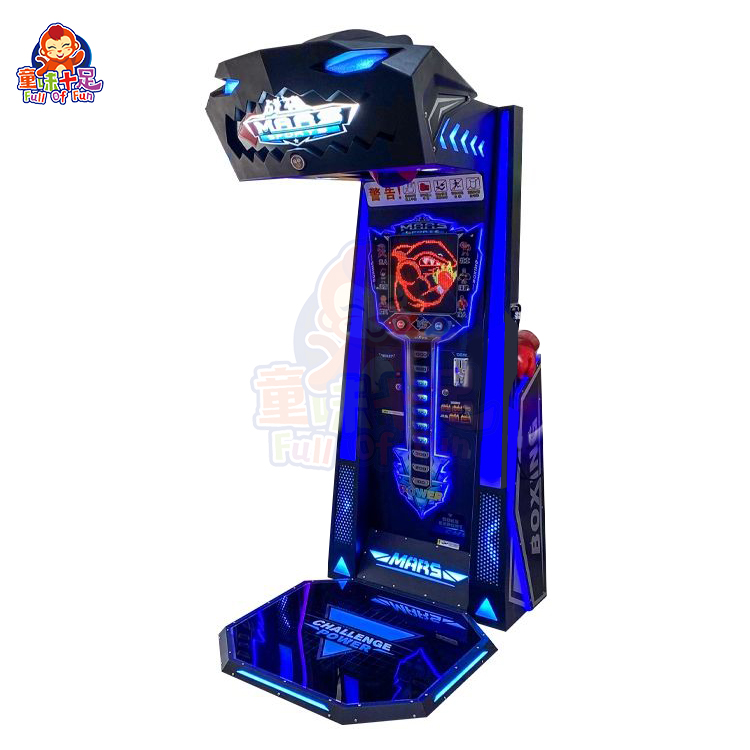
A boxing machine should be positioned where customers can easily see it. LED lighting, colorful graphics, large displays, and attractive cabinet designs can help draw attention.
A machine hidden behind other equipment may receive significantly fewer plays even if the location itself has high traffic.
Adjust Pricing
Pricing should match the local market and customer demographics.
If the price is too high, customers may hesitate to play. If the price is too low, the machine may receive many plays without generating sufficient revenue.
Operators can test different prices and monitor the number of plays to determine the most effective price point.
Use Promotions
Promotional campaigns can encourage first-time customers to try the machine.
Examples include:
- Play once and get another attempt
- Weekend competitions
- High-score rewards
- Group challenges
- Special event pricing
The goal is to increase both initial participation and repeat plays.
Boxing Machine Maintenance
Maintenance has a direct impact on profitability.
Commercial boxing machines may receive hundreds or thousands of impacts over time, so the punching pad, sensor system, mounting structure, display, wiring, and payment system should be inspected regularly.
Operators should also keep commonly replaced components available.
Before purchasing from a manufacturer, ask about:
- Warranty period
- Spare parts availability
- Sensor replacement
- Technical support
- Troubleshooting procedures
- Remote assistance
- Software updates
Reliable after-sales service can reduce downtime and protect long-term revenue.
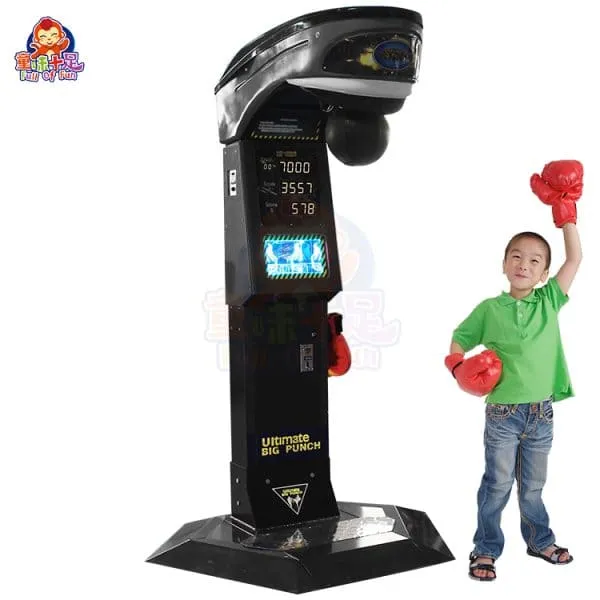
Buying Boxing Machines from China
For distributors, amusement operators, and importers, purchasing boxing machines directly from Chinese manufacturers can provide access to competitive factory pricing and customization options.
China has a large amusement equipment manufacturing industry, and many manufacturers provide OEM and ODM services.
However, buyers should evaluate suppliers carefully instead of comparing only the quoted unit price.
Important factors include manufacturing experience, production capacity, quality control, certifications, product testing, packaging, export experience, warranty policies, and spare parts support.
For a first order, requesting a sample machine can be a practical way to evaluate product quality before purchasing a larger quantity.
Buyers should also confirm the machine’s voltage, plug type, payment system, software language, cabinet dimensions, packaging dimensions, and shipping weight before placing an order.
OEM and ODM Opportunities
OEM and ODM services can be particularly useful for distributors that want to establish their own amusement equipment brand.
A manufacturer may provide customization for cabinet artwork, company logos, colors, packaging, software language, payment systems, displays, and other specifications.
For larger projects, ODM development may allow businesses to participate in the design of the machine itself.
Customization can help distributors differentiate their products from competitors and potentially build a stronger brand rather than competing purely on price.
.jpg)
Boxing Machine Business for Different Operators
Different business models require different machine strategies.
Small Arcade Operators
Small arcade owners may prioritize durability, affordable pricing, compact dimensions, and easy maintenance. A simple commercial model can be sufficient if the location already has strong customer traffic.
Entertainment Centers
Large family entertainment centers may prefer visually attractive machines with larger displays, lighting effects, competitive features, and customized branding.
Bars and Restaurants
Bars and restaurants can use boxing machines as social entertainment attractions. The competitive nature of the game can encourage groups of customers to participate together.
Distributors
Distributors usually focus more heavily on factory pricing, minimum order quantities, customization, production capacity, packaging, certifications, and after-sales support.
They may also purchase several different amusement products and build a complete product portfolio for their target market.
How to Calculate the Payback Period
One of the most useful calculations for an operator is the estimated payback period.
The basic formula is:
Payback Period = Total Investment ÷ Monthly Net Profit
For example, if the total investment in a machine and its associated costs is $3,000 and the machine generates an average monthly net profit of $500:
$3,000 ÷ $500 = 6 months
This is only a simplified example. Actual payback periods depend on machine utilization, location costs, revenue sharing, maintenance, taxes, shipping, and other expenses.
Operators should calculate net profit rather than simply looking at gross revenue.
Common Mistakes to Avoid
New operators often focus too much on the machine price and not enough on the business environment.
One common mistake is choosing a location simply because it has high visitor numbers. A location must have the right type of customers and enough interest in paid entertainment.
Another mistake is buying a large quantity of machines before testing the market. Starting with one or a small number of machines can help operators understand customer demand and operating costs.
Ignoring maintenance is another potential problem. A machine that remains out of service for several days can lose revenue and negatively affect the customer’s experience.
Finally, buyers should avoid choosing suppliers based solely on the lowest quotation. Product quality, warranty service, spare parts, and long-term supplier support can have a significant effect on the total cost of ownership.
Conclusion
A boxing machine business can offer an interesting opportunity in the commercial amusement market because the gameplay is simple, highly interactive, and suitable for a wide range of entertainment venues.
The potential return depends on several factors, including machine cost, game pricing, customer traffic, location, operating expenses, maintenance, and revenue-sharing arrangements.
For new operators, starting with a carefully selected location and testing actual customer demand can reduce investment risk. For distributors and importers, choosing an experienced manufacturer with reliable OEM/ODM capabilities, stable production, quality control, and after-sales support can be equally important.
Ultimately, the most successful boxing machine businesses are not simply based on buying a machine. They are built around the right product + location + pricing + customer experience + operating strategy.