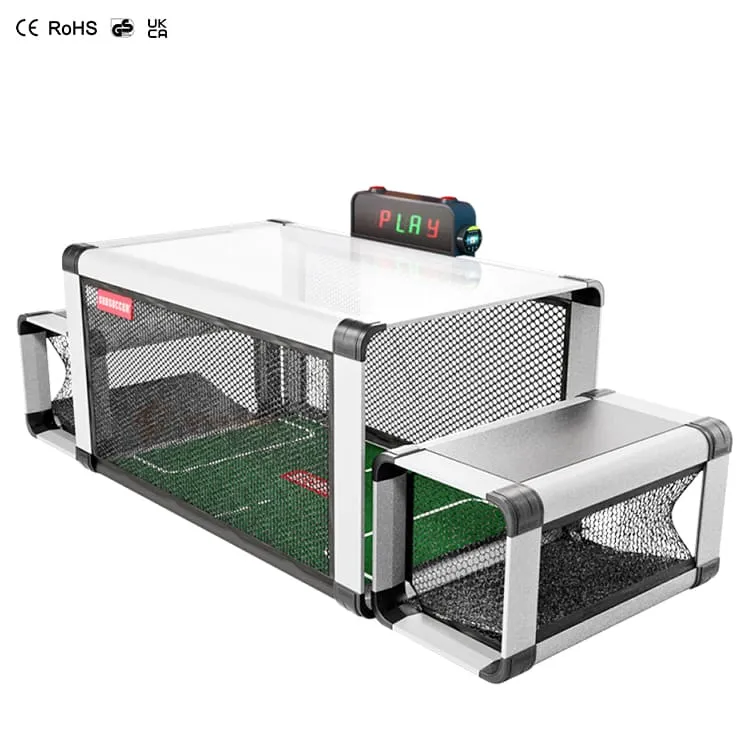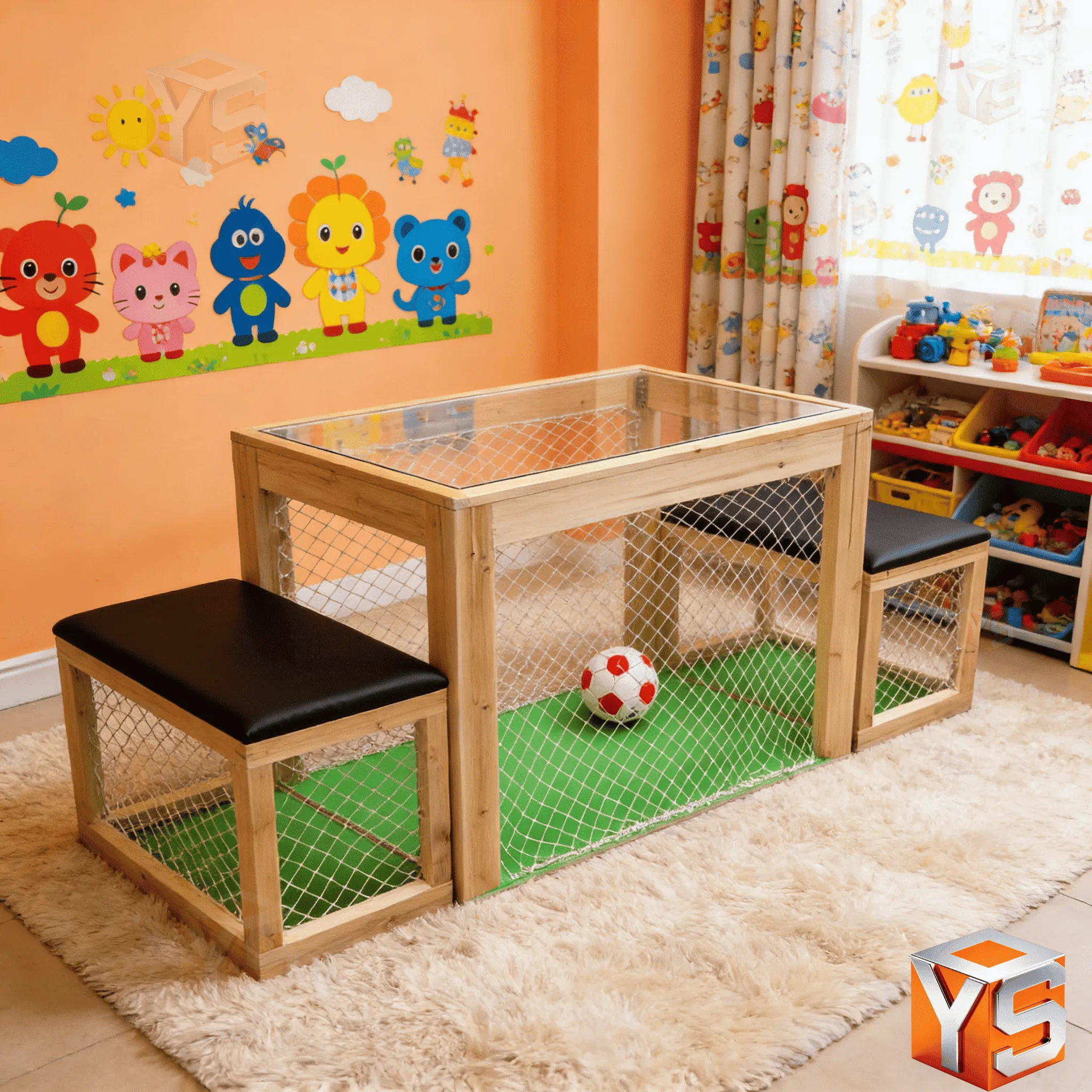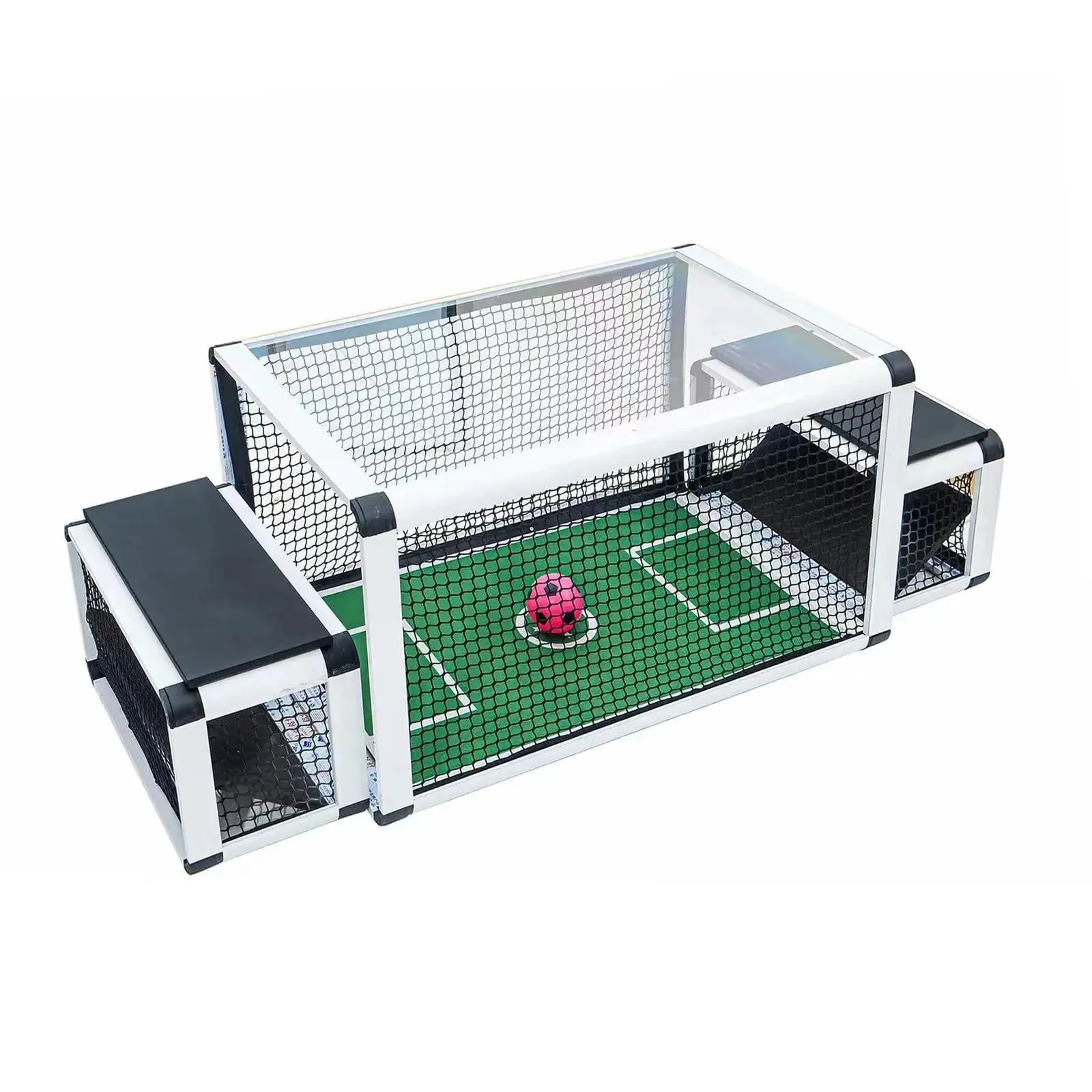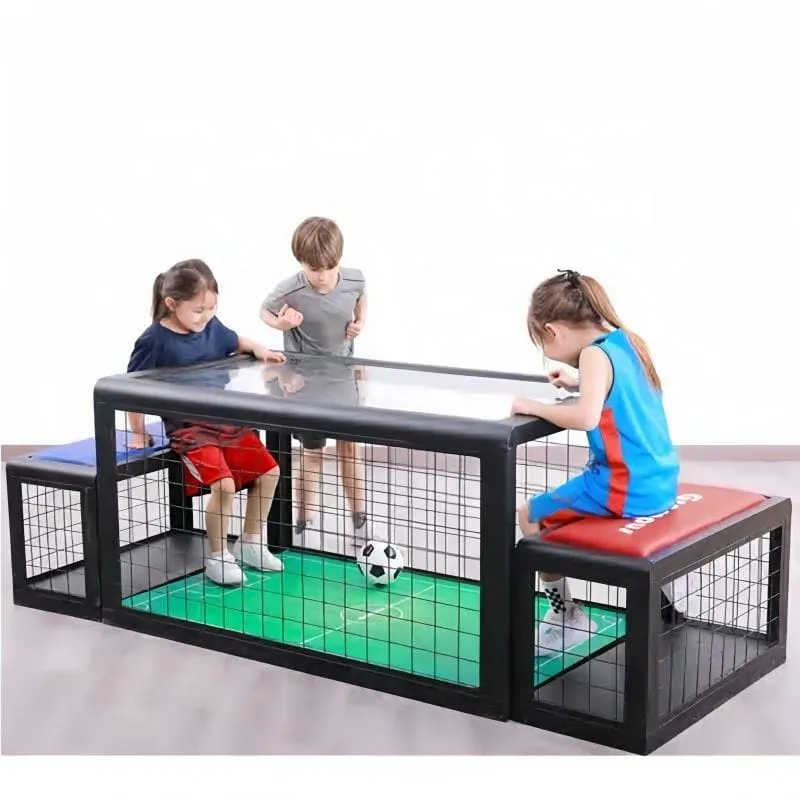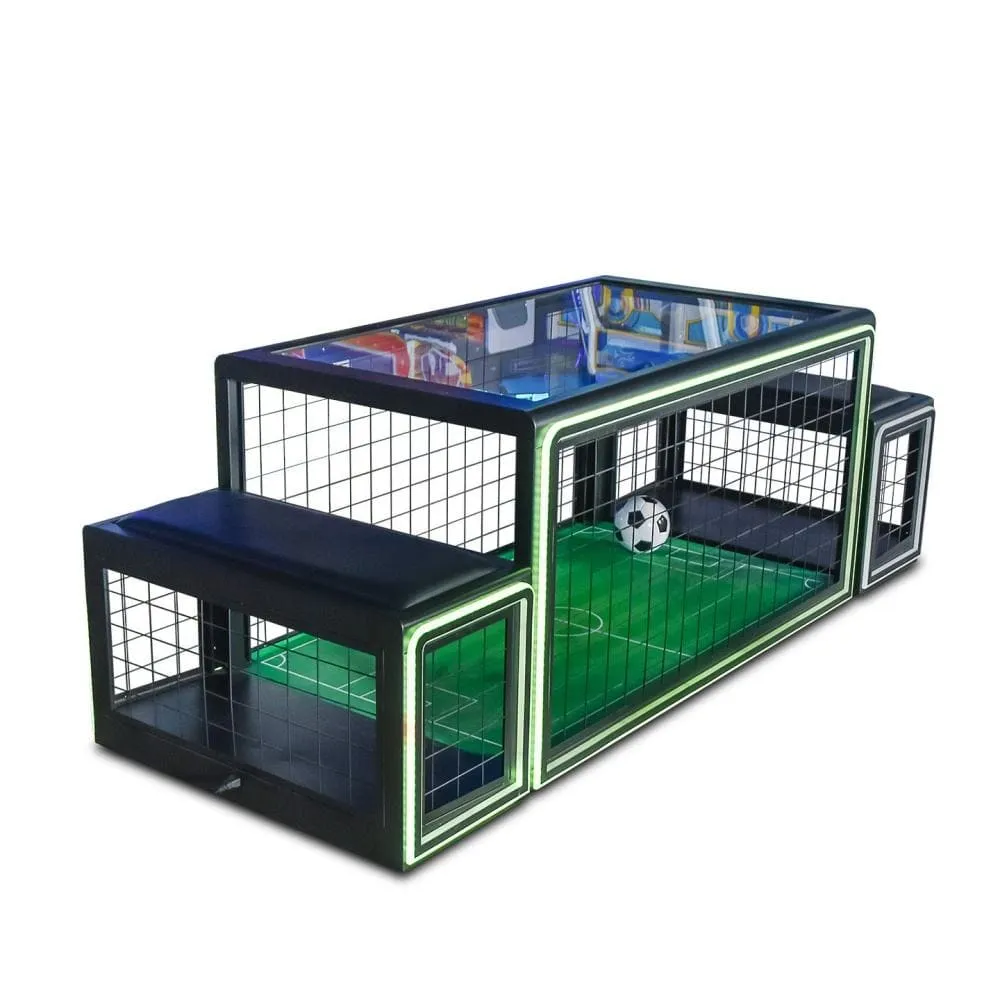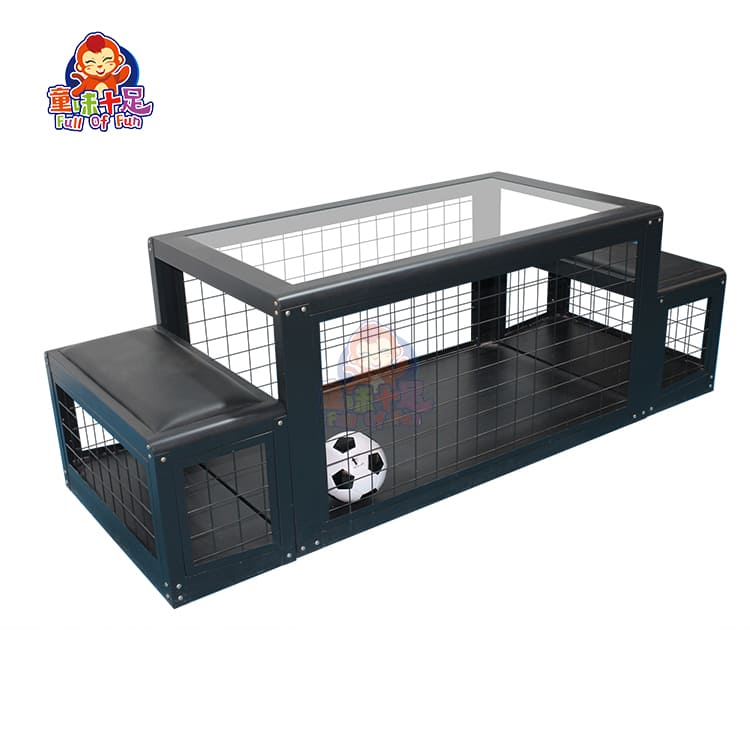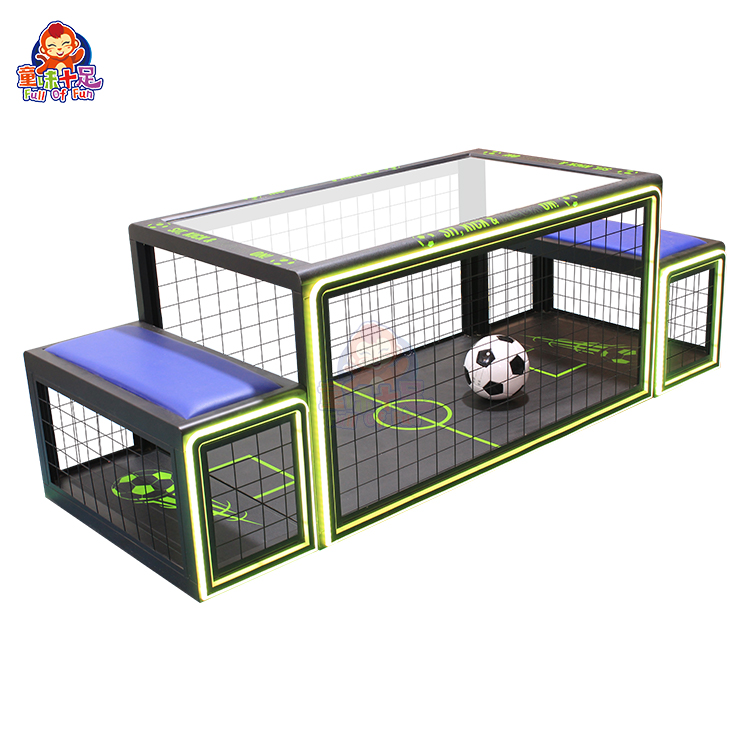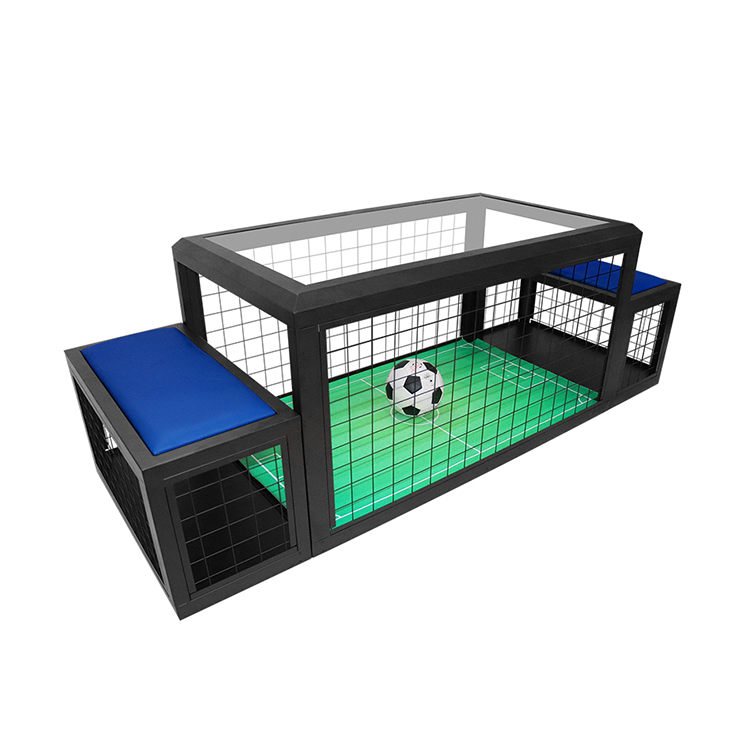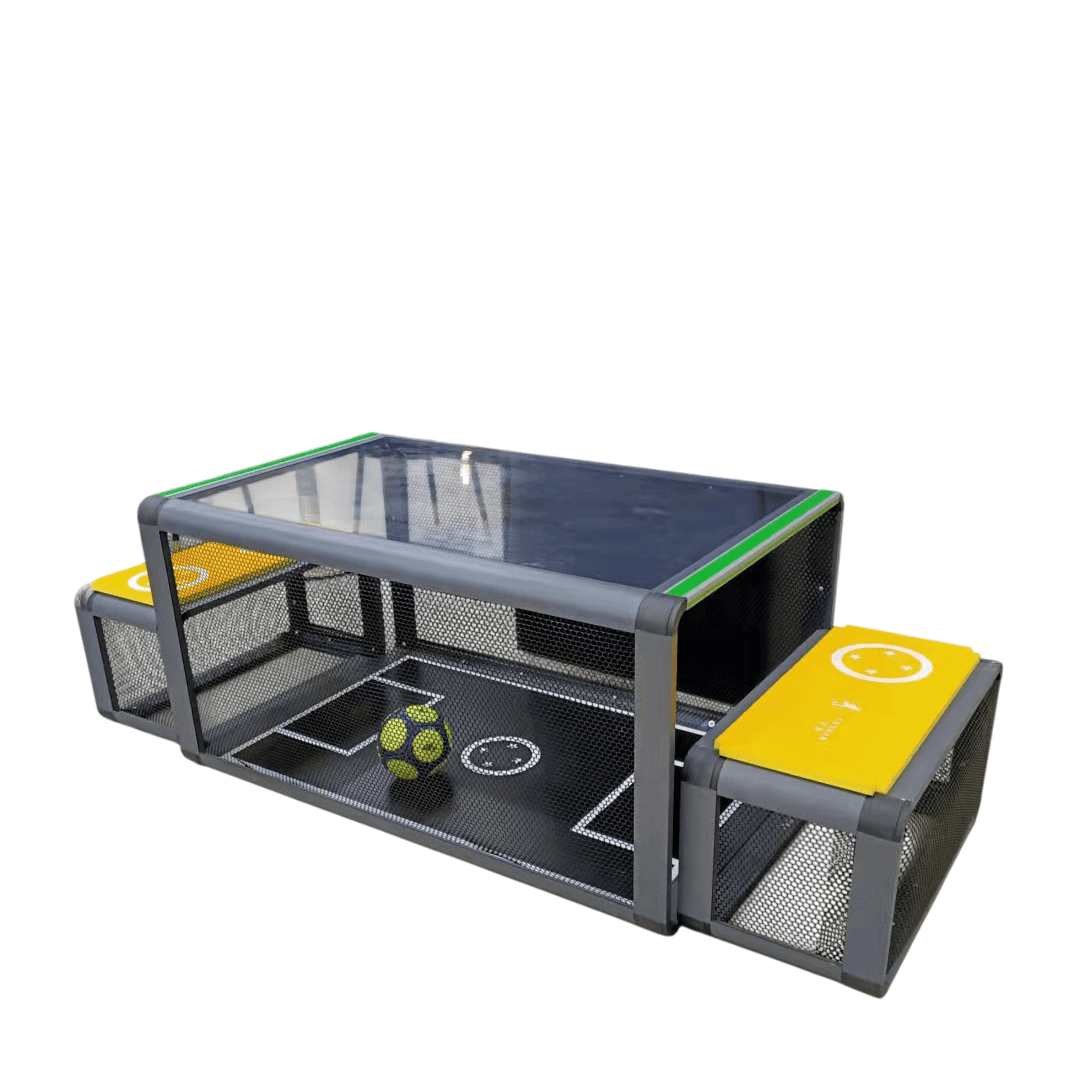

Here’s the short answer: A commercial subsoccer table typically generates $60 to $1,125 in gross coin revenue per month, depending on paid plays per day and price per play. That range isn’t a promise, it’s a planning window built from three utilization scenarios. Where the table lands in that range depends almost entirely on venue type, placement, and whether staff actively promote play.
We’ve shipped subsoccer tables to sports bars in Texas, FECs (family entertainment centers) in Riyadh, and youth centers in Poland over 15 years of exporting from our factory in China. Full of Fun has sent coin-op and free-play arcade equipment to buyers in more than 100 countries, and subsoccer tables are one of the categories where we get the most “how much will this actually make me” questions before an order ships.
Here’s the myth to bust first: a subsoccer table is not a slot machine that earns on volume alone. It’s a social, dwell-time game, so buyers who match it to the right venue make their money back, and those who treat it as passive furniture email us six months later asking why utilization is low.
This guide covers whether a subsoccer table is profitable for commercial use, the three separate ways operators monetize one table, realistic monthly earnings ranges, and the venue types where it performs best.
Is a Subsoccer Table Profitable for Commercial Use?
A subsoccer table can be genuinely profitable, but only where customers already wait, socialize, compete in small groups, or gather for events. It’s not a universal profit machine dropped into any lobby with foot traffic.
The reason comes down to how the game gets played. An arcade redemption machine or claw machine gets a 30-60 second interaction from someone walking past. A subsoccer table needs two to four people, a few minutes of setup and trash-talk, and usually a rematch.
That’s a fundamentally different revenue behavior. High-turnover foot traffic venues, think airport corridors or retail aisles, rarely generate enough paid plays because the audience isn’t standing still long enough to form a group and commit coins.
For commercial viability, we tell every buyer to check three conditions before ordering:
- Suitable audience and dwell time — people who linger, socialize, or wait (bars, lounges, waiting areas, event floors), not people passing through in seconds.
- Suitable monetization model — matching the venue to paid play, free-play venue value, or event rental (covered in detail below), rather than defaulting to coin-op everywhere.
- Enough plays or bookings to cover the installed investment — including FOB (free on board) price, freight, duty, and setup, not just the sticker price of the table.
On the mechanical side, most commercial units use an S3 coin/timer control box that handles pay-per-play timing and mode switching between free play and paid play. It’s a small component, but it’s the piece that actually determines whether your revenue model works as intended, so don’t treat it as an afterthought during procurement.
The Subsoccer Revenue Stack: Three Ways to Monetize One Table
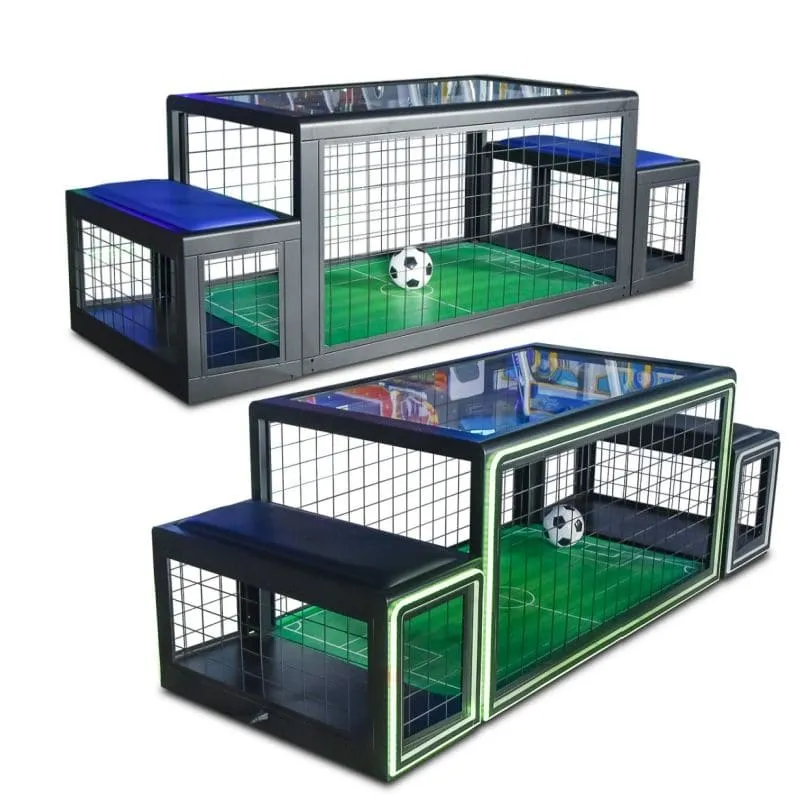
One subsoccer table can generate revenue through three distinct channels, but a venue should pick and measure ONE primary model rather than assuming all three stack into a combined total. We call this framework the Subsoccer Revenue Stack, and mixing it up is the single most common planning mistake we see from new buyers.
Here’s the honest reason we separate these into layers instead of adding them together: paid play revenue and venue value revenue often compete with each other. A table set to free play to boost dwell time and drink sales isn’t simultaneously generating coin revenue, and a table locked to paid-only mode may reduce the casual walk-up play that builds venue loyalty. Pick your primary layer based on venue type, then measure that layer honestly.
- 1. Paid Play Revenue. This is the coin/timer S3 model, best suited to FECs, game rooms, and sports bars where customers expect to pay for entertainment. Track it using price per play, paid plays per day, gross coin revenue, revenue share if the table is on a location-split agreement, and downtime (jammed coin mechanisms and mechanical faults directly cut into plays counted). This is the model most people mean when they ask about commercial subsoccer table profit.
- 2. Venue Value Revenue. Here the table runs free to play, and its job is to increase dwell time, drive food and drink orders, and bring people back. This fits cafés, hotels, bars, and youth centers where the table is an amenity, not a paid attraction. Measure it through table-zone sales (orders placed by groups actively playing or waiting to play), dwell time before and after installation, and repeat visit patterns. We will not claim a specific uplift percentage here, because we’ve seen it vary too widely by venue to responsibly generalize. If you want a number, run your own before-and-after test over 4-6 weeks.
- 3. Rental & Event Revenue. This model charges a fixed fee per event or rental period rather than per play, and it’s the natural fit for event agencies, corporate activation companies, and rental operators who move tables between locations. Measure rental days per month, transport and labor cost per event, the event fee itself, and a damage reserve since tables get moved and handled more roughly in this model.
| Venue Type | Best Revenue Layer |
|---|---|
| Sports bar | Paid Play |
| FEC / game room | Paid Play |
| Café / coffee shop | Venue Value |
| Hotel lounge | Venue Value |
| Youth / community center | Venue Value or Paid Play (mixed hours) |
| Event agency / rental company | Rental & Event |
| Corporate activation | Rental & Event |
Warning: Do not add an assumed food-and-beverage uplift on top of coin revenue when building your ROI case. We’ve seen operators pitch investors or landlords a combined number, “$400/month coin revenue plus 15% higher bar tabs,” with no test data behind the 15%. If you want to claim a venue value number, measure it with your own point-of-sale data across a defined test window, then report what you actually found.
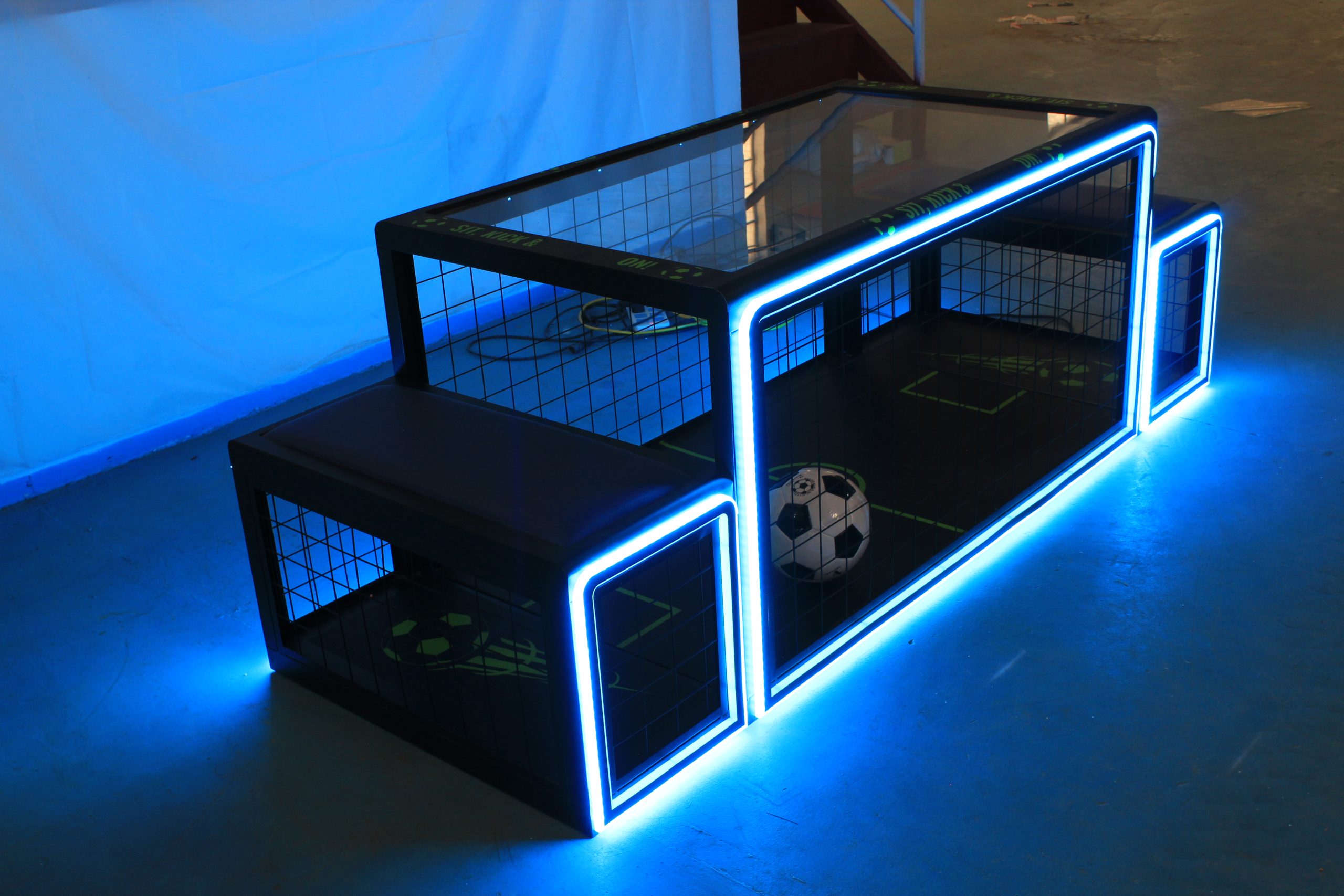
For buyers evaluating units for paid-play or hybrid deployment, our Subsoccer Table product line covers the coin/timer S3 configuration most commonly ordered for commercial use.
What a Subsoccer Table May Earn Per Month
A subsoccer table on paid play typically generates $60 to $1,125 in gross coin revenue per month, and where you land in that range depends on daily paid plays and your price per play, not on the table itself.
These are illustrative planning estimates, not guarantees, and every figure below is gross, before any deductions.
| Scenario | Paid Plays / Day | Customer Price / Play | Illustrative 30-Day Gross Coin Revenue |
|---|---|---|---|
| Low-utilization test | 2–4 | $1.00–$1.50 | $60–$180 |
| Base venue case | 5–8 | $1.50–$2.00 | $225–$480 |
| Strong venue case | 9–15 | $2.00–$2.50 | $540–$1,125 |
These numbers are gross coin revenue only. Before you calculate real profit, subtract revenue share if you’re on a location split, payment processing fees if the unit takes cards or mobile pay, labor for collection and light maintenance, rent allocation for the floor space, a repair reserve (moving parts wear, coin mechanisms jam), and applicable tax. Skip that math and you’ll overestimate your break-even plays badly.
I want to be direct about the strong-case scenario because it gets misquoted a lot: hitting 9-15 paid plays a day is not a default outcome of buying the table. It requires high visibility in the venue, an audience that actually wants competitive play (sports bars, active FECs), enough dwell time for groups to commit to a game, and staff who prompt customers to play rather than letting the table sit quiet in a corner.
We’ve watched identical tables installed the same month post wildly different numbers, one in a Dubai FEC hitting the strong tier within weeks, another in a quiet hotel lobby barely clearing the low tier, because the second location had none of those four conditions.
Location Earnings Tiers: Where Subsoccer Has the Best Chance to Perform
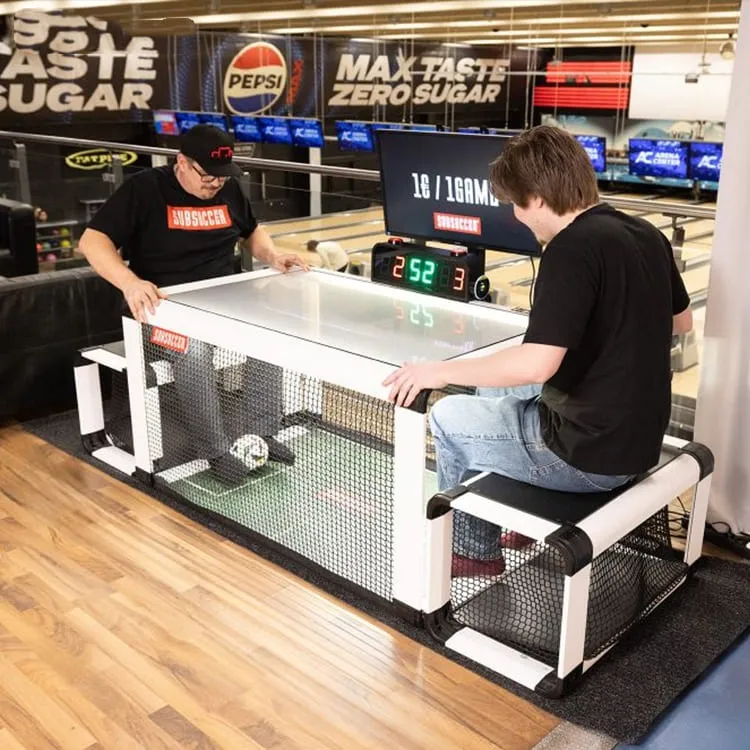
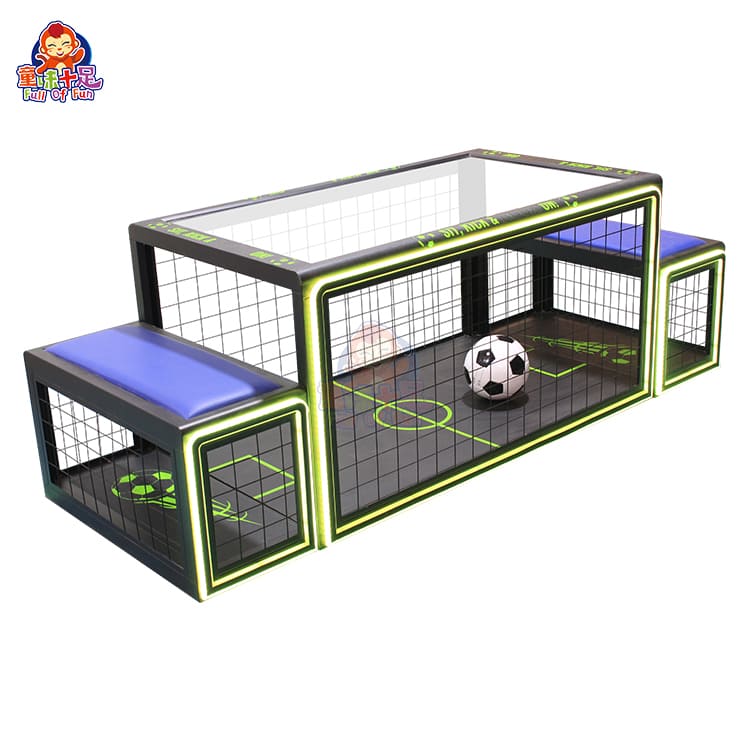
A subsoccer table performs best in venues with genuine dwell time, group social dynamics, and staff who actively promote play, which is why FECs and sports bars consistently outperform passing-traffic locations in our field data. Venue selection matters more than any equipment spec.
| Tier | Venue Conditions | Planning Use Case | Expected Test Range |
|---|---|---|---|
| Low | Passing foot traffic, limited dwell time, poor visibility, no staff promotion | Pilot only; free-play value may beat coin-op | 2–4 paid plays/day |
| Base | Social venue, groups, visible placement, regular evening/weekend traffic | Sports bars, game rooms, suitable cafes, youth centers | 5–8 paid plays/day |
| Strong | High dwell time, recurring events, competition culture, prominent placement | FECs, active sports venues, event-heavy operators | 9–15 paid plays/day |
Placement inside the venue matters almost as much as venue type. Put the table near seating, screens, or waiting zones where groups naturally cluster, ideally within sight of the bar or food counter so it’s part of the flow, not a detour.
Dead corners kill utilization even in a strong-tier venue; we’ve seen a table moved fifteen feet, from a back hallway to a spot next to the main TV screens in a sports bar, roughly double its paid plays within a month simply from visibility.
Group competition drives repeat play more than any single design feature. Small in-house tournaments, a chalkboard leaderboard, or staff simply challenging regulars to a match all increase utilization without any change to pricing. Honestly, the operators who treat the table as a passive fixture are the ones stuck in the low tier regardless of venue type.
That said, we won’t claim a specific footfall-to-play conversion rate here, because it varies too much by country, venue culture, and pricing to state a universal number responsibly. Track your own conversion once the table is installed and use that as your baseline going forward.
Coin-Op, Free Play, or Rental: Choose the Right Revenue Model
The right model depends on who’s paying and who’s watching the till, not on which one earns “more” in the abstract.
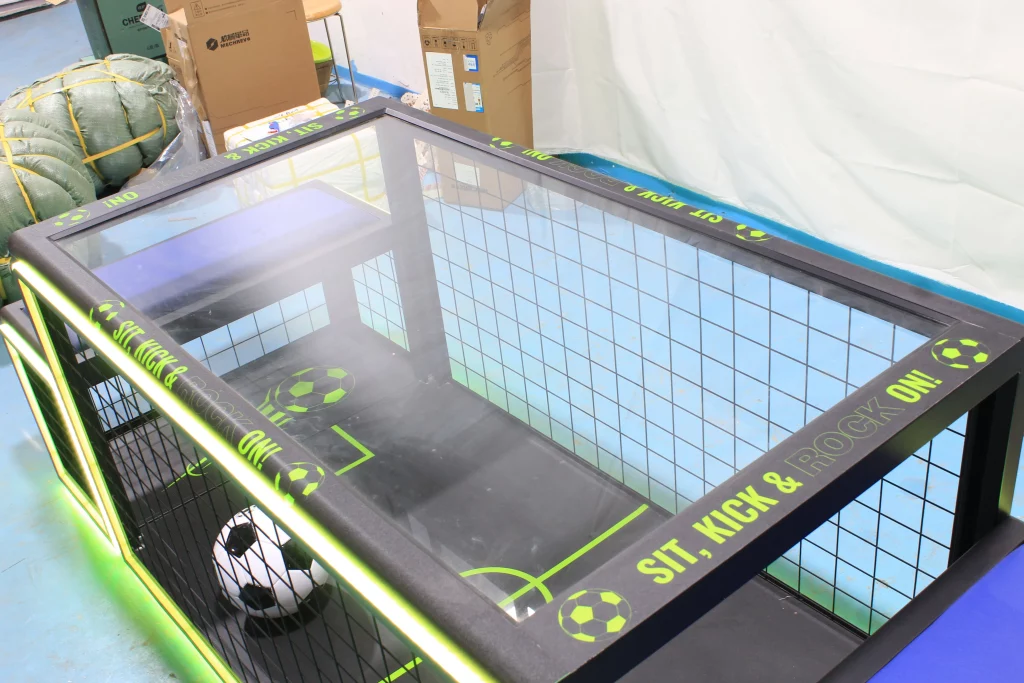
Coin-op works best when customers already expect to pay for the game and someone on-site checks collection, timer settings, and downtime. Free play works best when the table isn’t there to earn coins at all — it’s there to keep groups in the venue longer and spending on food, drinks, or membership fees. Rental works best for operators who can handle transport, setup, teardown, and selling the table into one-off events and corporate activations.
We see buyers pick the wrong model more often than they pick the wrong table.
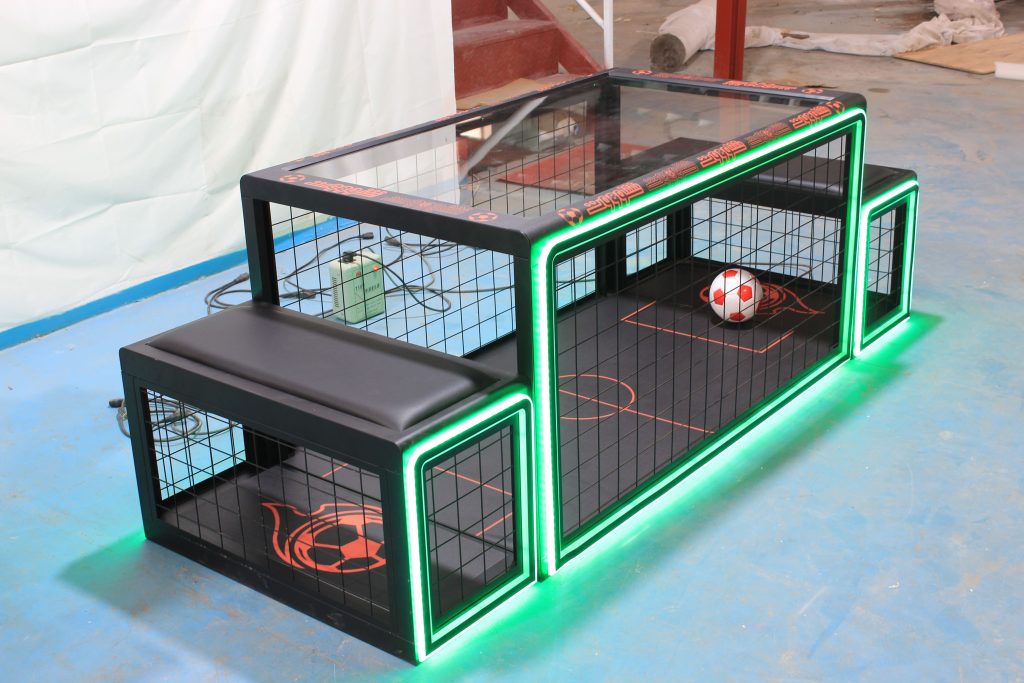
A pub owner in Ireland once installed a free-play unit expecting it to drive bar tabs, then complained six months later that “the soccer table isn’t profitable.” It wasn’t supposed to be profitable on its own — it was supposed to extend visit length, and nobody tracked that metric, so there was no way to prove or disprove it. Meanwhile an FEC in Mexico City ran the same table on coin-op with a $1.50 price point and had a clean, countable coin operated subsoccer table revenue line from week one, because coins in a box are easier to audit than a bar tab lift.
| Buyer Type | Primary Model | Secondary Model |
|---|---|---|
| Sports bar | Free play or coin-op | Tournament/event activation |
| FEC/game room | Coin-op | Group package / timed play |
| Cafe | Free play | Branded promotion |
| School/youth center | Free play / timed access | Event use |
| Rental operator | Event rental | Branded corporate activation |
| Event agency | Event package | Sponsor activation |
If you’re weighing coin-op against free play and can’t decide, default to coin-op for anything with foot traffic you don’t control day to day — franchise locations, arcades, transit hubs. Default to free play when you already control the spend loop, like a members-only cafe or a youth center with a fixed entry fee.
Browse the full arcade sport games lineup if you’re deciding between a subsoccer table and a complementary unit for the same footprint.
Start With Total Installed Cost, Not FOB Price
Your subsoccer table break-even calculation has to start from installed cost, not the factory quote, because FOB price is only the beginning of what you’ll actually spend.
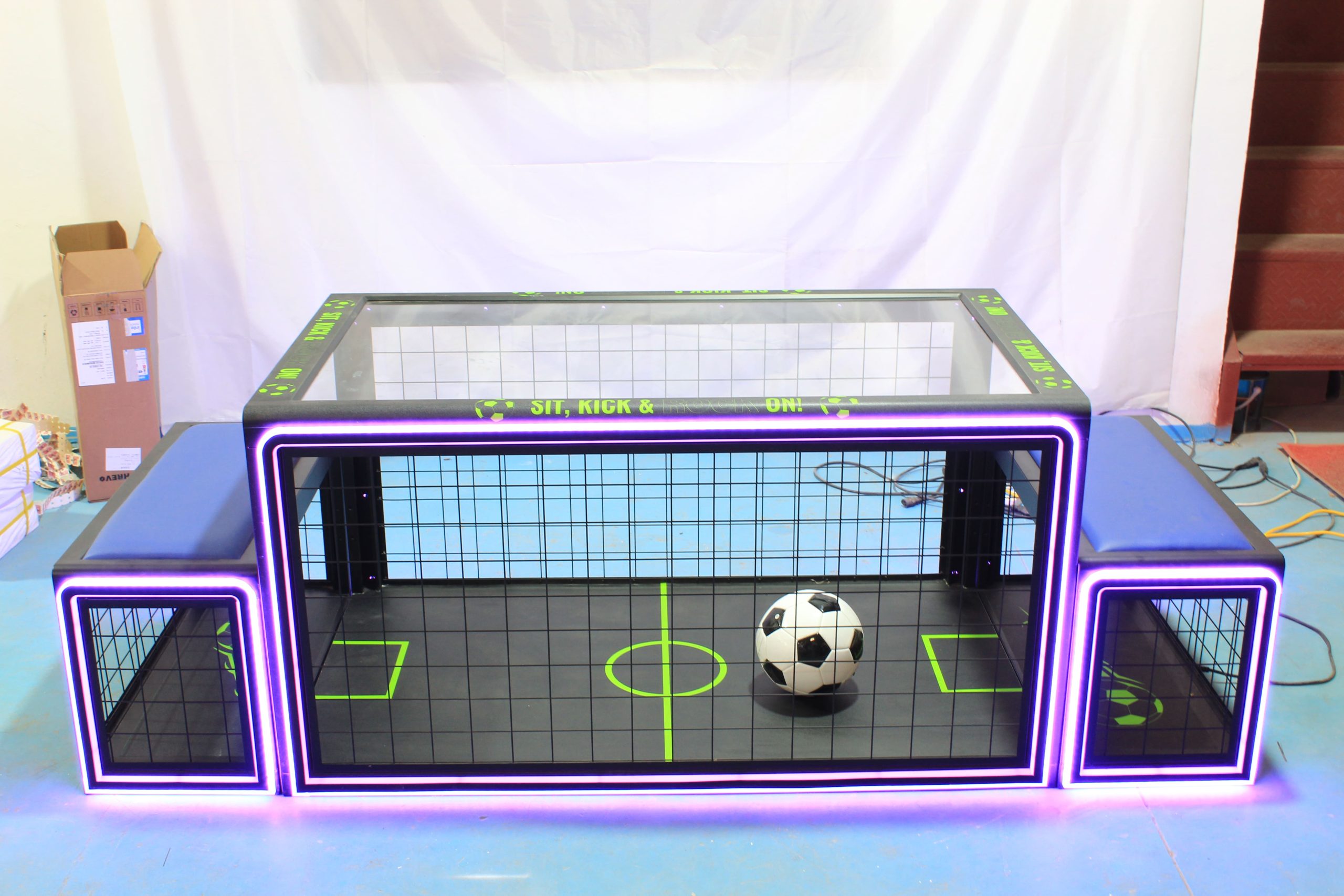
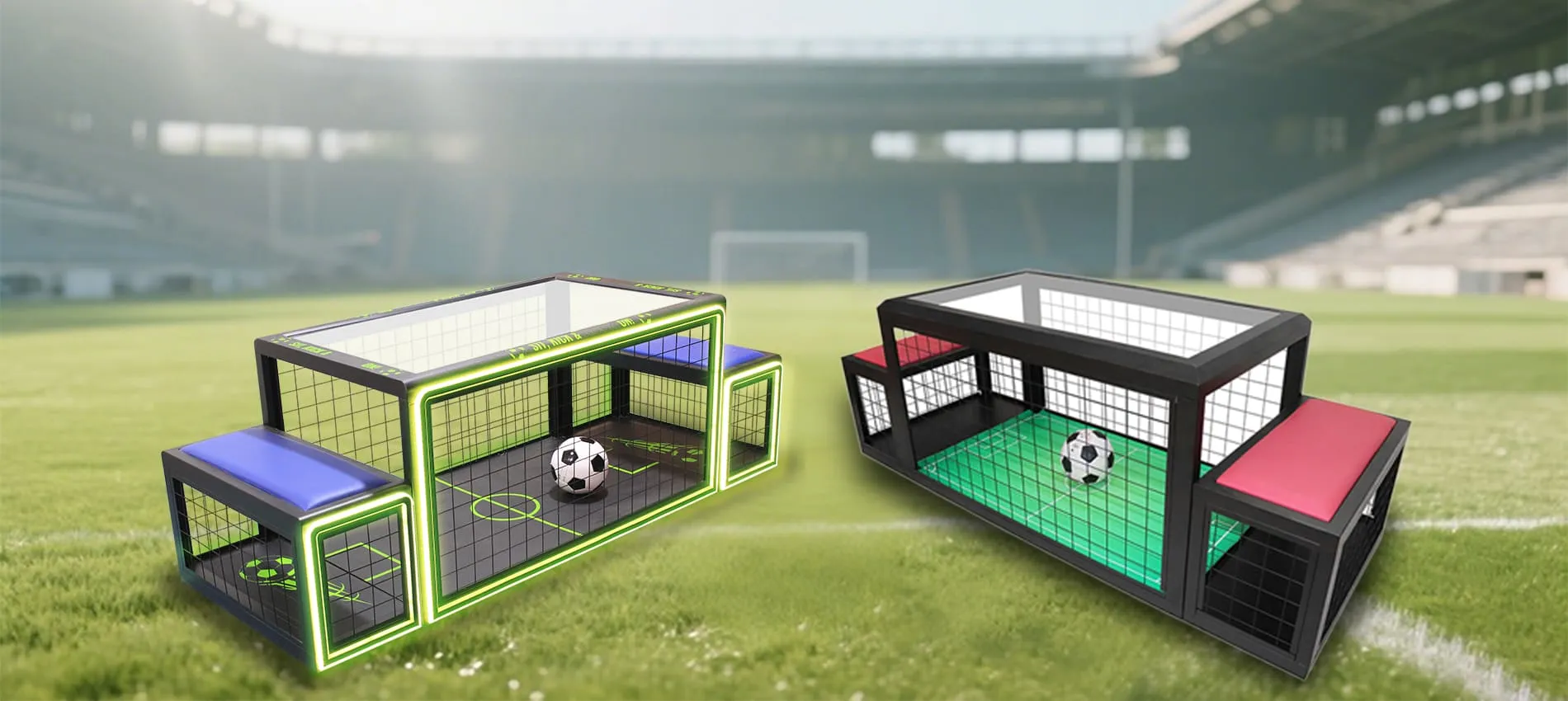
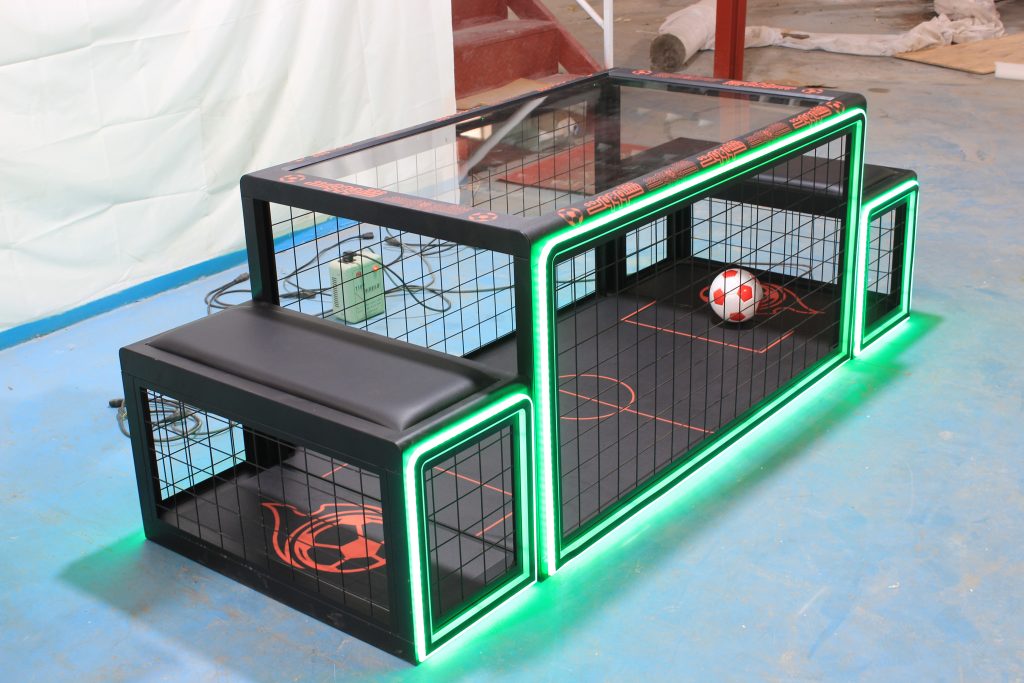
Full of Fun’s standard Subsoccer table runs $300-$350 FOB with MOQ (minimum order quantity) 1, and the LED version is $450 FOB, also MOQ 1. Those are real, quotable numbers. What they don’t include is everything that happens between our dock and your venue floor.
Here’s the checklist we walk every buyer through before they commit to a quantity:
- Table FOB price (standard, LED, or S3 coin/timer model)
- Freight and cargo insurance
- Import duties, VAT/GST, and customs clearance fees
- Local delivery from port or airport to venue
- Site prep — power, floor space, coin mechanism or payment terminal setup
- Initial marketing, staff instructions, or rental transport gear if you’re running a rental fleet
As a purely illustrative planning range, buyers commonly land somewhere around $700-$1,100 total installed cost per table once freight, duties, and local delivery are added — but that range moves a lot by country, and you should treat it as a placeholder until you have your own freight quote and customs estimate.
We give you the FOB number with confidence because that’s our side of the transaction. Everything past the ship’s rail depends on your country’s duty schedule and your freight forwarder, so we won’t pretend to know your landed cost better than your own customs broker does.
Where we see buyers overpay isn’t the table — it’s the freight method. A U.S. buyer we worked with insisted on air freight for a 12-unit order because he wanted stock in three weeks. Sea freight would have taken 20-30 days versus 7-10 days by air, but the freight bill alone nearly matched the value of the tables. Unless you’re chasing a hard event deadline, sea freight is almost always the better economics for anything beyond a single test unit.
Calculate Your Subsoccer Table Break-Even Play Count
Break-even on a coin-operated subsoccer table comes down to one number: how many paid plays it takes to recover what you spent to get the table installed and running. We call this the Break-Even Play Count, or BEPC, and it’s simple enough to run on a phone calculator before you place an order.
Here’s a worked example, and we’re labeling every number in it as illustrative, not a promise. Say your total installed investment lands at $850. Say your net receipts per play, after any card-payment fee or venue revenue share, come out to $1.50.
That’s $850 / $1.50 = roughly 567 paid plays to break even. At a modest 6 paid plays per day, that’s about 95 operating days to recover your investment — a little over three months.
That math is a recovery estimate, not a profit guarantee. It doesn’t include venue overhead like rent, staff time, or electricity, and it assumes your play volume holds steady, which real venues rarely do in a straight line.
Before you commit capital, swap our illustrative numbers for your actual freight quote, your local price-per-play, and — ideally — 30 to 60 days of real play-count data from a similar table if you can get it.
Want a number that reflects your venue instead of a hypothetical one? Chat with our team about your location and we’ll help you sanity-check the inputs before you order.
How to Test the Table Before Scaling Up
Run a 30-60 day pilot before you commit to a fleet, full stop. One table tells you more about your market than any spreadsheet, and because MOQ on the Subsoccer table is just 1 unit, there’s nothing stopping you from testing before scaling.
The process is straightforward:
- Pick one high-visibility spot in the venue — near the bar, entrance, or waiting area, not a back corner.
- Choose a single success metric up front: paid plays per day, spend lift in the table’s zone, or rental booking margin. Don’t try to track all three at once.
- Run the pilot for 30-60 days minimum. Anything shorter gets skewed by one good weekend or one slow week.
- Log daily plays, downtime (jams, coin mech issues, power outages), price changes, promotions, and any event days separately from normal days.
- Compare weekday performance to weekend performance — most venues see a 2-3x swing, and pricing that works Saturday night can flop on a Tuesday afternoon.
- At the end of the window, decide: adjust placement, adjust price, adjust the timer setting on the S3 model, run a promotion, or order more units.
We’d rather a customer buy one table, run a real pilot, and order five more with confidence than order five up front on a guess. MOQ 1 makes that low-risk path possible, but the pilot itself — not the low minimum order — is what actually protects your capital.
FAQ: Subsoccer Table Profit and Commercial ROI
It depends heavily on location traffic and pricing, but illustrative utilization tiers commonly land in the $60-$180, $225-$480, or $540-$1,125 monthly gross range depending on daily paid plays. Free-play placements should be measured by venue spend lift instead of direct receipts.
Run the Break-Even Play Count formula with your own installed cost and net receipts per play. In our illustrative example, an $850 installed cost against $1.50 net per play works out to roughly 567 paid plays, or about 95 days at 6 plays a day.
Neither is universally better — it depends on whether you want a direct, countable revenue line or a spend-lift effect on food and drink. A common setup we see: coin-op during regular hours, switched to free play for tournament nights.
Local price points typically fall somewhere between $1.00 and $2.50 per play, but you should benchmark against comparable coin-op games already in your venue or region. Price too low and you inflate your break-even play count; price too high and you suppress volume.
Freight and insurance, import duties and clearance fees, local delivery, and any site or payment setup costs. These typically push total installed cost well above the FOB table price alone.
Yes, rental is a valid third route alongside coin-op and free play, and it’s common with event agencies and corporate activation companies. Rental margin depends on your transport and setup logistics more than the table itself.
The Subsoccer S3 is built for coin operation and includes a timer function for controlled play sessions. It’s the model we recommend whenever a buyer’s primary goal is direct, per-play revenue.
Request a Location-Specific Subsoccer ROI Quote
Every venue’s numbers are different, and the fastest way to stop guessing is to send us your specifics and get a quote built around them, not a generic price sheet.
Tell us your destination country and port or city, your venue type, whether you’re planning coin-op, free play, or rental, your target quantity, and any branding or OEM/ODM requirements. We’ll separate the FOB table price from freight and duty assumptions clearly, so you’re working with real numbers instead of a bundled guess.
We’ve been exporting arcade and vending equipment for 15 years to more than 100 countries, and every Subsoccer table ships ISO9001-manufactured, CE/RoHS certified, backed by a 1-year warranty, out of a 10,000+ sqm factory.
Whether you need one standard table for a pilot or a container load of S3 coin-operated units for a chain rollout, reach out through our contact page and we’ll get a proposal back to you with your actual numbers, not placeholders.
Ready to calculate the ROI for your location?
Reach out with your location and target model, and our team will provide a comprehensive landed quote and break-even analysis.